
Exploring the Temples and Ruins of Bali: A Journey Through Sacred Sites
Exploring the Temples and Ruins of Bali: A Journey Through Sacred Sites
Bali, the Island of the Gods, is not only renowned for its stunning beaches and vibrant nightlife but also for its rich tapestry of culture and spirituality. The island is dotted with magnificent temples and ancient ruins that tell the story of its history, beliefs, and traditions.
In this comprehensive guide, we will embark on an exciting journey to explore the most significant temples and ruins of Bali, uncovering their historical significance, architectural beauty, and the spiritual essence that permeates these sacred sites.
The Spiritual Heart of Bali: Understanding Balinese Hinduism
Before diving into the exploration of Bali’s temples and ruins, it’s essential to understand the spiritual context that shapes these sacred sites. Balinese Hinduism is a unique blend of Hindu beliefs, local animism, and ancestor worship. This syncretic religion emphasizes harmony with nature, reverence for the ancestors, and the importance of rituals and ceremonies.
The Balinese people believe that the island is a sacred place, inhabited by spirits and deities. Temples, or pura, serve as the focal points for worship and community gatherings. Each temple is dedicated to specific deities and plays a crucial role in the spiritual life of the Balinese people.
The Iconic Uluwatu Temple: A Cliffside Marvel
Discovering Uluwatu Temple’s History and Architecture
Perched on a dramatic cliff overlooking the Indian Ocean, Uluwatu Temple (Pura Luhur Uluwatu) is one of Bali’s most iconic temples. Built in the 11th century, this temple is dedicated to the spirits of the sea and serves as a guardian against evil spirits. The architecture is a stunning example of Balinese design, featuring intricate carvings and traditional thatched roofs.
The Breathtaking Sunset Views
One of the highlights of visiting Uluwatu Temple is witnessing the breathtaking sunset views. As the sun dips below the horizon, the sky transforms into a canvas of vibrant colors, creating a magical atmosphere. Visitors often gather at the temple’s cliffside to capture this stunning spectacle, making it a perfect spot for photography enthusiasts.
The Kecak Dance Performance
In the evenings, Uluwatu Temple hosts the famous Kecak dance performance. This traditional Balinese dance tells the story of the Ramayana, featuring a captivating blend of music, dance, and drama. The Kecak dance, performed by a circle of chanting men, adds an extra layer of cultural richness to your visit, making it an unforgettable experience.
Tanah Lot Temple: A Symbol of Bali’s Spirituality
The Legend Behind Tanah Lot
Tanah Lot Temple (Pura Tanah Lot) is another iconic site that embodies the spiritual essence of Bali. Built on a rocky outcrop in the sea, this temple is dedicated to the sea god Baruna. According to legend, the temple was founded by a Hindu priest who was guided by a vision of the sea and its protective spirits.
Architectural Splendor and Scenic Beauty
The temple’s unique location offers stunning views, especially during high tide when it appears to float on the water. The surrounding landscape, with its crashing waves and lush greenery, creates a picturesque setting that attracts visitors from around the world. The sunset views from Tanah Lot are equally mesmerizing, making it a popular spot for romantic evenings.
Cultural Significance and Rituals
Tanah Lot is not just a tourist attraction; it is a vital part of Balinese culture. The temple hosts various ceremonies throughout the year, attracting both locals and tourists who wish to witness the vibrant rituals. The sacredness of the site is palpable, and visitors are encouraged to respect the customs and traditions of the local people.
Besakih Temple: The Mother Temple of Bali
Exploring the Largest Temple Complex
Nestled on the slopes of Mount Agung, Besakih Temple (Pura Besakih) is the largest and holiest temple complex in Bali. Often referred to as the Mother Temple, it consists of over 80 individual temples, each with its unique significance. The complex is a UNESCO World Heritage Site and is a must-visit for anyone interested in Balinese spirituality.
The Journey to the Temple
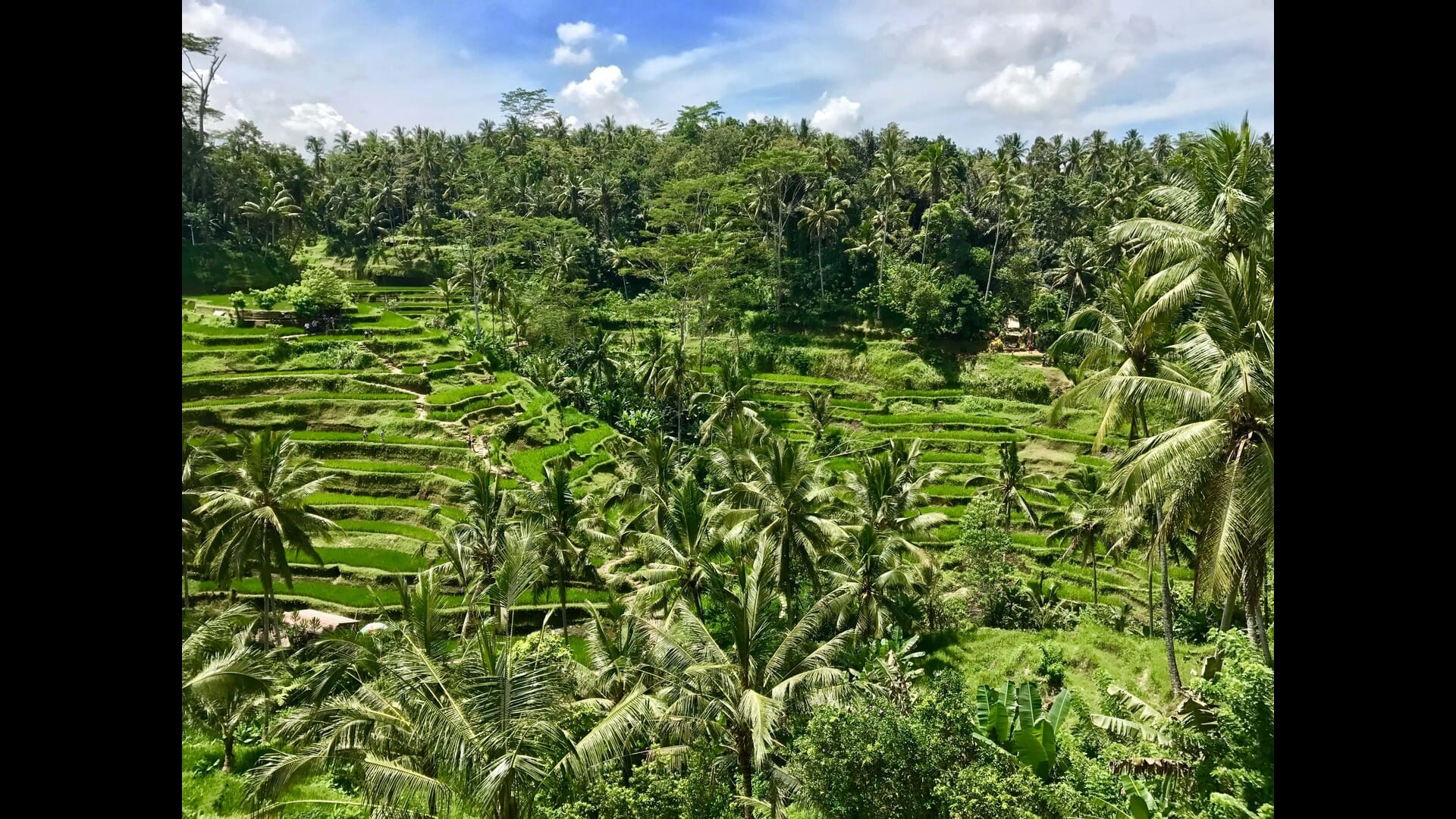
Reaching Besakih Temple involves a scenic drive through terraced rice fields and lush landscapes. As you ascend the mountain, the air becomes cooler, and the views become more breathtaking. Upon arrival, visitors are greeted by the sight of towering pagoda-like structures and intricate carvings that showcase the artistry of Balinese architecture.
Spiritual Significance and Pilgrimage
Besakih Temple is a pilgrimage site for Balinese Hindus, who come to pay their respects and seek blessings. The temple hosts numerous ceremonies throughout the year, drawing thousands of devotees. Visitors can witness these rituals and gain insight into the spiritual practices that define Balinese culture.
Goa Gajah: The Elephant Cave Temple
Unraveling the Mysteries of Goa Gajah
Goa Gajah, or the Elephant Cave, is an archaeological site that dates back to the 11th century. This temple complex features a cave adorned with intricate carvings, including a depiction of a demon’s face. The site is believed to have served as a meditation retreat for Buddhist monks, showcasing the island’s diverse spiritual heritage.
The Sacred Water Springs
Adjacent to the cave, visitors will find sacred water springs that are believed to have healing properties. The springs are surrounded by lush gardens and stone carvings, creating a serene atmosphere for reflection and meditation. Many visitors take the opportunity to cleanse themselves in the holy water, embracing the spiritual essence of the site.
Exploring the Surrounding Area
The area surrounding Goa Gajah is rich in history and culture. Visitors can explore nearby rice fields, traditional Balinese villages, and other ancient ruins. The tranquil environment makes it an ideal spot for those seeking a deeper connection with Bali’s spiritual landscape.
Taman Ayun Temple: A Royal Heritage Site
The History of Taman Ayun Temple
Taman Ayun Temple (Pura Taman Ayun) is a stunning example of Balinese architecture and landscaping. Built in the 17th century, this temple served as the royal temple of the Mengwi dynasty. The name Taman Ayun translates to “beautiful garden,” reflecting the temple’s picturesque surroundings.
Architectural Features and Gardens
The temple complex is surrounded by a moat and features beautifully manicured gardens, lotus ponds, and traditional Balinese structures. The multi-tiered meru towers, dedicated to various deities, are a highlight of the temple’s architecture. Visitors can stroll through the gardens, taking in the serene ambiance and the beauty of the landscape.
Cultural Events and Festivals
Taman Ayun Temple is an active site for religious ceremonies and festivals. Visitors may have the opportunity to witness traditional Balinese rituals, providing a glimpse into the island’s vibrant culture. The temple’s significance as a royal heritage site adds to its allure, making it a fascinating destination for history enthusiasts.
Pura Ulun Danu Bratan: The Water Temple
The Enchanting Beauty of Ulun Danu Bratan
Pura Ulun Danu Bratan is a picturesque water temple located on the shores of Lake Bratan. This temple is dedicated to Dewi Danu, the goddess of water, and is a vital source of irrigation for the surrounding rice fields. The temple’s stunning location, surrounded by misty mountains and lush greenery, creates a magical atmosphere.
Architectural Highlights
The temple features traditional Balinese architecture, with its iconic tiered pagodas reflecting in the tranquil waters of the lake. The serene environment makes it a popular spot for photography and relaxation. Visitors can also explore the surrounding gardens, which are filled with vibrant flowers and tropical plants.
Spiritual Significance and Rituals
Pura Ulun Danu Bratan is an important site for Balinese Hindus, who come to pay homage to the goddess of water. The temple hosts various ceremonies throughout the year, celebrating the importance of water in Balinese agriculture and daily life. Visitors are encouraged to participate respectfully in these rituals, gaining a deeper understanding of the local culture.
The Ruins of Taman Sari: A Glimpse into Bali’s Past
Exploring the Historical Significance of Taman Sari
Taman Sari, also known as the Water Palace, is a historical site that showcases the remnants of Bali’s royal heritage. Built in the 18th century, this complex served as a leisure retreat for the royal family. The ruins, though partially dilapidated, offer a fascinating glimpse into the island’s past.
Architectural Features and Layout
The layout of Taman Sari features a series of pools, gardens, and pavilions, all designed with intricate Balinese architecture. Visitors can wander through the ruins, imagining the grandeur of the past while enjoying the serene atmosphere. The surrounding gardens are filled with tropical plants, creating a peaceful environment for exploration.
Cultural Events and Festivals
Taman Sari is not only a historical site but also a venue for cultural events and festivals. Visitors may have the opportunity to witness traditional Balinese performances and ceremonies, adding to the richness of the experience. The site’s historical significance and cultural vibrancy make it a must-visit for history buffs and culture enthusiasts.
The Hidden Gem of Pura Lempuyang: The Gateway to Heaven
The Journey to Pura Lempuyang
Pura Lempuyang, often referred to as the Gateway to Heaven, is a hidden gem located on the slopes of Mount Lempuyang. The temple is famous for its breathtaking views and the iconic split gate that frames the majestic Mount Agung. The journey to the temple involves climbing over 1,700 steps, but the reward is well worth the effort.
Spiritual Significance and Pilgrimage
Pura Lempuyang is one of Bali’s oldest and most revered temples. It is a pilgrimage site for Balinese Hindus, who come to seek blessings and pay homage to the gods. The temple complex consists of several shrines, each with its unique significance, and visitors can participate in rituals and offerings.
Captivating Views and Photography Opportunities
The views from Pura Lempuyang are nothing short of spectacular. The iconic split gate, with Mount Agung in the background, creates a stunning backdrop for photographs. Visitors often arrive early to capture the sunrise, as the golden light casts a magical glow over the landscape. The combination of spirituality and natural beauty makes Pura Lempuyang a must-visit destination.
Conclusion: Embracing the Spiritual Journey Through Bali’s Temples and Ruins
Exploring the temples and ruins of Bali is not just a journey through history; it is an opportunity to connect with the island’s rich spiritual heritage. Each temple and ruin tells a unique story, reflecting the beliefs, traditions, and artistry of the Balinese people. From the iconic Uluwatu Temple to the serene Pura Ulun Danu Bratan, these sacred sites invite visitors to embrace the beauty and spirituality of Bali.
As you embark on your journey through Bali’s temples and ruins, take the time to immerse yourself in the local culture, participate in rituals, and appreciate the breathtaking landscapes. Whether you are a history enthusiast, a spiritual seeker, or simply a traveler in search of beauty, Bali’s temples and ruins offer a transformative experience that will leave a lasting impression.
So pack your bags, set out on this incredible adventure, and let the magic of Bali’s sacred sites unfold before you.