
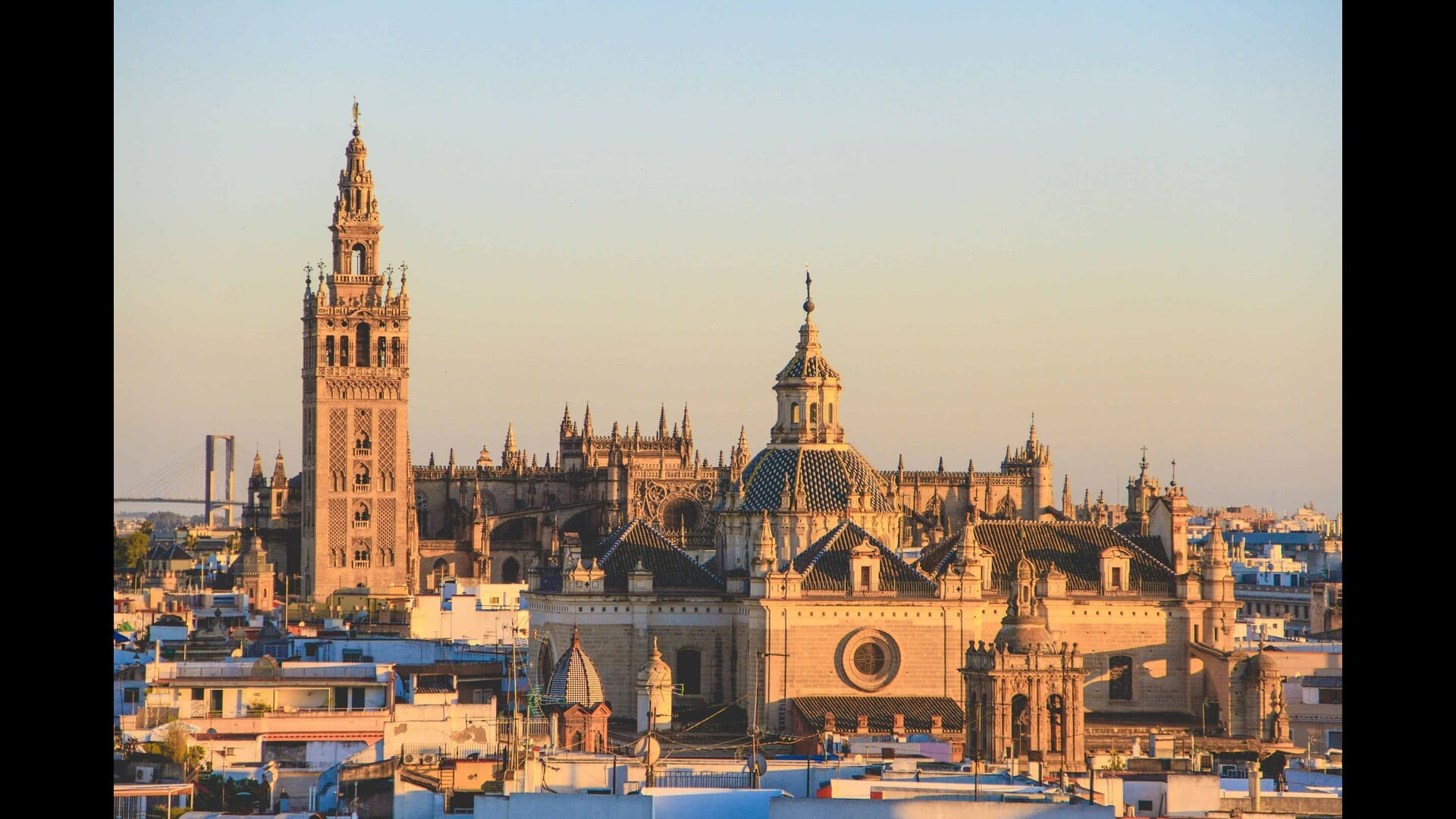
Exploring the Temples of Ancient Spain: A Journey Through Time
Exploring the Temples of Ancient Spain: A Journey Through Time
Spain, a country rich in history and culture, is home to some of the most magnificent ancient temples that tell the story of its diverse past. From the Roman Empire to the Moorish influence, the temples of ancient Spain are a testament to the architectural prowess and spiritual devotion of their time.
In this article, we will embark on a journey to explore these remarkable structures, delving into their history, architectural styles, and the cultural significance they hold today.
The Historical Context of Ancient Spain
To truly appreciate the temples of ancient Spain, it is essential to understand the historical context in which they were built. Spain has been a melting pot of cultures, influenced by various civilizations over the centuries. The Iberians, Celts, Romans, Visigoths, and Moors all left their mark on the landscape, contributing to the rich tapestry of Spanish history.
The Roman Influence on Spanish Architecture
The Roman Empire's expansion into the Iberian Peninsula began in the 3rd century BC. The Romans brought with them advanced engineering techniques and architectural styles that would shape the future of Spanish architecture. Temples dedicated to Roman gods and goddesses were constructed, showcasing the grandeur of Roman design.
The Moorish Era and Its Architectural Legacy
Following the fall of the Roman Empire, the Moors invaded Spain in the 8th century, introducing Islamic architecture and design. The intricate tile work, arches, and gardens of Moorish temples are a stark contrast to their Roman predecessors, yet both styles coexist harmoniously in Spain's architectural landscape.
The Most Iconic Ancient Temples in Spain
Now that we have set the historical stage, let’s explore some of the most iconic ancient temples in Spain that are a must-visit for any traveler.
1. The Temple of Debod: A Gift from Egypt
Located in Madrid, the Temple of Debod is an ancient Egyptian temple that was gifted to Spain in 1968. Originally built in 200 BC, the temple was relocated to Madrid to save it from the rising waters of the Aswan Dam. The temple is dedicated to the goddess Isis and features stunning hieroglyphics and beautiful sandstone architecture.
Visiting Tips
- Best Time to Visit: Sunset offers a breathtaking view as the temple is illuminated.
- Nearby Attractions: Explore the Parque del Oeste and the Royal Palace of Madrid.
2. The Roman Temple of Augustus in Tarragona
Tarragona, a city steeped in Roman history, is home to the Temple of Augustus, built in the 1st century BC. This temple was dedicated to the emperor Augustus and is one of the few remaining Roman temples in Spain. The impressive Corinthian columns and the temple's location in the heart of the city make it a significant historical site.
Visiting Tips
- Entry Fee: Free access to the temple area; guided tours are available.
- Nearby Attractions: Visit the Tarragona Amphitheatre and the National Archaeological Museum.
3. The Temple of Diana in Merida
Merida, the capital of the Roman province of Lusitania, boasts the Temple of Diana, a stunning example of Roman architecture. Built in the 1st century BC, this temple features six magnificent columns and is dedicated to the goddess of the hunt. The temple's preservation makes it a highlight of Merida's archaeological site.
Visiting Tips
- Best Time to Visit: Early morning to avoid crowds and enjoy the serene atmosphere.
- Nearby Attractions: Explore the Roman Theatre and the Amphitheatre of Merida.
4. The Alcazaba of Almería: A Moorish Fortress with a Temple
The Alcazaba of Almería is a stunning example of Moorish architecture that includes a temple dedicated to the Islamic faith. Built in the 10th century, this fortress offers breathtaking views of the Mediterranean Sea and showcases the intricate design typical of Moorish structures.
Visiting Tips
- Entry Fee: Small fee for entry; guided tours are available.
- Nearby Attractions: Visit the Almería Cathedral and the nearby beaches.
5. The Cathedral of Santiago de Compostela: A Blend of Styles
While primarily known as a cathedral, the Cathedral of Santiago de Compostela incorporates elements of ancient temple architecture. This UNESCO World Heritage site is the reputed burial site of Saint James and features a mix of Romanesque, Gothic, and Baroque styles.
Visiting Tips
- Best Time to Visit: Attend the Pilgrim's Mass for a unique experience.
- Nearby Attractions: Explore the historic old town and the Museum of the Galician People.
Understanding the Architectural Styles of Ancient Temples
The temples of ancient Spain are not only significant for their historical context but also for their architectural styles. Understanding these styles can enhance your appreciation of these magnificent structures.
Roman Architecture: A Testament to Engineering
Roman architecture is characterized by its use of columns, arches, and domes. The temples built during this era often featured a rectangular layout with a portico and a cella (inner chamber). The use of concrete allowed for innovative designs and larger structures.
Moorish Architecture: Intricate Beauty
Moorish architecture is known for its intricate tile work, horseshoe arches, and elaborate stucco designs. The use of geometric patterns and calligraphy reflects the Islamic artistic tradition. Gardens and water features are also common, symbolizing paradise.
The Cultural Significance of Ancient Temples
The temples of ancient Spain are not just architectural marvels; they are also cultural symbols that reflect the beliefs and values of the societies that built them.
Spiritual Centers of Worship
Many of these temples served as spiritual centers where people gathered to worship their deities. They were places of community and cultural exchange, where rituals and festivals were celebrated.
Historical Narratives
Each temple tells a story of the civilization that created it. From the Roman Empire's reverence for their gods to the Moors' devotion to Islam, these structures encapsulate the historical narratives of their time.
Planning Your Journey to Ancient Temples in Spain
If you’re inspired to explore the ancient temples of Spain, here are some tips for planning your journey.
Creating an Itinerary
- Duration: Allocate at least two weeks to explore various regions of Spain.
- Destinations: Include cities like Madrid, Tarragona, Merida, Almería, and Santiago de Compostela.
Transportation Options
- Flights: Major cities are well-connected by international flights.
- Trains: Spain has an extensive train network, making it easy to travel between cities.
- Car Rentals: Consider renting a car for more flexibility in exploring rural areas.
Accommodations
- Hotels: Look for hotels near historical sites for convenience.
- Hostels: Budget travelers can find affordable hostels in major cities.
- Airbnb: Consider renting a local apartment for a more immersive experience.
Conclusion: Embracing the Legacy of Ancient Spain
Exploring the temples of ancient Spain is not just a journey through time; it is an opportunity to connect with the rich cultural heritage that has shaped this beautiful country. Each temple stands as a monument to the creativity, devotion, and resilience of the people who built them. As you walk through these ancient ruins, take a moment to reflect on the stories they hold and the legacy they continue to inspire.
Whether you are an architecture enthusiast, a history buff, or simply a curious traveler, the ancient temples of Spain offer a captivating glimpse into the past. So pack your bags, set your itinerary, and get ready to embark on an unforgettable adventure through the ancient temples of Spain!