
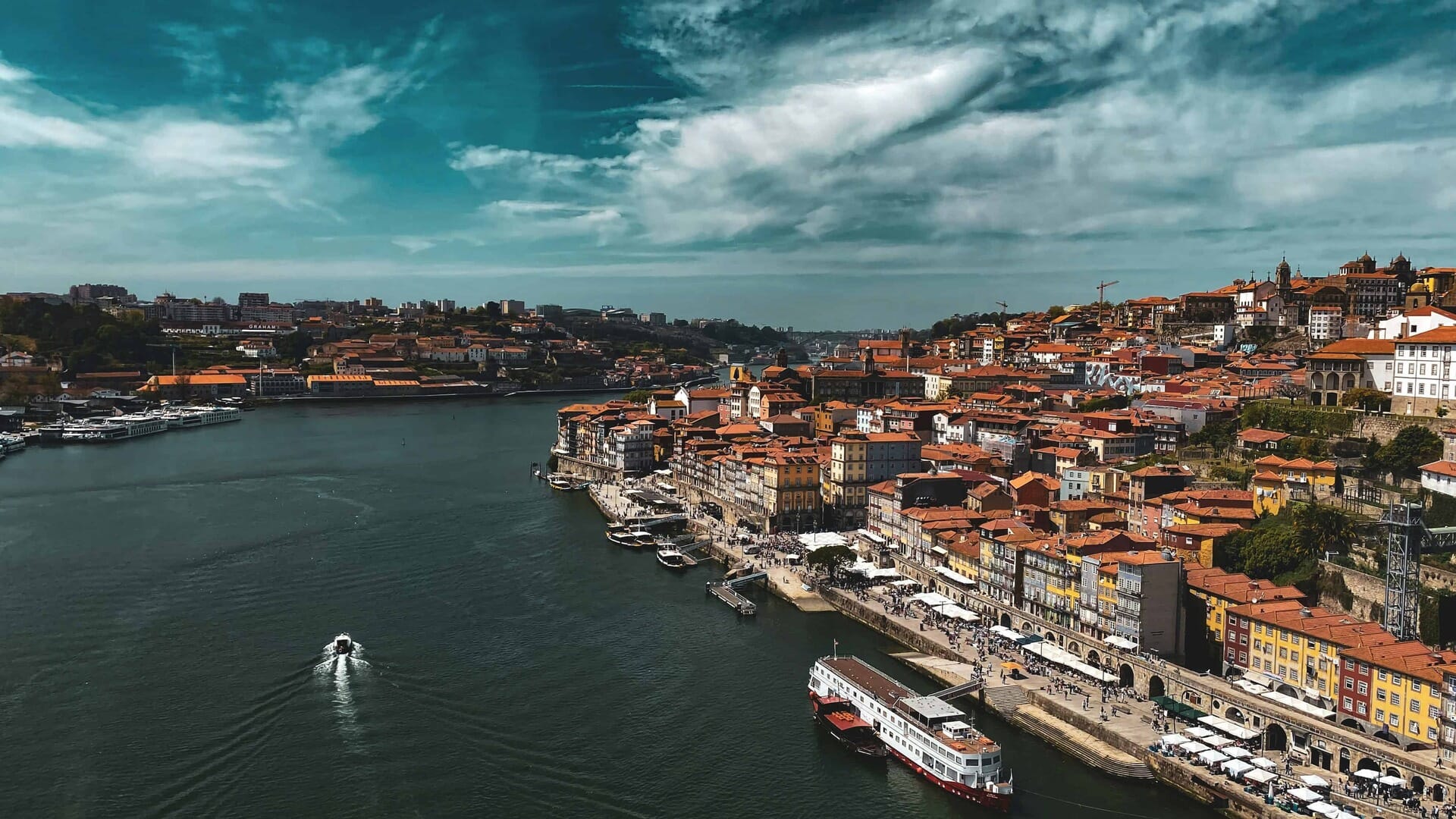
Exploring the Richness of Portuguese Literature: A Journey Through Time and Text
Exploring the Richness of Portuguese Literature: A Journey Through Time and Text
Portuguese literature is a treasure trove of creativity, history, and cultural significance. From the medieval period to contemporary works, the literary landscape of Portugal is rich with diverse voices and styles that reflect the nation’s complex identity. In this article, we will embark on a journey through the various eras of Portuguese literature, exploring its most influential authors, key movements, and the cultural context that shaped their works.
The Historical Context of Portuguese Literature: A Brief Overview
To fully appreciate the richness of Portuguese literature, it is essential to understand the historical context in which it developed. Portugal's literary tradition can be traced back to the 12th century, with the emergence of the first written texts in the Portuguese language. The country’s unique geographical position, as a maritime nation, played a significant role in its literary evolution, as it became a melting pot of cultures, ideas, and artistic expressions.
The Medieval Period: The Birth of Portuguese Literature
The medieval period (12th to 15th centuries) marked the beginning of Portuguese literature, characterized by the influence of troubadour poetry and the emergence of religious texts. The first known poet of the Portuguese language is D. Dinis, who composed lyrical poetry that celebrated love and nature. His works laid the foundation for the development of Portuguese poetry.
The Renaissance and Baroque Eras: A Flourishing of Arts
The Renaissance (16th century) brought a renewed interest in classical literature and humanism. This period saw the rise of notable figures such as Luís de Camões, whose epic poem Os Lusíadas (The Lusiads) celebrated the Age of Discoveries and the Portuguese maritime empire. Camões is often regarded as the greatest poet in the Portuguese language, and his influence can still be felt in contemporary literature.
The Baroque era (17th century) followed, marked by a flourish of artistic expression and complexity in literary forms. Authors like Gregório de Matos and António Vieira explored themes of spirituality, social critique, and the human condition, contributing to the richness of Portuguese literature during this time.
Key Authors Who Shaped Portuguese Literature
Throughout its history, Portuguese literature has been shaped by numerous authors whose works have left an indelible mark on the literary world. Let’s explore some of the most significant figures in Portuguese literature.
Luís de Camões: The Poet of the Sea
Luís de Camões (1524-1580) is often considered the father of Portuguese literature. His magnum opus, Os Lusíadas, is an epic poem that narrates the adventures of Vasco da Gama and the Portuguese explorers during the Age of Discoveries. Camões’ mastery of language and ability to weave historical narrative with poetic beauty has earned him a place among the greatest poets in world literature.
Fernando Pessoa: The Master of Heteronyms
Fernando Pessoa (1888-1935) is one of the most influential figures in modern literature. Known for his use of heteronyms—distinct literary personas with their own biographies, philosophies, and writing styles—Pessoa's works delve into themes of identity, existentialism, and the human experience. His poetry, particularly in The Book of Disquiet, reflects a deep introspection and a profound understanding of the complexities of life.
Eça de Queirós: The Realist Novelist
Eça de Queirós (1845-1900) is celebrated as one of the greatest Portuguese novelists. His works, such as The Maias and The Relic, are characterized by their keen social commentary and exploration of the Portuguese bourgeoisie. Eça’s ability to blend realism with humor and satire has made his novels enduring classics in Portuguese literature.
Clarice Lispector: The Voice of Modernity
Though Brazilian by birth, Clarice Lispector (1920-1977) is often included in discussions of Portuguese literature due to her profound impact on the literary landscape of the Portuguese-speaking world. Her introspective narratives and innovative writing style have influenced countless authors, making her a pivotal figure in contemporary literature.
Literary Movements in Portugal: From Romanticism to Modernism
Portuguese literature has undergone various transformations, influenced by literary movements that reflect the changing social and political landscape of the country. Let’s delve into some of the key movements that have shaped Portuguese literature.
Romanticism: A Celebration of Emotion and Nature
The Romantic movement (19th century) in Portugal was characterized by a focus on individualism, emotion, and a deep connection to nature. Poets like Almeida Garrett and writers such as Júlio Dinis explored themes of love, longing, and the beauty of the Portuguese landscape. This era marked a departure from the rigid structures of previous literary forms, allowing for greater freedom of expression.
Realism and Naturalism: A Reflection of Society
The late 19th century saw the rise of realism and naturalism in Portuguese literature, with authors like Eça de Queirós leading the charge. This movement aimed to depict life as it truly was, often highlighting social issues and the struggles of the working class. The focus on detailed descriptions and character development provided readers with a more profound understanding of the human experience.
Modernism: Breaking Boundaries
The modernist movement (early 20th century) brought about a radical shift in literary expression. Writers like Mário de Sá-Carneiro and Almada Negreiros experimented with form, style, and language, challenging traditional narrative structures. This period was marked by a sense of disillusionment and a quest for new meanings in a rapidly changing world.
The Influence of Portuguese Literature on Global Culture
Portuguese literature has not only shaped the cultural landscape of Portugal but has also made significant contributions to global literature. The themes explored by Portuguese authors resonate with readers worldwide, transcending geographical boundaries and cultural differences.
The Global Reach of Portuguese Poetry
Portuguese poetry, particularly the works of Fernando Pessoa and Camões, has garnered international acclaim. Translations of their poems have introduced their profound insights into the human condition to readers around the globe, fostering a deeper appreciation for Portuguese literature.
Literary Festivals: Celebrating Portuguese Literature Worldwide
Literary festivals dedicated to Portuguese literature have emerged in various countries, showcasing the works of Portuguese authors and promoting cultural exchange. Events such as the Lisbon Book Fair and the Porto Book Fair attract literary enthusiasts, providing a platform for discussions, readings, and workshops that celebrate the richness of Portuguese literature.
Contemporary Portuguese Literature: Voices of the Present
As we move into the 21st century, contemporary Portuguese literature continues to flourish, with new voices emerging to reflect the complexities of modern society. Authors such as Gonçalo M. Tavares, Lídia Jorge, and Valter Hugo Mãe are redefining the literary landscape, exploring themes of identity, migration, and the impact of technology on human relationships.
The Role of Women in Contemporary Portuguese Literature
In recent years, the contributions of female authors to Portuguese literature have gained recognition. Writers like Dulce Maria Cardoso and Inês Pedrosa are addressing issues of gender, identity, and social justice, offering fresh perspectives that enrich the literary canon.
The Impact of Technology on Literature
The digital age has transformed the way literature is consumed and created. E-books, online platforms, and social media have provided new avenues for authors to reach their audiences. Contemporary Portuguese authors are leveraging these tools to share their stories and engage with readers in innovative ways.
Exploring Portuguese Literature Through Travel
One of the most enriching ways to experience Portuguese literature is through travel. Visiting the places that inspired famous authors and their works can provide a deeper understanding of the cultural context behind the literature.
Literary Landmarks in Portugal
Portugal is home to numerous literary landmarks that celebrate its rich literary heritage. From the picturesque streets of Lisbon, where Fernando Pessoa spent much of his life, to the serene landscapes of the Douro Valley that inspired countless poets, each location tells a story of its own.
Literary Tours: A Journey Through Words
Many travel companies offer literary tours that take visitors to significant sites in Portuguese literature. These tours often include visits to historic libraries, author homes, and literary festivals, providing an immersive experience that connects travelers with the literary history of Portugal.
Conclusion: The Enduring Legacy of Portuguese Literature
As we conclude our exploration of the richness of Portuguese literature, it becomes evident that its legacy is one of profound depth and cultural significance. From the medieval poets to contemporary voices, Portuguese literature continues to inspire and resonate with readers around the world. Whether through the lyrical beauty of poetry or the intricate narratives of novels, the stories of Portugal invite us to reflect on our own humanity and the shared experiences that connect us all.
In a world that often feels divided, the richness of Portuguese literature serves as a reminder of the power of words to bridge cultures, foster understanding, and celebrate the beauty of the human experience. So, whether you’re a seasoned literary enthusiast or a curious traveler, exploring the depths of Portuguese literature is a journey worth taking.