
Exploring the Rich Heritage of the Eastern Cape
Exploring the Rich Heritage of the Eastern Cape
The Eastern Cape of South Africa is a region steeped in history, culture, and natural beauty. From the rolling hills of the Karoo to the pristine beaches of the Wild Coast, this province offers a rich tapestry of experiences that reflect the diverse heritage of its people.
In this comprehensive travel guide, we will delve into the many facets of the Eastern Cape, exploring its historical significance, cultural diversity, and breathtaking landscapes.
The Historical Significance of the Eastern Cape
The Eastern Cape is not just another beautiful destination; it is a region that has played a pivotal role in South Africa's history. It is the birthplace of several prominent figures, including Nelson Mandela and Oliver Tambo, who were instrumental in the fight against apartheid. The province is dotted with historical sites that tell the story of the struggle for freedom and equality.
The Birthplace of Nelson Mandela
One of the most significant historical sites in the Eastern Cape is the Nelson Mandela Museum located in Qunu, where Mandela spent his childhood. The museum offers visitors a chance to learn about Mandela's life, his journey from a small village to becoming the first black president of South Africa, and the impact he had on the nation and the world. The museum's exhibits include personal artifacts, photographs, and multimedia presentations that provide insight into Mandela's legacy.
The Role of the Eastern Cape in the Anti-Apartheid Movement
The Eastern Cape was a hotbed of political activity during the apartheid era. Towns like Port Elizabeth and Grahamstown were crucial in organizing protests and rallies against the oppressive regime. The Red Location Museum in Port Elizabeth is a must-visit for those interested in this history. It is built on the site of one of the oldest townships in the city and serves as a memorial to the struggle against apartheid. The museum features exhibitions that highlight the stories of activists and the impact of apartheid on the local community.
Cultural Experiences in the Eastern Cape
The Eastern Cape is home to a rich cultural heritage, with a diverse population that includes Xhosa, Afrikaans, and English-speaking communities. This cultural diversity is reflected in the region's festivals, music, art, and cuisine.
Traditional Xhosa Culture
The Xhosa people, one of South Africa's largest ethnic groups, have a rich cultural heritage that is deeply rooted in the Eastern Cape. Visitors can experience traditional Xhosa customs, music, and dance by attending cultural events or visiting local villages. The initiation ceremonies, known as ubuthongo, are an essential part of Xhosa culture, marking the transition from boyhood to manhood. While these ceremonies are private, many villages offer cultural tours that provide insight into Xhosa traditions, including storytelling, beadwork, and traditional cooking.
Festivals Celebrating Eastern Cape Heritage
The Eastern Cape hosts a variety of festivals throughout the year that celebrate its rich heritage. The Grahamstown National Arts Festival, held annually in July, is one of the largest arts festivals in Africa. It showcases a diverse range of performances, including theater, dance, music, and visual arts. Visitors can immerse themselves in the vibrant atmosphere, meet local artists, and enjoy performances that reflect the region's cultural diversity.
Another notable festival is the Xhosa Heritage Festival, which takes place in September. This festival celebrates Xhosa culture through traditional music, dance, and food. Visitors can participate in workshops, enjoy live performances, and sample traditional dishes, making it a fantastic opportunity to connect with the local community.
Natural Wonders of the Eastern Cape
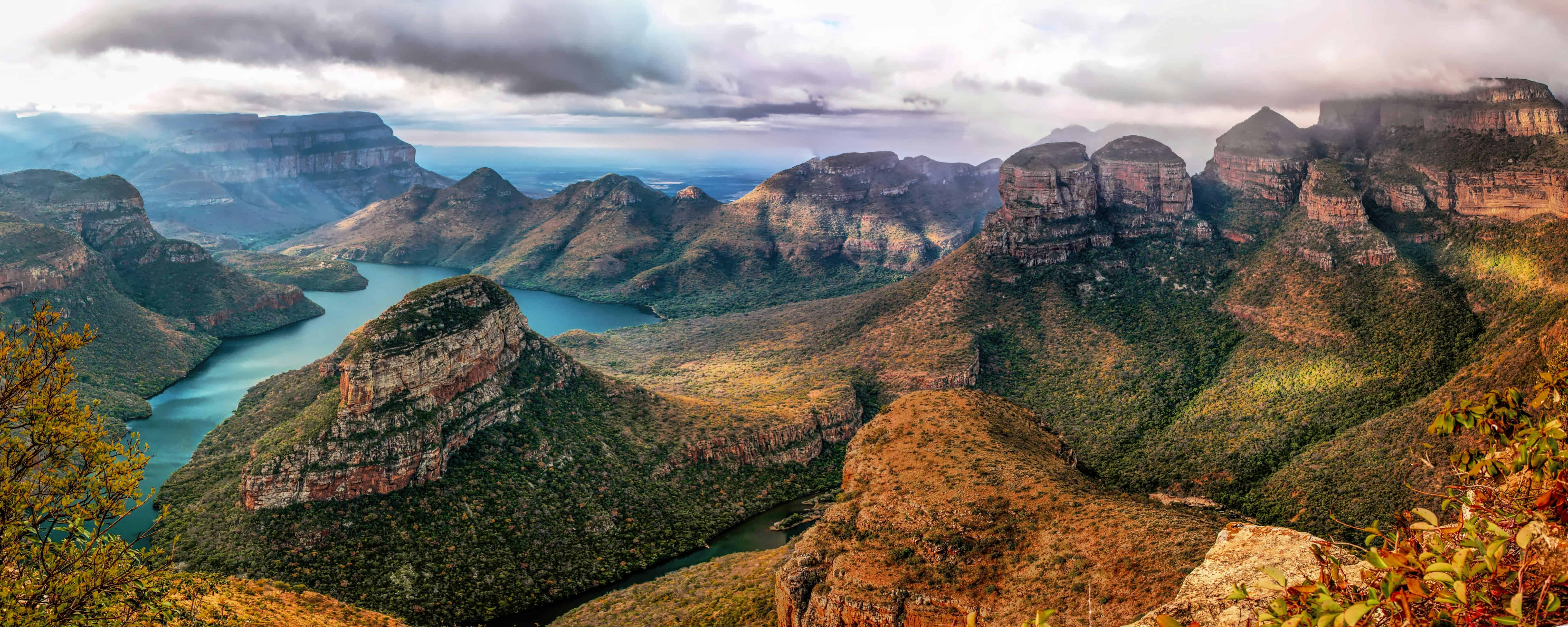
The Eastern Cape is blessed with stunning landscapes, from rugged mountains to pristine coastlines. The region's natural beauty is complemented by its rich biodiversity, making it a paradise for nature lovers and adventure seekers.
Addo Elephant National Park: A Wildlife Sanctuary
Addo Elephant National Park is one of South Africa's most famous wildlife reserves, located just outside Port Elizabeth. The park is home to over 600 elephants, as well as lions, buffalo, and a variety of antelope species. Visitors can embark on guided game drives or self-drive safaris to witness these magnificent animals in their natural habitat. The park also offers walking trails and birdwatching opportunities, making it a perfect destination for outdoor enthusiasts.
The Wild Coast: A Hidden Gem
The Wild Coast is a breathtaking stretch of coastline that remains relatively untouched by commercial development. With its rugged cliffs, sandy beaches, and rolling hills, this area is ideal for hiking, fishing, and exploring hidden coves. The region is also home to several traditional Xhosa villages, where visitors can experience the local way of life.
One of the highlights of the Wild Coast is the Hole in the Wall, a natural rock formation that has become a symbol of the area. The nearby town of Coffee Bay offers a laid-back atmosphere, with opportunities for surfing, hiking, and enjoying the stunning sunsets over the ocean.
Culinary Delights of the Eastern Cape
No exploration of the Eastern Cape would be complete without indulging in its culinary offerings. The region boasts a diverse food scene that reflects its cultural heritage, with influences from Xhosa, Afrikaans, and English cuisines.
Traditional Xhosa Cuisine
Xhosa cuisine is characterized by its use of locally sourced ingredients and traditional cooking methods. Dishes such as umngqusho (a dish made from samp and beans), braai (barbecue), and potjiekos (a slow-cooked stew) are staples of Xhosa gatherings. Visitors can experience traditional meals by dining with local families or participating in cooking classes that teach the art of preparing Xhosa dishes.
The Influence of Afrikaans and English Cuisine
The Eastern Cape is also home to a rich Afrikaans and English culinary tradition. Visitors can enjoy hearty meals at local restaurants, featuring dishes like bobotie (a spiced meat dish topped with egg custard) and melktert (a milk tart). The region is known for its excellent seafood, particularly in coastal towns like Port Elizabeth and East London, where fresh catches are served in many restaurants.
Adventure Activities in the Eastern Cape
For those seeking adventure, the Eastern Cape offers a plethora of outdoor activities that cater to all levels of thrill-seekers.
Hiking and Biking Trails
The Eastern Cape is home to numerous hiking and biking trails that showcase its stunning landscapes. The Tsitsikamma National Park, part of the Garden Route National Park, offers a range of trails that wind through lush forests and along the rugged coastline. The Otter Trail, one of South Africa's most famous hiking trails, takes you on a five-day journey through pristine wilderness, with breathtaking views of the Indian Ocean.
Water Sports and Coastal Adventures
The region's coastline is perfect for water sports enthusiasts. From surfing at Jeffrey's Bay, known for its world-class waves, to kayaking in the tranquil lagoons of the Wild Coast, there is no shortage of aquatic adventures. Scuba diving and snorkeling opportunities abound in places like Port Elizabeth, where divers can explore vibrant reefs and shipwrecks.
Tips for Traveling in the Eastern Cape
Traveling in the Eastern Cape can be a rewarding experience, but it's essential to be prepared. Here are some tips to make the most of your journey:
Best Time to Visit
The Eastern Cape has a temperate climate, making it a year-round destination. However, the best time to visit is during the spring (September to November) and autumn (March to May) months when the weather is mild, and the landscapes are vibrant.
Getting Around
While major towns and cities are accessible by public transport, renting a car is recommended for exploring the more remote areas of the Eastern Cape. This allows you the flexibility to discover hidden gems at your own pace.
Safety Precautions
As with any travel destination, it's essential to stay aware of your surroundings and take standard safety precautions. Avoid displaying valuables in public, and be cautious when traveling alone at night.
Conclusion: Embracing the Heritage of the Eastern Cape
The Eastern Cape is a region that captivates the heart and soul of every traveler. Its rich heritage, vibrant culture, and stunning landscapes offer an unforgettable experience that goes beyond mere sightseeing. Whether you're exploring historical sites, indulging in local cuisine, or embarking on outdoor adventures, the Eastern Cape invites you to immerse yourself in its stories and traditions. As you journey through this remarkable province, you'll not only discover its beauty but also connect with the spirit of its people and their enduring legacy. So pack your bags and set out on an adventure to explore the rich heritage of the Eastern Cape—an experience that promises to leave you with memories to cherish for a lifetime.