
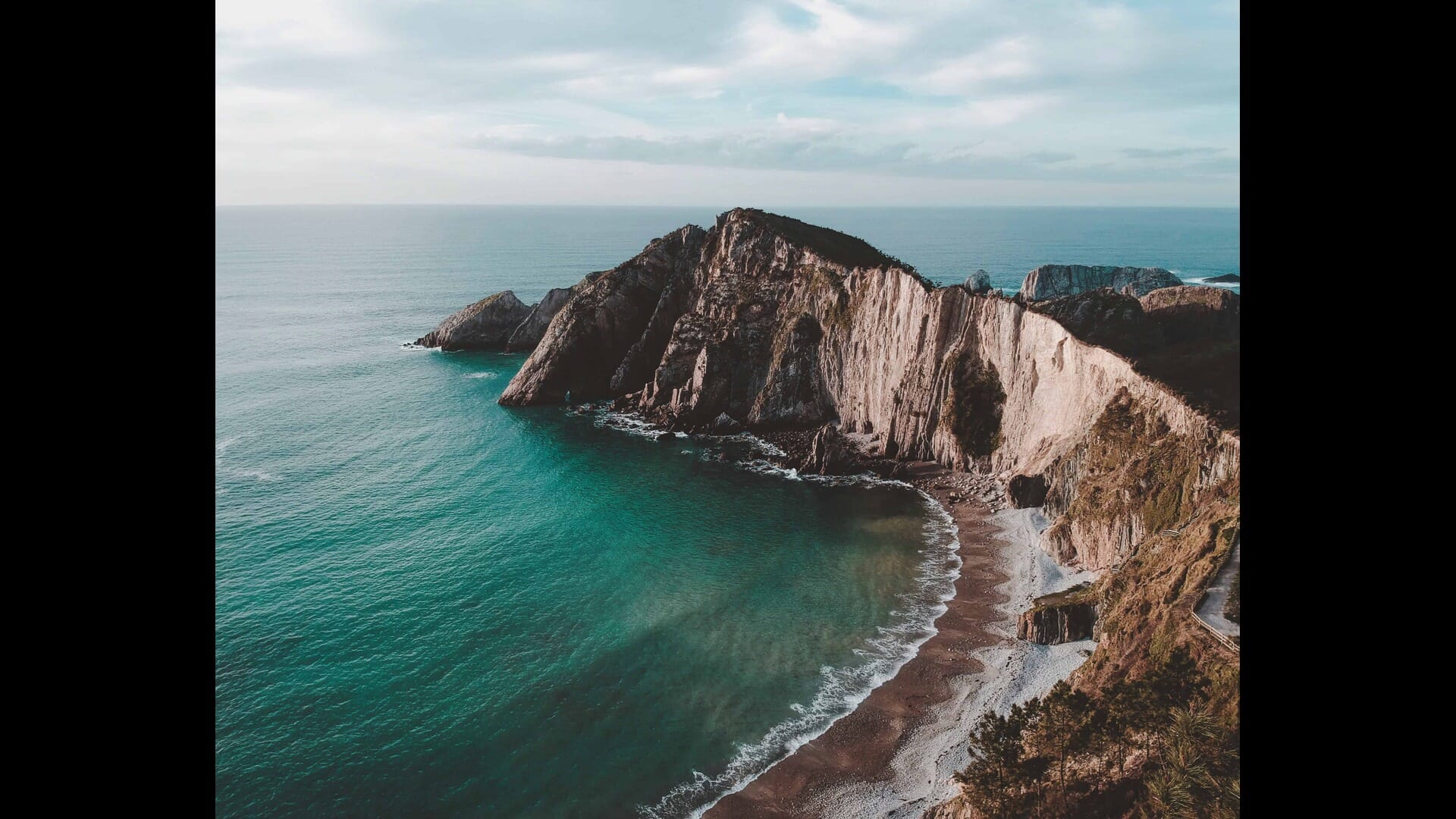
Exploring the Rich Heritage of Catalonia
Exploring the Rich Heritage of Catalonia
Catalonia, a region in northeastern Spain, is a land steeped in history, culture, and vibrant traditions. From the bustling streets of Barcelona to the serene landscapes of the Pyrenees, Catalonia offers a rich tapestry of experiences that reflect its unique heritage. In this article, we will embark on a journey to explore the multifaceted heritage of Catalonia, delving into its history, architecture, traditions, and culinary delights.
The Historical Tapestry of Catalonia
Catalonia's history is a complex narrative woven from various influences, including Roman, Visigoth, Moorish, and Christian cultures. This rich historical backdrop has shaped the region's identity and contributed to its diverse heritage.
The Roman Influence on Catalonia
The roots of Catalonia can be traced back to Roman times when it was known as Hispania. The Romans established several cities, including Tarragona and Barcelona, which became vital centers of trade and culture. The remnants of Roman architecture, such as the amphitheater in Tarragona and the Temple of Augustus in Barcelona, serve as a testament to this era.
The Middle Ages: A Time of Transformation
The Middle Ages marked a significant period in Catalonia's history, characterized by the rise of feudalism and the establishment of the Catalan County. The region became a powerful maritime force, with its own language and customs. The Gothic architecture of the period, exemplified by the stunning Barcelona Cathedral, reflects the artistic achievements of this time.
The Catalan Renaissance
The 19th century saw a cultural revival known as the Renaixença, which aimed to reclaim Catalonia's language and identity. This movement gave rise to notable literary figures such as Jacint Verdaguer and Joan Maragall, who celebrated Catalonia's heritage through their works. The influence of this renaissance can still be felt today in the region's arts and literature.
Architectural Marvels: A Journey Through Time
Catalonia is home to a plethora of architectural styles that narrate the story of its heritage. From Roman ruins to modernist masterpieces, the region's architecture is a reflection of its historical evolution.
The Romanesque Churches of Catalonia
One of the most remarkable aspects of Catalonia's architectural heritage is its Romanesque churches. These structures, characterized by their sturdy stone walls and rounded arches, can be found scattered throughout the countryside. The churches of the Vall de Boí, a UNESCO World Heritage site, are particularly noteworthy for their stunning frescoes and unique designs.
The Gothic Splendor of Barcelona
Barcelona's Gothic Quarter, known as Barri Gòtic, is a labyrinth of narrow streets and medieval buildings that transport visitors back in time. The Barcelona Cathedral, with its soaring spires and intricate façade, is a highlight of this area. The nearby Plaça del Rei, once the seat of the Catalan monarchy, adds to the historical ambiance of the Gothic Quarter.
Antoni Gaudí: The Master of Modernisme
No exploration of Catalonia's architecture would be complete without mentioning Antoni Gaudí, the visionary architect whose works have become synonymous with the region. His masterpieces, such as the Sagrada Família and Park Güell, showcase a unique blend of natural forms and vibrant colors. Gaudí's innovative approach to design has left an indelible mark on Catalonia's architectural landscape.
The Vibrant Culture of Catalonia
Catalonia's culture is a rich mosaic of traditions, festivals, and artistic expressions that reflect the region's identity. From its language to its music, the cultural heritage of Catalonia is a source of pride for its people.
The Catalan Language: A Symbol of Identity
Catalonia has its own language, Catalan, which is a vital part of its cultural heritage. The language has evolved over centuries and is spoken by millions of people in the region. Efforts to promote and preserve Catalan have been instrumental in fostering a sense of identity among its speakers.
Traditional Festivals: Celebrating Heritage
Catalonia is renowned for its vibrant festivals that celebrate its traditions and customs. One of the most famous is La Mercè, held in Barcelona in September, which features parades, fireworks, and traditional Catalan dances. Another significant festival is Sant Jordi's Day, celebrated on April 23rd, where the streets are adorned with roses and books, symbolizing love and culture.
The Richness of Catalan Cuisine
Catalan cuisine is a delightful fusion of flavors and ingredients that reflect the region's agricultural bounty and maritime heritage. Traditional dishes such as pa amb tomàquet (bread with tomato), escalivada (roasted vegetables), and crema catalana (a custard dessert) showcase the simplicity and richness of Catalan cooking. The region is also known for its excellent wines, particularly those from the Priorat and Penedès regions.
The Artistic Legacy of Catalonia
Art has played a significant role in shaping Catalonia's heritage, with numerous artists contributing to its cultural landscape. From painting to sculpture, the artistic expressions of Catalonia are diverse and captivating.
The Influence of Salvador Dalí
One of the most iconic figures in Catalan art is Salvador Dalí, a surrealist painter known for his eccentric style and imaginative works. His museum in Figueres, the Dalí Theatre-Museum, is a must-visit for art enthusiasts, showcasing a vast collection of his paintings, sculptures, and installations.
The Modernist Movement
The Modernist movement in Catalonia, which flourished in the late 19th and early 20th centuries, produced a wealth of artistic talent. Artists such as Joan Miró and Pablo Picasso, who spent significant time in Barcelona, left a lasting impact on the art world. The influence of Modernisme can be seen in the vibrant colors and organic forms of Gaudí's architecture, as well as in the works of other contemporary artists.
Natural Landscapes: A Heritage of Beauty
Catalonia's natural landscapes are an integral part of its heritage, offering breathtaking scenery and diverse ecosystems. From the rugged mountains of the Pyrenees to the tranquil beaches of the Costa Brava, the region's natural beauty is a treasure to explore.
The Pyrenees: A Natural Wonderland
The Pyrenees mountain range forms a natural border between Spain and France, offering stunning vistas and a wealth of outdoor activities. Hiking, skiing, and mountain biking are just a few of the ways to experience the beauty of this region. The Aigüestortes i Estany de Sant Maurici National Park, with its glacial lakes and diverse flora and fauna, is a highlight for nature lovers.
The Costa Brava: A Coastal Paradise
The Costa Brava, with its rugged coastline and crystal-clear waters, is a popular destination for sun-seekers and adventure enthusiasts alike. Charming fishing villages such as Cadaqués and Tossa de Mar provide a glimpse into traditional Catalan life, while the Mediterranean beaches offer opportunities for relaxation and water sports.
The Role of Religion in Catalonia's Heritage
Religion has played a significant role in shaping Catalonia's cultural heritage, influencing its architecture, festivals, and traditions. The region is home to numerous churches, monasteries, and pilgrimage sites that reflect its spiritual history.
The Monastery of Montserrat
The Monastery of Montserrat, perched high in the mountains, is one of Catalonia's most important religious sites. It is home to the revered Black Madonna, a statue that attracts pilgrims from around the world. The stunning views from Montserrat and the serene atmosphere make it a must-visit destination for those seeking spiritual solace.
The Influence of Catholicism on Festivals
Many of Catalonia's festivals have religious roots, reflecting the deep connection between faith and culture. The celebration of Corpus Christi, for example, features elaborate floral carpets and processions, showcasing the region's artistic talents and devotion.
Preserving Catalonia's Heritage for Future Generations
As Catalonia continues to evolve, efforts to preserve its rich heritage are more important than ever. Various organizations and initiatives are dedicated to safeguarding the region's cultural assets, ensuring that future generations can appreciate and celebrate their heritage.
The Role of Education in Heritage Preservation
Education plays a crucial role in fostering an appreciation for Catalonia's heritage. Schools and cultural institutions offer programs that teach students about their history, language, and traditions, instilling a sense of pride in their identity.
Community Involvement in Heritage Projects
Community involvement is essential for the preservation of Catalonia's heritage. Local organizations and volunteers work tirelessly to restore historical sites, promote traditional crafts, and organize cultural events that celebrate the region's identity.
Conclusion: A Journey Worth Taking
Exploring the rich heritage of Catalonia is a journey that promises to be both enlightening and inspiring. From its historical landmarks and architectural marvels to its vibrant culture and stunning landscapes, Catalonia offers a wealth of experiences that reflect its unique identity. As you traverse this remarkable region, you will not only discover its past but also gain a deeper appreciation for the traditions and values that continue to shape its future. Whether you're savoring the flavors of Catalan cuisine, wandering through medieval streets, or marveling at the beauty of its natural landscapes, Catalonia invites you to immerse yourself in its rich heritage and create lasting memories.
In conclusion, Catalonia is more than just a destination; it is a living testament to the resilience and creativity of its people. As you explore its heritage, you become part of a story that has been unfolding for centuries, a story that is still being written today.