
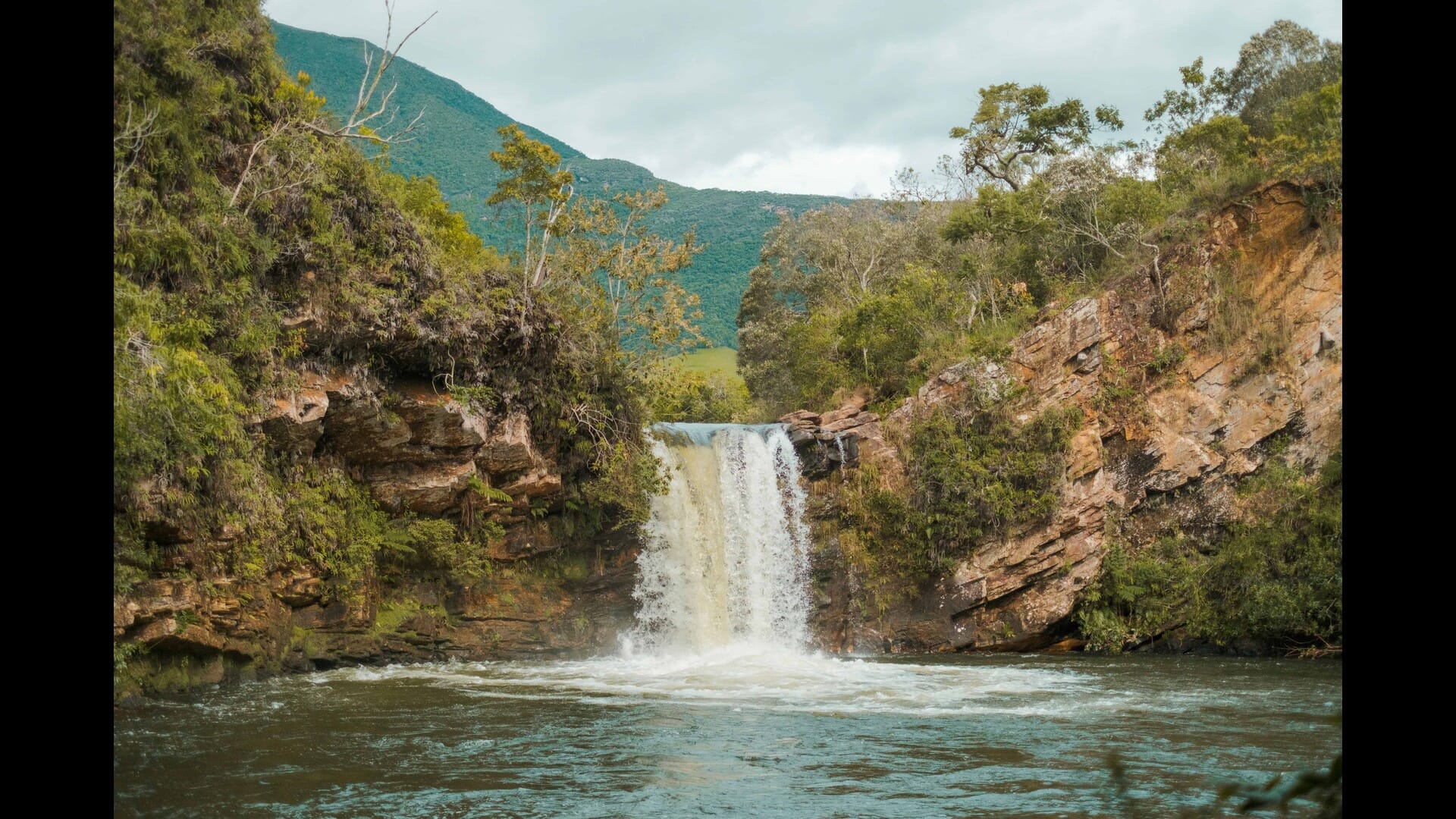
Exploring the Natural Wonders of the Serra da Canastra
Exploring the Natural Wonders of the Serra da Canastra
Serra da Canastra National Park, located in the heart of Brazil, is a breathtaking natural wonder that beckons adventurers, nature lovers, and anyone seeking a respite from the hustle and bustle of urban life. Spanning over 200,000 acres, this park is a treasure trove of stunning landscapes, diverse ecosystems, and rich biodiversity.
From its majestic waterfalls to its rolling hills and unique wildlife, Serra da Canastra offers an unparalleled experience for those willing to explore its depths. In this article, we will delve into the many facets of this remarkable destination, providing you with a comprehensive guide to exploring the natural wonders of Serra da Canastra.
The History and Significance of Serra da Canastra National Park
Serra da Canastra was established as a national park in 1972, primarily to protect the headwaters of the São Francisco River, one of Brazil's most important waterways. The park is named after the Serra da Canastra mountain range, which translates to "Basket Mountain" in Portuguese, due to the unique shape of the peaks. The region is not only vital for its water resources but also serves as a habitat for numerous species of flora and fauna, some of which are endemic to the area.
The park's history is deeply intertwined with the local communities, including the traditional farmers and indigenous peoples who have lived in harmony with the land for generations. Their knowledge and respect for the environment have played a crucial role in preserving the park's natural beauty and ecological balance. Today, Serra da Canastra is recognized as a UNESCO Biosphere Reserve, highlighting its global significance in terms of biodiversity and conservation.
Getting to Serra da Canastra: A Traveler's Guide
How to Reach Serra da Canastra National Park
Reaching Serra da Canastra is an adventure in itself. The nearest major city is Belo Horizonte, which is approximately 250 kilometers (155 miles) away. From Belo Horizonte, travelers can rent a car or take a bus to the town of São Roque de Minas, the gateway to the national park. The drive offers stunning views of the Brazilian countryside, with rolling hills and picturesque landscapes.
For those who prefer a more direct route, there are small regional airports in the vicinity, such as the one in Passos, which is about 80 kilometers (50 miles) from the park. However, renting a car is highly recommended, as it allows for greater flexibility in exploring the park's many attractions.
Best Time to Visit Serra da Canastra
The best time to visit Serra da Canastra is during the dry season, which typically runs from May to September. During these months, the weather is cooler and less humid, making it ideal for hiking and outdoor activities. The dry season also offers clearer skies, providing excellent opportunities for photography and wildlife spotting.
However, visiting during the wet season (October to April) has its perks as well. The landscape comes alive with vibrant greenery, and the waterfalls are at their most spectacular. Just be prepared for occasional rain showers and muddy trails.
The Breathtaking Landscapes of Serra da Canastra
Iconic Waterfalls of Serra da Canastra
One of the most alluring features of Serra da Canastra is its stunning waterfalls. Each waterfall has its own unique charm, and they are often surrounded by lush vegetation and dramatic rock formations. Here are some of the must-visit waterfalls in the park:
Casca d'Anta Waterfall
Casca d'Anta is the largest waterfall in Serra da Canastra, plunging 186 meters (610 feet) into a beautiful natural pool. The waterfall is easily accessible from the park's entrance, making it a popular spot for visitors. The sound of the cascading water and the mist that rises from the pool create a magical atmosphere, perfect for a refreshing swim on a hot day.
Véu da Noiva Waterfall
Véu da Noiva, or "Bride's Veil," is another stunning waterfall that captivates visitors with its delicate, veil-like appearance. The waterfall is located in a more secluded area of the park, requiring a short hike to reach. The journey is well worth it, as the views along the way are simply breathtaking.
Salto do Rio das Pedras
This lesser-known waterfall is a hidden gem within the park. Tucked away in a tranquil setting, Salto do Rio das Pedras offers a serene escape from the more crowded attractions. The waterfall cascades over smooth rocks, creating a picturesque scene that is perfect for a peaceful picnic.
Unique Geological Formations
Serra da Canastra is not only known for its waterfalls but also for its unique geological formations. The park is home to impressive rock formations, including granite cliffs and ancient sedimentary layers. These formations tell the story of the Earth's geological history and provide a stunning backdrop for outdoor activities.
The Canastra Plateau
The Canastra Plateau is a high-altitude region within the park, characterized by its rolling hills and expansive grasslands. This area is perfect for hiking and offers panoramic views of the surrounding landscapes. As you trek through the plateau, keep an eye out for the unique flora and fauna that thrive in this environment.
The Chapada da Canastra
The Chapada da Canastra is a dramatic escarpment that rises steeply from the surrounding plains. This area is known for its breathtaking views, especially at sunrise and sunset. The contrasting colors of the sky and the rugged terrain create a mesmerizing spectacle that is not to be missed.
Flora and Fauna: The Biodiversity of Serra da Canastra
Unique Plant Species
Serra da Canastra is home to a diverse range of plant species, many of which are endemic to the region. The park's varied ecosystems, from grasslands to forests, provide habitats for a wide array of flora. Some notable plant species include:
- Candeia (Eremanthus incanus): A tree native to the region, known for its aromatic wood and medicinal properties.
- Cactaceae Family: Various species of cacti thrive in the arid regions of the park, showcasing their resilience and adaptability.
- Orchids: The park is home to numerous orchid species, which bloom in vibrant colors, adding to the park's beauty.
Wildlife Spotting in Serra da Canastra
The wildlife in Serra da Canastra is as diverse as its plant life. The park is home to several endangered species, making it a vital area for conservation efforts. Here are some of the remarkable animals you may encounter during your visit:
The Maned Wolf
The maned wolf is one of the most iconic species found in Serra da Canastra. With its long legs and distinctive mane, this elusive creature is a sight to behold. While they are primarily nocturnal, early morning and late afternoon are the best times to spot them.
The Giant Anteater
Another unique inhabitant of the park is the giant anteater. Known for its long snout and impressive claws, this fascinating animal can often be seen foraging for ants and termites in the grasslands. Keep your distance and observe quietly to avoid disturbing them.
Various Bird Species
Birdwatchers will be delighted by the variety of bird species that call Serra da Canastra home. From colorful toucans to majestic hawks, the park is a paradise for bird enthusiasts. Don't forget to bring your binoculars and a field guide to enhance your birdwatching experience.
Adventure Activities in Serra da Canastra
Hiking Trails for Every Skill Level
Serra da Canastra offers a range of hiking trails that cater to different skill levels, from leisurely walks to challenging treks. Here are some popular trails to consider:
The Trilha do Cerrado
This easy trail takes you through the park's unique cerrado ecosystem, characterized by its savanna-like vegetation. The trail is well-marked and suitable for families, making it a great option for those with young children.
The Trilha do Casca d'Anta
For those seeking a more challenging hike, the Trilha do Casca d'Anta leads you to the stunning Casca d'Anta Waterfall. The trail is steep in sections, but the reward at the end is well worth the effort. Be sure to bring plenty of water and snacks for the journey.
The Trilha do Chapadão
This advanced trail takes you to the top of the Chapada da Canastra, where you'll be rewarded with breathtaking views of the surrounding landscapes. The hike is strenuous, but the sense of accomplishment and the stunning vistas make it a memorable experience.
Birdwatching and Wildlife Tours
For those interested in wildlife, guided tours are available that focus on birdwatching and wildlife spotting. Experienced guides can help you locate elusive species and provide valuable insights into the park's ecosystems. These tours are a fantastic way to deepen your understanding of the area's biodiversity.
Photography Opportunities
Serra da Canastra is a photographer's dream, with its stunning landscapes, vibrant wildlife, and dramatic lighting. Whether you're a professional photographer or an amateur with a smartphone, you'll find countless opportunities to capture the beauty of the park. Sunrise and sunset are particularly magical times for photography, as the golden light bathes the landscape in warmth.
Cultural Experiences in Serra da Canastra
Local Communities and Traditions
The communities surrounding Serra da Canastra are rich in culture and tradition. Engaging with the locals can provide a deeper understanding of the region's history and way of life. Many families still practice traditional farming methods, and you may have the opportunity to taste local delicacies made from fresh, organic ingredients.
Cheese Production in the Region
One of the highlights of the Serra da Canastra region is its famous cheese, known as "Queijo Canastra." This artisanal cheese is made from the milk of local cows and is renowned for its unique flavor and texture. Visiting a local cheese farm to witness the production process and sample the cheese is a must-do experience.
Festivals and Events
Throughout the year, various festivals and events take place in the towns surrounding Serra da Canastra. These celebrations often feature traditional music, dance, and local cuisine, providing visitors with a taste of the region's vibrant culture. Check local calendars to see if any events coincide with your visit.
Practical Tips for Visiting Serra da Canastra
What to Pack for Your Adventure
When visiting Serra da Canastra, it's essential to pack appropriately for the diverse activities and changing weather conditions. Here are some items to include in your packing list:
- Hiking Boots: Sturdy footwear is a must for exploring the park's trails.
- Water Bottle: Staying hydrated is crucial, especially during outdoor activities.
- Sunscreen and Insect Repellent: Protect your skin from the sun and pesky insects.
- Camera: Capture the stunning landscapes and wildlife.
- Binoculars: Enhance your birdwatching experience.
Safety Considerations
While Serra da Canastra is generally safe for visitors, it's essential to take some precautions:
- Stay on Marked Trails: To protect the environment and ensure your safety, stick to designated trails.
- Be Aware of Wildlife: Observe animals from a distance and avoid approaching them.
- Check Weather Conditions: Be prepared for sudden weather changes, especially in the wet season.
Conclusion: Embrace the Beauty of Serra da Canastra
Serra da Canastra National Park is a true gem of Brazil, offering a wealth of natural wonders, adventure, and cultural experiences. Whether you're hiking to breathtaking waterfalls, spotting unique wildlife, or immersing yourself in the local culture, this park has something for everyone. As you explore its diverse landscapes and rich biodiversity, you'll come to appreciate the beauty and significance of this remarkable destination. So pack your bags, grab your camera, and get ready to embark on an unforgettable journey through the natural wonders of Serra da Canastra!