
Exploring the Natural Wonders of Picos de Europa
Exploring the Natural Wonders of Picos de Europa
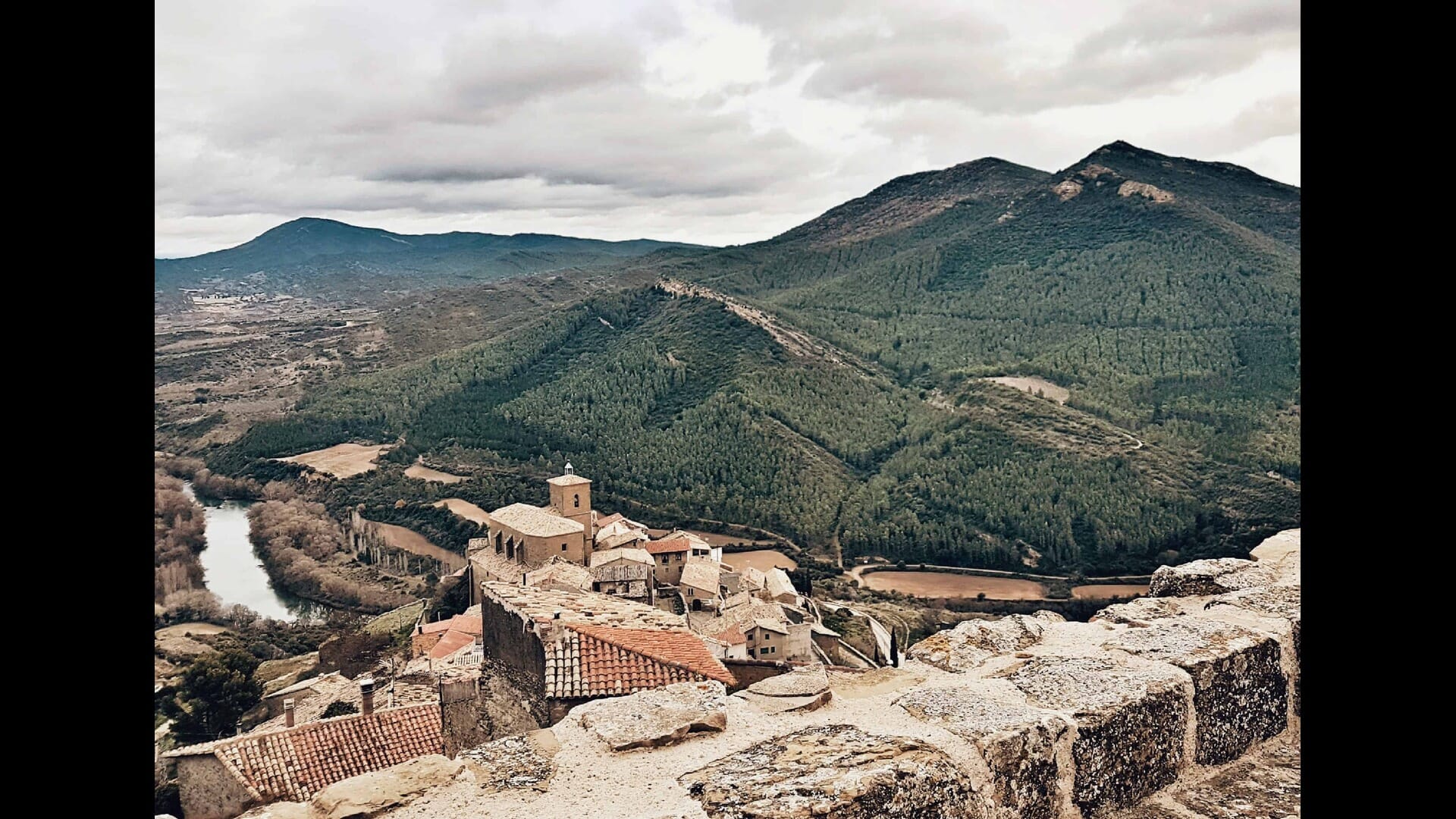
The Picos de Europa, a breathtaking mountain range located in northern Spain, is a treasure trove of natural beauty, rich biodiversity, and cultural heritage. This stunning region, which is part of the larger Cantabrian Mountains, is characterized by its dramatic peaks, lush valleys, and deep gorges.
As one of Spain's most cherished national parks, the Picos de Europa offers a myriad of outdoor adventures, making it a paradise for nature lovers, hikers, and anyone seeking an escape into the wild.
In this comprehensive travel guide, we will delve deep into the natural wonders of Picos de Europa, exploring its majestic landscapes, diverse ecosystems, and the vibrant local culture that thrives in this remarkable region. Whether you're planning a hiking trip, a family vacation, or simply looking to immerse yourself in nature, this article will provide you with all the information you need to make the most of your journey.
1. An Introduction to Picos de Europa National Park
Understanding the Geography and Formation
The Picos de Europa National Park spans three provinces: Asturias, Cantabria, and León. It covers an area of approximately 646 square kilometers and boasts some of the highest peaks in Spain, including the iconic Torre de Cerredo, which rises to 2,648 meters. The park is renowned for its limestone formations, which have been shaped over millions of years by glacial activity and erosion, resulting in dramatic cliffs, deep gorges, and unique karst landscapes.
A Brief History of the Region
The history of Picos de Europa is as rich as its landscapes. The region has been inhabited since prehistoric times, with evidence of human presence dating back to the Paleolithic era. The area has seen the rise and fall of various civilizations, including the Romans, who recognized the strategic importance of the mountains. Today, the Picos de Europa is not only a natural wonder but also a cultural heritage site, with traditional villages and ancient customs that reflect the region's storied past.
2. The Biodiversity of Picos de Europa
Flora and Fauna: A Rich Tapestry of Life
The Picos de Europa is home to a diverse range of flora and fauna, making it one of the most biodiverse regions in Spain. The park's varied ecosystems range from lush forests and alpine meadows to rocky outcrops and deep ravines. This diversity creates a habitat for numerous species, including some that are endemic to the region.
Unique Plant Species
Among the notable plant species found in the Picos de Europa are the endemic Euphorbia picosensis, a type of spurge, and the Picos de Europa lily. The park's forests are primarily composed of beech, fir, and oak trees, providing a lush canopy that supports a rich understory of ferns and wildflowers.
Wildlife Encounters
The Picos de Europa is also home to a variety of wildlife, including the elusive Iberian wolf, chamois, and brown bear. Birdwatchers will delight in the opportunity to spot species such as the golden eagle, griffon vulture, and the rare capercaillie. The park's diverse habitats provide ample opportunities for wildlife observation, making it a must-visit destination for nature enthusiasts.
3. Best Hiking Trails in Picos de Europa
Discovering the Trails: A Hiker's Paradise
With over 1,000 kilometers of marked trails, the Picos de Europa offers hiking opportunities for all skill levels. From leisurely walks to challenging treks, there is something for everyone in this stunning landscape.
The Cares Route: A Scenic Marvel
One of the most popular hiking trails in the Picos de Europa is the Cares Route, which stretches for 12 kilometers between the villages of Poncebos and Cangas de Onís. This breathtaking trail follows the Cares River through a narrow gorge, flanked by towering cliffs and lush vegetation. Hikers will be rewarded with stunning views and the sound of rushing water, making it a memorable experience.
The Ruta del Cares: A Challenging Adventure
For those seeking a more challenging hike, the Ruta del Cares offers a thrilling adventure. This trail takes you through rugged terrain and steep ascents, leading to the Torre de Cerredo. Along the way, hikers will encounter breathtaking vistas and unique geological formations, making it a rewarding challenge for experienced trekkers.
Family-Friendly Trails
If you're traveling with family, there are several easy and accessible trails suitable for children. The Senda del Oso is a gentle walk that takes you through picturesque landscapes, perfect for a leisurely family outing. This trail features educational signage about the local flora and fauna, making it an engaging experience for young explorers.
4. Hidden Gems: Off the Beaten Path in Picos de Europa
Discovering Lesser-Known Trails
While the popular trails are undoubtedly stunning, the Picos de Europa is also home to many hidden gems waiting to be discovered. Exploring these lesser-known paths can provide a more intimate experience with nature and a chance to escape the crowds.
The Vega de Urriellu
The Vega de Urriellu, located at the base of the iconic Naranjo de Bulnes, is a breathtaking alpine meadow that offers stunning views of the surrounding peaks. This area is less frequented by tourists, making it an ideal spot for a peaceful picnic or a quiet moment of reflection amidst nature.
The Enol Lakes
Another hidden gem is the Enol Lakes, a pair of glacial lakes nestled in the mountains. The area is accessible by car, making it a great spot for families or those looking for a more relaxed outing. The lakes are surrounded by lush greenery and offer stunning reflections of the peaks above, creating a picturesque setting for photography.
5. Local Culture and Traditions in Picos de Europa
Embracing the Heritage of the Region
The Picos de Europa is not only a natural wonder but also a region rich in culture and tradition. The local communities have preserved their heritage through centuries, and visitors have the opportunity to experience the unique customs and way of life of the people who call this region home.
Traditional Villages
The charming villages scattered throughout the Picos de Europa, such as Cangas de Onís, Potes, and Covadonga, offer a glimpse into the region's history and culture. Visitors can wander through cobblestone streets, admire traditional stone houses, and enjoy local cuisine in family-run restaurants.
Gastronomy: A Taste of the Mountains
The culinary scene in Picos de Europa is a delightful reflection of its natural bounty. Local specialties include cocido lebaniego, a hearty stew made with meats and vegetables, and queso de Cabrales, a famous blue cheese produced in the region. Don't miss the opportunity to sample these dishes in local eateries, where you can savor the flavors of the mountains.
6. Wildlife Watching in Picos de Europa
A Nature Lover's Dream
For wildlife enthusiasts, the Picos de Europa offers unparalleled opportunities for observation. The park's diverse ecosystems are home to a variety of species, making it a prime location for wildlife watching.
Best Times for Wildlife Observation
The best time for wildlife watching in the Picos de Europa is during the early morning or late afternoon when animals are most active. Spring and early summer are particularly rewarding, as many species are more visible during their mating season.
Guided Tours and Experiences
Consider joining a guided wildlife tour to enhance your experience. Local guides are knowledgeable about the region's ecosystems and can help you spot elusive species while providing insights into their behaviors and habitats.
7. Adventure Activities Beyond Hiking
Thrilling Experiences in Picos de Europa
While hiking is a highlight of any trip to the Picos de Europa, the region offers a plethora of other adventure activities for thrill-seekers.
Rock Climbing in the Picos de Europa
The rugged limestone cliffs of the Picos de Europa are a rock climber's paradise. With numerous routes ranging from beginner to expert levels, climbers can challenge themselves while enjoying breathtaking views. Local climbing schools offer guided experiences for those new to the sport.
Caving Adventures
The park is also home to fascinating caves, such as the Cueva del Soplao, known for its stunning mineral formations. Guided caving tours allow visitors to explore the underground wonders of the region, providing a unique perspective on its geological history.
8. Planning Your Trip to Picos de Europa
Best Time to Visit
The best time to visit the Picos de Europa depends on your interests. Spring and summer (April to September) offer mild weather and lush landscapes, making it ideal for hiking and outdoor activities. Autumn (October to November) brings stunning fall foliage, while winter (December to March) transforms the region into a winter wonderland, perfect for snow sports.
Getting There and Getting Around
The Picos de Europa is accessible by car, with several major roads leading to the park. The nearest airports are in Santander and Oviedo, making it easy to reach the region from other parts of Spain. Once in the park, a network of roads and trails allows for easy exploration.
Accommodation Options
From charming guesthouses and rustic cabins to luxury hotels, there are various accommodation options in and around the Picos de Europa. Consider staying in a traditional village for an authentic experience, or opt for a mountain lodge for stunning views and easy access to hiking trails.
9. Essential Tips for Visiting Picos de Europa
Preparing for Your Adventure
Before embarking on your journey to the Picos de Europa, it's essential to prepare adequately. Here are some tips to ensure a safe and enjoyable experience:
- Pack Accordingly: Dress in layers and bring waterproof gear, as weather conditions can change rapidly in the mountains.
- Stay Hydrated: Carry plenty of water, especially during hikes, to stay hydrated in the warmer months.
- Respect Nature: Follow Leave No Trace principles to preserve the park's natural beauty for future generations.
Local Etiquette and Customs
Familiarize yourself with local customs and etiquette to enhance your experience. The people of the Picos de Europa are known for their hospitality, and a simple greeting in Spanish can go a long way in connecting with locals.
10. Conclusion: Embracing the Wonders of Picos de Europa
A Journey to Remember
Exploring the natural wonders of Picos de Europa is an unforgettable experience that promises adventure, beauty, and a deep connection with nature. From its majestic peaks and diverse ecosystems to its rich cultural heritage, this region has something for everyone. Whether you're hiking along scenic trails, savoring local cuisine, or simply soaking in the breathtaking views, the Picos de Europa will leave an indelible mark on your heart. So pack your bags, lace up your hiking boots, and embark on a journey to discover the magic of this remarkable destination.