
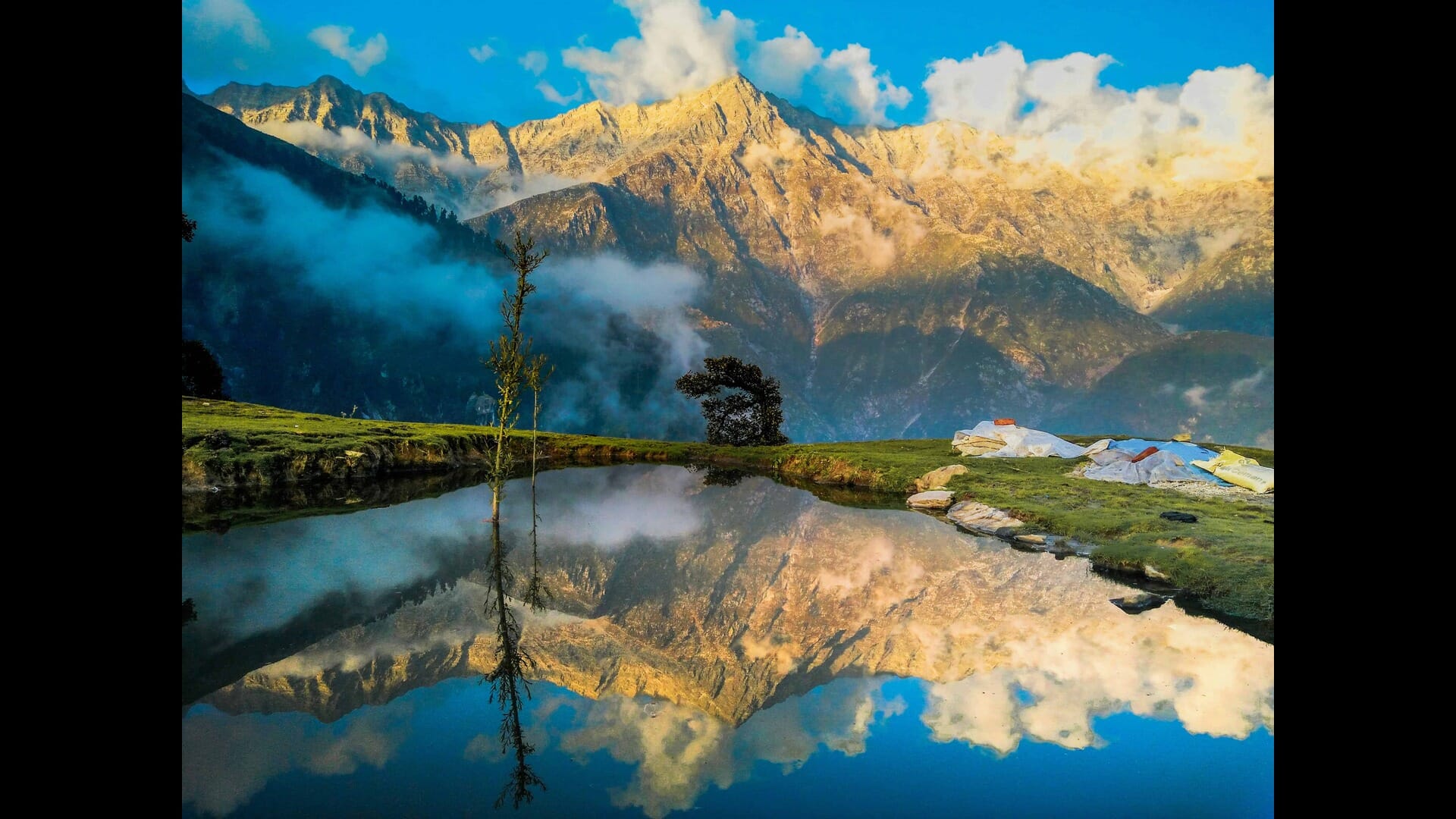
Exploring the Mystical Landscapes of Spiti Valley: A Journey Through Time and Nature
Exploring the Mystical Landscapes of Spiti Valley: A Journey Through Time and Nature
Spiti Valley, nestled in the heart of the Indian Himalayas, is a realm where nature's artistry meets the echoes of ancient civilizations. This remote valley, often referred to as the 'Middle Land,' is a treasure trove of breathtaking landscapes, rich cultural heritage, and spiritual tranquility.
From towering snow-capped mountains to serene monasteries perched on cliffs, Spiti Valley offers an enchanting escape for adventurers, photographers, and spiritual seekers alike. In this comprehensive travel guide, we will delve into the mystical landscapes of Spiti Valley, exploring its hidden gems, cultural richness, and practical travel tips.
The Allure of Spiti Valley: Why You Should Visit
Spiti Valley is not just a destination; it is an experience that transcends the ordinary. The valley's rugged terrain, dotted with quaint villages and ancient monasteries, offers a unique blend of adventure and serenity. Here are a few compelling reasons to visit this mystical land:
Stunning Natural Beauty: Spiti Valley is renowned for its dramatic landscapes, including high-altitude deserts, lush green valleys, and crystal-clear rivers. The ever-changing hues of the mountains create a painter's palette that captivates every visitor.
Rich Cultural Heritage: The valley is home to a vibrant mix of Tibetan and Indian cultures. The local customs, festivals, and traditions provide a fascinating insight into the lives of the people who inhabit this remote region.
Adventure Awaits: For thrill-seekers, Spiti Valley offers a plethora of adventure activities, including trekking, mountain biking, and river rafting. The challenging terrains and pristine landscapes make it a paradise for outdoor enthusiasts.
Spiritual Retreat: With numerous monasteries and meditation centers, Spiti Valley is an ideal destination for those seeking spiritual growth and tranquility. The serene environment and the teachings of Buddhism provide a perfect backdrop for introspection.
Getting to Spiti Valley: Your Travel Options
Reaching Spiti Valley is an adventure in itself. The valley is accessible from various routes, each offering its unique charm and challenges. Here are the primary travel options:
By Road: The Scenic Journey
The most popular way to reach Spiti Valley is by road. The journey is filled with breathtaking views and thrilling twists and turns. Here are the main routes:
From Manali: The Manali to Spiti route is one of the most scenic drives in India. The journey takes you through the Rohtang Pass and Kunzum Pass, offering stunning views of the Himalayas. The distance is approximately 200 kilometers and takes around 10-12 hours.
From Shimla: The Shimla to Spiti route is another option, taking you through the picturesque Kinnaur Valley. This route is longer, approximately 400 kilometers, and takes about 12-14 hours, but it offers a different perspective of the region's beauty.
By Air: The Quickest Option
The nearest airport to Spiti Valley is in Kullu (Bhuntar Airport), which is about 250 kilometers away. From Kullu, you can hire a taxi or take a bus to reach Spiti Valley. However, flights to Kullu may be limited, and the road journey from there can be long.
By Train: The Scenic Rail Journey
While there is no direct train to Spiti Valley, you can take a train to Joginder Nagar or Kalka and then continue your journey by road. This option allows you to enjoy the scenic beauty of the Indian countryside.
Best Time to Visit Spiti Valley: Seasonal Insights
Choosing the right time to visit Spiti Valley is crucial for a memorable experience. The valley experiences extreme weather conditions, with heavy snowfall in winter and pleasant temperatures in summer. Here’s a breakdown of the seasons:
Summer (May to September)
Summer is the best time to visit Spiti Valley. The weather is pleasant, with temperatures ranging from 15°C to 25°C. The roads are accessible, and the landscapes are lush and vibrant. This is also the peak tourist season, so expect more crowds.
Monsoon (July to August)
The monsoon season brings heavy rainfall to the region, making some roads inaccessible. While the landscapes are beautiful, it is advisable to avoid visiting during this time due to the risk of landslides.
Autumn (September to October)
Autumn is another excellent time to visit Spiti Valley. The weather is still pleasant, and the landscapes are adorned with golden hues. The tourist crowds thin out, providing a more serene experience.
Winter (November to April)
Winter in Spiti Valley is harsh, with temperatures dropping below freezing. While the snow-covered landscapes are breathtaking, many roads become impassable, and accommodations may be limited. This season is ideal for those seeking solitude and a unique winter experience.
Must-Visit Places in Spiti Valley: A Traveler's Paradise
Spiti Valley is dotted with numerous attractions that showcase its natural beauty and cultural richness. Here are some must-visit places:
1. Kaza: The Heart of Spiti Valley
Kaza is the administrative capital of Spiti Valley and serves as a base for exploring the region. The town is surrounded by stunning landscapes and offers various accommodations and eateries. Don’t miss the Kaza Monastery, which provides panoramic views of the valley.
2. Key Monastery: A Spiritual Haven
Perched at an altitude of 4,166 meters, Key Monastery is one of the most famous monasteries in Spiti Valley. It is known for its stunning architecture, ancient murals, and serene atmosphere. The monastery is also home to a vibrant community of monks who practice Buddhism.
3. Chandratal Lake: The Moon Lake
Chandratal Lake, also known as the Moon Lake, is a stunning high-altitude lake located at an elevation of 4,300 meters. The lake is famous for its crescent shape and mesmerizing blue waters. It is a popular camping spot and offers breathtaking views of the surrounding mountains.
4. Langza Village: The Fossil Village
Langza is a quaint village known for its rich fossil deposits and stunning views of the Himalayas. The village is home to the famous Buddha statue, which overlooks the valley. Langza is an excellent spot for photography and exploring the local culture.
5. Hikkim: The Highest Post Office
Hikkim is home to the highest post office in the world, situated at an altitude of 4,400 meters. A visit to Hikkim is a unique experience, allowing you to send postcards from this remote location. The village also offers stunning views of the surrounding landscapes.
6. Kibber: The Highest Motorable Village
Kibber is one of the highest motorable villages in the world, located at an altitude of 4,270 meters. The village is known for its stunning landscapes, traditional architecture, and vibrant culture. Kibber is also a great base for trekking and exploring the nearby wildlife sanctuary.
7. Tabo Monastery: The Ajanta of the Himalayas
Tabo Monastery, founded in 996 AD, is one of the oldest monasteries in the region. It is often referred to as the 'Ajanta of the Himalayas' due to its ancient murals and sculptures. The monastery is a UNESCO World Heritage Site and offers a glimpse into the rich history of Buddhism in Spiti Valley.
8. Dhankar Monastery: A Cliffside Marvel
Dhankar Monastery is perched on a cliff at an altitude of 3,894 meters. The monastery offers stunning views of the Spiti River and the surrounding mountains. The ancient architecture and serene environment make it a must-visit for spiritual seekers and photographers.
9. Pin Valley National Park: A Biodiversity Hotspot
Pin Valley National Park is a haven for nature lovers and wildlife enthusiasts. The park is home to diverse flora and fauna, including the elusive snow leopard. The stunning landscapes and trekking opportunities make it a popular destination for adventure seekers.
10. Losar: The Gateway to Spiti
Losar is the last village before entering Spiti Valley. It is known for its vibrant culture and traditional architecture. The village is a great place to experience local life and enjoy the stunning views of the surrounding mountains.
Adventure Activities in Spiti Valley: Thrills Await
Spiti Valley is a paradise for adventure enthusiasts, offering a wide range of activities that cater to all levels of thrill-seekers. Here are some popular adventure activities:
1. Trekking: Explore the Untamed Wilderness
Trekking in Spiti Valley is an unforgettable experience, with numerous trails that take you through stunning landscapes and remote villages. Some popular trekking routes include:
- Kaza to Kibber Trek: This moderate trek takes you through picturesque villages and offers stunning views of the Spiti River.
- Chandratal to Baralacha Trek: This challenging trek takes you from the beautiful Chandratal Lake to Baralacha Pass, offering breathtaking views of the Himalayas.
- Pin Parvati Trek: This adventurous trek takes you through the stunning Pin Valley National Park and offers a chance to witness diverse flora and fauna.
2. Mountain Biking: Ride the High Roads
Mountain biking in Spiti Valley is an exhilarating experience, with challenging terrains and breathtaking views. The rugged landscapes and remote trails provide an adrenaline-pumping adventure for biking enthusiasts.
3. River Rafting: Conquer the Rapids
The Spiti River offers thrilling river rafting opportunities for adventure seekers. The rapids range from grade II to IV, making it suitable for both beginners and experienced rafters. The stunning landscapes and the thrill of navigating the rapids create an unforgettable experience.
4. Camping: Embrace the Wilderness
Camping in Spiti Valley allows you to immerse yourself in nature and experience the tranquility of the region. Popular camping spots include Chandratal Lake and the banks of the Spiti River. Stargazing in the clear night skies is an added bonus.
5. Photography: Capture the Magic
Spiti Valley is a photographer's dream, with its stunning landscapes, unique architecture, and vibrant culture. From the golden hues of autumn to the snow-covered peaks in winter, every season offers a different perspective for capturing the valley's beauty.
Cultural Experiences in Spiti Valley: A Journey Through Tradition
Spiti Valley is rich in culture and traditions, offering visitors a chance to immerse themselves in the local way of life. Here are some cultural experiences to consider:
1. Local Festivals: Celebrate with the Community
Participating in local festivals is a great way to experience the vibrant culture of Spiti Valley. Some popular festivals include:
- Losar: The Tibetan New Year is celebrated with great enthusiasm, featuring traditional music, dance, and feasting.
- Chham Dance: This traditional dance is performed during various festivals and showcases the rich cultural heritage of the region.
2. Monastery Visits: Connect with Spirituality
Visiting the numerous monasteries in Spiti Valley provides a unique insight into the spiritual practices of Buddhism. Engage with the monks, participate in meditation sessions, and learn about the teachings of Buddhism.
3. Local Cuisine: Savor the Flavors
Spiti Valley's cuisine is a delightful blend of Tibetan and Indian flavors. Don’t miss trying local dishes such as:
- Thukpa: A hearty noodle soup that is perfect for the cold weather.
- Momos: Steamed dumplings filled with vegetables or meat, a popular snack in the region.
- Churpe: Dried cheese that is often enjoyed as a snack.
4. Homestays: Experience Local Hospitality
Staying with a local family in a homestay allows you to experience the warmth of Spiti Valley's hospitality. Enjoy home-cooked meals, learn about local customs, and gain a deeper understanding of the culture.
Practical Travel Tips for Exploring Spiti Valley
Traveling to Spiti Valley requires some preparation to ensure a smooth and enjoyable experience. Here are some practical tips:
1. Acclimatization: Take It Slow
Due to its high altitude, acclimatization is crucial when visiting Spiti Valley. Spend a few days in Kaza or other lower-altitude areas before venturing to higher elevations to avoid altitude sickness.
2. Pack Wisely: Be Prepared for All Weather
The weather in Spiti Valley can be unpredictable, so it’s essential to pack accordingly. Bring warm clothing, sturdy trekking shoes, and a good quality camera to capture the stunning landscapes.
3. Stay Connected: Internet and Mobile Services
Mobile connectivity can be limited in Spiti Valley, so it’s advisable to inform family and friends about your travel plans. Some areas may have Wi-Fi, but it’s best to be prepared for disconnection.
4. Respect Local Customs: Embrace the Culture
When visiting monasteries and local villages, it’s important to respect local customs and traditions. Dress modestly, ask for permission before taking photographs, and be mindful of the local way of life.
5. Travel Insurance: Stay Safe
Consider purchasing travel insurance that covers high-altitude trekking and adventure activities. This will provide peace of mind and ensure you are prepared for any unforeseen circumstances.
Conclusion: Embrace the Magic of Spiti Valley
Exploring the mystical landscapes of Spiti Valley is a journey that will leave an indelible mark on your soul. From the breathtaking natural beauty to the rich cultural experiences, Spiti Valley offers a unique escape from the chaos of modern life. Whether you seek adventure, spirituality, or simply a connection with nature, Spiti Valley has something to offer everyone. So pack your bags, embark on this incredible journey, and let the magic of Spiti Valley unfold before your eyes.