
Exploring the Minarets and Mosques of Istanbul: A Journey Through Time and Faith
Exploring the Minarets and Mosques of Istanbul: A Journey Through Time and Faith
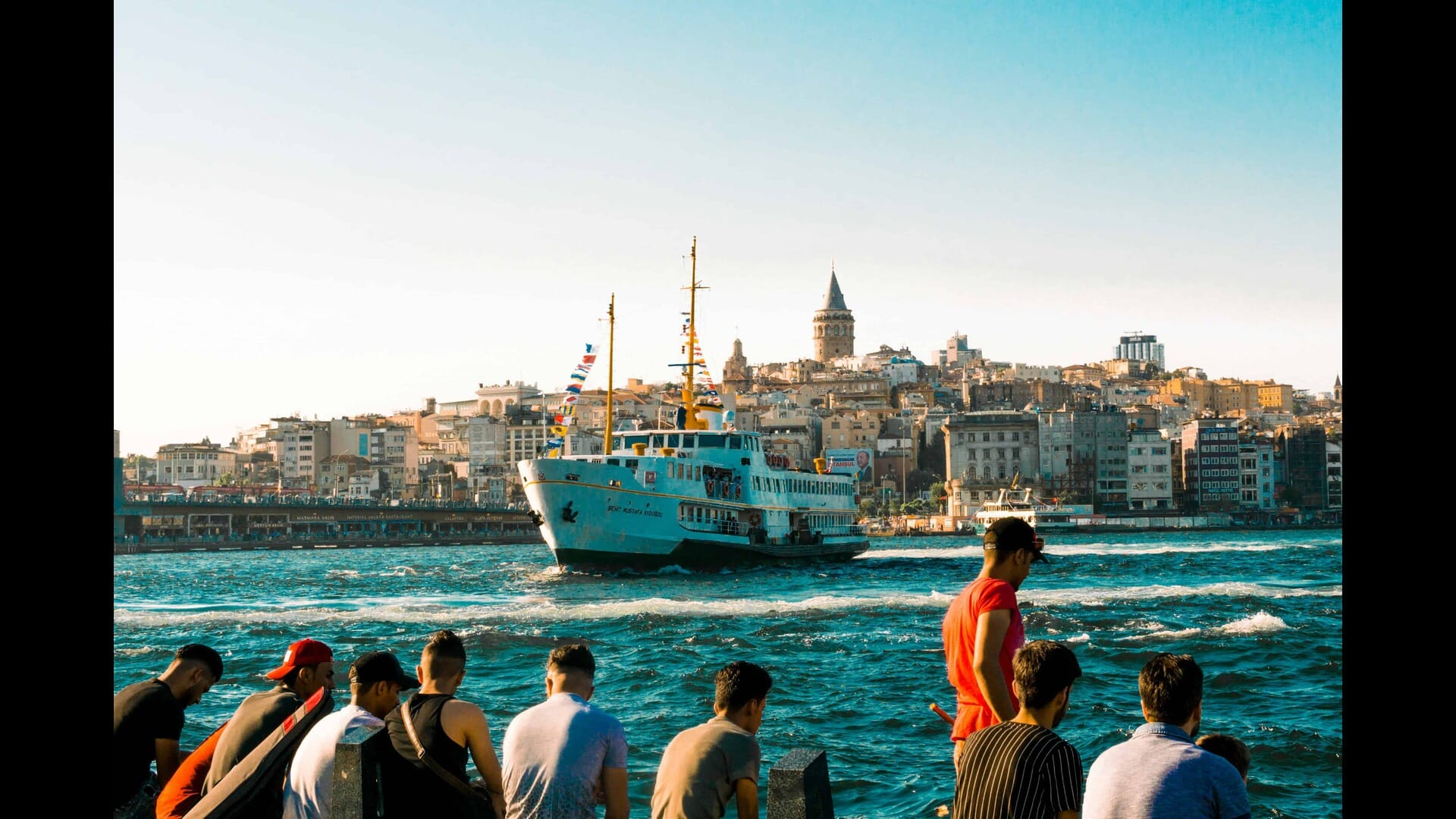
Istanbul, a city that straddles two continents, is a vibrant tapestry of cultures, histories, and religions. Among its many treasures, the minarets and mosques stand as towering symbols of its rich Islamic heritage. This article takes you on an immersive journey through the breathtaking mosques of Istanbul, exploring their architectural marvels, historical significance, and the spiritual essence they embody.
The Historical Context of Istanbul's Mosques
Istanbul's mosques are not merely places of worship; they are monuments that tell the story of a city that has been a crossroads of civilizations for centuries. The city, known as Byzantium and later Constantinople, was the capital of the Byzantine Empire before it fell to the Ottomans in 1453. This pivotal moment marked the beginning of a new era, where Islamic culture flourished and left an indelible mark on the city's skyline.
The architectural style of Istanbul's mosques reflects this rich history, blending Byzantine and Ottoman influences. The grand domes and soaring minarets are not just visually stunning; they also serve practical purposes, calling the faithful to prayer and symbolizing the presence of the divine in everyday life.
The Architectural Beauty of the Blue Mosque
One of the most iconic mosques in Istanbul is the Sultan Ahmed Mosque, commonly known as the Blue Mosque. Built between 1609 and 1616, this architectural masterpiece is renowned for its stunning blue tiles that adorn its interior, giving it its nickname.
The Exterior: A Symphony of Domes and Minarets
As you approach the Blue Mosque, the first thing that captures your attention is its majestic silhouette. The mosque features a large central dome surrounded by smaller domes, creating a harmonious balance that is a hallmark of Ottoman architecture. The mosque is flanked by six slender minarets, a feature that was controversial at the time of its construction, as it rivaled the Grand Mosque in Mecca.
The Interior: A Tapestry of Art and Faith
Stepping inside the Blue Mosque is like entering a different world. The interior is adorned with over 20,000 handmade ceramic tiles, each one a work of art. The intricate patterns and vibrant colors create a mesmerizing atmosphere that invites contemplation and prayer. The soft light filtering through the stained glass windows adds to the ethereal quality of the space.
The Spiritual Significance of the Hagia Sophia
Just a stone's throw away from the Blue Mosque lies the Hagia Sophia, a former cathedral that was converted into a mosque after the Ottoman conquest. The Hagia Sophia is a testament to the city's complex religious history, showcasing the coexistence of Christianity and Islam.
A Journey Through Time
Originally built in 537 AD as a cathedral, the Hagia Sophia was the largest cathedral in the world for nearly a thousand years. Its massive dome, considered an engineering marvel, has inspired countless structures around the globe. In 1453, after the fall of Constantinople, it was transformed into a mosque, and many of its Christian symbols were covered or altered.
The Architectural Marvel
The Hagia Sophia's architecture is a blend of Byzantine and Islamic styles. The grand dome, supported by massive piers, creates an awe-inspiring interior space. The intricate mosaics of the Virgin Mary and Christ are juxtaposed with Islamic calligraphy, symbolizing the city's rich tapestry of faith.
The Majestic Süleymaniye Mosque: A Testament to Ottoman Grandeur
The Süleymaniye Mosque, commissioned by Sultan Suleiman the Magnificent in the 16th century, is another gem in Istanbul's mosque collection. This mosque is not only a place of worship but also a complex that includes a hospital, a school, and a marketplace, reflecting the social and cultural life of the Ottoman Empire.
The Design and Layout
The mosque's design is a masterpiece of Mimar Sinan, the chief architect of the Ottoman Empire. The grand central dome is flanked by four semi-domes, creating a sense of unity and balance. The mosque's courtyard is spacious, adorned with beautiful gardens that provide a serene escape from the bustling city.
The Interior: A Blend of Simplicity and Elegance
Inside the Süleymaniye Mosque, the simplicity of the design is striking. The walls are adorned with intricate calligraphy and geometric patterns, while the large windows allow natural light to flood the space, creating a warm and inviting atmosphere. The mosque's mihrab, the niche indicating the direction of Mecca, is beautifully decorated, serving as a focal point for worshippers.
The Lesser-Known Mosques of Istanbul: Hidden Gems
While the Blue Mosque and Hagia Sophia are undoubtedly the stars of Istanbul's mosque scene, the city is home to many lesser-known mosques that are equally captivating. These hidden gems offer a glimpse into the everyday life of Istanbul's residents and the rich tapestry of its Islamic heritage.
The Rüstem Pasha Mosque: A Jewel of Tile Work
Tucked away in the bustling Eminönü district, the Rüstem Pasha Mosque is a small yet stunning example of Ottoman architecture. Built in the 16th century, this mosque is famous for its exquisite İznik tiles that cover its interior and exterior.
The Mihrimah Sultan Mosque: A Testament to Love
Located in Üsküdar, the Mihrimah Sultan Mosque was built in honor of Mihrimah Sultan, the daughter of Suleiman the Magnificent. This mosque is known for its stunning views of the Bosphorus and its elegant design, which features a beautiful courtyard and intricate calligraphy.
The Role of Mosques in Modern Istanbul
In contemporary Istanbul, mosques continue to play a vital role in the city's social and cultural life. They serve as community centers, hosting events, educational programs, and social services. The mosques are not just places of worship; they are spaces where people come together to celebrate their faith and culture.
Community Engagement and Social Services
Many mosques in Istanbul are actively involved in community outreach, providing support to those in need. From food distribution to educational programs, these mosques play a crucial role in fostering a sense of community and belonging among residents.
Cultural Events and Festivals
Throughout the year, mosques in Istanbul host various cultural events and festivals that celebrate Islamic traditions. These events provide an opportunity for locals and tourists alike to experience the rich cultural heritage of the city, from traditional music performances to art exhibitions.
Tips for Visiting Istanbul's Mosques
When exploring the mosques of Istanbul, there are a few tips to keep in mind to ensure a respectful and enjoyable experience.
Dress Code and Etiquette
Visitors to mosques should dress modestly, covering their shoulders and knees. Women may be required to wear a headscarf, which is often provided at the entrance. It is essential to be respectful of the worshippers and the sacred space.
Best Times to Visit
The best times to visit the mosques are early in the morning or late in the afternoon when the light is soft, creating a magical atmosphere. Additionally, visiting during prayer times can provide a unique insight into the spiritual life of the mosque.
Conclusion: The Enduring Legacy of Istanbul's Mosques
The minarets and mosques of Istanbul are more than just architectural wonders; they are living testaments to the city's rich history and cultural diversity. Each mosque tells a story, reflecting the faith, artistry, and resilience of the people who built and continue to cherish them.
As you wander through the streets of Istanbul, take a moment to pause and appreciate these magnificent structures. Whether you are drawn by their beauty, their history, or their spiritual significance, the mosques of Istanbul offer a profound connection to the past and a glimpse into the heart of a city that has captivated travelers for centuries.