
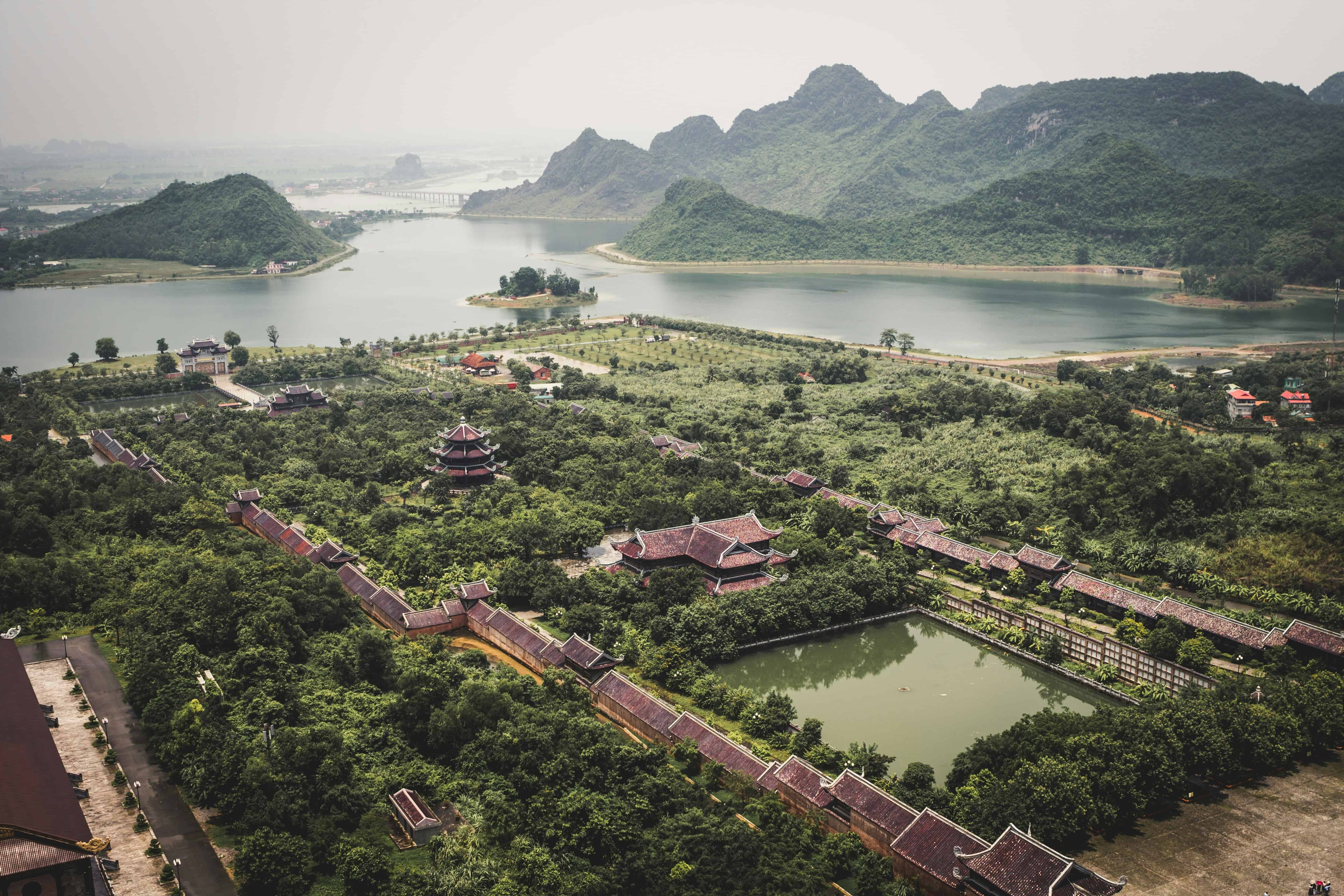
Exploring the Lush Landscapes of the Mekong Delta
Exploring the Lush Landscapes of the Mekong Delta
The Mekong Delta, often referred to as the 'Rice Bowl' of Vietnam, is a mesmerizing tapestry of lush landscapes, vibrant cultures, and rich traditions. This intricate network of rivers, swamps, and islands is home to a diverse array of flora and fauna, as well as a multitude of communities that thrive on the bountiful resources of the land.
In this travel guide, we will embark on an immersive journey through the Mekong Delta, exploring its stunning natural beauty, unique cultural experiences, and delicious cuisine.
The Geography and Ecosystem of the Mekong Delta
The Mekong Delta is located in southern Vietnam, where the Mekong River empties into the South China Sea. This region is characterized by its vast network of rivers, canals, and swamps, creating a unique ecosystem that supports a rich biodiversity. The delta is home to numerous species of fish, birds, and plants, making it a paradise for nature lovers and eco-tourists alike.
The Importance of the Mekong River
The Mekong River, one of the longest rivers in the world, is the lifeblood of the delta. Stretching over 4,350 kilometers, it flows through six countries before reaching Vietnam. The river provides water for irrigation, transportation, and fishing, making it essential for the livelihoods of millions of people in the region. Understanding the significance of the Mekong River is crucial for appreciating the beauty and importance of the delta.
Unique Flora and Fauna
The Mekong Delta is renowned for its diverse ecosystems, which include mangroves, wetlands, and rice paddies. The region is home to over 400 species of fish, making it one of the richest fishing grounds in the world. Birdwatchers will delight in spotting various species, including the endangered Sarus crane and the colorful kingfisher. The lush landscapes are also dotted with tropical fruits and flowers, adding to the delta's vibrant charm.
Cultural Heritage of the Mekong Delta
The Mekong Delta is a melting pot of cultures, influenced by Vietnamese, Khmer, and Chinese traditions. This rich cultural heritage is reflected in the region's architecture, festivals, and daily life.
Traditional Villages and Communities
As you explore the Mekong Delta, you'll encounter traditional villages that offer a glimpse into the local way of life. Many of these communities rely on agriculture, fishing, and handicrafts for their livelihoods. Visiting these villages provides an opportunity to interact with friendly locals and learn about their customs and traditions.
Festivals and Celebrations
The Mekong Delta is known for its vibrant festivals, which are often tied to the lunar calendar. One of the most famous celebrations is the Tet Festival, marking the Vietnamese New Year. During this time, families come together to honor their ancestors, prepare special dishes, and participate in various cultural activities. Other notable festivals include the Water Festival and the Mid-Autumn Festival, each showcasing the unique traditions of the region.
Culinary Delights of the Mekong Delta
No exploration of the Mekong Delta would be complete without indulging in its culinary delights. The region is famous for its fresh ingredients, flavorful dishes, and unique cooking techniques.
Signature Dishes to Try
Bánh Xèo: This savory pancake, made from rice flour and turmeric, is filled with shrimp, pork, and bean sprouts. It’s typically served with fresh herbs and a tangy dipping sauce.
Cá Kho Tộ: A traditional caramelized fish dish, often made with catfish, cooked in a clay pot with coconut juice and spices, creating a rich and flavorful meal.
Gỏi Cuốn: Also known as fresh spring rolls, these are made with rice paper and filled with shrimp, herbs, and vermicelli noodles, served with a delicious peanut sauce.
Local Markets and Food Tours
Visiting local markets is a must for any food lover. The bustling markets of the Mekong Delta, such as Cai Rang Floating Market, offer a sensory overload of colors, sounds, and aromas. Here, you can sample fresh fruits, local snacks, and traditional dishes while mingling with the locals. Consider joining a food tour to discover hidden culinary gems and learn about the region's food culture.
Eco-Tourism in the Mekong Delta
The Mekong Delta is increasingly becoming a hub for eco-tourism, attracting travelers who are keen to explore its natural beauty while supporting sustainable practices.
Responsible Travel Practices
When visiting the Mekong Delta, it's essential to practice responsible travel. This includes respecting local customs, minimizing waste, and supporting local businesses. Opt for eco-friendly accommodations and tours that prioritize sustainability and conservation.
Nature Reserves and Protected Areas
The delta is home to several nature reserves, such as the Tram Chim National Park and U Minh Thuong National Park, which protect the region's unique ecosystems. These parks offer opportunities for birdwatching, hiking, and exploring the diverse flora and fauna of the area.
Adventure Activities in the Mekong Delta
For those seeking adventure, the Mekong Delta offers a plethora of activities that allow you to immerse yourself in its stunning landscapes.
Boat Tours and River Cruises
Exploring the delta by boat is one of the best ways to experience its beauty. You can take a traditional wooden boat tour through the winding canals, visit floating markets, and enjoy the serene surroundings. For a more luxurious experience, consider a river cruise that includes accommodations, meals, and guided excursions.
Cycling Through the Countryside
Cycling is a fantastic way to explore the rural landscapes of the Mekong Delta. Many tour operators offer guided cycling tours that take you through picturesque villages, rice paddies, and along the riverbanks. This allows you to connect with the local culture and enjoy the fresh air.
The Best Time to Visit the Mekong Delta
Timing your visit to the Mekong Delta can greatly enhance your experience. The region has a tropical climate, with distinct wet and dry seasons.
Dry Season vs. Wet Season
The dry season, from November to April, is the most popular time to visit. During this period, the weather is cooler and drier, making it ideal for outdoor activities and exploration. The wet season, from May to October, brings heavy rains but also transforms the landscape into a lush paradise. This is the time when the rice fields are at their most vibrant, and the delta's waterways are full.
Getting Around the Mekong Delta
Navigating the Mekong Delta can be an adventure in itself. There are various modes of transportation available, each offering a unique perspective of the region.
Local Transportation Options
Boats: The delta's extensive network of rivers and canals makes boats the most convenient way to travel. You can hire a private boat or join a group tour.
Bicycles: Many towns and villages offer bicycle rentals, allowing you to explore at your own pace.
Motorbikes: For those seeking a bit more speed, motorbike rentals are available, providing a thrilling way to navigate the countryside.
Public Transport
While public transport options are limited, buses connect major towns in the delta. However, for a more immersive experience, consider hiring a local guide who can help you navigate the region and provide insights into the culture and history.
Conclusion: Embracing the Beauty of the Mekong Delta
The Mekong Delta is a treasure trove of natural beauty, cultural richness, and culinary delights. As you explore its lush landscapes, vibrant communities, and unique experiences, you'll undoubtedly create memories that will last a lifetime. Whether you're seeking adventure, relaxation, or cultural immersion, the Mekong Delta offers something for every traveler. So pack your bags and prepare to embark on an unforgettable journey through this enchanting region of Vietnam.