
Exploring Indonesia’s Traditional Villages: Culture and Heritage
Exploring Indonesia’s Traditional Villages: Culture and Heritage
Indonesia, an archipelago of over 17,000 islands, is a tapestry of cultures, languages, and traditions. While the bustling cities of Jakarta and Bali attract millions of tourists each year, the true essence of Indonesia lies in its traditional villages. These villages are not merely remnants of the past; they are vibrant communities where ancient customs and modern life intertwine.
In this article, we will embark on a journey through Indonesia’s traditional villages, exploring their rich culture and heritage, and uncovering the stories that make them unique.
The Importance of Traditional Villages in Indonesia
Understanding the Role of Traditional Villages in Indonesian Culture
Traditional villages in Indonesia serve as the backbone of the nation’s cultural identity. Each village has its own unique customs, dialects, and rituals that reflect the diverse ethnic groups inhabiting the islands. From the rice terraces of Bali to the longhouses of Borneo, these villages are living museums that showcase the country’s rich heritage.
Preserving Heritage Through Community
In many traditional villages, the community plays a crucial role in preserving cultural practices. Elders pass down knowledge through oral traditions, while festivals and ceremonies are celebrated to honor ancestors and maintain a connection to the past. This communal spirit fosters a sense of belonging and identity among villagers, ensuring that their heritage remains alive for future generations.
A Journey to Bali: The Heart of Traditional Culture
Exploring the Villages of Ubud
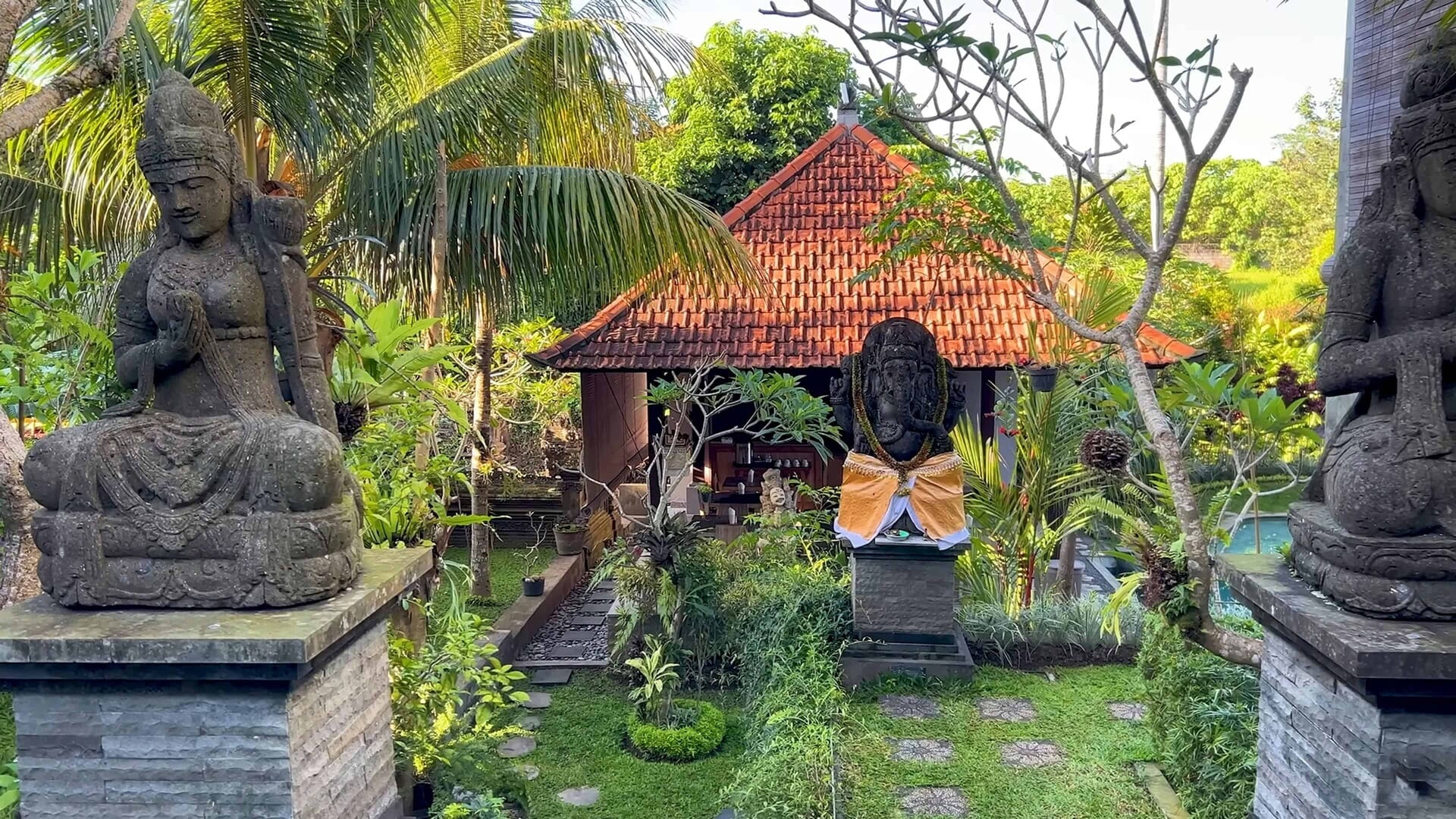
Ubud, often referred to as the cultural heart of Bali, is surrounded by traditional villages that offer a glimpse into the island's rich heritage. Villages like Pengosekan and Mas are renowned for their craftsmanship, particularly in wood carving and painting. Visitors can witness artisans at work, creating intricate sculptures and paintings that reflect Balinese mythology and spirituality.
The Significance of Subak in Balinese Villages
One cannot discuss traditional Balinese villages without mentioning Subak, the ancient irrigation system that has been recognized as a UNESCO World Heritage site. This cooperative system not only ensures the sustainability of rice farming but also embodies the philosophy of communal harmony. Villagers work together to manage water resources, reflecting the deep connection between agriculture and spirituality in Balinese culture.
The Enigmatic Toraja: A Cultural Odyssey
Discovering the Torajan Way of Life
Nestled in the mountainous region of South Sulawesi, the Toraja people are known for their elaborate funeral rites and unique architecture. Traditional Torajan houses, known as Tongkonan, are characterized by their boat-shaped roofs and intricate carvings. These houses are more than just dwellings; they are symbols of social status and cultural identity.
The Rituals of Death and Ancestor Worship
The Torajan culture places a significant emphasis on death and the afterlife. Funerals can last for days and involve elaborate ceremonies that include music, dance, and feasting. The deceased are often preserved in their homes for extended periods, as families prepare for the grand funeral. This deep respect for ancestors highlights the Torajan belief in the continuity of life and the importance of familial bonds.
The Majestic Villages of Java: A Cultural Melting Pot
Delving into the Heart of Javanese Culture
Java, the most populous island in Indonesia, is home to a myriad of traditional villages that showcase the island's rich cultural heritage. Villages like Cirebon and Yogyakarta are known for their batik textiles, gamelan music, and wayang kulit (shadow puppetry). These art forms are not only beautiful but also serve as a means of storytelling and preserving history.
The Role of Kraton in Javanese Society
The Kraton, or royal palace, is a significant aspect of Javanese culture. In Yogyakarta, the Kraton serves as a cultural center where traditional arts and performances are nurtured. Visitors can witness royal ceremonies and explore the intricate architecture that reflects the grandeur of Javanese history.
The Unique Heritage of the Baduy People
Understanding the Baduy Community
The Baduy people, residing in the remote hills of Banten province, have maintained a lifestyle that is largely untouched by modernity. Their commitment to simplicity and harmony with nature is evident in their daily lives. The Baduy community is divided into two groups: the Inner Baduy, who strictly adhere to traditional customs, and the Outer Baduy, who are more open to outside influences.
Traditional Practices and Beliefs
The Baduy people practice a unique form of animism, believing that spirits inhabit natural elements. They conduct rituals to honor these spirits and maintain balance in their environment. The Baduy’s traditional clothing, made from handwoven fabrics, reflects their connection to the land and their commitment to preserving their culture.
The Vibrant Culture of the Sasak People in Lombok
Exploring Sasak Traditions and Customs
Lombok, an island east of Bali, is home to the Sasak people, who have a rich cultural heritage distinct from their Balinese neighbors. Traditional Sasak villages, such as Sade and Ende, offer visitors a chance to experience authentic village life. The Sasak are known for their weaving skills, particularly in producing the famous ikat textiles.
The Role of Religion in Sasak Culture
Islam plays a significant role in Sasak culture, influencing their customs and daily practices. Visitors can witness the unique blend of Islamic traditions with indigenous beliefs, particularly during ceremonies and festivals. The Sasak people celebrate various rites of passage, including weddings and harvest festivals, which are marked by traditional music, dance, and feasting.
The Mystical World of the Mentawai Tribe
Discovering the Mentawai Islands
The Mentawai Islands, located off the western coast of Sumatra, are home to the Mentawai tribe, known for their unique customs and deep connection to nature. The Mentawai people live in longhouses and practice a subsistence lifestyle, relying on hunting, fishing, and gathering.
Traditional Healing Practices and Spirituality
The Mentawai tribe has a rich tradition of shamanism, with healers known as ‘sikerei’ playing a vital role in their community. These shamans conduct rituals to heal the sick and communicate with the spirit world. The Mentawai’s spiritual beliefs are deeply intertwined with their daily lives, reflecting their respect for nature and the environment.
The Cultural Significance of Festivals in Traditional Villages
Celebrating Life Through Festivals
Festivals are an integral part of life in Indonesia’s traditional villages, serving as a means of expressing cultural identity and community spirit. Each village has its own unique festivals, often tied to agricultural cycles, religious observances, or historical events.
Examples of Notable Festivals
- Nyepi (Day of Silence): Celebrated in Bali, Nyepi marks the Balinese New Year and is a day of silence, fasting, and meditation.
- Waisak (Vesak): This Buddhist festival commemorates the birth, enlightenment, and death of Buddha and is celebrated in various villages across Indonesia.
- Pasola: A traditional festival in Sumba, Pasola involves a ritualistic battle on horseback, symbolizing the agricultural cycle and honoring ancestral spirits.
Engaging with Local Communities: Responsible Tourism in Traditional Villages
The Importance of Responsible Travel
As tourism continues to grow in Indonesia, it is essential to engage with local communities responsibly. Travelers should aim to support local economies, respect cultural practices, and minimize their environmental impact.
How to Engage with Local Communities
- Participate in Workshops: Many villages offer workshops where visitors can learn traditional crafts, such as batik making or wood carving.
- Stay in Homestays: Opting for homestays allows travelers to immerse themselves in village life and contribute directly to the local economy.
- Attend Local Festivals: Participating in local festivals provides a unique opportunity to experience the culture firsthand and connect with the community.
Conclusion: The Enduring Legacy of Indonesia’s Traditional Villages
Exploring Indonesia’s traditional villages offers a profound insight into the country’s rich cultural heritage. These villages are not just destinations; they are living embodiments of history, tradition, and community. By engaging with local cultures and supporting responsible tourism, travelers can help preserve these unique ways of life for generations to come. Whether it’s through the intricate artistry of a Balinese woodcarver or the vibrant rituals of the Toraja, the stories of Indonesia’s traditional villages continue to inspire and captivate all who venture into their embrace.