
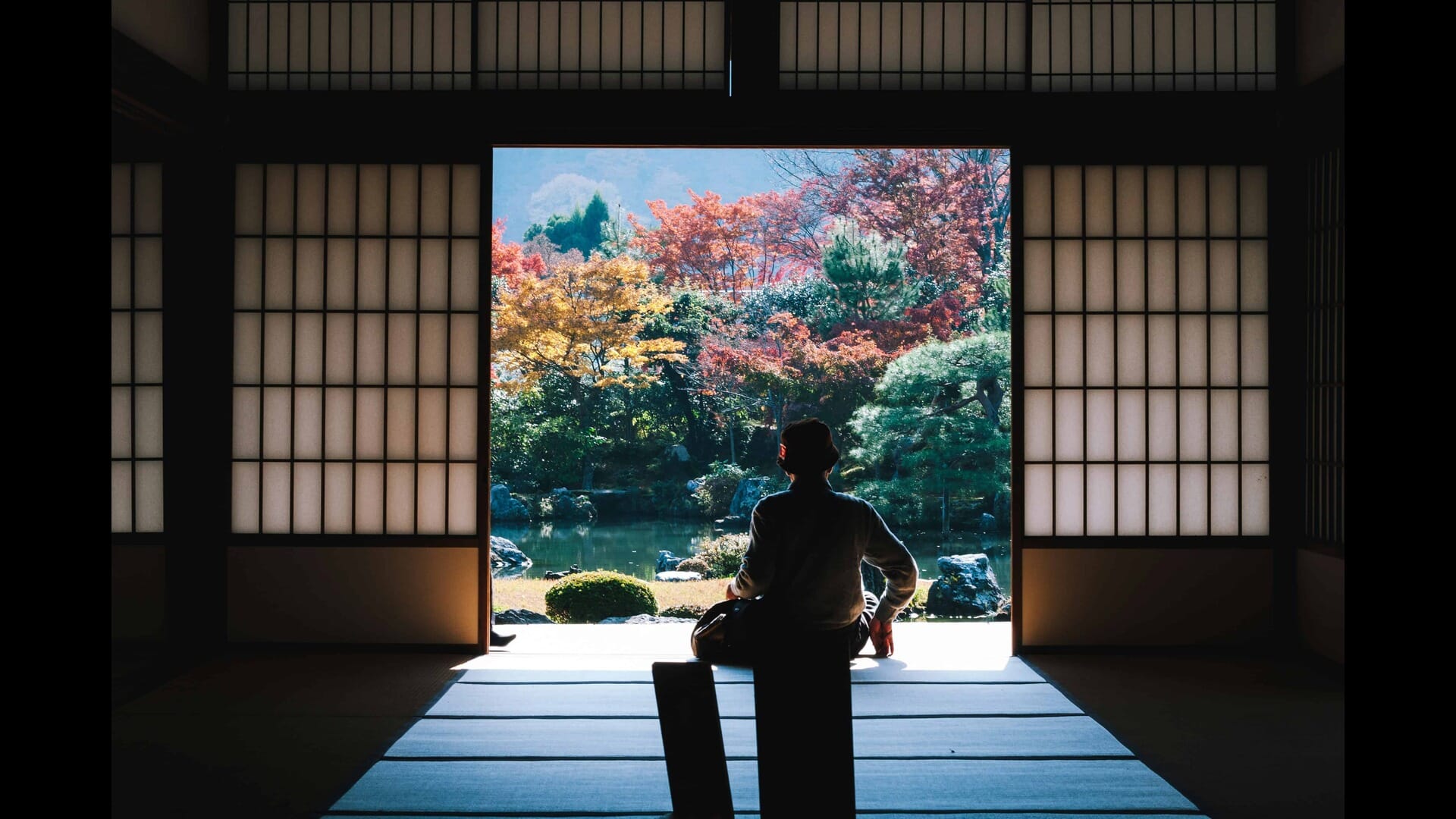
Exploring the History of Sumo Wrestling: From Ancient Times to Today
Exploring the History of Sumo Wrestling: From Ancient Times to Today
Sumo wrestling, a sport steeped in tradition and history, is more than just a physical contest; it is a cultural phenomenon that has evolved over centuries. This article will take you on a journey through the fascinating history of sumo wrestling, from its ancient origins to its current status as a beloved national sport in Japan.
We will explore the rituals, techniques, and cultural significance of sumo wrestling, as well as the legends and figures who have shaped its legacy.
The Ancient Origins of Sumo Wrestling
Tracing the Roots of Sumo Wrestling in Japan
The origins of sumo wrestling can be traced back over a thousand years, with roots that intertwine with Japan's agricultural practices. The earliest forms of sumo were likely ritualistic contests held to pray for a good harvest. These contests were often conducted in rice fields, where two wrestlers would engage in a series of grappling techniques, showcasing their strength and skill.
The Influence of Shinto Rituals on Sumo Wrestling
Sumo wrestling is deeply intertwined with Shinto, the indigenous spirituality of Japan. Many of the rituals performed in sumo, such as the purification of the ring (dohyo) and the throwing of salt, have their origins in Shinto practices. These rituals are intended to ward off evil spirits and ensure the safety of the wrestlers, highlighting the spiritual significance of the sport.
The Evolution of Sumo Wrestling Through the Ages
The Heian Period: The Birth of Organized Sumo Wrestling
During the Heian period (794-1185), sumo wrestling began to take on a more organized form. The first recorded sumo match took place in 23 BCE, but it was during the Heian period that sumo wrestling became a popular entertainment form for the nobility. The matches were held at the imperial court and were often accompanied by music and dance, further enhancing the cultural significance of the sport.
The Kamakura and Muromachi Periods: Sumo as a Martial Art
The Kamakura (1185-1333) and Muromachi (1336-1573) periods saw sumo wrestling evolve into a martial art. This era was marked by the rise of the samurai class, who began to participate in sumo matches as a way to showcase their strength and combat skills. The techniques used in sumo wrestling during this time were influenced by various martial arts, leading to the development of a more structured approach to training and competition.
The Cultural Significance of Sumo Wrestling in Japan
Sumo Wrestling as a Symbol of Japanese Identity
Sumo wrestling is often regarded as a symbol of Japanese identity, embodying the values of strength, honor, and perseverance. The sport has been celebrated in literature, art, and popular culture, further solidifying its place in the hearts of the Japanese people. Sumo wrestlers, known as rikishi, are revered figures, often seen as embodiments of traditional Japanese virtues.
The Role of Sumo Wrestling in Japanese Festivals
Sumo wrestling is an integral part of many Japanese festivals, where it is performed as a way to celebrate and honor the gods. These festivals often feature traditional rituals, music, and dance, creating a vibrant atmosphere that showcases the rich cultural heritage of Japan. The connection between sumo wrestling and these festivals highlights the sport's importance in Japanese society.
The Structure of Modern Sumo Wrestling
The Sumo Ring: Understanding the Dohyo
The sumo ring, or dohyo, is a sacred space where matches take place. Constructed from clay and covered with a layer of sand, the dohyo is carefully prepared before each tournament. The rituals surrounding the creation of the dohyo, including the purification process, reflect the deep spiritual significance of the ring in sumo wrestling.
The Hierarchical System of Sumo Wrestling
Modern sumo wrestling operates within a strict hierarchical system, with ranks that dictate the status and privileges of wrestlers. The highest rank, yokozuna, is reserved for the most accomplished rikishi, while lower ranks include ozeki, sekiwake, and maegashira. This ranking system not only adds a competitive element to the sport but also fosters a sense of respect and camaraderie among wrestlers.
Training and Techniques in Sumo Wrestling
The Rigorous Training Regimen of Sumo Wrestlers
Training in sumo wrestling is intense and demanding, requiring wrestlers to adhere to a strict regimen that includes physical conditioning, technique practice, and dietary discipline. Wrestlers typically live in training stables, known as heya, where they train together under the guidance of a stablemaster. The communal living environment fosters a strong sense of brotherhood among wrestlers, who support each other in their pursuit of excellence.
The Techniques and Strategies of Sumo Wrestling
Sumo wrestling techniques are diverse and complex, encompassing a wide range of grappling moves, throws, and pushes. Wrestlers must master these techniques to gain an advantage over their opponents. Key techniques include the shiko (leg stomp), tachi-ai (initial charge), and yoritaoshi (body drop). Understanding these techniques is essential for appreciating the skill and strategy involved in sumo matches.
Major Sumo Wrestling Tournaments and Events
The Grand Sumo Tournaments: A Showcase of Skill and Tradition
The grand sumo tournaments, known as honbasho, are held six times a year and attract thousands of spectators. Each tournament lasts for 15 days, with wrestlers competing daily to earn victories and improve their rankings. The atmosphere during these tournaments is electric, with fans passionately cheering for their favorite rikishi. The significance of these events extends beyond the matches themselves, as they serve as a celebration of Japanese culture and tradition.
Special Events and Festivals Featuring Sumo Wrestling
In addition to the grand tournaments, sumo wrestling is featured in various special events and festivals throughout Japan. These events often include exhibitions, demonstrations, and ceremonial matches, allowing fans to experience the sport up close. The connection between sumo wrestling and Japanese festivals underscores the sport's cultural importance and its role in fostering community spirit.
The Legends and Icons of Sumo Wrestling
Celebrating the Great Yokozuna: Legends of Sumo Wrestling
Throughout its history, sumo wrestling has produced legendary figures who have left an indelible mark on the sport. Yokozuna such as Taiho, Chiyonofuji, and Asashoryu are celebrated not only for their incredible skill and achievements but also for their contributions to the cultural landscape of sumo wrestling. These legends serve as inspirations for aspiring rikishi and fans alike.
The Impact of Sumo Wrestling on Popular Culture
Sumo wrestling has transcended its traditional boundaries, influencing various aspects of popular culture in Japan and beyond. From manga and anime to movies and television shows, sumo wrestling has captured the imagination of audiences worldwide. The portrayal of sumo wrestlers in popular media often reflects the values and ideals associated with the sport, further solidifying its place in contemporary culture.
The Future of Sumo Wrestling: Challenges and Opportunities
Addressing Modern Challenges in Sumo Wrestling
As sumo wrestling continues to evolve, it faces various challenges, including declining participation rates and changing societal attitudes. The sport must adapt to remain relevant in a rapidly changing world while preserving its rich traditions. Addressing these challenges will require innovative approaches to training, promotion, and community engagement.
Embracing Globalization: Sumo Wrestling in the Modern World
The globalization of sports has opened new opportunities for sumo wrestling to reach a wider audience. International tournaments and exhibitions have introduced the sport to fans around the world, fostering cross-cultural exchanges and promoting understanding of Japanese traditions. Embracing globalization while maintaining its unique identity will be crucial for the future of sumo wrestling.
Conclusion: The Enduring Legacy of Sumo Wrestling
Sumo wrestling is a sport that embodies the spirit of Japan, reflecting its history, culture, and values. From its ancient origins to its modern-day prominence, sumo wrestling has captivated audiences for centuries. As we explore the rich tapestry of sumo's history, we are reminded of the enduring legacy of this remarkable sport and its significance in the hearts of the Japanese people.
In conclusion, sumo wrestling is not just a sport; it is a living tradition that continues to evolve while honoring its past. Whether you are a lifelong fan or a newcomer to the world of sumo, understanding its history and cultural significance enriches the experience of witnessing this extraordinary sport.