
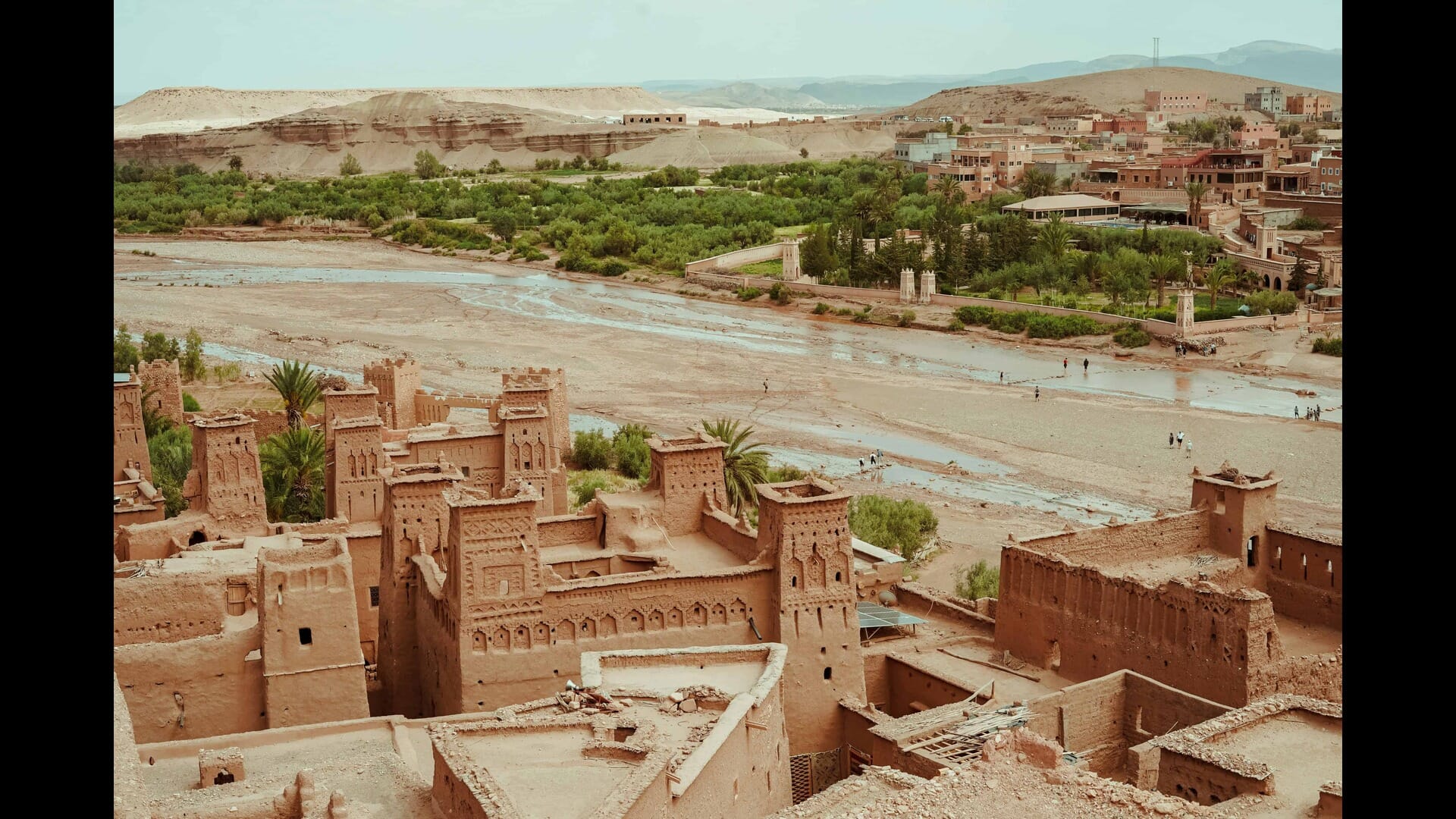
Exploring the Historic Medina of Marrakech: A UNESCO Treasure
Exploring the Historic Medina of Marrakech: A UNESCO Treasure
Marrakech, the vibrant heart of Morocco, is a city that dances with life, color, and history. At its core lies the Medina, a UNESCO World Heritage site that encapsulates the essence of Moroccan culture and heritage. This article will take you on an immersive journey through the winding alleys, bustling souks, and stunning architectural wonders of the Medina, revealing its secrets and stories that have stood the test of time.
The Allure of Marrakech: A Brief Overview
Marrakech, often referred to as the Red City due to its distinctive terracotta buildings, is a city where ancient traditions meet modern vibrancy. Founded in 1070, it has served as a crucial cultural and economic hub in Morocco. The Medina, with its labyrinthine streets and historical significance, is a testament to the city's rich past and its role in shaping Moroccan identity.
A Walk Through History: The Origins of the Medina
The Medina of Marrakech is not just a place; it is a living museum that tells the story of centuries of civilization. Established by the Almoravids, the Medina has evolved over the years, influenced by various dynasties, including the Almohads and the Saadians. Each era has left its mark, contributing to the unique architectural styles and cultural practices that define the Medina today.
The Architectural Marvels of the Medina
The Koutoubia Mosque: A Beacon of Faith
One of the most iconic landmarks in Marrakech is the Koutoubia Mosque, whose minaret towers majestically over the city. Built in the 12th century, it stands at 77 meters tall, making it the tallest structure in Marrakech. The mosque is a prime example of Almohad architecture, characterized by its intricate tile work and stunning arches. While non-Muslims cannot enter the mosque, its exterior is a sight to behold, especially when illuminated at night.
The Saadian Tombs: A Royal Resting Place
Hidden behind the walls of the Kasbah, the Saadian Tombs are a remarkable testament to the artistry of the Saadian dynasty. Discovered in 1917, these tombs date back to the 16th century and are adorned with exquisite tile work and intricate carvings. The most notable tomb is that of Sultan Ahmed al-Mansur, surrounded by beautifully landscaped gardens that provide a serene escape from the bustling streets of the Medina.
The Bahia Palace: A Glimpse into Royal Life
Constructed in the late 19th century, the Bahia Palace is a stunning example of Moroccan architecture and design. The palace features intricate mosaics, lush gardens, and beautifully decorated rooms that reflect the opulence of the Moroccan royal court. Visitors can wander through the sprawling grounds, marveling at the artistry and craftsmanship that went into creating this magnificent structure.
The Soul of the Medina: Exploring the Souks
The Vibrant Souk Semmarine
As you step into the Souk Semmarine, the main artery of the Medina, you are immediately enveloped by a sensory overload of sights, sounds, and smells. This bustling market is filled with shops selling everything from colorful textiles to handcrafted jewelry. The vibrant atmosphere is infectious, and bargaining with the shopkeepers is part of the experience. Don’t forget to sample some local delicacies from the street vendors!
The Spice Souk: A Feast for the Senses
One of the most aromatic places in the Medina is the Spice Souk, where the air is thick with the scent of exotic spices and herbs. Here, you can find an array of spices, from saffron to cumin, as well as traditional Moroccan remedies and beauty products. Take your time to chat with the vendors, who are often eager to share their knowledge about the various spices and their uses.
The Artisan Souk: A Showcase of Moroccan Craftsmanship
For those interested in traditional Moroccan crafts, the Artisan Souk is a must-visit. This area is dedicated to showcasing the skills of local artisans, from leatherworkers to potters. You can watch craftsmen at work, creating beautiful pieces that reflect the rich cultural heritage of Morocco. Purchasing a handmade item is not just a souvenir; it’s a piece of history that supports local artisans.
Cultural Experiences: Engaging with Moroccan Traditions
Traditional Moroccan Cuisine: A Culinary Journey
No visit to the Medina is complete without indulging in traditional Moroccan cuisine. From aromatic tagines to sweet pastries, the flavors of Morocco are a feast for the senses. Consider taking a cooking class to learn how to prepare classic dishes using fresh, local ingredients. Many classes include a visit to the market, where you can select your ingredients and immerse yourself in the culinary culture of Marrakech.
Hammams: A Relaxing Retreat
After a day of exploring, treat yourself to a traditional Moroccan hammam experience. These steam baths are an essential part of Moroccan culture, offering a unique way to relax and rejuvenate. Many hammams also offer massages and beauty treatments, making it the perfect way to unwind after a long day of sightseeing.
Festivals and Events: Celebrating Moroccan Culture
Marrakech is home to a variety of festivals and events throughout the year, celebrating everything from music to art. The Marrakech International Film Festival and the Marrakech Popular Arts Festival are just a few examples of events that showcase the city’s vibrant cultural scene. Participating in these festivals offers a deeper understanding of Moroccan traditions and contemporary culture.
The Medina at Night: A Different Kind of Magic
As the sun sets, the Medina transforms into a magical place filled with twinkling lights and lively entertainment. The famous Jemaa el-Fnaa square comes alive with street performers, musicians, and food stalls. It’s a sensory experience unlike any other, where you can enjoy a traditional meal while watching acrobats and storytellers.
Practical Tips for Exploring the Medina
Getting Around: Navigating the Labyrinth
The Medina is a maze of narrow streets and alleys, which can be daunting for first-time visitors. It’s advisable to have a map or a reliable GPS app to help you navigate. Alternatively, consider hiring a local guide who can provide insights into the history and culture of the Medina while helping you find your way.
Safety Tips: Staying Secure in the Medina
While the Medina is generally safe for tourists, it’s essential to take standard precautions. Keep your belongings secure, be aware of your surroundings, and avoid walking alone at night in less crowded areas. Engaging with locals and other travelers can also enhance your experience and provide valuable safety tips.
Best Times to Visit: Weather Considerations
The best time to visit Marrakech is during the spring (March to May) and fall (September to November) when the weather is mild and pleasant. Summers can be scorching, with temperatures soaring above 40°C (104°F), making it less enjoyable to explore the Medina. Winter months can be chilly, especially at night, so pack accordingly.
Conclusion: The Timeless Charm of the Medina
The Medina of Marrakech is a treasure trove of history, culture, and vibrant life. From its stunning architecture to its bustling souks, every corner tells a story waiting to be discovered. Whether you’re wandering through the narrow alleys, savoring traditional Moroccan dishes, or engaging with local artisans, the Medina offers an unforgettable experience that captures the essence of Morocco. As you explore this UNESCO World Heritage site, you’ll find that the magic of Marrakech lingers long after you leave, beckoning you to return and uncover more of its timeless charm.
Final Thoughts: Embracing the Spirit of Marrakech
As you prepare for your journey to the Medina of Marrakech, remember to embrace the spirit of exploration and adventure. Engage with the locals, try new foods, and immerse yourself in the rich tapestry of Moroccan culture. The Medina is not just a destination; it’s an experience that will leave an indelible mark on your heart and soul. So pack your bags, set your itinerary, and get ready to explore the historic Medina of Marrakech—an unforgettable UNESCO treasure.