
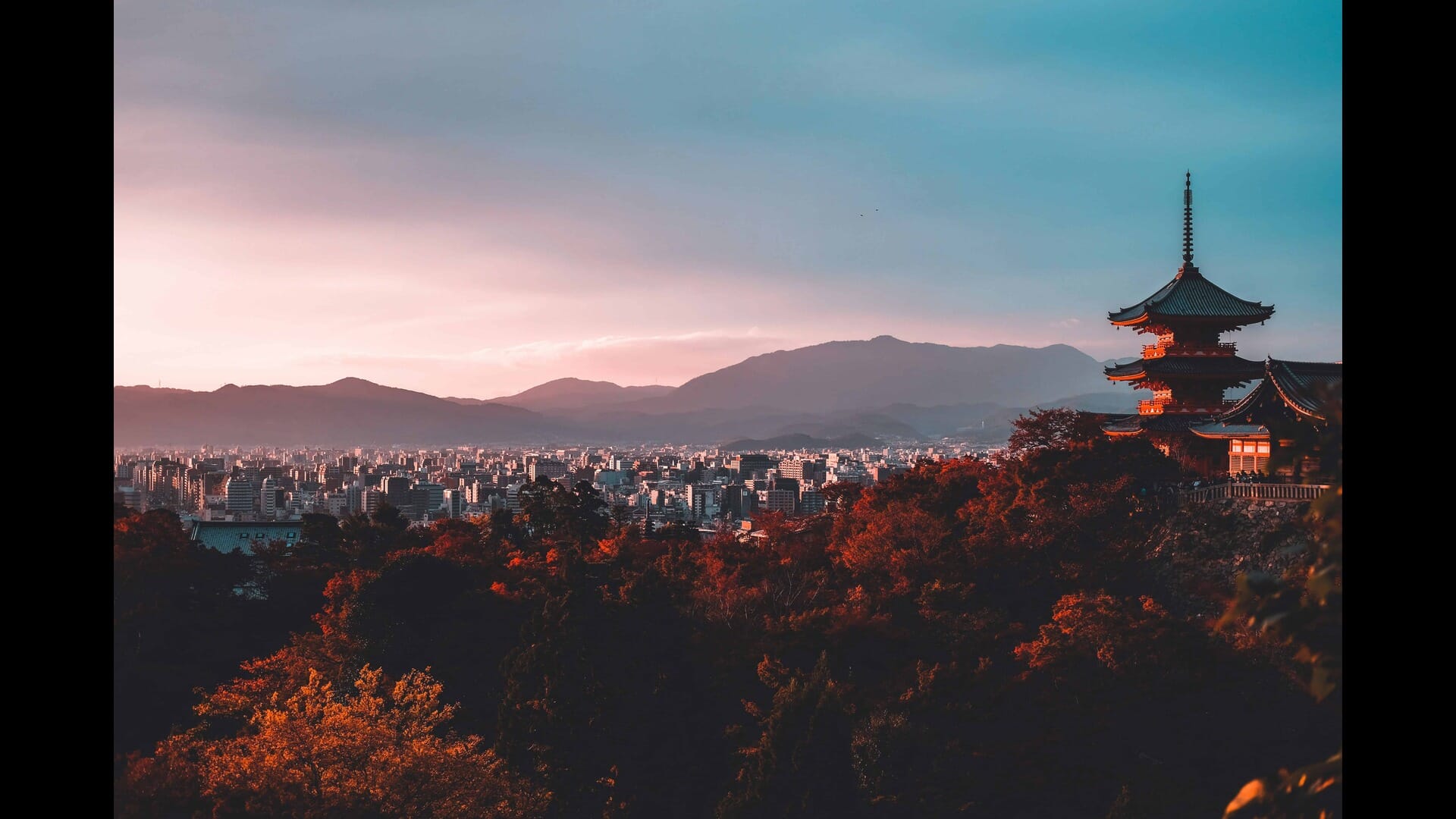
Exploring the Historic City of Kamakura: Temples by the Sea
Exploring the Historic City of Kamakura: Temples by the Sea
Kamakura, a coastal city located just an hour south of Tokyo, is a treasure trove of history, culture, and natural beauty. Known for its stunning temples and shrines, many of which are nestled between lush hills and the shimmering sea, Kamakura offers a unique blend of spiritual tranquility and vibrant local life.
In this comprehensive travel guide, we will explore the historic city of Kamakura, diving deep into its temples by the sea, rich history, and the captivating experiences that await every traveler.
The Allure of Kamakura: A Brief Overview of Its History
Kamakura has a storied past that dates back to the Kamakura period (1185-1333), when it served as the political center of Japan under the shogunate. This era marked the rise of samurai culture and the establishment of Zen Buddhism, which greatly influenced the architecture and philosophy of the region. Today, Kamakura is known for its numerous temples and shrines, each telling a story of Japan's rich heritage.
As you wander through the city, you will encounter the remnants of this glorious past, from the imposing Great Buddha of Kamakura to the serene Zen gardens that invite contemplation. The city's proximity to the sea adds another layer of beauty, making it a perfect destination for those seeking both cultural enrichment and natural splendor.
Getting to Kamakura: Your Gateway to Temples by the Sea
How to Reach Kamakura from Tokyo
Reaching Kamakura from Tokyo is a breeze, thanks to the efficient rail system. The most convenient option is to take the JR Yokosuka Line from Tokyo Station or Shinagawa Station, which will take you directly to Kamakura Station in about an hour. Alternatively, you can opt for the Enoden Line, which offers a scenic ride along the coast, providing breathtaking views of the ocean and surrounding landscapes.
Navigating Kamakura: Public Transport and Walking Tours
Once you arrive in Kamakura, you will find that the city is quite walkable, with many attractions located within a short distance from each other. However, public transport options such as buses and the Enoden Line can help you reach more distant sites. Renting a bicycle is also a popular choice, allowing you to explore the city at your own pace while enjoying the fresh sea breeze.
Must-Visit Temples in Kamakura: A Spiritual Journey
Hase-dera Temple: A Serene Oasis by the Sea
Hase-dera Temple, one of Kamakura's most famous temples, is a must-visit for its stunning views and beautiful gardens. Founded in the 8th century, this temple is dedicated to Kannon, the goddess of mercy. As you enter the temple grounds, you will be greeted by a lush garden filled with hydrangeas, especially vibrant during the rainy season.
The main hall houses a magnificent wooden statue of Kannon, standing at an impressive 9.18 meters tall. Visitors can also explore the temple's caves, which contain small Kannon statues and offer a glimpse into the spiritual practices of the past. The panoramic views of Kamakura and the coastline from the temple's terrace are simply breathtaking, making it a perfect spot for photography and reflection.
Kōtoku-in Temple: Home of the Great Buddha
No visit to Kamakura would be complete without seeing the Great Buddha, or Daibutsu, at Kōtoku-in Temple. This iconic bronze statue stands at 13.35 meters tall and dates back to 1252. Originally housed in a temple hall, the Great Buddha now sits in the open air, allowing visitors to appreciate its grandeur up close.
The statue represents Amida Buddha and is a symbol of peace and tranquility. Visitors can enter the statue for a small fee, where they can see the inner workings and learn more about its history. The surrounding gardens provide a serene atmosphere, perfect for contemplation and enjoying the beauty of nature.
Engaku-ji Temple: A Zen Retreat in the Hills
Engaku-ji Temple, one of the most important Zen temples in Japan, is located in the northern part of Kamakura. Founded in 1282, this temple complex is set against a backdrop of lush hills and offers a tranquil escape from the bustling city. The main hall, or Hondo, features beautiful wooden architecture and is surrounded by serene gardens.
Visitors can participate in zazen (Zen meditation) sessions, allowing them to experience the essence of Zen Buddhism firsthand. The temple grounds also feature several sub-temples, each with its own unique charm and history. Don’t miss the opportunity to hike up to the nearby bamboo grove for a peaceful stroll amidst the towering stalks.
Tsurugaoka Hachimangu Shrine: The Heart of Kamakura
Tsurugaoka Hachimangu Shrine is the most important Shinto shrine in Kamakura and serves as a cultural hub for the city. Established in 1063, this shrine is dedicated to Hachiman, the god of war and the protector of the samurai. The approach to the shrine is lined with cherry blossom trees, making it a popular spot during sakura season.
The shrine's main hall, or Honden, is a stunning example of traditional Japanese architecture. Visitors can participate in Shinto rituals, such as purification and offering prayers. The surrounding gardens and ponds add to the serene atmosphere, making it a perfect place for a leisurely stroll.
Exploring Kamakura's Natural Beauty: Beaches and Hiking Trails
Yuigahama Beach: A Coastal Paradise
Kamakura's coastline is dotted with beautiful beaches, and Yuigahama Beach is one of the most popular. This sandy stretch is perfect for sunbathing, swimming, and enjoying water sports. The beach offers stunning views of Enoshima Island and the surrounding mountains, making it a picturesque spot to relax.
During the summer months, the beach comes alive with beachgoers and local vendors selling snacks and drinks. The nearby promenade is lined with cafes and restaurants, offering delicious seafood and traditional Japanese dishes. Don’t forget to catch the sunset over the ocean for a truly magical experience.
Hiking the Kamakura Trail: Scenic Views and Hidden Temples
For those who enjoy outdoor adventures, the Kamakura Trail offers a network of hiking paths that connect various temples and shrines throughout the city. The trails wind through lush forests and provide stunning views of the coastline and surrounding mountains.
One popular route is the hike from Hase-dera Temple to the Great Buddha, which takes you through beautiful landscapes and past lesser-known temples. Along the way, you may encounter hidden gems such as Jochi-ji Temple, known for its tranquil gardens and Zen atmosphere. The fresh air and natural beauty make this hike a refreshing escape from the city.
Kamakura's Culinary Delights: A Food Lover's Paradise
Traditional Japanese Cuisine: Must-Try Dishes in Kamakura
Kamakura is not only a feast for the eyes but also for the palate. The city boasts a variety of dining options, from traditional Japanese cuisine to modern fusion dishes. Be sure to try local specialties such as shirasu (whitebait), which is often served over rice or in a bowl of soba noodles.
Another must-try dish is Kamakura's famous matcha (green tea) desserts. Many cafes and tea houses offer delectable sweets made with high-quality matcha, including matcha ice cream, cakes, and traditional wagashi (Japanese sweets). The combination of flavors and the artistry of presentation will leave you craving more.
Exploring Kamakura's Cafes and Tea Houses
Kamakura is home to numerous charming cafes and tea houses, each with its own unique ambiance. Many of these establishments are located in traditional wooden buildings, providing a cozy atmosphere to relax and enjoy a cup of tea or coffee.
One popular spot is Cafe Kamakura, known for its delicious matcha lattes and homemade pastries. The cafe's outdoor seating area offers stunning views of the surrounding gardens, making it a perfect place to unwind after a day of exploring. Don’t forget to try their seasonal desserts, which showcase the flavors of the region.
Cultural Experiences in Kamakura: Festivals and Events
Kamakura's Annual Festivals: Celebrating Tradition
Kamakura hosts several annual festivals that celebrate its rich cultural heritage. One of the most famous is the Kamakura Matsuri, held in early February. This festival features traditional performances, food stalls, and the stunning sight of snow-covered temples and shrines.
Another notable event is the Hachimangu Matsuri, which takes place in September. This lively festival includes parades, traditional music, and dance performances, attracting locals and tourists alike. Participating in these festivals offers a unique opportunity to immerse yourself in Kamakura's vibrant culture and traditions.
Traditional Arts and Crafts: Workshops and Souvenirs
Kamakura is also known for its traditional arts and crafts, including pottery, textiles, and woodworking. Many local artisans offer workshops where visitors can learn about these crafts and create their own unique souvenirs.
One popular workshop is the Kamakura Pottery Studio, where you can try your hand at making your own ceramic pieces. The friendly instructors guide you through the process, allowing you to create something truly special to take home. Exploring the local shops also reveals a treasure trove of handmade goods, perfect for finding unique gifts and mementos.
Accommodations in Kamakura: Where to Stay for Your Visit
Traditional Ryokan: Experience Japanese Hospitality
For a truly authentic experience, consider staying at a traditional ryokan (Japanese inn) during your visit to Kamakura. Many ryokans offer tatami-matted rooms, futon bedding, and kaiseki meals, providing a glimpse into Japanese hospitality and culture.
One highly recommended ryokan is Kamakura Park Hotel, located near the beach and offering stunning ocean views. The warm hospitality and serene atmosphere make it a perfect retreat after a day of exploring.
Modern Hotels and Guesthouses: Comfort and Convenience
If you prefer modern accommodations, Kamakura also offers a range of hotels and guesthouses to suit your needs. Many of these establishments are conveniently located near the train station, making it easy to explore the city.
The Hotel Kamakura is a popular choice, featuring comfortable rooms and a stylish design. The hotel also offers amenities such as free Wi-Fi and a restaurant serving delicious local cuisine. Whether you choose a traditional ryokan or a modern hotel, you will find plenty of options to make your stay enjoyable.
Conclusion: Embrace the Spirit of Kamakura
Kamakura is a city that beautifully blends history, culture, and natural beauty. From its stunning temples by the sea to its vibrant culinary scene, there is something for everyone to enjoy. As you explore the winding streets and serene landscapes, take the time to embrace the spirit of Kamakura and connect with its rich heritage.
Whether you are seeking spiritual enlightenment, outdoor adventures, or culinary delights, Kamakura promises an unforgettable experience. So pack your bags, hop on a train, and get ready to discover the magic of this historic city by the sea.