
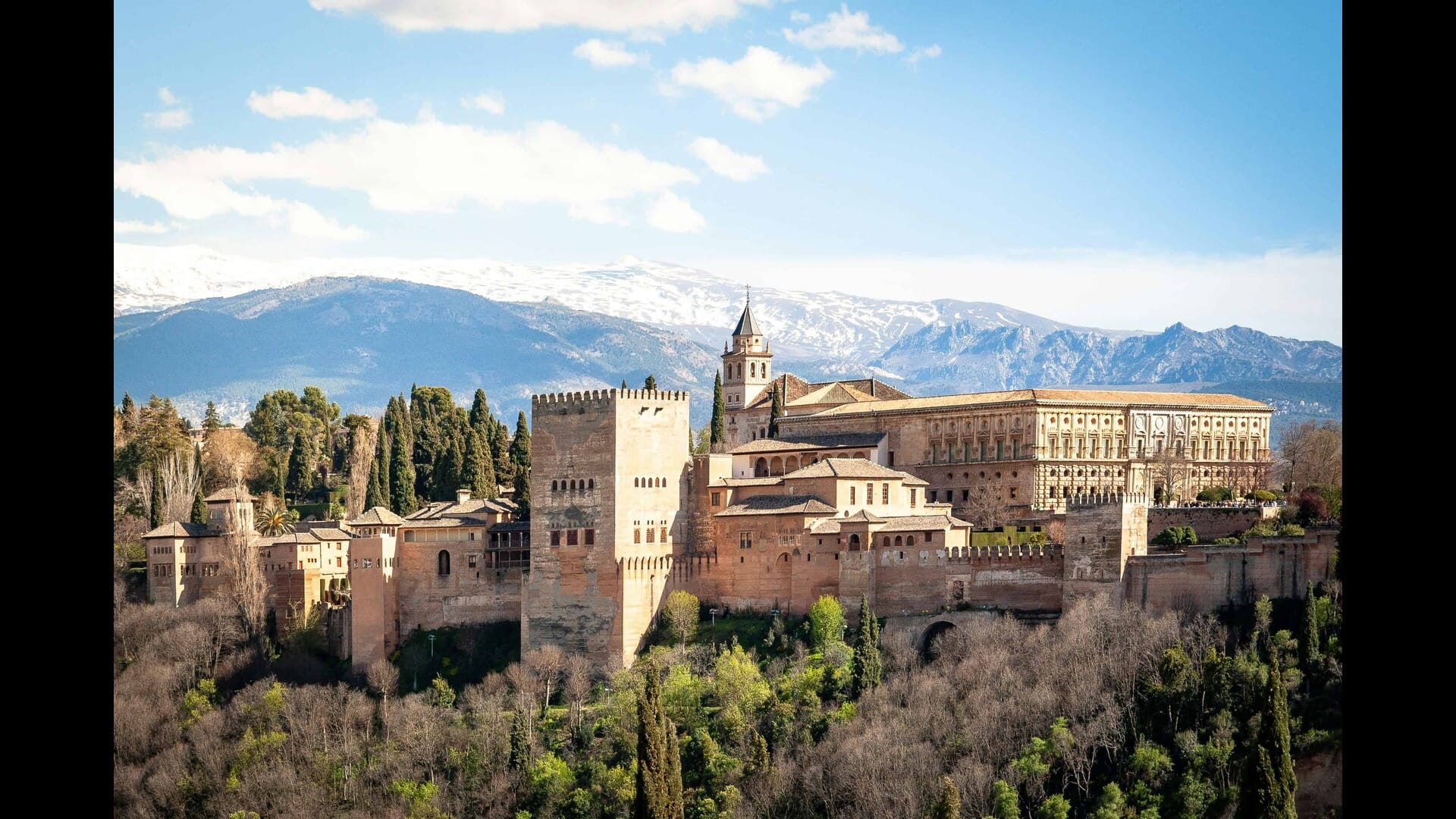
Exploring the Historic Center of Córdoba: A Journey Through Time
Exploring the Historic Center of Córdoba: A Journey Through Time
Córdoba, a city steeped in history and culture, is a treasure trove for travelers seeking to immerse themselves in the past. The Historic Center of Córdoba, a UNESCO World Heritage site, is a captivating blend of Roman, Islamic, and Christian influences that have shaped its identity over the centuries.
This article will take you on an extensive journey through the heart of Córdoba, exploring its rich history, stunning architecture, and vibrant culture.
The Allure of the Historic Center of Córdoba
The Historic Center of Córdoba is not just a place; it’s an experience that transports you back in time. As you wander through its narrow, winding streets, you’ll encounter a tapestry of architectural styles, each telling a story of the city’s diverse past. From the majestic Mezquita-Catedral to the charming patios adorned with colorful flowers, every corner of this historic district invites exploration.
A Brief History of Córdoba
Córdoba’s history is a fascinating saga that dates back to Roman times. Founded as a Roman city in 152 BC, it became an important administrative and cultural center. However, it was during the Islamic period, particularly in the 10th century, that Córdoba reached its zenith. As the capital of the Caliphate of Córdoba, it was a hub of learning, culture, and commerce, attracting scholars, artists, and traders from across the Mediterranean. The city’s decline began in the late Middle Ages, but its historical significance remains palpable today.
The Architectural Marvels of Córdoba
One of the most striking features of the Historic Center of Córdoba is its architectural diversity. The city’s buildings reflect a harmonious blend of different styles, showcasing the influences of various cultures that have left their mark over the centuries.
The Mezquita-Catedral: A Symbol of Religious Harmony
The Mezquita-Catedral, or Mosque-Cathedral of Córdoba, is perhaps the most iconic landmark in the city. Originally built as a mosque in the 8th century, it was converted into a cathedral in the 13th century after the Reconquista. The structure is renowned for its stunning arches, intricate mosaics, and the famous forest of columns. Visitors can marvel at the breathtaking beauty of the prayer hall, which features over 800 columns and arches, creating a mesmerizing effect that transports you to another era.
The Alcázar de los Reyes Cristianos: A Fortress of Power
Another must-visit site is the Alcázar de los Reyes Cristianos, a medieval fortress that served as the residence of Christian monarchs. The fortress boasts beautiful gardens, stunning architecture, and a rich history that includes tales of the Spanish Inquisition. As you stroll through the gardens, adorned with fountains and lush greenery, you can almost hear the whispers of history echoing through the walls.
Discovering the Charming Streets of Córdoba
The streets of the Historic Center are a labyrinth of narrow alleys and picturesque squares, each with its own unique charm. As you wander through these streets, you’ll encounter hidden gems, local shops, and vibrant street life.
Calleja de las Flores: A Photographic Paradise
One of the most photographed spots in Córdoba is Calleja de las Flores, a narrow alley adorned with colorful flower pots. This charming street leads to a stunning view of the bell tower of the Mezquita-Catedral, making it a perfect spot for capturing the essence of Córdoba. The vibrant colors and the scent of blooming flowers create a magical atmosphere that enchants every visitor.
Plaza de la Corredera: A Hub of Activity
Plaza de la Corredera is another lively square that showcases the vibrant culture of Córdoba. Surrounded by traditional Spanish architecture, this square is a popular gathering place for locals and tourists alike. Enjoy a coffee at one of the outdoor cafes, or simply soak in the lively atmosphere as street performers entertain passersby.
Cultural Experiences in Córdoba
Córdoba is not just about history and architecture; it’s also a city rich in culture and traditions. From flamenco shows to culinary delights, there’s no shortage of experiences to immerse yourself in.
Flamenco: The Soul of Andalusia
No visit to Córdoba would be complete without experiencing the passionate art of flamenco. This traditional dance and music form is deeply rooted in Andalusian culture. Many venues throughout the city offer flamenco performances, where you can witness the intensity and emotion of this captivating art form. The rhythm of the guitar, the clapping of hands, and the graceful movements of the dancers create an unforgettable experience.
Gastronomy: A Taste of Córdoba
Córdoba’s culinary scene is a delightful fusion of flavors that reflects its diverse history. Traditional dishes such as salmorejo (a cold tomato soup), flamenquín (fried meat rolls), and the famous Córdoba-style eggplant drizzled with honey are must-tries. The city is also known for its tapas culture, where you can sample a variety of small dishes in local bars and restaurants. Don’t forget to pair your meal with a glass of local wine or the refreshing Tinto de Verano.
The Patios of Córdoba: A Floral Wonderland
One of the most enchanting aspects of Córdoba is its patios, which are a UNESCO Intangible Cultural Heritage. These beautiful courtyards are adorned with an array of flowers, creating a vibrant and fragrant atmosphere. The tradition of decorating patios dates back centuries and is celebrated annually during the Patio Festival, where locals compete for the title of the most beautiful patio.
Visiting the Patios: A Colorful Experience
To truly appreciate the beauty of Córdoba’s patios, take a leisurely stroll through the streets of the Historic Center. Many homes open their patios to the public, allowing visitors to experience the intricate designs and floral displays. The combination of colorful flowers, traditional tiles, and the sound of water from fountains creates a serene and picturesque setting.
Exploring the Museums of Córdoba
Córdoba is home to several museums that offer insights into its rich history and culture. From art to archaeology, these institutions provide a deeper understanding of the city’s heritage.
Museo de Bellas Artes: A Journey Through Art
The Museo de Bellas Artes, located in a former convent, showcases an impressive collection of Spanish art, including works by renowned artists such as Zurbarán and Murillo. The museum’s serene atmosphere and beautiful architecture make it a perfect place to appreciate the artistic heritage of Córdoba.
Archaeological Museum: Unearthing the Past
The Archaeological Museum of Córdoba is another fascinating destination for history enthusiasts. Housed in a former palace, the museum features artifacts from various periods, including Roman, Islamic, and medieval times. The exhibits provide a glimpse into the daily life, customs, and traditions of the people who once inhabited this remarkable city.
Day Trips from Córdoba: Exploring the Surrounding Region
While the Historic Center of Córdoba offers a wealth of experiences, the surrounding region is equally captivating. Consider taking a day trip to explore nearby towns and attractions that showcase the beauty of Andalusia.
The White Villages: A Glimpse of Andalusian Charm
The picturesque white villages, or “pueblos blancos,” are a short drive from Córdoba and offer a glimpse into traditional Andalusian life. Villages like Ronda, with its stunning cliffside views and historic bridge, and Mijas, known for its charming streets and panoramic views, are perfect for a day of exploration. These villages are characterized by their whitewashed buildings, narrow streets, and vibrant flowers, creating a postcard-perfect setting.
Medina Azahara: A Glimpse into the Past
Another must-visit site is Medina Azahara, an archaeological site located just outside Córdoba. This once-magnificent city was built in the 10th century as a symbol of the power of the Caliphate of Córdoba. Today, visitors can explore the ruins and imagine the grandeur of this lost city, which was once a center of culture and learning.
Practical Tips for Visiting the Historic Center of Córdoba
To make the most of your visit to the Historic Center of Córdoba, here are some practical tips to keep in mind:
Best Time to Visit
The ideal time to visit Córdoba is during the spring (April to June) or fall (September to November) when the weather is mild, and the city is less crowded. The annual Patio Festival in May is a highlight, showcasing the city’s beautiful courtyards.
Getting Around
The Historic Center of Córdoba is best explored on foot, as many of the streets are narrow and pedestrian-friendly. Wear comfortable shoes and be prepared to wander through the charming alleys and squares.
Local Etiquette
When visiting religious sites, such as the Mezquita-Catedral, dress modestly and be respectful of the customs and traditions. It’s also customary to greet locals with a friendly “Hola” and to say “Gracias” when receiving assistance.
Conclusion: A Timeless Journey Awaits
Exploring the Historic Center of Córdoba is like stepping into a living museum, where every street, building, and courtyard tells a story of the past. From the architectural marvels of the Mezquita-Catedral to the vibrant culture of flamenco and gastronomy, Córdoba offers a rich tapestry of experiences that will leave a lasting impression on every traveler.
As you wander through its historic streets, take a moment to appreciate the beauty and complexity of this remarkable city. Whether you’re a history buff, an architecture enthusiast, or simply seeking a unique travel experience, Córdoba’s Historic Center is a destination that promises to captivate your heart and soul. So pack your bags and embark on a journey through time in the enchanting city of Córdoba.