
Exploring Germany’s Water Temples: A Historical Journey
Exploring Germany’s Water Temples: A Historical Journey
Germany, a land steeped in history and culture, is home to a plethora of architectural marvels. Among these, the water temples stand out as unique structures that not only showcase the ingenuity of ancient engineering but also reflect the spiritual and cultural significance of water throughout history.
This article will take you on a detailed journey through Germany’s water temples, exploring their historical context, architectural beauty, and the stories they tell.
The Historical Significance of Water in German Culture
Water has always held a significant place in German culture, symbolizing purity, life, and renewal. From the ancient times of the Celts and Romans to the present day, water has been revered in various forms. The connection between water and spirituality is particularly evident in the construction of water temples, which served not only as places of worship but also as sites for community gatherings and celebrations.
The Role of Water in Ancient Germanic Beliefs
In ancient Germanic tribes, water was often associated with deities and spirits. Sacred springs and rivers were believed to be the dwelling places of gods and goddesses. The worship of these natural elements was integral to their spiritual practices. As Christianity spread across Germany, many of these ancient beliefs were integrated into new religious practices, leading to the construction of water temples that honored both the old and new traditions.
The Evolution of Water Temples in Germany
The concept of water temples evolved over centuries, influenced by various architectural styles and cultural shifts. Initially, these structures were simple shrines built near sacred springs. However, as society progressed, so did the complexity and grandeur of these temples. From the Romanesque to the Gothic and Baroque periods, each era left its mark on the design and function of water temples, making them a fascinating subject for exploration.
A Journey Through Germany’s Most Iconic Water Temples
Germany boasts a number of remarkable water temples, each with its own unique history and architectural style. Let’s embark on a journey to discover some of the most iconic water temples across the country.
1. The Temple of Apollo in the Gardens of Herrenhausen
Located in Hanover, the Temple of Apollo is a stunning example of Baroque architecture. Built in the 17th century, this temple is surrounded by beautifully manicured gardens and fountains, making it a popular destination for tourists and locals alike. The temple was designed to honor the Greek god Apollo, symbolizing enlightenment and the arts.
Architectural Features
The Temple of Apollo features a circular layout, with a domed roof supported by elegant columns. The interior is adorned with intricate frescoes depicting scenes from Greek mythology, while the surrounding gardens are filled with vibrant flowers and tranquil water features. Visitors can stroll through the gardens, enjoying the serene atmosphere and the beauty of the temple.
Cultural Significance
The Temple of Apollo is not just a beautiful structure; it also serves as a reminder of the cultural exchange between Germany and ancient Greece. The Baroque period was characterized by a renewed interest in classical antiquity, and the construction of this temple reflects that fascination. Today, it stands as a testament to the enduring legacy of art and culture in Germany.
2. The Water Temple of Neuschwanstein Castle
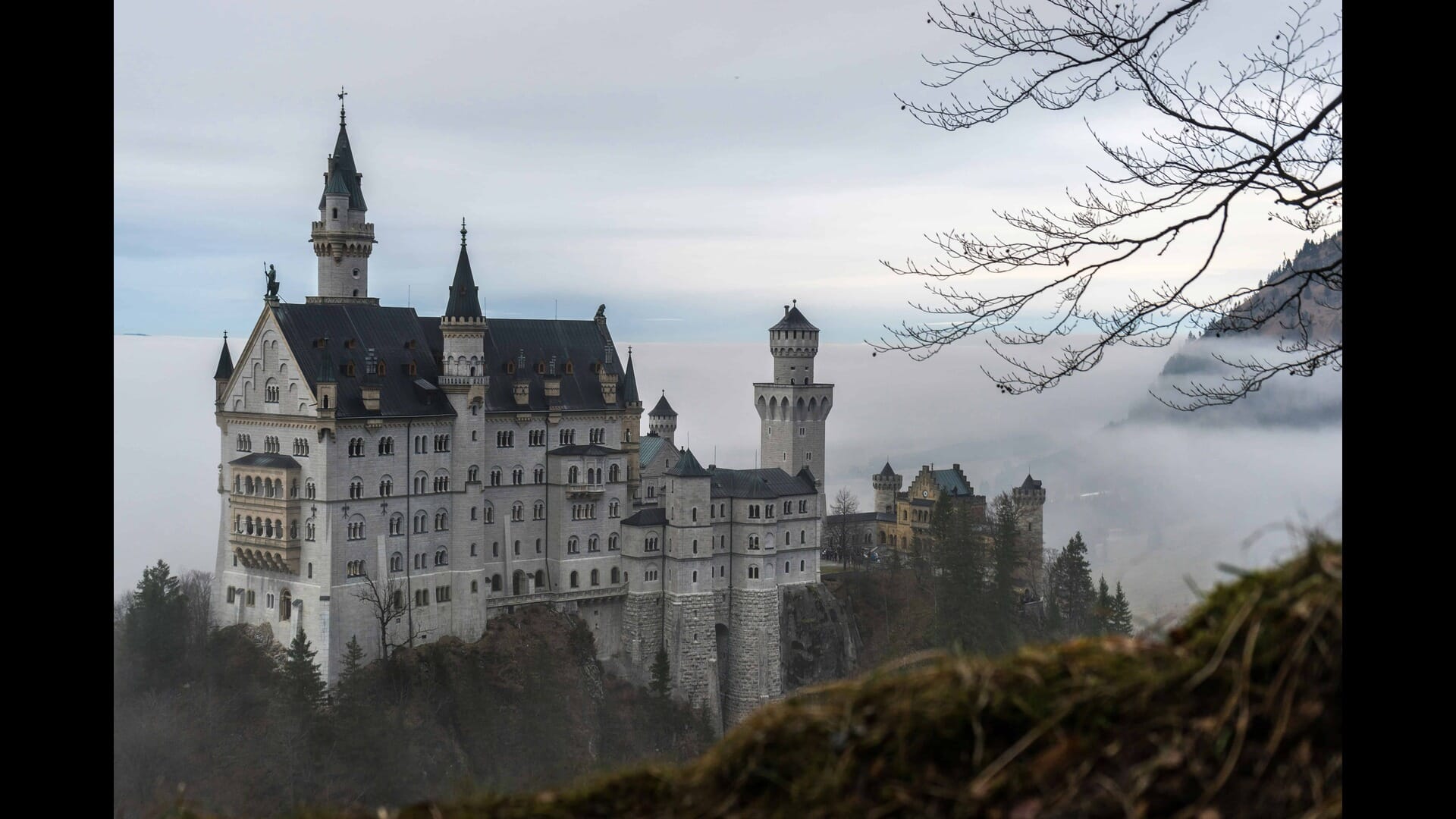
No exploration of Germany’s water temples would be complete without a visit to the iconic Neuschwanstein Castle. Nestled in the Bavarian Alps, this fairy-tale castle is surrounded by breathtaking landscapes and serene lakes, making it a perfect example of how water and architecture can harmoniously coexist.
Architectural Features
Neuschwanstein Castle, built in the 19th century, features a blend of Romanesque and Gothic architectural styles. The castle’s towers and turrets rise majestically above the surrounding landscape, while the nearby lakes reflect its grandeur. The castle’s interior is equally impressive, with lavishly decorated rooms that transport visitors back in time.
Cultural Significance
Commissioned by King Ludwig II of Bavaria, Neuschwanstein Castle was inspired by Wagnerian operas and medieval legends. The castle’s design incorporates elements of fantasy and romance, making it a symbol of the Romantic era in Germany. The surrounding lakes and forests add to its enchanting atmosphere, making it a must-visit destination for travelers.
3. The Water Temple of Eberbach Monastery
Eberbach Monastery, located in the Rheingau region, is a former Cistercian monastery that dates back to the 12th century. The monastery is renowned for its stunning architecture and beautiful gardens, which include a unique water temple dedicated to the Virgin Mary.
Architectural Features
The water temple at Eberbach Monastery is a simple yet elegant structure, featuring a small altar and a tranquil pool of water. The temple is surrounded by lush greenery, creating a peaceful atmosphere for reflection and meditation. The monastery itself showcases Romanesque and Gothic architectural elements, with impressive vaulted ceilings and intricate stone carvings.
Cultural Significance
Eberbach Monastery played a significant role in the development of viticulture in the Rheingau region. The monks cultivated vineyards and produced wine, which became famous throughout Europe. The water temple serves as a reminder of the spiritual connection between the land, water, and the cultivation of grapes, highlighting the importance of nature in monastic life.
4. The Water Temple of the Wörlitzer Park
Wörlitzer Park, a UNESCO World Heritage site, is home to a stunning water temple that exemplifies the English landscape garden style. Located in Saxony-Anhalt, this park was designed in the late 18th century and features a variety of picturesque structures, including the water temple.
Architectural Features
The water temple in Wörlitzer Park is a neoclassical structure that overlooks a serene lake. Its elegant columns and portico create a striking visual contrast against the lush greenery of the park. The temple is surrounded by walking paths, allowing visitors to enjoy the beauty of the landscape while reflecting on the significance of water in nature.
Cultural Significance
Wörlitzer Park was designed as a place of leisure and contemplation, reflecting the ideals of the Enlightenment. The water temple serves as a focal point within the park, symbolizing the harmony between nature and human creativity. It is a testament to the importance of water in shaping the landscape and enhancing the beauty of the environment.
5. The Temple of the Water Nymphs in the Black Forest
Deep in the heart of the Black Forest lies a hidden gem: the Temple of the Water Nymphs. This enchanting structure is dedicated to the mythical water nymphs of German folklore, who were believed to inhabit the streams and rivers of the region.
Architectural Features
The Temple of the Water Nymphs is a rustic structure made of wood and stone, blending seamlessly with the surrounding forest. Its design incorporates natural elements, with a thatched roof and intricate carvings depicting scenes from local legends. The temple is situated near a crystal-clear stream, adding to its mystical ambiance.
Cultural Significance
The water nymphs of German folklore represent the connection between nature and spirituality. The temple serves as a tribute to these mythical beings, inviting visitors to reflect on the importance of water in their lives. The surrounding forest is rich in biodiversity, making it a perfect setting for those seeking solace in nature.
The Architectural Styles of Germany’s Water Temples
The architectural styles of Germany’s water temples vary greatly, reflecting the diverse cultural influences that have shaped the country over the centuries. From Romanesque to Baroque, each style tells a story of its own.
Romanesque Architecture in Water Temples
Romanesque architecture is characterized by its thick walls, rounded arches, and sturdy pillars. Many of Germany’s earliest water temples were built in this style, showcasing the strength and durability of the structures. The use of local materials, such as sandstone and limestone, adds to the authenticity of these temples.
Gothic Influences on Water Temples
The Gothic period brought about a shift in architectural design, with an emphasis on verticality and light. Water temples built during this time often feature pointed arches, ribbed vaults, and intricate stained glass windows. These elements create a sense of ethereality, enhancing the spiritual atmosphere of the temples.
Baroque Splendor in Water Temples
The Baroque period is known for its grandeur and opulence, and this is evident in many of Germany’s water temples. Elaborate decorations, gilded accents, and dramatic sculptures characterize the Baroque style. Temples built during this era often served as focal points within gardens, reflecting the harmony between nature and art.
The Cultural Impact of Water Temples on German Society
Water temples have played a significant role in shaping German society and culture. They serve as reminders of the deep-rooted connection between people and nature, as well as the importance of spirituality in everyday life.
Water Temples as Community Gathering Places
Throughout history, water temples have served as gathering places for communities. Festivals, ceremonies, and rituals often took place near these sacred sites, fostering a sense of unity and belonging among the people. The temples became centers of social life, where individuals could come together to celebrate their shared beliefs and traditions.
The Influence of Water Temples on Art and Literature
The beauty and mystique of water temples have inspired countless artists and writers throughout history. From paintings to poetry, the themes of water and spirituality are prevalent in German art and literature. The temples serve as symbols of inspiration, reflecting the profound impact of nature on the creative process.
Modern-Day Relevance of Water Temples
In today’s fast-paced world, the significance of water temples remains relevant. They serve as reminders of the importance of preserving nature and maintaining a spiritual connection to the environment. Many visitors come to these temples seeking solace and reflection, highlighting the enduring legacy of these structures in contemporary society.
Visiting Germany’s Water Temples: A Practical Guide
If you’re planning a trip to explore Germany’s water temples, here are some practical tips to enhance your experience.
Best Time to Visit
The best time to visit Germany’s water temples is during the spring and summer months when the gardens are in full bloom, and the weather is pleasant. This is also when many festivals and events take place, allowing visitors to experience the cultural significance of these sites firsthand.
How to Get There
Germany is well-connected by public transportation, making it easy to reach the various water temples. Trains and buses are available to most major cities, and many temples are located within a short distance from public transit stations. Renting a car can also provide greater flexibility for exploring more remote locations.
What to Bring
When visiting water temples, it’s essential to bring comfortable walking shoes, a camera for capturing the stunning architecture, and a journal for jotting down your thoughts and reflections. Don’t forget to pack a water bottle to stay hydrated as you explore the beautiful surroundings.
Respecting the Sacred Spaces
As you visit these historical sites, it’s important to be respectful of the cultural and spiritual significance of the water temples. Follow any posted guidelines, refrain from loud noises, and take care not to disturb the natural environment. Your respect will enhance your experience and contribute to the preservation of these sacred spaces for future generations.
Conclusion: The Enduring Legacy of Germany’s Water Temples
Germany’s water temples are more than just architectural wonders; they are symbols of the deep connection between nature, spirituality, and community. As we explore these historical sites, we gain insight into the rich tapestry of German culture and the enduring significance of water in our lives. Whether you’re an architecture enthusiast, a history buff, or simply seeking a moment of tranquility, a journey through Germany’s water temples promises to be an unforgettable experience.
In conclusion, as you plan your travels, consider including these remarkable water temples in your itinerary. Each temple tells a story, inviting you to reflect on the past while appreciating the beauty of the present. So pack your bags, embark on this historical journey, and immerse yourself in the enchanting world of Germany’s water temples.