
Exploring the Unique Flora and Fauna of the Dominican Republic
Exploring the Unique Flora and Fauna of the Dominican Republic
The Dominican Republic, a jewel of the Caribbean, is not only known for its stunning beaches and vibrant culture but also for its rich biodiversity. This island nation is home to a plethora of unique flora and fauna, making it a paradise for nature lovers and eco-tourists alike.
In this article, we will embark on an extensive journey to explore the unique flora and fauna of the Dominican Republic, delving into its ecosystems, endemic species, conservation efforts, and much more.
The Biodiversity Hotspot of the Caribbean
The Dominican Republic is part of the Greater Antilles, a region renowned for its biodiversity. With over 6,000 species of plants and animals, many of which are endemic, the Dominican Republic is a vital ecological hotspot. The country boasts a variety of ecosystems, including tropical rainforests, dry forests, mangroves, and coastal areas, each hosting a unique array of flora and fauna.
Understanding Endemic Species in the Dominican Republic
Endemic species are those that are found nowhere else in the world. The Dominican Republic is home to several endemic plants and animals, making it a critical area for conservation. Some notable endemic species include:
- The Hispaniolan Solenodon: A small, nocturnal mammal that resembles a shrew, the solenodon is one of the few venomous mammals in the world. Its population is dwindling due to habitat loss and predation by introduced species.
- The Rhinoceros Iguana: This large lizard, native to the island, can grow up to 5 feet long. It is primarily herbivorous and plays a significant role in its ecosystem by dispersing seeds.
- The Hispaniolan Trogon: A beautiful bird with vibrant plumage, the Hispaniolan trogon is a symbol of the island's rich avian diversity.
Tropical Rainforests: A Lush Ecosystem
The tropical rainforests of the Dominican Republic are among the most biodiverse areas on the island. These forests are characterized by dense vegetation, towering trees, and a rich understory of shrubs and ferns. The rainforests are home to a variety of unique flora, including:
- Cacao Trees: The source of chocolate, cacao trees thrive in the humid conditions of the rainforest.
- Mahogany Trees: Known for their beautiful wood, mahogany trees are a vital part of the rainforest ecosystem.
- Orchids: The Dominican Republic is home to over 100 species of orchids, many of which bloom in stunning colors and shapes.
The Coastal Ecosystems of the Dominican Republic
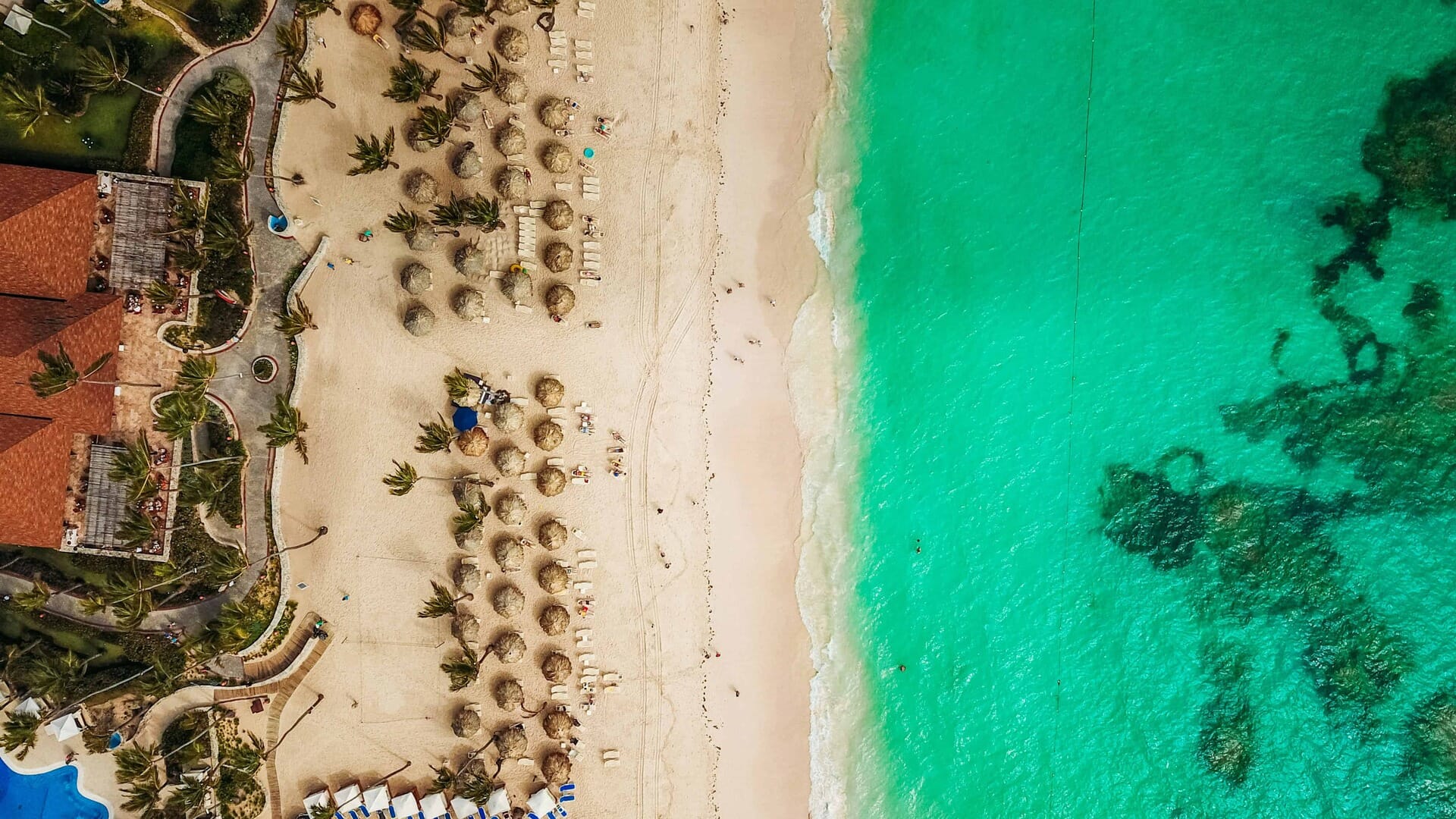
The coastal areas of the Dominican Republic are equally rich in biodiversity. From coral reefs to mangrove forests, these ecosystems support a wide range of marine and terrestrial life.
Coral Reefs: Underwater Wonders
The coral reefs surrounding the Dominican Republic are teeming with life. These underwater ecosystems provide habitat for numerous species of fish, invertebrates, and other marine organisms. Some key highlights include:
- Colorful Coral Species: The reefs are home to various coral species, including brain coral and staghorn coral, which provide structure and habitat for marine life.
- Diverse Fish Populations: Snorkelers and divers can encounter a variety of fish, including parrotfish, angelfish, and the elusive lionfish.
- Sea Turtles: Several species of sea turtles, including the endangered hawksbill and leatherback turtles, nest on the beaches of the Dominican Republic.
Mangroves: The Coastal Guardians
Mangrove forests are vital coastal ecosystems that provide numerous ecological benefits. They serve as nurseries for many marine species, protect coastlines from erosion, and act as carbon sinks. In the Dominican Republic, mangroves are home to:
- Bird Species: Many migratory and resident birds, such as herons and egrets, rely on mangroves for nesting and feeding.
- Crustaceans: Mangroves provide habitat for various crustaceans, including crabs and shrimp, which play a crucial role in the coastal food web.
The Importance of Conservation Efforts
As the Dominican Republic continues to develop, the pressures on its unique ecosystems increase. Conservation efforts are crucial to protect the island's biodiversity. Various organizations and initiatives are working to safeguard the flora and fauna of the Dominican Republic, including:
- National Parks: The Dominican Republic is home to several national parks, such as Jaragua National Park and Los Haitises National Park, which protect vital habitats and promote eco-tourism.
- Community Involvement: Local communities are increasingly involved in conservation efforts, recognizing the importance of preserving their natural heritage for future generations.
- Research and Education: Ongoing research and educational programs aim to raise awareness about the importance of biodiversity and the need for conservation.
Hiking and Eco-Tourism in the Dominican Republic
For those looking to immerse themselves in the natural beauty of the Dominican Republic, hiking and eco-tourism offer fantastic opportunities. The island features numerous trails and eco-tourism initiatives that allow visitors to explore its diverse ecosystems.
Popular Hiking Trails
- Los Tres Ojos: A series of limestone caves and lagoons located just outside Santo Domingo, Los Tres Ojos offers a unique hiking experience through stunning geological formations.
- Pico Duarte: The highest peak in the Caribbean, Pico Duarte is a challenging hike that rewards adventurers with breathtaking views and encounters with unique flora and fauna.
- El Choco National Park: This park features a network of trails that lead through lush forests, caves, and coastal areas, providing opportunities to see a variety of wildlife.
The Role of Local Communities in Conservation
Local communities play a vital role in the conservation of the Dominican Republic's flora and fauna. By engaging in sustainable practices and eco-tourism, they can help protect their natural resources while benefiting economically.
- Sustainable Agriculture: Many farmers are adopting sustainable practices that promote biodiversity and reduce environmental impact.
- Eco-Tourism Initiatives: Communities are developing eco-tourism initiatives that allow visitors to experience the natural beauty of the island while supporting local economies.
The Future of Biodiversity in the Dominican Republic
The future of the Dominican Republic's biodiversity depends on continued conservation efforts and sustainable practices. As awareness grows about the importance of protecting the island's unique flora and fauna, there is hope for a more sustainable future.
- Continued Research: Ongoing research into the island's ecosystems will help inform conservation strategies and promote biodiversity.
- Global Partnerships: Collaborations with international organizations can provide resources and expertise to support local conservation efforts.
Conclusion: A Call to Action
The Dominican Republic is a treasure trove of unique flora and fauna, offering endless opportunities for exploration and discovery. As travelers, we have a responsibility to protect this incredible biodiversity for future generations. By supporting conservation efforts, engaging in eco-tourism, and advocating for sustainable practices, we can help ensure that the natural beauty of the Dominican Republic endures.
In your next adventure, consider exploring the unique ecosystems of the Dominican Republic. Whether you are hiking through lush rainforests, snorkeling in vibrant coral reefs, or simply enjoying the beauty of the island's landscapes, you will undoubtedly be captivated by the rich biodiversity that awaits you. Let us all play a part in preserving this paradise for years to come.