
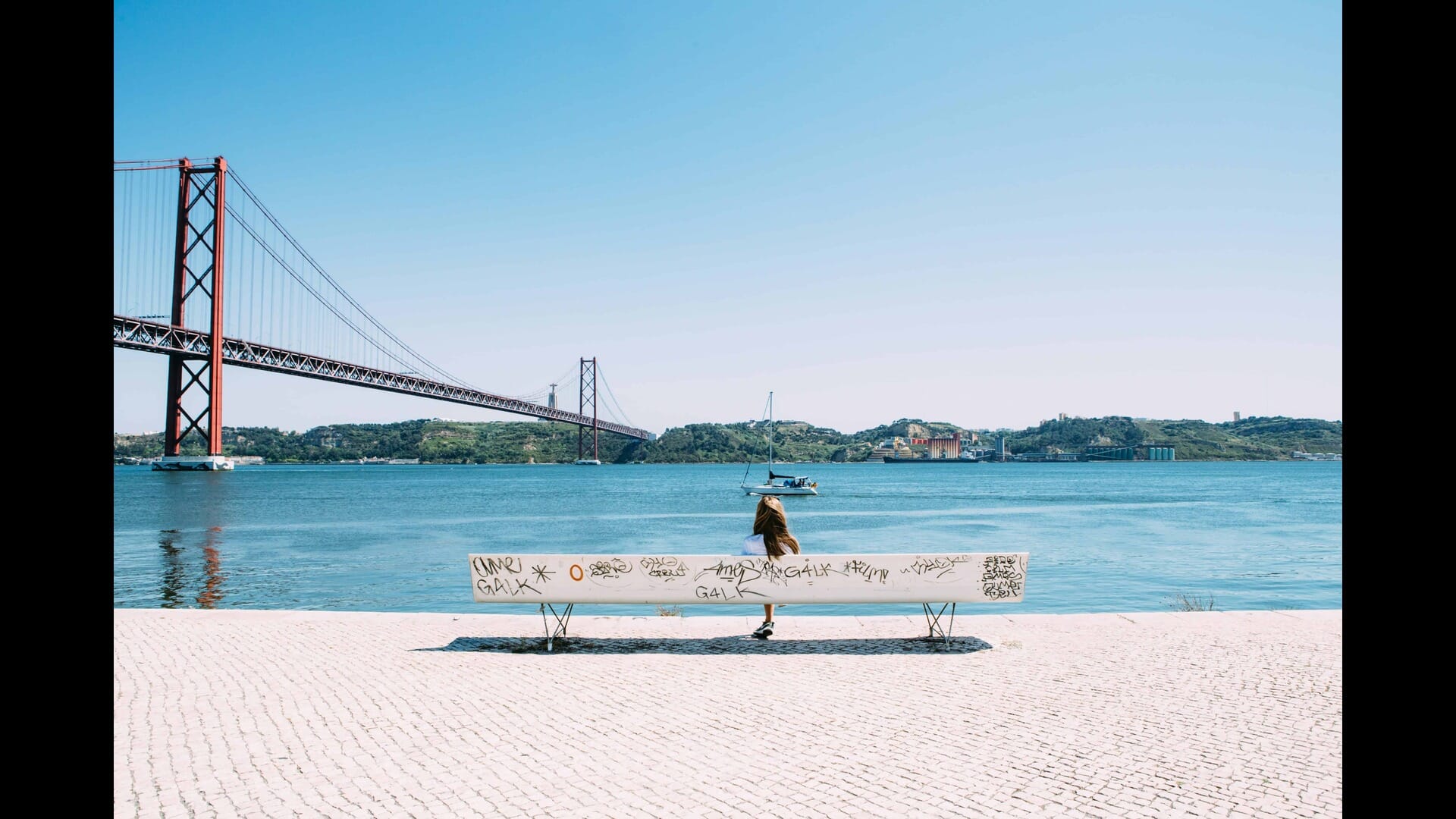
Exploring the Cultural Heritage of Faro: A Journey Through Time
Exploring the Cultural Heritage of Faro: A Journey Through Time
Faro, the capital of the Algarve region in southern Portugal, is a city that beautifully marries the old with the new. With its rich history, stunning architecture, and vibrant culture, Faro is a treasure trove for travelers seeking to immerse themselves in the local heritage.
This article will take you on a detailed exploration of Faro's cultural heritage, highlighting its historical landmarks, traditional festivals, local cuisine, and much more.
The Historical Significance of Faro: A Glimpse into the Past
Faro's history dates back to Roman times when it was known as Ossonoba. The remnants of this ancient civilization can still be seen today, making it a fascinating destination for history enthusiasts. The city has witnessed various rulers, from the Moors to the Portuguese, each leaving their mark on its cultural landscape.
Roman Influence in Faro: The Ruins of Ossonoba
The Roman ruins in Faro are a testament to the city’s ancient past. The Roman Theatre, dating back to the 1st century AD, is one of the most significant archaeological sites in the Algarve. This well-preserved structure, with its impressive stone seating and intricate carvings, offers a glimpse into the entertainment and social life of the Romans. Visitors can explore the site and imagine the performances that once captivated audiences.
Moorish Heritage: The Legacy of the Moors in Faro
After the Romans, the Moors invaded the region, bringing with them their architectural style and cultural practices. The Old Town, or Cidade Velha, is a prime example of Moorish influence, characterized by narrow cobblestone streets, whitewashed buildings, and intricate tile work. The Arco da Vila, a stunning archway that serves as the main entrance to the Old Town, is a beautiful representation of this period.
Architectural Wonders of Faro: A Blend of Styles
Faro's architecture is a captivating blend of various styles, reflecting its diverse history. From Gothic to Baroque, the city showcases a range of architectural marvels that tell the story of its evolution.
The Cathedral of Faro: A Gothic Masterpiece
The Cathedral of Faro, also known as Sé de Faro, is a must-visit landmark. Built in the 13th century, this Gothic structure features a mix of architectural styles, including Romanesque and Baroque elements. The cathedral's bell tower offers panoramic views of the city, making it a popular spot for photographers and history lovers alike. Inside, visitors can admire the stunning altarpieces and religious artifacts that reflect the city’s spiritual heritage.
The Palace of Estoi: A Romantic Escape
Just a short drive from Faro lies the Palace of Estoi, a romantic 19th-century palace surrounded by lush gardens. This architectural gem is a blend of Moorish and Romantic styles, featuring colorful tiles, ornate fountains, and beautifully manicured lawns. The palace is a perfect spot for a leisurely stroll, allowing visitors to soak in the beauty of its surroundings while learning about its history.
Museums of Faro: Preserving the Past
Faro is home to several museums that showcase its rich cultural heritage. These institutions play a vital role in preserving the city’s history and educating visitors about its traditions.
The Municipal Museum of Faro: A Journey Through Time
The Municipal Museum of Faro, located in a former convent, is a treasure trove of artifacts that narrate the city’s history. The museum features archaeological finds, religious art, and exhibitions on local traditions. One of the highlights is the collection of Roman artifacts, including pottery and coins, which provide insight into the daily life of ancient inhabitants.
The Maritime Museum: Celebrating Faro’s Connection to the Sea
Faro’s coastal location has shaped its identity, and the Maritime Museum celebrates this connection. The museum showcases the region’s maritime history, including fishing traditions and shipbuilding techniques. Visitors can explore exhibits featuring traditional fishing boats, navigational instruments, and stories of local fishermen who braved the Atlantic waters.
Traditional Festivals in Faro: A Celebration of Culture
Faro’s cultural heritage is also expressed through its vibrant festivals, which bring the community together to celebrate traditions, music, and cuisine.
The Festival of Nossa Senhora do Carmo: A Religious Celebration
One of the most significant events in Faro is the Festival of Nossa Senhora do Carmo, held in July. This religious festival honors the city’s patron saint and features a colorful procession, traditional music, and local cuisine. The streets come alive with the sounds of folk music, and visitors can taste delicious local dishes, including cataplana, a traditional seafood stew.
The Faro International Music Festival: A Melodic Experience
For music lovers, the Faro International Music Festival is a highlight of the cultural calendar. This annual event attracts artists from around the world, showcasing a diverse range of genres, from classical to contemporary. Concerts are held in various venues throughout the city, allowing attendees to experience the magic of music in stunning settings.
Local Cuisine: A Taste of Faro’s Heritage
No exploration of Faro’s cultural heritage would be complete without indulging in its local cuisine. The city’s culinary scene is a reflection of its history, with influences from various cultures.
Seafood Delights: Fresh from the Atlantic
Faro’s coastal location means that seafood plays a prominent role in its cuisine. Local restaurants serve a variety of dishes, including grilled sardines, octopus salad, and arroz de marisco, a seafood rice dish that is a must-try for visitors. The freshness of the ingredients, combined with traditional cooking methods, creates a dining experience that is both authentic and delicious.
Sweet Treats: Traditional Desserts of Faro
For those with a sweet tooth, Faro offers a range of traditional desserts that are worth sampling. Dom Rodrigo, a sweet made from eggs and almonds, is a local favorite. Another popular treat is Folar de Páscoa, a sweet bread traditionally eaten during Easter, often filled with nuts and spices. These desserts reflect the region’s agricultural heritage and are a delightful way to end a meal.
Arts and Crafts: The Creative Spirit of Faro
Faro is not only rich in history but also in artistic expression. The city is home to a thriving arts scene, with local artisans showcasing their talents through various crafts.
Pottery and Ceramics: A Traditional Craft
The art of pottery and ceramics has deep roots in Faro’s culture. Local artisans create beautiful pieces using traditional techniques, often inspired by the region’s natural beauty. Visitors can explore workshops and galleries to see the craftsmanship firsthand and even purchase unique souvenirs to take home.
The Art of Filigree: Intricate Jewelry Making
Filigree, a delicate form of jewelry making, is another traditional craft that thrives in Faro. Artisans create intricate designs using fine silver or gold threads, resulting in stunning pieces that reflect the region’s heritage. Visitors can learn about the history of filigree and watch artisans at work, creating beautiful jewelry that tells a story.
Exploring the Natural Beauty Surrounding Faro
Beyond its cultural heritage, Faro is also blessed with stunning natural landscapes that enhance its charm. The surrounding areas offer opportunities for outdoor activities and exploration.
Ria Formosa Natural Park: A Biodiversity Hotspot
The Ria Formosa Natural Park, a protected lagoon system, is a must-visit for nature lovers. This UNESCO Biosphere Reserve is home to diverse wildlife, including migratory birds and unique plant species. Visitors can explore the park through walking trails or boat tours, immersing themselves in the beauty of the natural environment while learning about its ecological significance.
The Beaches of Faro: Sun, Sand, and Serenity
Faro is also known for its beautiful beaches, which offer a perfect escape for relaxation and recreation. Praia de Faro, a long stretch of golden sand, is popular among locals and tourists alike. Visitors can enjoy sunbathing, swimming, and water sports, making it an ideal destination for beach lovers.
Practical Tips for Exploring Faro’s Cultural Heritage
As you plan your journey to Faro, here are some practical tips to enhance your experience:
Getting Around Faro: Transportation Options
Faro is a walkable city, and many of its cultural attractions are located within the Old Town. However, public transportation options, including buses and taxis, are available for those looking to explore further afield. Renting a bicycle is also a great way to see the city at your own pace.
Best Time to Visit Faro: Seasonal Highlights
The best time to visit Faro is during the spring and fall when the weather is pleasant, and the tourist crowds are smaller. However, if you want to experience the vibrant festivals, summer is the ideal time to visit, as the city comes alive with celebrations.
Local Etiquette: Respecting Traditions
When exploring Faro, it’s essential to respect local customs and traditions. Learning a few basic Portuguese phrases can go a long way in connecting with locals and enhancing your experience.
Conclusion: Embracing the Cultural Heritage of Faro
Faro is a city that invites exploration and discovery. Its rich cultural heritage, from historical landmarks to vibrant festivals, offers a unique glimpse into the past while celebrating the present. Whether you’re wandering through the cobblestone streets of the Old Town, savoring local cuisine, or immersing yourself in the arts, Faro promises an unforgettable journey through time. So pack your bags, and get ready to explore the cultural heritage of Faro, a hidden gem in the heart of the Algarve.