
Exploring the Cultural Heritage of the Algarve: A Journey Through History, Art, and Tradition
Exploring the Cultural Heritage of the Algarve: A Journey Through History, Art, and Tradition
The Algarve, Portugal's southernmost region, is a treasure trove of cultural heritage waiting to be explored. With its stunning coastline, picturesque villages, and rich history, the Algarve offers a unique blend of natural beauty and cultural richness.
This article will take you on an extensive journey through the Algarve, exploring its history, art, traditions, and local cuisine. Prepare to immerse yourself in a region where every corner tells a story, and every experience is a celebration of its vibrant culture.
The Historical Significance of the Algarve
The Algarve has a history that dates back thousands of years, influenced by various civilizations, including the Romans, Moors, and Portuguese. Each of these cultures has left an indelible mark on the region, shaping its architecture, traditions, and way of life.
Ancient Roots: The Roman Influence
The Roman presence in the Algarve can be traced back to the 2nd century BC. The region was known as “Lusitania,” and it became a vital part of the Roman Empire due to its strategic location and fertile lands. Today, remnants of Roman architecture can be found throughout the Algarve, particularly in towns like Silves and Faro. The Roman ruins of Milreu, near Estoi, showcase stunning mosaics and ancient baths, providing a glimpse into the luxurious lifestyle of the time.
The Moorish Era: A Cultural Renaissance
In the 8th century, the Moors invaded the Iberian Peninsula, bringing with them advanced agricultural techniques, architecture, and a rich cultural heritage. The Algarve flourished under Moorish rule, and many towns still bear the influence of this era. The castle of Silves, once the capital of the Algarve, stands as a testament to the Moorish architectural style, with its red sandstone walls and stunning views of the surrounding countryside.
The Age of Discoveries: A Maritime Legacy
The Algarve played a significant role during the Age of Discoveries in the 15th and 16th centuries. The region’s ports, such as Lagos and Sagres, were crucial for maritime exploration. The Fort of Sagres, built by Prince Henry the Navigator, served as a school for navigators and a launching point for expeditions to Africa and the Americas. Today, visitors can explore the fort and learn about its pivotal role in shaping world history.
Architectural Wonders of the Algarve
The Algarve's architectural landscape is a reflection of its diverse cultural influences. From Moorish castles to Baroque churches, the region's buildings tell the story of its past.
Moorish Castles and Fortifications
The remnants of Moorish architecture can be seen in various towns across the Algarve. The Castle of Silves is one of the most impressive examples, with its towering walls and well-preserved battlements. Visitors can wander through the castle grounds, enjoying panoramic views of the surrounding countryside and the historic town below.
Baroque Churches: A Testament to Faith
The Algarve is home to numerous Baroque churches, showcasing intricate designs and stunning altarpieces. The Church of São Lourenço in Almancil is a prime example, featuring beautiful azulejos (ceramic tiles) that depict scenes from the life of Saint Lawrence. The church's interior is a feast for the eyes, with gilded woodwork and elaborate decorations that reflect the region's religious devotion.
Traditional Algarvean Architecture
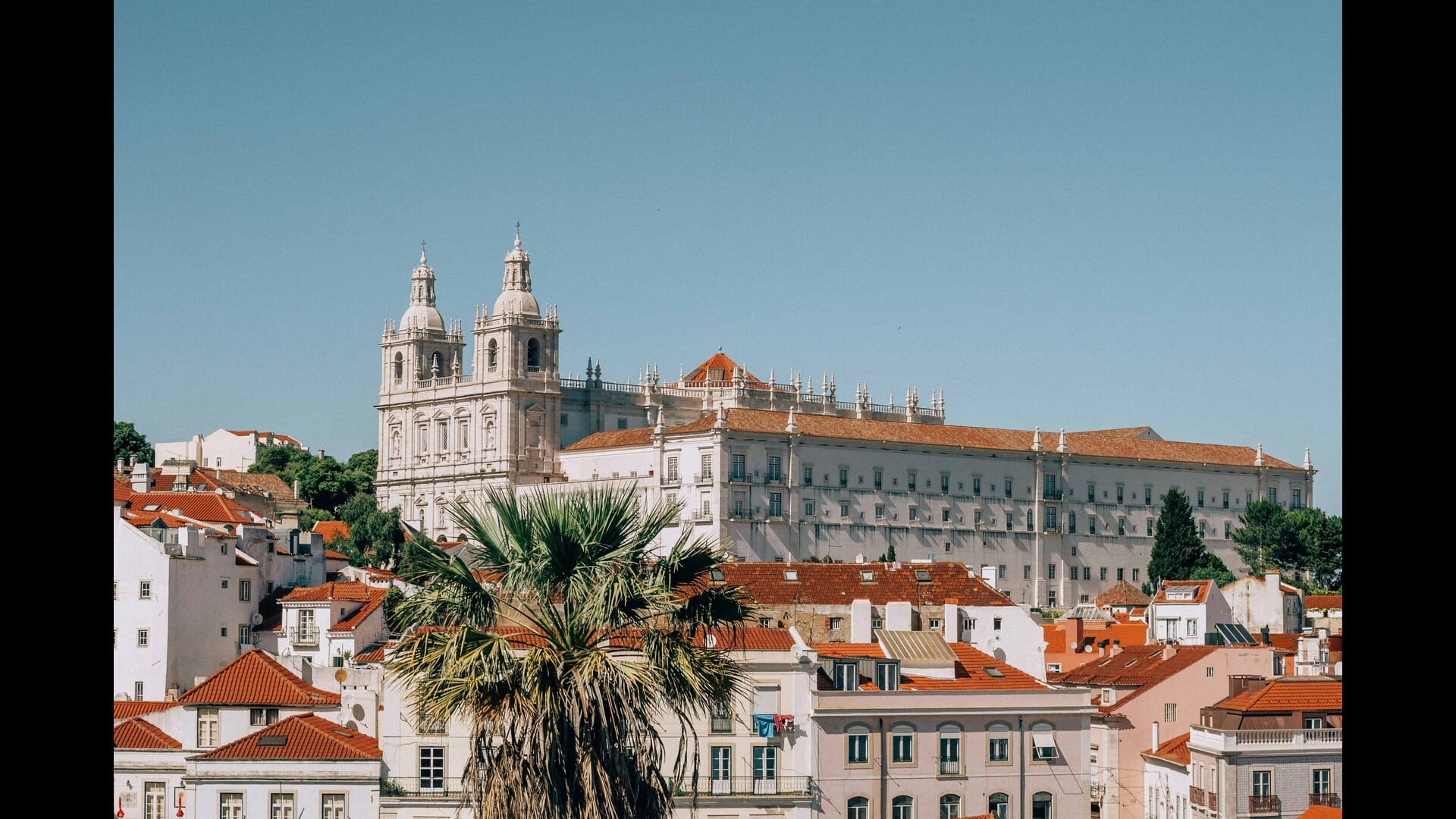
The traditional architecture of the Algarve is characterized by whitewashed houses, terracotta roofs, and colorful shutters. The village of Tavira is particularly charming, with its narrow streets and historic buildings. The Roman Bridge and the Tavira Castle are must-see attractions that highlight the town's rich history and architectural beauty.
The Vibrant Arts Scene in the Algarve
The Algarve is not only rich in history but also boasts a thriving arts scene. From traditional crafts to contemporary art, the region is a hub of creativity.
Traditional Crafts: Preserving Heritage
The Algarve is known for its traditional crafts, including pottery, weaving, and lace-making. The town of Lagos is famous for its pottery, where artisans create beautiful ceramic pieces using techniques passed down through generations. Visitors can explore local workshops and even participate in pottery-making classes to experience this ancient craft firsthand.
Contemporary Art: A Modern Expression
In contrast to its traditional crafts, the Algarve also embraces contemporary art. The Museu Municipal de Faro features a collection of modern art pieces alongside historical artifacts, showcasing the region's artistic evolution. Additionally, various art galleries and exhibitions throughout the Algarve highlight the work of local and international artists, making it a vibrant destination for art lovers.
Festivals Celebrating Art and Culture
Throughout the year, the Algarve hosts numerous festivals that celebrate its rich cultural heritage. The Festa de São Martinho in Albufeira is a popular event where locals and visitors come together to enjoy traditional music, dance, and cuisine. The Festa da Nossa Senhora da Rocha in Porches is another highlight, featuring processions, fireworks, and a vibrant atmosphere that showcases the region's deep-rooted traditions.
Culinary Delights: The Flavors of the Algarve
No exploration of the Algarve would be complete without indulging in its culinary delights. The region's cuisine is a reflection of its history, geography, and cultural influences.
Fresh Seafood: A Coastal Tradition
The Algarve's location along the Atlantic coast means that seafood plays a central role in its culinary scene. Dishes such as grilled sardines, octopus salad, and cataplana (a seafood stew) are local favorites. The bustling markets in towns like Lagos and Faro offer an abundance of fresh fish and shellfish, allowing visitors to sample the region's culinary treasures.
Traditional Dishes: A Taste of History
The Algarve is also known for its traditional dishes that reflect its agricultural heritage. Piri-piri chicken, marinated in spicy chili sauce, is a must-try, as is alcatra, a slow-cooked beef dish. The region's famous figs and almonds are often used in desserts, adding a sweet touch to the culinary experience.
Wine and Olive Oil: Liquid Gold
The Algarve is home to several vineyards and olive groves, producing high-quality wines and olive oil. The Algarve Wine Route offers visitors the chance to explore local wineries, taste exquisite wines, and learn about the winemaking process. Pairing local wines with traditional dishes is a delightful way to experience the region's flavors.
The Festivals of the Algarve: Celebrating Tradition and Culture
The Algarve is a region that loves to celebrate its culture and traditions through vibrant festivals. These events are a fantastic way to experience the local way of life and immerse yourself in the region's rich heritage.
Carnival: A Colorful Extravaganza
Carnival in the Algarve is a lively celebration filled with parades, music, and dancing. Towns like Lagos and Faro come alive with colorful costumes and elaborate floats, attracting locals and tourists alike. The festivities typically take place in February or March, culminating in a grand finale before Lent.
Festa de São João: A Night of Fire and Light
The Festa de São João in Faro is a unique celebration that takes place in June. The festival is marked by bonfires, fireworks, and the traditional practice of throwing herbs into the fire for good luck. Locals and visitors gather along the waterfront to enjoy live music, delicious food, and a sense of community.
The Algarve International Film Festival
For film enthusiasts, the Algarve International Film Festival is a must-attend event. Held annually, the festival showcases a diverse range of films from around the world, providing a platform for emerging filmmakers. Screenings, workshops, and discussions create an engaging atmosphere for cinema lovers.
Exploring the Natural Beauty of the Algarve
Beyond its cultural heritage, the Algarve is renowned for its stunning natural landscapes. From rugged cliffs to golden beaches, the region offers a diverse range of outdoor experiences.
The Algarve Coast: A Natural Wonder
The Algarve's coastline is famous for its dramatic cliffs, hidden coves, and pristine beaches. The Ria Formosa Natural Park is a protected area that boasts a unique ecosystem, home to various bird species and marine life. Visitors can explore the park through walking trails, boat tours, or kayaking, immersing themselves in the region's natural beauty.
Hiking Trails: Discovering the Algarve on Foot
For those who enjoy hiking, the Algarve offers numerous trails that showcase its breathtaking landscapes. The Via Algarviana is a long-distance trail that stretches from the Spanish border to Cape St. Vincent, providing stunning views of the countryside and coastline. Along the way, hikers can discover charming villages, historic sites, and the region's diverse flora and fauna.
Water Sports: Adventure Awaits
The Algarve is a paradise for water sports enthusiasts. From surfing and paddleboarding to diving and snorkeling, the region's clear waters and favorable conditions make it an ideal destination for adventure seekers. Popular spots like Arrifana and Amado Beach attract surfers from around the world, while the calm waters of the Ria Formosa are perfect for kayaking and birdwatching.
Conclusion: A Cultural Journey Through the Algarve
Exploring the cultural heritage of the Algarve is a journey that encompasses history, art, traditions, and culinary delights. From ancient ruins to vibrant festivals, the region offers a wealth of experiences that celebrate its rich past and dynamic present. Whether you're wandering through charming villages, savoring local cuisine, or immersing yourself in the arts, the Algarve invites you to discover its unique cultural tapestry. So pack your bags and embark on an unforgettable adventure in this enchanting corner of Portugal, where every moment is a celebration of heritage and beauty.