
Exploring Croatia’s Wildlife: A Guide to Biodiversity
Exploring Croatia’s Wildlife: A Guide to Biodiversity
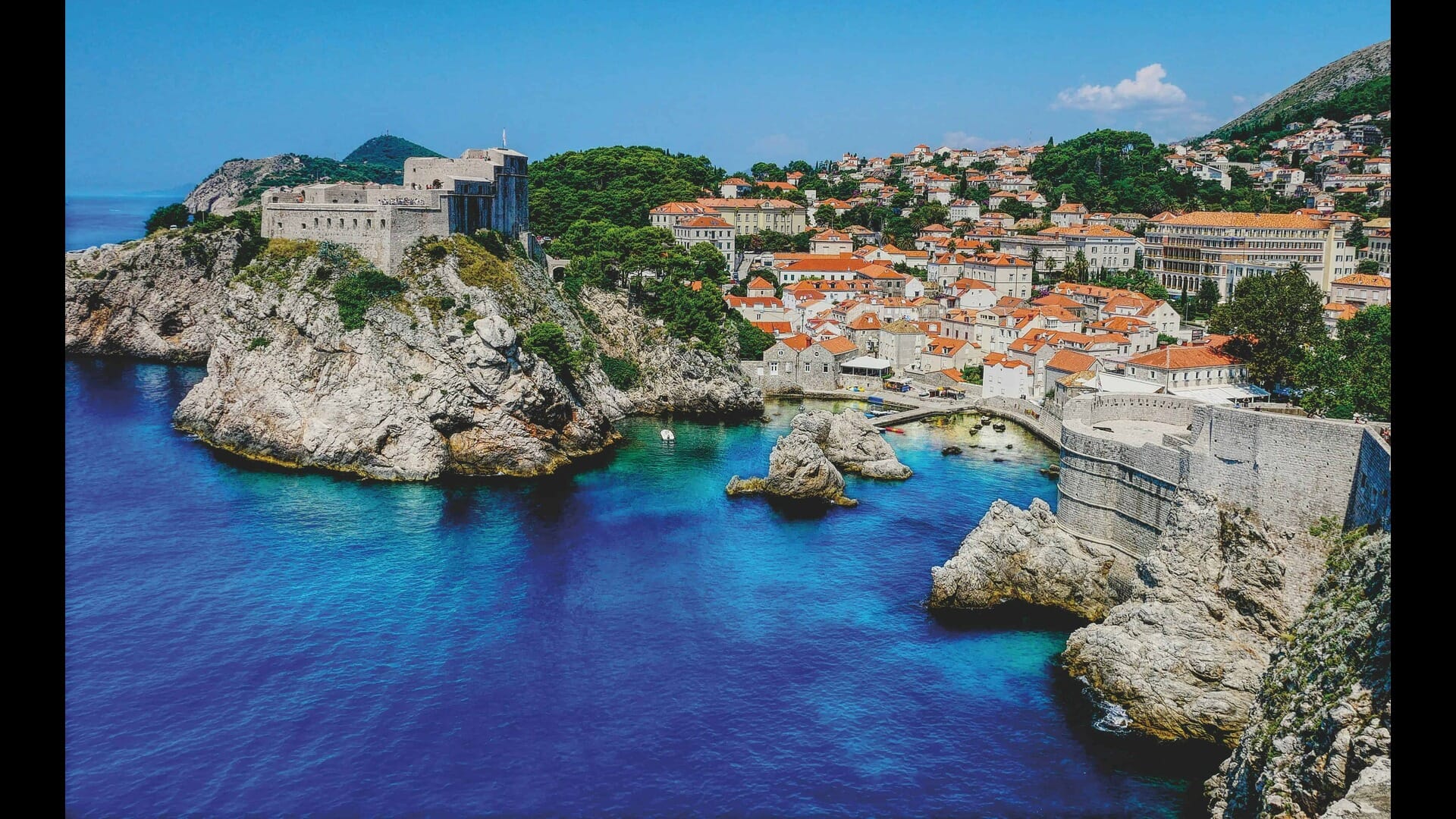
Croatia, a gem nestled in the heart of Europe, is renowned not only for its stunning coastline and rich history but also for its incredible biodiversity. With diverse ecosystems ranging from the Adriatic Sea to the mountainous regions, Croatia is a haven for wildlife enthusiasts and nature lovers alike.
This article will take you on an immersive journey through Croatia’s varied landscapes, exploring its unique flora and fauna, national parks, conservation efforts, and eco-tourism opportunities.
The Importance of Biodiversity in Croatia
Biodiversity refers to the variety of life found on Earth, encompassing the diversity of species, ecosystems, and genetic variation. In Croatia, biodiversity is crucial for maintaining ecological balance, supporting tourism, and preserving cultural heritage. The country is home to over 30,000 species of plants and animals, many of which are endemic to the region. This rich tapestry of life contributes to the overall health of the environment and offers numerous benefits to local communities and visitors.
Croatia’s Unique Ecosystems and Habitats
Croatia boasts a range of ecosystems, each supporting distinct wildlife. From the coastal regions along the Adriatic Sea to the dense forests of the interior, each habitat plays a vital role in the country's biodiversity.
Coastal and Marine Ecosystems
The Adriatic Sea is home to a wealth of marine life, including over 300 species of fish, dolphins, and various invertebrates. The underwater world is characterized by vibrant coral reefs, seagrass meadows, and rocky coastlines, making it a prime location for snorkeling and diving. The unique marine biodiversity supports local fisheries and contributes to the region's economy.
Forest Ecosystems
Croatia's forests cover about 40% of the country and are primarily composed of beech, fir, and oak trees. These forests provide habitat for a variety of species, including bears, wolves, and lynxes. The rich undergrowth is home to numerous bird species, making it a paradise for birdwatchers. The forests also play a crucial role in carbon sequestration and soil conservation.
Freshwater Ecosystems
The country is dotted with rivers, lakes, and wetlands, which are vital for many species. The Plitvice Lakes National Park, a UNESCO World Heritage site, is famous for its cascading lakes and diverse wildlife. The park is home to numerous amphibians, fish, and birds, making it an essential area for conservation efforts.
National Parks and Protected Areas in Croatia
Croatia is home to eight national parks and numerous nature parks, each showcasing the country's stunning landscapes and rich biodiversity. Here, we will explore some of the most notable parks and their unique wildlife.
Plitvice Lakes National Park
Plitvice Lakes National Park is perhaps the most famous national park in Croatia, known for its breathtaking lakes and waterfalls. The park is home to a variety of wildlife, including deer, bears, and over 140 species of birds. The unique karst landscape creates a diverse range of habitats, making it a hotspot for biodiversity.
Krka National Park
Krka National Park is famous for its stunning waterfalls and rich biodiversity. The park is home to numerous species of fish, amphibians, and birds, including the endangered white-tailed eagle. Visitors can explore the park's trails and enjoy swimming in the crystal-clear waters of the Krka River.
Paklenica National Park
Paklenica National Park is a paradise for hikers and climbers, featuring dramatic canyons and diverse flora and fauna. The park is home to various species of birds, including the golden eagle, and offers a unique opportunity to observe wildlife in its natural habitat.
Risnjak National Park
Risnjak National Park is known for its pristine forests and diverse wildlife. The park is home to a variety of mammals, including bears, wolves, and lynxes, as well as numerous bird species. The park's mountainous terrain offers breathtaking views and numerous hiking trails.
Brijuni National Park
Brijuni National Park is an archipelago off the coast of Istria, known for its rich history and diverse wildlife. The park is home to various species of birds, including flamingos, and offers opportunities for eco-tourism and wildlife observation.
Unique Species of Flora and Fauna in Croatia
Croatia is home to many unique species that are endemic to the region. These species contribute to the country's rich biodiversity and are a testament to the importance of conservation efforts.
Endemic Plant Species
Croatia is home to over 1,000 species of plants that are found nowhere else in the world. These endemic species are often found in specific habitats, such as the karst regions and coastal areas. Some notable examples include the Croatian bellflower and the Dalmatian sage.
Endangered Animal Species
Many animal species in Croatia are threatened or endangered due to habitat loss and human activities. The European brown bear, the Balkan lynx, and the griffon vulture are just a few examples of the unique wildlife that require conservation efforts to ensure their survival.
Wildlife Conservation Efforts in Croatia
Conservation efforts in Croatia are crucial for protecting the country's rich biodiversity. Various organizations and government initiatives work to preserve habitats, protect endangered species, and promote sustainable tourism.
National Parks and Protected Areas
The establishment of national parks and protected areas is a significant step in conserving Croatia's biodiversity. These areas are managed to protect ecosystems and wildlife while allowing for sustainable tourism and recreation.
Community Involvement in Conservation
Local communities play a vital role in conservation efforts. Many organizations work with local residents to promote sustainable practices and raise awareness about the importance of biodiversity. Community-led initiatives often focus on protecting habitats and species while providing economic benefits through eco-tourism.
Research and Monitoring
Ongoing research and monitoring are essential for understanding and protecting Croatia's biodiversity. Scientists and conservationists study various species and ecosystems to gather data that informs conservation strategies and policies.
Eco-Tourism Opportunities in Croatia
Eco-tourism is a growing industry in Croatia, offering visitors the chance to explore the country's natural beauty while supporting conservation efforts. Here are some eco-tourism opportunities to consider during your visit.
Wildlife Photography Tours
For photography enthusiasts, Croatia offers numerous opportunities to capture stunning wildlife images. Guided photography tours are available in national parks and protected areas, allowing visitors to observe and photograph various species in their natural habitats.
Birdwatching Adventures
Croatia is a paradise for birdwatchers, with numerous species to observe throughout the year. Guided birdwatching tours are available in various locations, including wetlands, forests, and coastal areas, providing opportunities to see both resident and migratory species.
Hiking and Nature Trails
Exploring Croatia's national parks and nature reserves on foot is an excellent way to experience the country's biodiversity. Many parks offer well-marked trails that lead through diverse ecosystems, providing opportunities to observe wildlife and enjoy breathtaking views.
The Role of Education in Biodiversity Conservation
Education plays a crucial role in promoting awareness and understanding of biodiversity conservation. Various programs and initiatives aim to educate the public about the importance of protecting Croatia's unique wildlife and ecosystems.
School Programs and Workshops
Many national parks and conservation organizations offer educational programs for schools, focusing on biodiversity and conservation. These programs often include hands-on activities, workshops, and guided tours, helping students connect with nature and understand the importance of protecting it.
Public Awareness Campaigns
Public awareness campaigns are essential for promoting conservation efforts and encouraging sustainable practices. These campaigns often focus on the importance of biodiversity, the threats facing wildlife, and how individuals can contribute to conservation efforts.
Conclusion: Embracing Croatia’s Biodiversity
Croatia's rich biodiversity is a treasure that deserves to be explored and protected. From its stunning national parks to its unique species, the country offers endless opportunities for adventure and discovery. By embracing eco-tourism and supporting conservation efforts, visitors can help ensure that Croatia's wildlife thrives for generations to come. Whether you're hiking through lush forests, snorkeling in crystal-clear waters, or simply enjoying the beauty of nature, Croatia's biodiversity is sure to leave a lasting impression.
As you plan your next adventure, consider exploring the incredible wildlife that Croatia has to offer. With its diverse ecosystems, unique species, and commitment to conservation, Croatia is a destination that promises unforgettable experiences and a deeper appreciation for the natural world.