
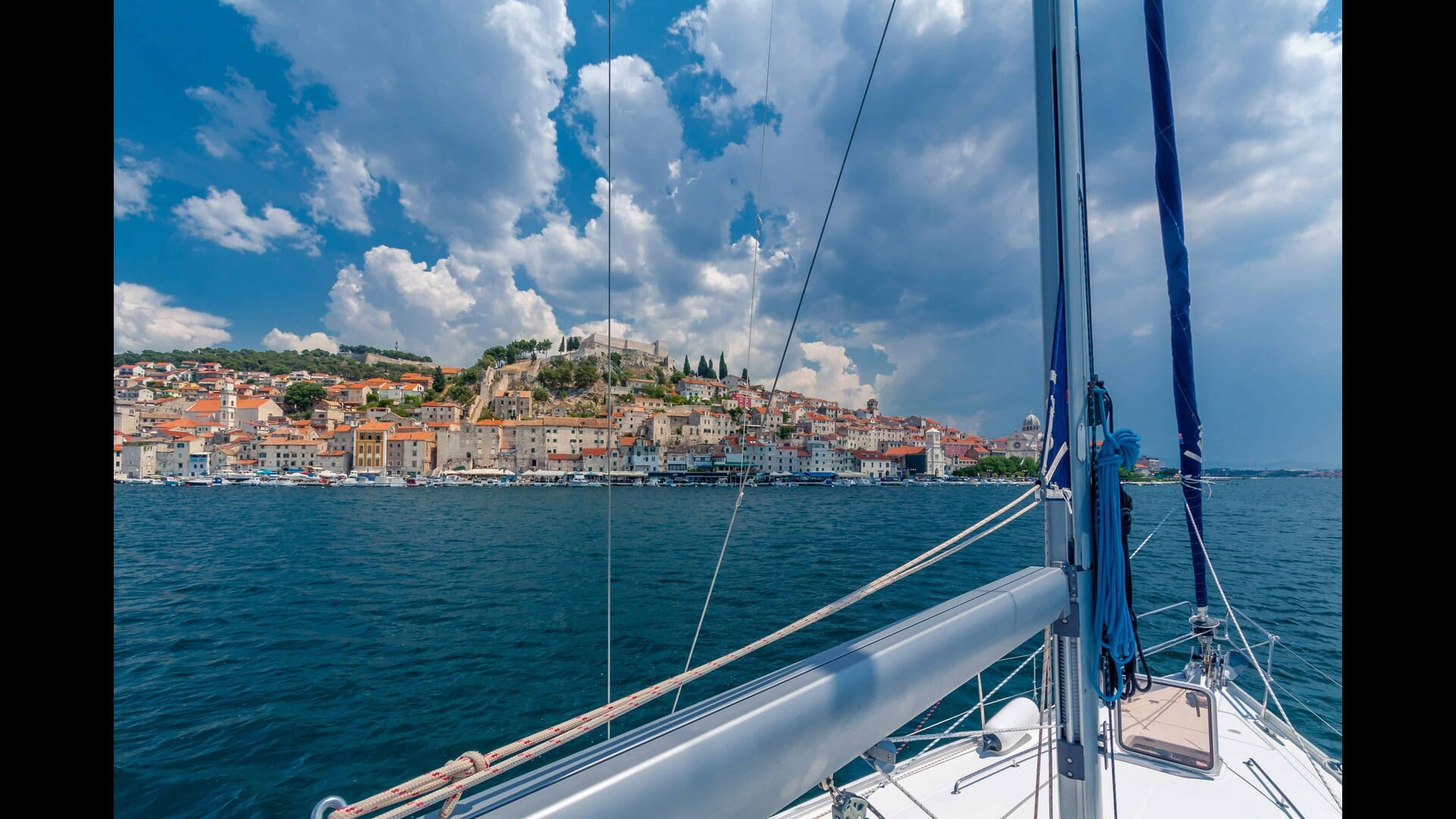
Exploring Croatia’s Water Temples: A Historical Journey
Exploring Croatia’s Water Temples: A Historical Journey
Croatia, a country renowned for its stunning coastlines, rich history, and vibrant culture, is home to an array of hidden gems waiting to be explored. Among these treasures are the enchanting water temples, ancient structures that not only showcase remarkable architecture but also tell stories of the past that resonate through the ages.
This article embarks on a detailed journey through Croatia’s water temples, delving into their historical significance, architectural beauty, and the serene natural landscapes that surround them.
The Allure of Croatia’s Water Temples
Croatia’s water temples are more than just architectural marvels; they are sacred spaces that have been revered for centuries. These temples, often situated near rivers, lakes, or the sea, embody the harmonious relationship between nature and spirituality. The allure of these sites lies in their ability to transport visitors back in time, allowing them to experience the rituals and beliefs of ancient civilizations.
As we explore these water temples, we will uncover the stories of the people who built them, the deities they honored, and the cultural practices that flourished in their shadows. Each temple is a testament to the ingenuity and devotion of those who came before us, and their beauty continues to captivate travelers from around the world.
The Historical Context of Water Temples in Croatia
To fully appreciate the significance of Croatia’s water temples, it is essential to understand the historical context in which they were built. The region has a rich tapestry of influences, from the ancient Illyrians and Romans to the Byzantines and Venetians. Each civilization left its mark on the landscape, contributing to the unique blend of architectural styles and cultural practices that define Croatia today.
Ancient Illyrians and Their Sacred Sites
The Illyrians, the ancient inhabitants of the western Balkans, were known for their strong connection to nature and spirituality. They often built sacred sites near water sources, believing that these locations were imbued with divine energy. The remnants of their rituals can still be felt in the water temples that dot the Croatian landscape.
Roman Influence on Croatian Architecture
With the arrival of the Romans, Croatia experienced a significant transformation. The Romans were master builders, and their architectural prowess is evident in the ruins of ancient temples and aqueducts that still stand today. Many of Croatia’s water temples were constructed during this period, showcasing the grandeur of Roman engineering and the importance of water in their religious practices.
Byzantine and Venetian Contributions
The Byzantine Empire further enriched Croatia’s architectural heritage, introducing intricate mosaics and domed structures. The Venetians, who ruled parts of Croatia for centuries, left behind a legacy of stunning palaces and churches. The fusion of these diverse influences is what makes Croatia’s water temples so unique and historically significant.
A Closer Look at Notable Water Temples in Croatia
Now that we have established the historical context, let’s take a closer look at some of the most notable water temples in Croatia. Each of these sites offers a unique glimpse into the past and is a must-visit for anyone interested in history, architecture, and spirituality.
1. The Temple of Jupiter in Split
Located in the heart of Split, the Temple of Jupiter is one of the best-preserved Roman temples in Croatia. Built in the 3rd century AD, this temple was dedicated to the Roman god Jupiter and served as a place of worship for the local population.
The temple’s stunning architecture features Corinthian columns and intricate carvings, while its location near the sea adds to its allure. Visitors can explore the temple’s interior, which houses a statue of Jupiter, and admire the beautiful surroundings that make this site so special.
2. The Sacred Spring of St. John in the Velebit Mountains
Nestled in the breathtaking Velebit Mountains, the Sacred Spring of St. John is a hidden gem that offers a serene escape from the hustle and bustle of city life. This ancient site is believed to have been a place of pilgrimage for centuries, attracting those seeking healing and spiritual renewal.
The crystal-clear waters of the spring are said to possess miraculous properties, and visitors often leave offerings in gratitude for the blessings they receive. The surrounding natural beauty, with its lush forests and majestic peaks, creates a tranquil atmosphere that enhances the spiritual experience.
3. The Church of St. Nicholas in Zadar
The Church of St. Nicholas, located in the coastal city of Zadar, is a stunning example of Romanesque architecture. Built in the 11th century, this church is dedicated to the patron saint of sailors and is situated near the sea, symbolizing the connection between faith and water.
The church’s interior is adorned with beautiful frescoes and intricate stonework, while its proximity to the waterfront allows visitors to enjoy breathtaking views of the Adriatic Sea. The Church of St. Nicholas is not only a place of worship but also a cultural landmark that reflects the maritime heritage of Zadar.
4. The Water Temple of St. Mary in Krka National Park
Krka National Park is renowned for its stunning waterfalls and lush landscapes, but it is also home to the Water Temple of St. Mary. This picturesque temple, located on an island in the Krka River, is dedicated to the Virgin Mary and is a popular pilgrimage site.
The temple’s serene setting, surrounded by cascading waterfalls and vibrant greenery, creates a peaceful atmosphere that invites contemplation and reflection. Visitors can explore the temple’s interior and take in the breathtaking views of the surrounding natural beauty.
5. The Temple of Diana in Pula
Pula, known for its well-preserved Roman ruins, is home to the Temple of Diana, a stunning structure that dates back to the 1st century AD. This temple was dedicated to the goddess of the hunt and is situated near a tranquil water source, emphasizing the importance of water in Roman religious practices.
The temple’s elegant columns and intricate details make it a popular spot for photography, while its historical significance adds to its allure. Visitors can wander through the nearby archaeological site and imagine the rituals that once took place within these sacred walls.
The Spiritual Significance of Water Temples
Water has always held a special place in human spirituality, symbolizing purification, renewal, and the divine. In Croatia, water temples serve as a testament to this enduring belief, providing a space for reflection, prayer, and connection to the natural world.
Rituals and Ceremonies at Water Temples
Throughout history, water temples have been the site of various rituals and ceremonies, often centered around the changing seasons or significant life events. These rituals may include offerings to the deities, prayers for fertility, or ceremonies to mark the passage of time.
Visitors to Croatia’s water temples can often witness these traditions in action, as local communities continue to honor their ancestors and maintain their spiritual practices.
The Role of Water in Healing and Renewal
Many cultures believe that water possesses healing properties, and this belief is deeply rooted in the rituals performed at water temples. In Croatia, visitors often come to these sacred sites seeking solace, healing, or a sense of connection to something greater than themselves.
The tranquil surroundings of the water temples, combined with the spiritual significance of the water, create a powerful environment for reflection and renewal.
Exploring the Natural Beauty Surrounding Water Temples
One of the most captivating aspects of Croatia’s water temples is their stunning natural surroundings. From lush forests and cascading waterfalls to serene lakes and the sparkling Adriatic Sea, the landscapes that frame these temples are as enchanting as the structures themselves.
The Biodiversity of Croatia’s Natural Landscapes
Croatia is home to a diverse range of ecosystems, each supporting a unique array of flora and fauna. The country’s national parks, such as Plitvice Lakes and Krka, are renowned for their breathtaking beauty and rich biodiversity.
Visitors to Croatia’s water temples can take advantage of the surrounding natural landscapes by hiking, birdwatching, or simply enjoying the tranquility of the environment. The interplay between the temples and their natural settings creates a harmonious experience that enriches the journey.
The Importance of Conservation
As more travelers flock to Croatia’s water temples, the importance of conservation becomes increasingly evident. Protecting these sacred sites and their surrounding ecosystems is essential for preserving the cultural heritage and natural beauty of the region.
Visitors are encouraged to practice responsible tourism by respecting the environment, following designated paths, and supporting local conservation efforts. By doing so, we can ensure that future generations will have the opportunity to experience the magic of Croatia’s water temples.
Practical Tips for Visiting Croatia’s Water Temples
For those planning to explore Croatia’s water temples, here are some practical tips to enhance your experience:
Best Time to Visit
The ideal time to visit Croatia’s water temples is during the spring and fall months when the weather is mild, and the crowds are smaller. This allows for a more intimate experience as you explore the temples and their surroundings.
Dress Appropriately
When visiting water temples, it is important to dress modestly and respectfully, as these sites hold significant cultural and spiritual importance. Comfortable shoes are also recommended, as many temples are located in natural settings that require walking or hiking.
Engage with Local Culture
Take the time to engage with the local culture by participating in rituals or ceremonies, learning about the history of the temples, and interacting with the community. This will enrich your experience and provide a deeper understanding of the significance of these sacred sites.
Capture the Beauty
Don’t forget to bring your camera to capture the stunning beauty of Croatia’s water temples and their natural surroundings. Early morning or late afternoon light often provides the best conditions for photography, so plan your visits accordingly.
Conclusion: A Journey Through Time and Nature
Exploring Croatia’s water temples is more than just a journey through history; it is an opportunity to connect with nature, spirituality, and the rich cultural heritage of this beautiful country. Each temple tells a story, inviting visitors to reflect on the past and appreciate the enduring relationship between humanity and the natural world.
As you embark on your own adventure through Croatia’s water temples, take the time to immerse yourself in the beauty of the landscapes, engage with the local culture, and honor the sacredness of these remarkable sites. Whether you are seeking spiritual renewal, a deeper understanding of history, or simply a moment of tranquility, Croatia’s water temples offer a unique and unforgettable experience that will resonate long after you leave.
In the end, the journey through Croatia’s water temples is not just about the destinations; it is about the connections we forge, the stories we uncover, and the beauty we discover along the way. So pack your bags, set your spirit free, and embark on a historical journey that will leave you forever changed.