
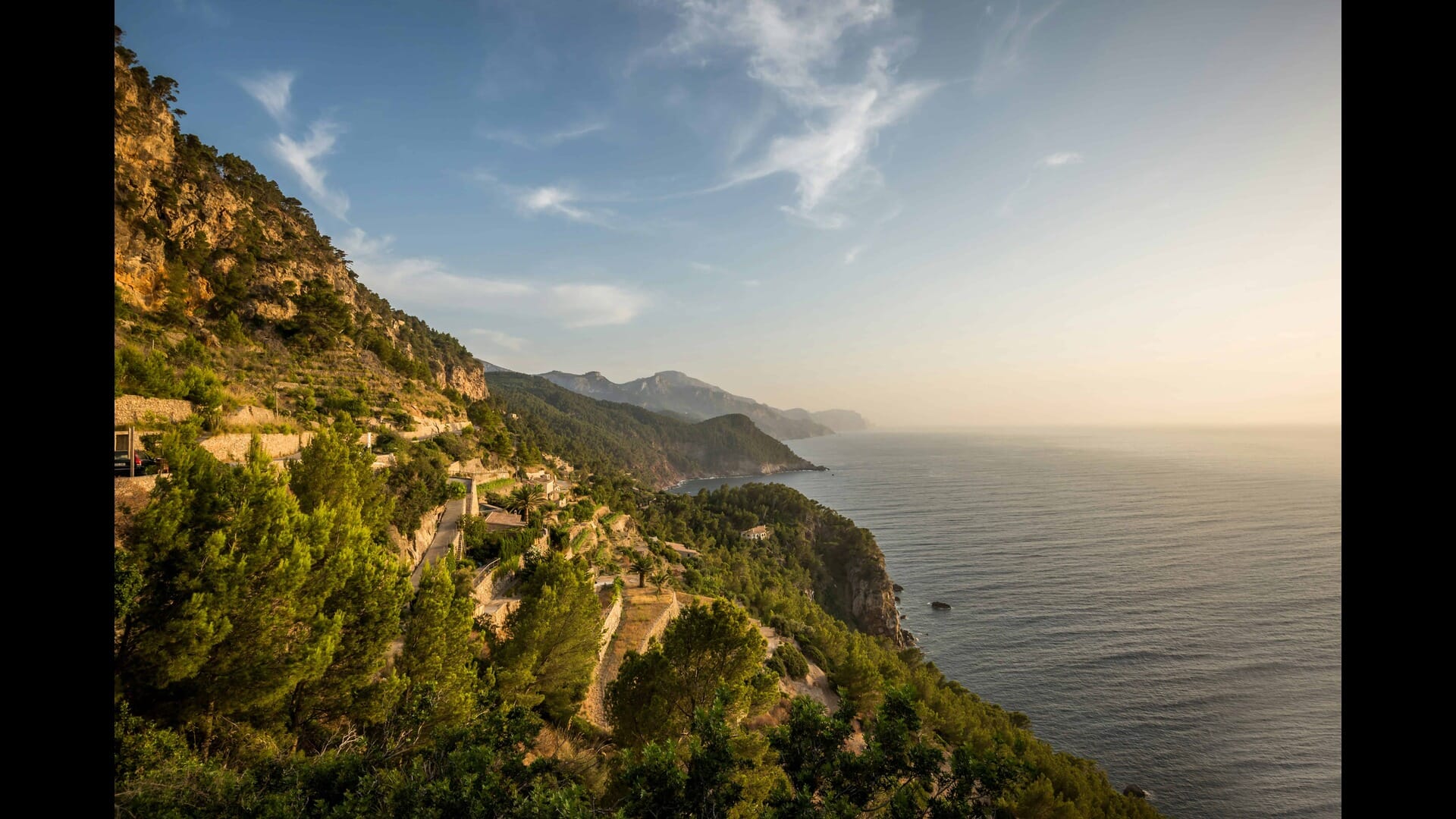
Exploring the Coastal Beauty of Galicia: A Journey Through Spain's Hidden Gem
Exploring the Coastal Beauty of Galicia: A Journey Through Spain's Hidden Gem
Galicia, located in the northwest corner of Spain, is a region that boasts breathtaking coastal beauty, rich cultural heritage, and a unique culinary scene. With its rugged cliffs, pristine beaches, and charming fishing villages, Galicia is a paradise for travelers seeking both adventure and tranquility.
In this comprehensive travel guide, we will explore the stunning landscapes, vibrant culture, and delectable cuisine that make Galicia a must-visit destination.
The Allure of Galicia’s Coastline: An Overview of Its Natural Wonders
Galicia's coastline stretches over 1,500 kilometers, offering a diverse range of landscapes from sandy beaches to rocky cliffs. The Atlantic Ocean shapes the region's character, creating a dramatic interplay between land and sea. The coastline is dotted with numerous estuaries, islands, and natural parks, making it a haven for nature lovers and outdoor enthusiasts.
The Rías Altas: A Coastal Paradise
The Rías Altas, or “High Rias,” is a stunning stretch of coastline characterized by its deep estuaries and rugged cliffs. This area is home to some of the most beautiful beaches in Galicia, including:
- Playa de las Catedrales: Renowned for its impressive rock formations and natural arches, this beach is a must-visit for any traveler. The best time to visit is during low tide when the rock formations are fully exposed.
- Playa de San Román: A hidden gem, this beach offers a more secluded experience with crystal-clear waters and soft sand.
- Playa de Bares: Known for its dramatic cliffs and strong waves, this beach is perfect for surfers and adventure seekers.
The Rías Baixas: A Taste of Coastal Charm
The Rías Baixas, or “Low Rias,” is famous for its gentle estuaries and picturesque fishing villages. This region is known for its lush vineyards and excellent seafood. Key highlights include:
- Combarro: A charming village known for its traditional granaries and stunning views of the estuary. Strolling through its narrow streets feels like stepping back in time.
- O Grove: A seafood lover's paradise, O Grove is famous for its shellfish and annual seafood festival. Don’t miss the chance to try the local delicacy, “empanada de mejillones” (mussel pie).
- Sanxenxo: A popular beach resort town, Sanxenxo is perfect for sunbathing and enjoying the vibrant nightlife.
The Cultural Heritage of Galicia: A Tapestry of Traditions
Galicia is not just about stunning landscapes; it is also rich in culture and history. The region has its own language, Gallego, and a unique identity that sets it apart from the rest of Spain. The cultural heritage of Galicia is reflected in its festivals, music, and traditional crafts.
Festivals and Celebrations: A Vibrant Calendar
Galicia is known for its lively festivals that celebrate its traditions and customs. Some notable festivals include:
- Festa de Santiago: Held in July, this festival honors Saint James, the patron saint of Galicia. The streets of Santiago de Compostela come alive with music, dance, and religious processions.
- Festa do Marisco: This seafood festival takes place in O Grove every October, showcasing the region's culinary delights. Visitors can sample a variety of seafood dishes and enjoy live music.
- Festa da Istoria: Celebrated in the town of Ribadavia, this festival takes participants back to the Middle Ages with medieval markets, performances, and traditional games.
Traditional Music and Dance: The Soul of Galicia
The music of Galicia is deeply rooted in its cultural identity. Traditional instruments such as the gaita (bagpipe) and the tamboril (drum) are commonly used in folk music. The lively dances, such as the muiñeira and the xota, are often performed during festivals and celebrations, inviting everyone to join in the fun.
Gastronomy of Galicia: A Culinary Journey
Galicia is a food lover's paradise, offering a rich culinary tradition that emphasizes fresh, local ingredients. The region is famous for its seafood, but there is much more to discover.
Seafood: The Star of Galician Cuisine
Galicia's proximity to the Atlantic Ocean means that seafood is a staple in its diet. Some must-try dishes include:
- Pulpo a la Gallega: Octopus cooked to perfection and served with paprika, olive oil, and coarse sea salt.
- Mariscada: A seafood platter that includes a variety of shellfish, such as clams, mussels, and prawns.
- Empanada Gallega: A savory pie filled with tuna, meat, or vegetables, perfect for a quick snack or meal.
Wine and Spirits: A Taste of Galicia
Galicia is home to several wine-producing regions, including Rías Baixas, known for its Albariño wine. This crisp white wine pairs perfectly with seafood dishes. Additionally, Galicia produces a unique spirit called “orujo,” a pomace brandy that is often enjoyed as a digestif.
Outdoor Adventures: Exploring Galicia’s Natural Parks
For those seeking adventure, Galicia offers a plethora of outdoor activities, from hiking to water sports. The region is home to several natural parks that showcase its diverse landscapes.
Hiking the Camino de Santiago: A Spiritual Journey
The Camino de Santiago, or the Way of St. James, is one of the most famous pilgrimage routes in the world. The Galician section of the Camino offers stunning views of the countryside and the coast. Hikers can choose from various routes, with the final destination being the Cathedral of Santiago de Compostela, a UNESCO World Heritage site.
Discovering the Natural Parks of Galicia
- Parque Nacional Marítimo-Terrestre de las Islas Atlánticas: This national park encompasses several islands and is known for its rich biodiversity. Visitors can enjoy hiking, birdwatching, and exploring the pristine beaches.
- Parque Natural de las Dunas de Corrubedo: A unique coastal ecosystem featuring sand dunes, marshes, and lagoons. It’s an ideal spot for birdwatching and enjoying the serene landscapes.
- Parque Natural de Fragas do Eume: A lush forest park with hiking trails that lead to stunning waterfalls and ancient monasteries. It’s a perfect escape for nature lovers.
Charming Coastal Villages: A Glimpse into Galician Life
Galicia is dotted with charming coastal villages that offer a glimpse into the region's traditional way of life. Each village has its own unique character and attractions.
A Coruña: The City by the Sea
A Coruña is a vibrant coastal city known for its stunning beaches, historic sites, and lively atmosphere. Key attractions include:
- Torre de Hércules: A Roman lighthouse that has stood for over 2,000 years, offering panoramic views of the coastline.
- Playa de Riazor: A popular city beach perfect for sunbathing and water sports.
- Old Town: A charming area filled with narrow streets, traditional Galician architecture, and cozy cafes.
San Andrés de Teixido: A Pilgrimage Village
San Andrés de Teixido is a picturesque village nestled in the cliffs, known for its stunning views and spiritual significance. According to legend, “In San Andrés de Teixido, even if you don’t go in life, you will go in death.” The village is famous for its sanctuary and the beautiful landscapes that surround it.
Combarro: A Traditional Fishing Village
Combarro is a small fishing village that has preserved its traditional architecture and charm. The village is known for its “hórreos” (granaries) and stunning views of the estuary. Visitors can stroll along the waterfront, enjoy fresh seafood, and explore the narrow streets lined with colorful houses.
Practical Tips for Traveling in Galicia: Making the Most of Your Trip
Traveling in Galicia can be a delightful experience, but it’s essential to plan ahead to make the most of your journey. Here are some practical tips:
Best Time to Visit Galicia
The best time to visit Galicia is during the spring (April to June) and fall (September to October) when the weather is mild, and the tourist crowds are smaller. Summer (July to August) is peak season, especially in coastal areas, so expect larger crowds and higher prices.
Getting Around Galicia
Galicia has a well-connected transportation system, making it easy to explore the region. Renting a car is recommended for those who want to visit remote villages and natural parks. Public transportation, including buses and trains, is also available for major cities and towns.
Language and Communication
While Spanish is widely spoken, many locals also speak Gallego. Learning a few basic phrases in Gallego can enhance your experience and endear you to the locals.
Currency and Payment
The currency used in Galicia is the Euro. Credit cards are widely accepted, but it’s advisable to carry some cash, especially in smaller villages.
Conclusion: Embracing the Coastal Beauty of Galicia
Galicia is a region that captivates the heart and soul of every traveler. Its stunning coastal landscapes, rich cultural heritage, and delectable cuisine offer a unique experience that is hard to find elsewhere. Whether you’re hiking the Camino de Santiago, savoring fresh seafood, or exploring charming villages, Galicia promises an unforgettable journey. So pack your bags and get ready to explore the coastal beauty of Galicia, Spain’s hidden gem.