
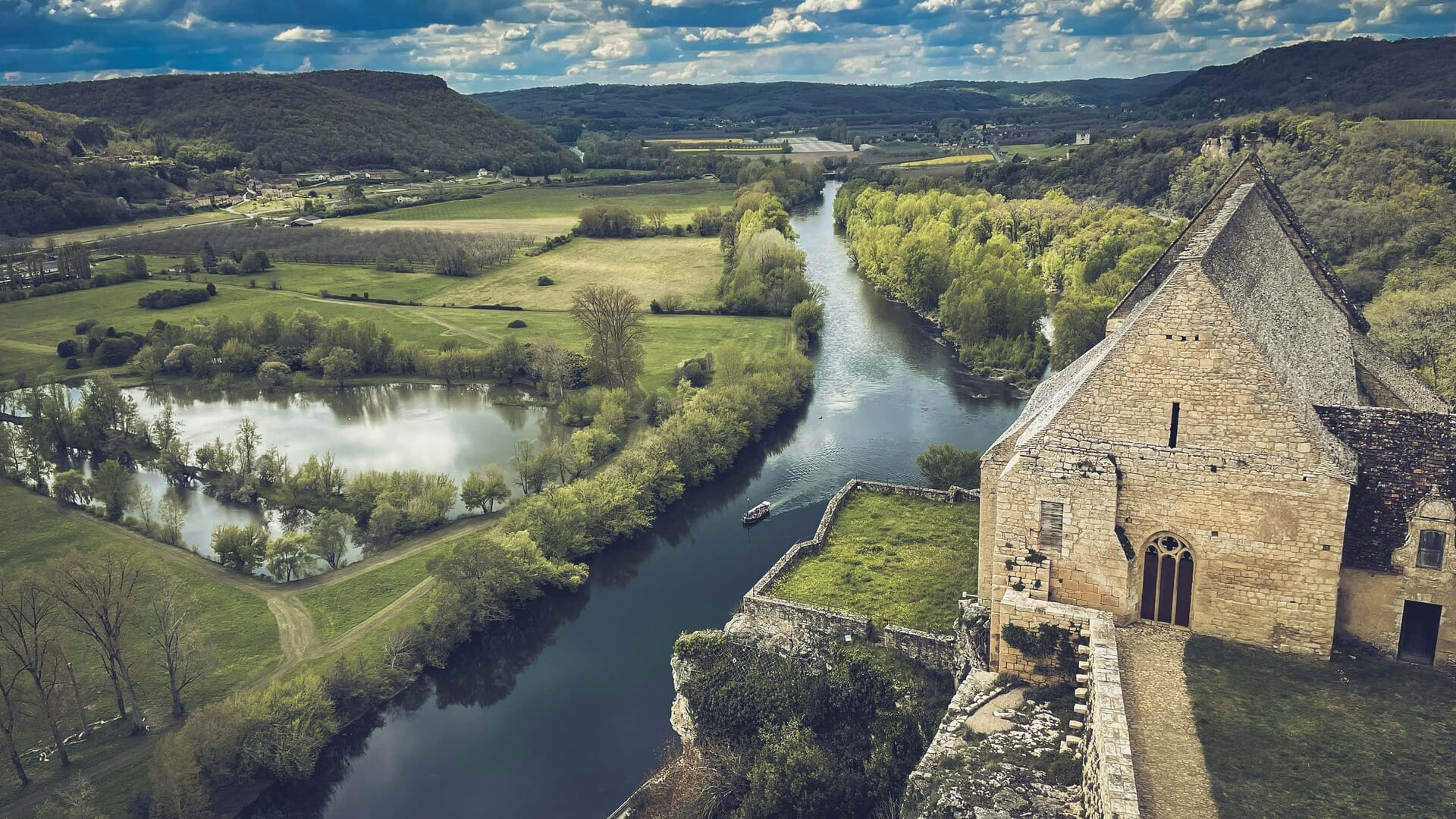
Exploring the Château de Chambord: A Renaissance Marvel
The Château de Chambord stands as a testament to the grandeur of the French Renaissance, a magnificent castle nestled in the heart of the Loire Valley. With its intricate architecture, rich history, and breathtaking landscapes, this UNESCO World Heritage Site attracts visitors from around the globe.
In this comprehensive guide, we will delve into the various aspects of Château de Chambord, exploring its architectural brilliance, historical significance, and the enchanting gardens that surround it.
The Historical Significance of Château de Chambord
Château de Chambord was commissioned by King Francis I in the early 16th century. The castle was built as a hunting lodge in the vast forest of Chambord, which was a favorite hunting ground for the king. The construction began in 1519 and continued for several decades, showcasing the ambition and vision of Francis I to create a royal residence that would rival any in Europe.
The castle's design is attributed to the genius of Leonardo da Vinci, who was invited to France by Francis I. Although there is no definitive proof that da Vinci directly contributed to the design of Chambord, the influence of his architectural style is evident throughout the structure. The castle embodies the spirit of the Renaissance, blending medieval fortifications with classical elements, resulting in a unique architectural masterpiece.
Architectural Marvels of Château de Chambord
The Iconic Façade and Towers
One of the most striking features of Château de Chambord is its façade, characterized by a harmonious blend of Gothic and Renaissance styles. The castle boasts over 440 rooms, 365 fireplaces, and 84 staircases, each contributing to its grandeur. The most famous staircase, often attributed to Leonardo da Vinci, is a double helix design that allows two people to ascend and descend simultaneously without ever meeting.
The towers of Chambord rise majestically into the sky, adorned with intricate sculptures and decorative motifs. The central keep is flanked by four massive corner towers, each crowned with a spire, creating a silhouette that is instantly recognizable. The use of local limestone gives the castle its distinctive light color, which changes with the light throughout the day, enhancing its ethereal beauty.
The Grand Gallery: A Renaissance Masterpiece
The Grand Gallery is the heart of Château de Chambord, an expansive hall that stretches over 128 meters. This magnificent space is adorned with stunning vaulted ceilings and large windows that offer breathtaking views of the surrounding gardens and forest. The gallery was designed for grand receptions and royal gatherings, showcasing the opulence of the French court.
The intricate carvings and ornate decorations reflect the artistic sensibilities of the Renaissance, with motifs inspired by nature and mythology. The Grand Gallery serves as a perfect example of how architecture can be both functional and artistically expressive, making it a must-see for any visitor.
The Gardens of Château de Chambord: A Natural Wonderland
The French Formal Garden
The gardens of Château de Chambord are as impressive as the castle itself. Designed in the classic French formal style, the gardens feature meticulously manicured lawns, geometric flowerbeds, and elegant pathways. The layout is a reflection of the Renaissance ideals of symmetry and order, creating a harmonious relationship between nature and architecture.
Visitors can stroll through the gardens, taking in the vibrant colors of seasonal flowers and the fragrant scents of herbs. The gardens are not only a feast for the eyes but also a sanctuary for various species of birds and wildlife, making it a perfect spot for nature lovers.
The Park and Nature Reserve
Beyond the formal gardens lies a vast park that covers over 5,000 acres, making it one of the largest enclosed parks in Europe. This natural reserve is home to a diverse range of flora and fauna, including deer, wild boar, and numerous bird species. The park offers several walking and cycling trails, allowing visitors to immerse themselves in the beauty of the French countryside.
The park's landscape is dotted with picturesque ponds and streams, providing a serene backdrop for leisurely walks. The combination of the castle and its expansive grounds creates a unique experience that transports visitors back to the grandeur of the Renaissance era.
Visiting Château de Chambord: Practical Information
Getting There
Château de Chambord is conveniently located in the Loire Valley, approximately 150 kilometers (93 miles) from Paris. The easiest way to reach the castle is by car, with well-marked signs guiding visitors from major highways. Alternatively, there are regular train services from Paris to Blois, followed by a short bus ride to Chambord.
Opening Hours and Admission Fees
The castle is open to visitors year-round, with varying hours depending on the season. During the peak summer months, the castle is open from 9 AM to 7 PM, while winter hours may be shorter. Admission fees vary, with discounts available for students and children. It is advisable to book tickets in advance, especially during the high tourist season, to avoid long queues.
Guided Tours and Audio Guides
To fully appreciate the history and architecture of Château de Chambord, consider joining a guided tour. Knowledgeable guides provide fascinating insights into the castle's history, architecture, and the lives of the kings who resided there. For those who prefer to explore at their own pace, audio guides are available in multiple languages, offering a rich narrative of the castle's significance.
The Influence of Leonardo da Vinci on Château de Chambord
The Renaissance Connection
Leonardo da Vinci's influence on the Château de Chambord is a topic of much debate among historians. While there is no concrete evidence that da Vinci designed the castle, his presence in France during the time of its construction undoubtedly left an imprint on its architectural style. Da Vinci was known for his innovative designs and engineering concepts, many of which align with the features seen in Chambord.
The use of light and space, the intricate designs of the staircases, and the overall harmony of the structure reflect the Renaissance ideals that da Vinci championed. His legacy can be felt throughout the castle, making it a fitting tribute to one of history's greatest minds.
The Last Years of Da Vinci
Leonardo da Vinci spent the last years of his life in France, where he was welcomed by King Francis I. The king admired da Vinci not only for his artistic talents but also for his engineering skills. It is believed that da Vinci may have contributed to various projects during his time in France, including the design of Château de Chambord.
Da Vinci's influence extends beyond architecture; his artistic vision can be seen in the decorative elements of the castle, which echo the themes found in his paintings. The connection between the two Renaissance giants adds an extra layer of intrigue to the already fascinating history of Chambord.
Cultural Events and Festivals at Château de Chambord
Annual Festivals and Celebrations
Château de Chambord hosts a variety of cultural events and festivals throughout the year, celebrating its rich history and the traditions of the Loire Valley. From music festivals to art exhibitions, these events attract visitors and locals alike, creating a vibrant atmosphere around the castle.
One of the most popular events is the annual Renaissance Festival, where visitors can experience the sights and sounds of the 16th century. Costumed performers, artisans, and musicians bring the history of Chambord to life, allowing guests to step back in time and immerse themselves in the culture of the Renaissance.
Art Exhibitions and Installations
In addition to festivals, Château de Chambord regularly hosts art exhibitions that showcase contemporary artists and their interpretations of the castle's history. These exhibitions provide a unique opportunity to engage with art in a historical context, bridging the gap between the past and the present.
Visitors can explore the castle's galleries and discover how modern artists draw inspiration from the architectural beauty and historical significance of Chambord. This fusion of art and history adds an exciting dimension to the visitor experience, making each trip to the castle a new adventure.
The Legacy of Château de Chambord
A UNESCO World Heritage Site
In 1981, Château de Chambord was designated a UNESCO World Heritage Site, recognizing its cultural significance and architectural brilliance. This prestigious status has helped preserve the castle for future generations, ensuring that its beauty and history continue to inspire visitors from around the world.
The designation as a World Heritage Site also highlights the importance of the Loire Valley as a cultural landscape, showcasing the unique blend of history, architecture, and nature that defines this region of France. The ongoing preservation efforts ensure that Château de Chambord remains a symbol of the Renaissance and a testament to the artistic achievements of the time.
The Future of Château de Chambord
As we look to the future, Château de Chambord continues to evolve while maintaining its historical integrity. Ongoing restoration projects aim to preserve the castle's architectural features and enhance the visitor experience. The integration of modern amenities, such as interactive exhibits and digital guides, ensures that visitors can engage with the castle's history in new and exciting ways.
The commitment to sustainability and environmental conservation is also a priority for the Château de Chambord. Efforts to maintain the surrounding park and gardens focus on preserving the natural habitat while providing a beautiful setting for visitors to enjoy.
Conclusion: A Journey Through Time at Château de Chambord
Exploring the Château de Chambord is more than just a visit to a historic site; it is a journey through time that allows visitors to connect with the rich tapestry of French history and culture. From its stunning architecture and lush gardens to its fascinating stories of kings and artists, Chambord offers an unforgettable experience that resonates with the spirit of the Renaissance.
Whether you are an architecture enthusiast, a history buff, or simply seeking a picturesque escape in the Loire Valley, Château de Chambord promises to captivate your imagination and leave you with lasting memories. Plan your visit today and discover the magic of this Renaissance marvel for yourself.