
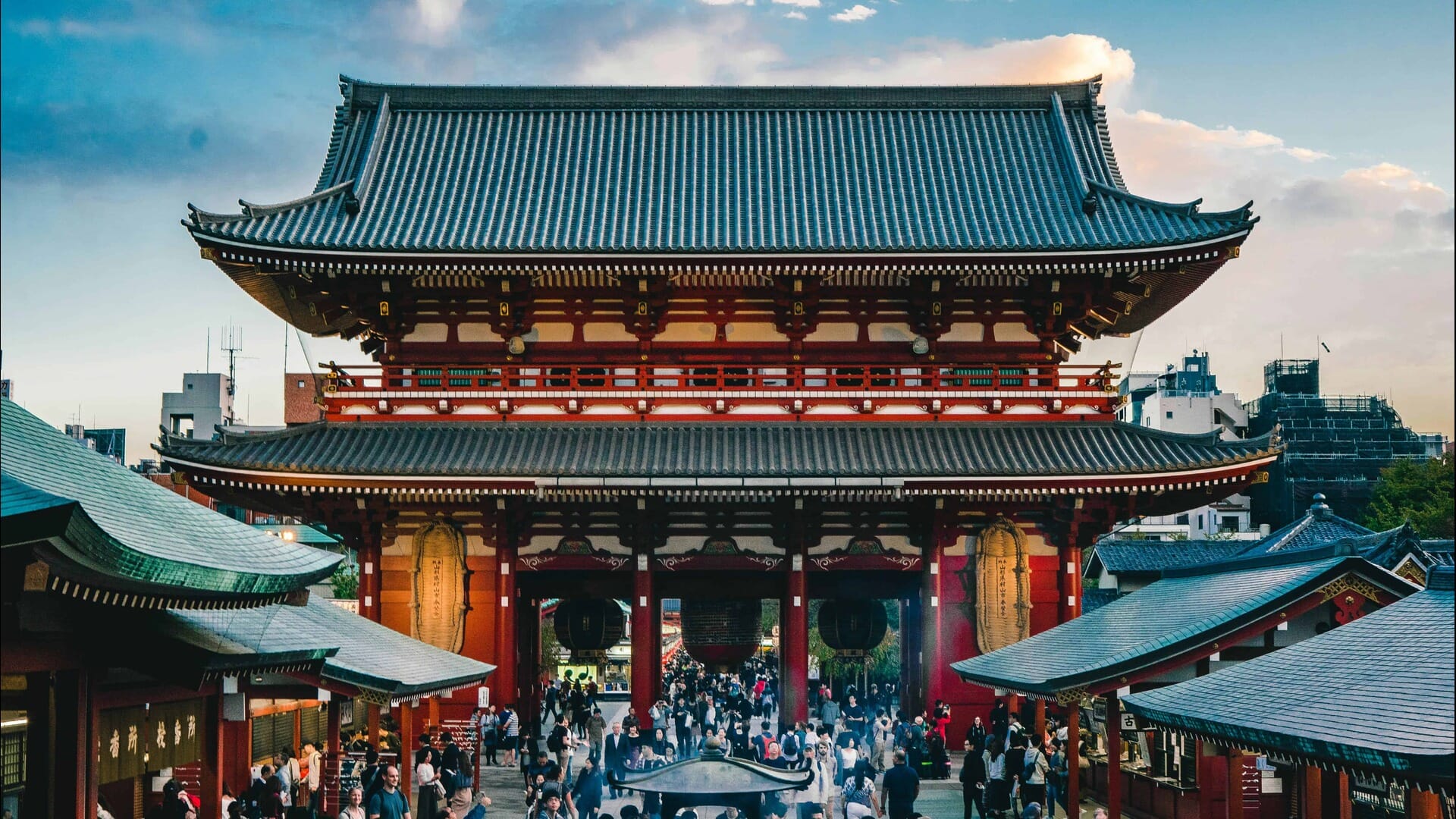
Exploring the Castles of Japan: Himeji, Matsumoto, and More
Exploring the Castles of Japan: Himeji, Matsumoto, and More
Japan is a land steeped in history, culture, and breathtaking landscapes. Among its many treasures, the castles stand out as magnificent symbols of the country’s feudal past. These architectural marvels not only served as fortresses but also as residences for the samurai class, showcasing the artistry and ingenuity of Japanese craftsmanship.

In this article, we will embark on an extensive journey to explore some of the most iconic castles in Japan, including Himeji Castle, Matsumoto Castle, and many others.
The Historical Significance of Japanese Castles
Japanese castles are not just mere structures; they are a testament to the country's rich history and the evolution of its society. Originating in the 12th century, these castles were built during a time of constant warfare and political upheaval. They served as military strongholds, administrative centers, and symbols of power for feudal lords. Each castle has its own unique story, reflecting the era in which it was built and the region it represents.
The Evolution of Castle Architecture in Japan
The architecture of Japanese castles evolved significantly over the centuries. Early castles were primarily wooden structures built on elevated ground for strategic advantages. However, as warfare techniques advanced, so did the design of these fortifications. The introduction of stone walls and moats became common, leading to the construction of grander castles that showcased the power and wealth of their owners.
The Role of Castles in Japanese Culture
Castles played a crucial role in shaping Japanese culture and identity. They were not only military installations but also centers of governance and culture. Many castles housed important cultural artifacts, artworks, and libraries, making them vital to the preservation of Japanese heritage. Today, these castles are cherished as national treasures and UNESCO World Heritage Sites, attracting millions of visitors each year.
Himeji Castle: The White Heron Castle
A Brief Overview of Himeji Castle
Himeji Castle, known as Shirasagijo or the White Heron Castle, is perhaps the most famous and well-preserved castle in Japan. Located in Himeji City, Hyogo Prefecture, it is a stunning example of Japanese castle architecture and has been designated a UNESCO World Heritage Site since 1993. Its striking white exterior and intricate wooden structures make it a must-visit destination for anyone exploring Japan.
The History of Himeji Castle
Himeji Castle was originally built in 1333 by Akamatsu Norimura, but it underwent significant renovations and expansions over the centuries. The castle reached its current form in the early 17th century under the guidance of Ikeda Terumasa. It played a pivotal role during the Edo period, serving as a military base and a symbol of power for the ruling samurai.
Architectural Features of Himeji Castle
The architectural brilliance of Himeji Castle lies in its complex design and defensive features. The castle is built on a hilltop, providing a strategic vantage point over the surrounding area. Its multi-tiered roofs, adorned with ornate tiles, create a stunning silhouette against the sky. The intricate wooden interiors, complete with sliding doors and tatami mats, offer a glimpse into the lifestyle of the samurai class.
Visiting Himeji Castle: Tips and Recommendations
When visiting Himeji Castle, it’s essential to plan your trip wisely. The castle is open year-round, but the best time to visit is during the cherry blossom season in spring or the colorful foliage of autumn. Be sure to explore the surrounding gardens and the nearby Kokoen Garden, which features traditional Japanese landscaping. Guided tours are available, providing insights into the castle's history and architecture.
Matsumoto Castle: The Crow Castle
An Introduction to Matsumoto Castle
Matsumoto Castle, also known as Crow Castle due to its black exterior, is one of Japan's most beautiful and historically significant castles. Located in Matsumoto City, Nagano Prefecture, this castle is unique for its stunning juxtaposition against the backdrop of the Japanese Alps. It is a designated National Treasure and is famous for its well-preserved structure and picturesque surroundings.
The History of Matsumoto Castle
Matsumoto Castle was constructed in the late 16th century by the Warlord Shimadachi Sadanaga. The castle served as a defensive fortress during the tumultuous Sengoku period and later became a residence for the Matsumoto clan. Its strategic location allowed it to control the important trade routes in the region, making it a vital military stronghold.
Architectural Highlights of Matsumoto Castle
The architectural style of Matsumoto Castle is distinct, featuring a unique combination of defensive and aesthetic elements. The castle's five-story main keep, or tenshu, is surrounded by a moat and is characterized by its elegant black and white color scheme. Inside, visitors can explore the castle's various floors, which house exhibits detailing its history and the life of the samurai. The panoramic views from the top floor are breathtaking, offering a glimpse of the surrounding mountains and cityscape.
Planning Your Visit to Matsumoto Castle
Matsumoto Castle is easily accessible by train from Tokyo, making it a popular day trip destination. The best time to visit is during the cherry blossom season, when the castle grounds are adorned with blooming sakura trees. Don’t forget to explore the nearby Nakamachi Street, where you can find traditional wooden buildings and local crafts. Guided tours are available, providing a deeper understanding of the castle's history and significance.
Other Notable Castles in Japan
Nagoya Castle: A Symbol of Power
Nagoya Castle, located in the heart of Nagoya City, is another iconic castle worth exploring. Originally built in the early 17th century, it served as the seat of the Owari branch of the Tokugawa shogunate. The castle is famous for its golden shachihoko (mythical tiger-headed carp) adorning its roof. Although the original structure was destroyed during World War II, the reconstructed castle offers a glimpse into its former grandeur.
Kumamoto Castle: The Pride of Kyushu
Kumamoto Castle is one of Japan's most impressive castles, known for its imposing stone walls and unique architectural features. Built in the early 17th century, it served as the stronghold of the Kato clan. The castle's extensive grounds include beautiful gardens and historic buildings, making it a popular destination for visitors. Despite suffering damage during the 2016 earthquake, restoration efforts are underway to preserve its historical significance.
Osaka Castle: A Historical Landmark
Osaka Castle is a prominent landmark in Osaka, known for its stunning architecture and historical significance. Originally built in the late 16th century by Toyotomi Hideyoshi, the castle played a crucial role in the unification of Japan. The castle's main tower offers panoramic views of the city and is surrounded by a beautiful park, making it a popular spot for cherry blossom viewing in spring.
Okayama Castle: The Black Castle
Okayama Castle, also known as the Black Castle, is located in Okayama City and is famous for its striking black exterior. Originally built in the 16th century, the castle was reconstructed after being destroyed during World War II. The castle grounds feature beautiful gardens and a museum showcasing the history of the region. Visitors can enjoy boat rides on the nearby Asahi River, offering a unique perspective of the castle.
Hirosaki Castle: A Hidden Gem
Hirosaki Castle, located in Aomori Prefecture, is often overlooked by tourists but is a hidden gem worth visiting. Built in the early 17th century, the castle is famous for its stunning cherry blossoms and beautiful gardens. The castle's unique architecture and historical significance make it a fascinating destination for history enthusiasts. The annual Hirosaki Cherry Blossom Festival attracts thousands of visitors each spring, creating a magical atmosphere.
The Cultural Experience of Castle Visits
Engaging with Japanese History and Heritage
Visiting Japanese castles offers a unique opportunity to engage with the country's history and heritage. Many castles have museums and exhibitions that showcase artifacts, documents, and artworks from the feudal era. Guided tours often include storytelling and anecdotes that bring the history of the castle to life, allowing visitors to connect with the past in a meaningful way.
Experiencing Traditional Japanese Culture
In addition to their historical significance, many castles offer cultural experiences that allow visitors to immerse themselves in traditional Japanese culture. From tea ceremonies to kimono rentals, these experiences provide a deeper understanding of Japan's rich cultural heritage. Some castles even host seasonal events and festivals, showcasing traditional music, dance, and crafts.
Photography Opportunities at Japanese Castles
The picturesque landscapes surrounding Japanese castles make them ideal locations for photography enthusiasts. Whether capturing the intricate details of the castle's architecture or the stunning cherry blossoms in spring, there are countless opportunities to create lasting memories. Many castles also offer designated viewpoints for capturing the perfect shot, ensuring that visitors leave with beautiful photographs of their experience.
Tips for Exploring Castles in Japan
Planning Your Itinerary
When planning your castle exploration in Japan, it’s essential to create a well-structured itinerary. Consider the locations of the castles you wish to visit and the time required for travel between them. Many castles are located near major cities, making them easily accessible by train.
Understanding Castle Etiquette
While visiting castles, it’s important to be mindful of Japanese etiquette. Respect the rules and regulations set by the castle authorities, such as not touching artifacts or climbing on structures. Additionally, maintaining a quiet demeanor and being respectful of other visitors will enhance your experience.
Learning Basic Japanese Phrases
Although many signs are in English, learning a few basic Japanese phrases can enhance your interactions with locals and enrich your travel experience. Simple greetings and expressions of gratitude can go a long way in fostering positive connections during your visit.
Conclusion: Embracing the Legacy of Japanese Castles
Exploring the castles of Japan is a journey through time, offering a glimpse into the country’s feudal past and cultural heritage. From the majestic Himeji Castle to the stunning Matsumoto Castle, each fortress tells a unique story that reflects the artistry and ingenuity of Japanese architecture. As you traverse the grounds of these historical sites, you will not only witness the beauty of the structures but also connect with the rich tapestry of Japan's history. Whether you are a history buff, an architecture enthusiast, or simply a traveler seeking new experiences, the castles of Japan promise an unforgettable adventure that will leave a lasting impression.
As you plan your next trip to Japan, make sure to include these magnificent castles in your itinerary. With their breathtaking beauty and historical significance, they are sure to captivate your heart and inspire your wanderlust.