
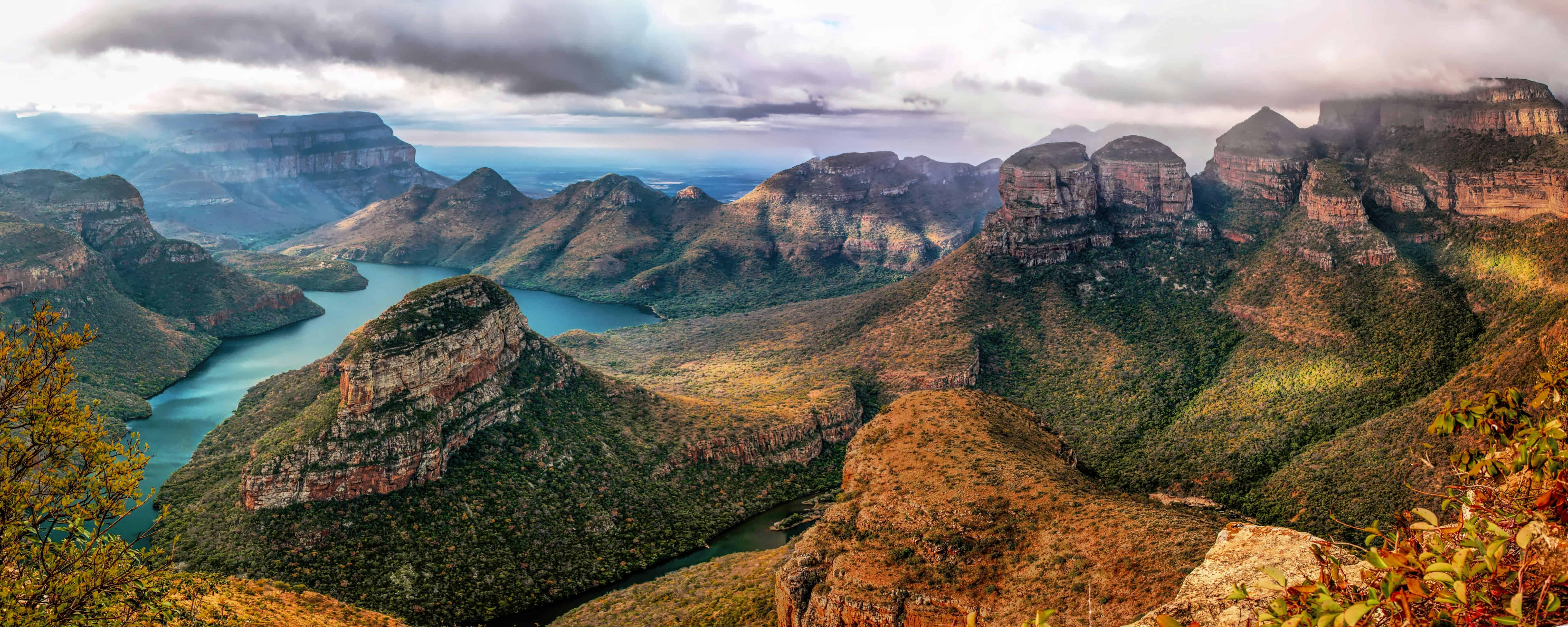
Exploring the Cape of Good Hope: A Journey Through Nature's Masterpiece
Exploring the Cape of Good Hope: A Journey Through Nature's Masterpiece
The Cape of Good Hope, a stunning promontory located at the southern tip of the Cape Peninsula in South Africa, is a place where the land meets the sea in a dramatic embrace. Known for its breathtaking scenery, rich biodiversity, and historical significance, this natural wonder attracts travelers from all over the globe.
In this comprehensive travel guide, we will delve into the many facets of the Cape of Good Hope, offering insights into its history, wildlife, activities, and tips for making the most of your visit.
The Historical Significance of the Cape of Good Hope
The Cape of Good Hope has a storied past that dates back centuries. Originally named the Cape of Storms by Portuguese explorer Bartolomeu Dias in 1488, it was later renamed the Cape of Good Hope by King John II of Portugal, symbolizing the optimism of finding a sea route to India. This pivotal point in maritime history served as a crucial waypoint for sailors navigating the treacherous waters of the Atlantic and Indian Oceans.
The area is steeped in history, with remnants of shipwrecks and tales of exploration that echo through time. The Cape played a significant role in the Age of Discovery, and its strategic location made it a vital stop for ships traveling to and from Europe, Asia, and beyond.
Getting to the Cape of Good Hope: Travel Tips and Transportation
How to Reach the Cape of Good Hope from Cape Town
The journey to the Cape of Good Hope typically begins in Cape Town, which is approximately 50 kilometers away. Visitors can choose from several modes of transportation:
- Car Rental: Renting a car offers the most flexibility, allowing you to explore the scenic coastal roads at your own pace. The drive along Chapman's Peak Drive is particularly breathtaking, with panoramic views of the ocean and mountains.
- Public Transport: For those who prefer not to drive, public transport options include the MyCiTi bus service, which connects Cape Town to Hout Bay and Simon's Town. From there, you can take a taxi or shuttle to the Cape.
- Guided Tours: Numerous tour operators offer guided excursions to the Cape of Good Hope, often including additional stops at nearby attractions like Boulders Beach and the Cape of Good Hope Nature Reserve.
Best Time to Visit the Cape of Good Hope
The best time to visit the Cape of Good Hope is during the Southern Hemisphere's summer months, from November to March. During this period, the weather is generally warm and dry, making it ideal for outdoor activities. However, the Cape can be visited year-round, with each season offering its unique charm. Spring (September to November) brings wildflowers, while autumn (March to May) offers cooler temperatures and fewer crowds.
Exploring the Cape of Good Hope Nature Reserve
Overview of the Nature Reserve
The Cape of Good Hope Nature Reserve is a protected area that encompasses the Cape of Good Hope and its surrounding landscapes. Covering over 7,750 hectares, the reserve is home to a diverse range of flora and fauna, including more than 1,100 plant species, 250 bird species, and various mammals such as baboons, ostriches, and antelope.
Hiking Trails at the Cape of Good Hope
One of the best ways to experience the natural beauty of the Cape of Good Hope is through its hiking trails. Here are some of the most popular trails:
- Cape Point Trail: This moderate 2.5-kilometer trail takes you to the iconic Cape Point Lighthouse, offering stunning views of the cliffs and ocean. The trail is well-marked and suitable for most fitness levels.
- Shipwreck Trail: A shorter, easier hike that leads you to the site of the famous shipwreck of the Lusitania. The trail is approximately 1.5 kilometers long and offers a glimpse into the maritime history of the area.
- Olifantsbos Trail: This 5-kilometer circular trail takes you through fynbos vegetation and offers opportunities to spot wildlife. The trail is less crowded, making it perfect for those seeking solitude in nature.
Wildlife Spotting at the Cape of Good Hope
The Cape of Good Hope is renowned for its rich biodiversity. Keep your eyes peeled for:
- Baboons: These playful primates are often seen along the roads and trails. While they may look friendly, it's important to keep a safe distance and not feed them.
- Ostriches: The reserve is home to a population of wild ostriches, which can often be spotted grazing in open areas.
- Antelope: Species such as the bontebok and eland can be seen roaming the grasslands.
- Marine Life: The waters surrounding the Cape are teeming with marine life, including seals, dolphins, and even the occasional whale during migration season.
Iconic Landmarks at the Cape of Good Hope
The Cape Point Lighthouse
Perched high on the cliffs, the Cape Point Lighthouse is an iconic symbol of the Cape of Good Hope. Built in 1859, the lighthouse stands at 249 meters above sea level and offers breathtaking views of the surrounding coastline. Visitors can either hike up to the lighthouse or take a funicular railway for a more leisurely ascent.
The Cape of Good Hope Sign
No visit to the Cape of Good Hope is complete without a photo at the famous Cape of Good Hope sign. This iconic marker signifies the southwesternmost point of the African continent and is a popular spot for tourists to capture memories of their journey.
Activities to Enjoy at the Cape of Good Hope
Scenic Drives and Photography Opportunities
The Cape of Good Hope is a photographer's paradise, with countless opportunities to capture stunning landscapes. The coastal roads, particularly Chapman's Peak Drive, offer breathtaking vistas of the ocean and mountains. Make sure to stop at designated viewpoints to snap photos of the dramatic cliffs and azure waters.
Birdwatching at the Cape of Good Hope
With over 250 bird species recorded in the reserve, birdwatching is a popular activity for nature enthusiasts. Keep an eye out for endemic species such as the Cape sugarbird and the African penguin. The best time for birdwatching is early morning or late afternoon when birds are most active.
Exploring Nearby Beaches
The Cape of Good Hope is surrounded by beautiful beaches that are perfect for relaxation and exploration. Some notable beaches include:
- Boulders Beach: Famous for its resident African penguin colony, Boulders Beach offers a unique opportunity to get up close to these charming birds. The beach is also great for swimming and sunbathing.
- Cape Point Beach: Located near the Cape Point Nature Reserve, this beach is ideal for picnicking and enjoying the stunning views of the ocean.
- Kalk Bay: A charming fishing village with a picturesque harbor, Kalk Bay is known for its vibrant atmosphere, art galleries, and seafood restaurants.
Accommodations Near the Cape of Good Hope
Where to Stay for Your Cape of Good Hope Adventure
When planning your visit to the Cape of Good Hope, consider staying in nearby towns for easy access to the reserve. Here are some accommodation options:
- Simon’s Town: This historic naval town offers a range of accommodations, from guesthouses to hotels. It's also close to Boulders Beach and the Cape of Good Hope Nature Reserve.
- Hout Bay: Known for its stunning scenery and vibrant community, Hout Bay has a variety of lodging options, including beachfront hotels and cozy guesthouses.
- Cape Point: For those seeking a more immersive experience, consider staying at one of the lodges within the Cape Point Nature Reserve, where you can wake up to the sounds of nature.
Culinary Delights at the Cape of Good Hope
Local Cuisine and Dining Options
Exploring the Cape of Good Hope is not just about the scenery; it's also an opportunity to indulge in delicious local cuisine. Here are some dining options to consider:
- Seafood Restaurants: The coastal towns around the Cape are known for their fresh seafood. Enjoy dishes like grilled snoek, calamari, and fish and chips at local eateries.
- Cafés and Bistros: Many cafés offer stunning views of the ocean, making them perfect spots for a leisurely lunch or coffee break. Try the local specialty, bobotie, a spiced minced meat dish topped with egg custard.
- Wine Tasting: The nearby Constantia wine region is famous for its excellent wines. Consider taking a day trip to sample some of the best wines South Africa has to offer.
Tips for Visiting the Cape of Good Hope
Essential Packing List
When preparing for your trip to the Cape of Good Hope, consider packing the following essentials:
- Comfortable Footwear: With numerous hiking trails and opportunities for exploration, sturdy walking shoes are a must.
- Sunscreen and Hat: Protect yourself from the sun, especially during the summer months.
- Camera: Don’t forget your camera to capture the stunning landscapes and wildlife.
- Binoculars: If you're a birdwatching enthusiast, binoculars will enhance your experience.
Safety Tips
While the Cape of Good Hope is generally safe for tourists, it's always wise to take precautions:
- Stay on Marked Trails: To protect both yourself and the environment, stick to designated paths while hiking.
- Beware of Wildlife: Keep a safe distance from wild animals, especially baboons, which can be aggressive if approached.
- Hydrate and Snack: Bring plenty of water and snacks, especially if you plan to hike.
Conclusion: Embrace the Beauty of the Cape of Good Hope
The Cape of Good Hope is more than just a geographical landmark; it is a place where nature's beauty, history, and adventure converge. From its stunning landscapes and diverse wildlife to its rich maritime history, the Cape offers something for every traveler. Whether you're hiking along its trails, capturing breathtaking photographs, or simply soaking in the views, a visit to the Cape of Good Hope promises to be an unforgettable experience. So pack your bags, hit the road, and prepare to explore one of South Africa's most iconic destinations!