
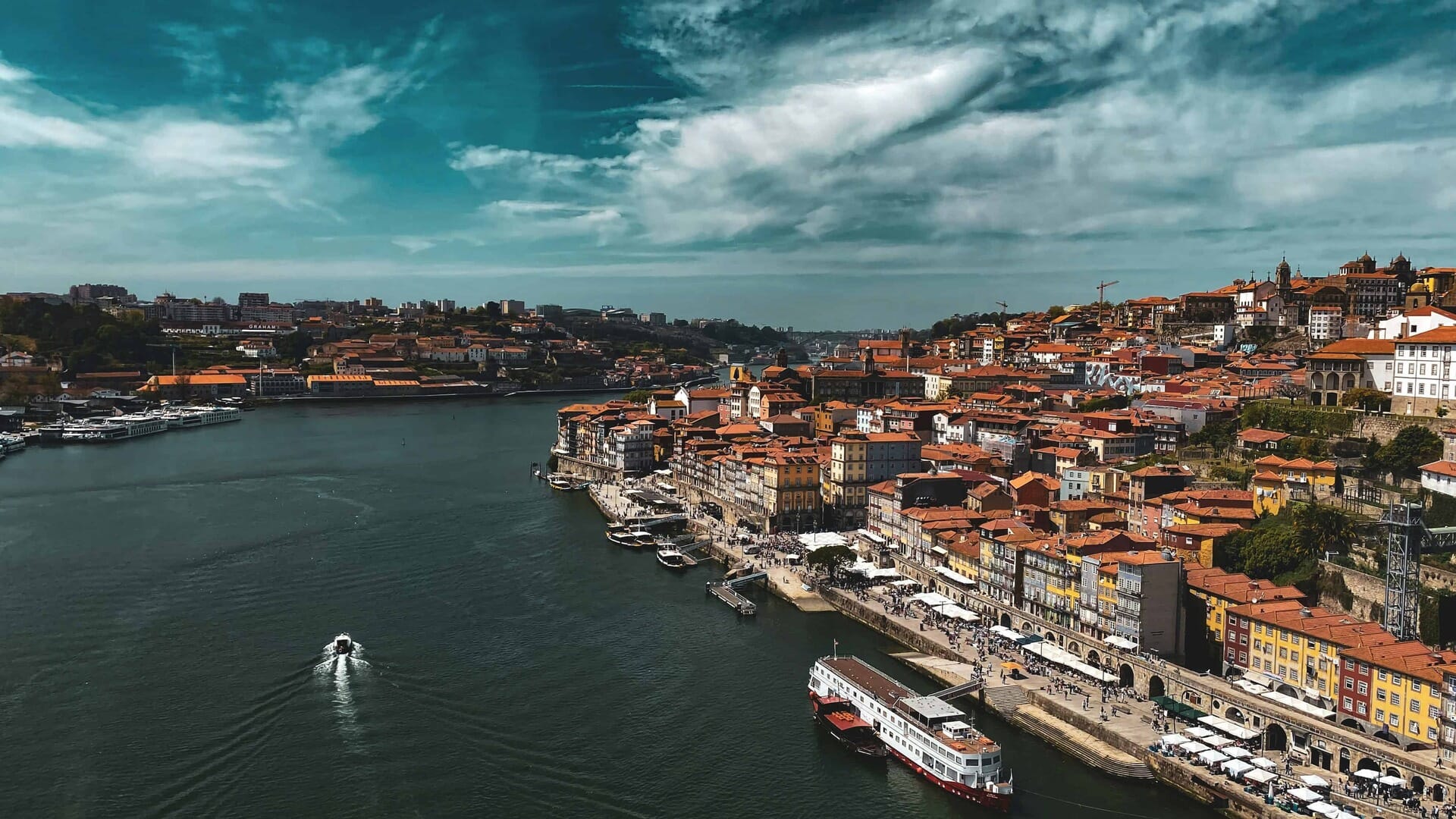
Exploring the Beautiful Villages of Alentejo
Exploring the Beautiful Villages of Alentejo
Alentejo, a region in southern Portugal, is a treasure trove of picturesque villages, rich history, and breathtaking landscapes. Known for its rolling plains, olive groves, and vineyards, Alentejo offers a unique glimpse into Portuguese culture and tradition. In this comprehensive travel guide, we will explore the enchanting villages of Alentejo, revealing their hidden gems, local cuisine, and cultural experiences that await you.
The Allure of Alentejo: An Introduction to the Region
Alentejo, which translates to "beyond the Tagus River," is a vast region that stretches from the banks of the Tagus River to the Algarve. It is characterized by its serene landscapes, dotted with whitewashed houses, ancient castles, and sprawling vineyards. The region is often overlooked by tourists, making it a perfect destination for those seeking tranquility and authenticity.
The Rich History of Alentejo
The history of Alentejo is as rich and diverse as its landscapes. From prehistoric settlements to Roman ruins, the region is steeped in history. The influence of the Moors is evident in the architecture and layout of many villages. As you explore, you'll encounter ancient churches, castles, and archaeological sites that tell the story of Alentejo's past.
Must-Visit Villages in Alentejo
1. Évora: A UNESCO World Heritage Site
Évora, the capital of the Alentejo region, is a must-visit destination. This UNESCO World Heritage Site is known for its well-preserved medieval architecture and rich history. The Roman Temple of Évora, also known as the Temple of Diana, is one of the most iconic landmarks in the city. Stroll through the narrow streets, visit the Cathedral of Évora, and explore the Chapel of Bones, a fascinating yet eerie site that showcases the region's history.
2. Monsaraz: A Hilltop Village with Breathtaking Views
Perched on a hilltop overlooking the Alqueva Lake, Monsaraz is a charming village that transports visitors back in time. The cobblestone streets and whitewashed houses create a picturesque setting. Don’t miss the opportunity to visit the medieval castle, which offers stunning panoramic views of the surrounding countryside. The village is also known for its artisanal crafts and local wines, making it a perfect spot for shopping and tasting.
3. Vila Viçosa: The Marble Capital of Alentejo
Vila Viçosa is renowned for its marble production, which has been a significant part of the village’s economy for centuries. The Ducal Palace, a magnificent structure built from local marble, is a highlight of the village. Explore the beautiful gardens and take a guided tour to learn about the history of the palace and its former inhabitants. The village also boasts several churches and a charming town square, perfect for relaxing with a coffee.
4. Castelo de Vide: A Hidden Gem in Alentejo
Castelo de Vide is often overshadowed by its more famous neighbors, but this hidden gem is worth a visit. The village is known for its well-preserved medieval castle and beautiful Jewish quarter. Wander through the narrow streets lined with traditional houses and discover the stunning views from the castle walls. The nearby Natural Park of Serra de São Mamede offers excellent hiking opportunities and a chance to immerse yourself in nature.
5. Marvão: A Fortress Village with Stunning Views
Marvão is a fortress village that sits atop a mountain, providing breathtaking views of the surrounding landscape. The village is characterized by its narrow streets, stone houses, and impressive castle. As you explore, you’ll find charming cafes and shops selling local crafts. The castle, which dates back to the 13th century, is a highlight, offering panoramic views that are especially stunning at sunset.
6. Arraiolos: Famous for Its Tapestries
Arraiolos is famous for its traditional hand-stitched tapestries, known as Arraiolos rugs. The village is home to several workshops where you can see artisans at work and even purchase a unique piece to take home. In addition to its textile heritage, Arraiolos features a beautiful castle and several churches worth exploring. The surrounding countryside is perfect for leisurely walks and enjoying the natural beauty of Alentejo.
7. Redondo: A Village of Ceramics and Wine
Redondo is a charming village known for its ceramics and wine production. The local pottery is characterized by vibrant colors and intricate designs, making it a popular souvenir for visitors. Explore the local wineries and taste the exquisite wines produced in the region. The village also hosts several festivals throughout the year, celebrating its rich cultural heritage.
8. Estremoz: A Town of Marble and History
Estremoz is another town famous for its marble, with many buildings and monuments showcasing this beautiful stone. The town is home to a lively market, where you can find local produce, crafts, and delicious food. Visit the Estremoz Castle, which offers a glimpse into the town's history and stunning views of the surrounding area. The town's charming streets are perfect for a leisurely stroll.
9. Beja: A Blend of History and Modernity
Beja, the capital of the Beja District, is a vibrant town that blends history with modern life. The Beja Castle, with its impressive tower, is a must-visit. Explore the local museums, including the Museu Regional de Beja, which showcases the region's history and culture. Beja is also known for its lively festivals, making it a great place to experience local traditions.
10. Moura: A Village with Moorish Influence
Moura is a village that reflects the Moorish influence in its architecture and culture. The village is known for its beautiful castle and charming streets. Visit the local market to sample traditional Alentejo cuisine, including delicious cheeses and cured meats. The village also hosts several cultural events throughout the year, providing visitors with a taste of local life.
Local Cuisine: A Culinary Journey Through Alentejo
One of the highlights of visiting Alentejo is indulging in its rich culinary offerings. The region is known for its hearty dishes, fresh ingredients, and excellent wines. Here are some must-try dishes:
Traditional Alentejo Dishes
- Açorda: A traditional bread soup made with garlic, olive oil, and vinegar, often served with poached eggs.
- Migas: A dish made from leftover bread, garlic, and olive oil, typically served with meat or fish.
- Porco Preto: Black pork, a specialty of the region, known for its rich flavor and tenderness.
- Queijo de Serpa: A delicious sheep's cheese that pairs perfectly with local bread and wine.
- Sopa de Cação: A traditional shark soup that showcases the region's coastal influence.
Wine Tasting in Alentejo
Alentejo is also known for its exceptional wines, particularly red wines made from indigenous grape varieties. The region's warm climate and diverse soils create ideal conditions for viticulture. Many local wineries offer tours and tastings, allowing visitors to sample the best wines Alentejo has to offer. Don’t miss the opportunity to try the renowned Vinho Verde and Alentejo DOC wines.
Cultural Experiences: Festivals and Traditions in Alentejo
Alentejo is rich in cultural traditions, and visiting during one of the many festivals can provide a unique insight into local life.
Popular Festivals in Alentejo
- Festa de São João: Celebrated in Évora, this festival features music, dancing, and traditional food.
- Festa da Flor: A floral festival held in several villages, showcasing beautiful floral arrangements and local crafts.
- Feira de São Martinho: A harvest festival celebrated in November, featuring local food, wine, and crafts.
Traditional Crafts and Artisans
Throughout Alentejo, you’ll find skilled artisans creating traditional crafts, from pottery to textiles. Visiting local workshops and markets is a great way to support local artists and take home a unique piece of Alentejo.
Practical Tips for Exploring Alentejo
Best Time to Visit Alentejo
The best time to visit Alentejo is during the spring (April to June) and fall (September to October) when the weather is mild, and the landscapes are vibrant. Summer can be hot, with temperatures often exceeding 35°C (95°F).
Getting Around Alentejo
While public transportation is available, renting a car is the best way to explore the villages of Alentejo at your own pace. The scenic drives through the countryside are a highlight of any trip to the region.
Accommodation Options in Alentejo
Alentejo offers a range of accommodation options, from charming guesthouses to luxury hotels. Consider staying in a traditional pousada (a historic inn) for a unique experience.
Conclusion: Embrace the Beauty of Alentejo
Exploring the beautiful villages of Alentejo is a journey through time, culture, and stunning landscapes. From the historical sites of Évora to the charming streets of Monsaraz, each village offers a unique experience that captures the essence of Portuguese life. Whether you’re indulging in local cuisine, sipping exquisite wines, or immersing yourself in cultural traditions, Alentejo promises an unforgettable adventure. So pack your bags, hit the road, and discover the enchanting beauty of Alentejo’s villages for yourself!