
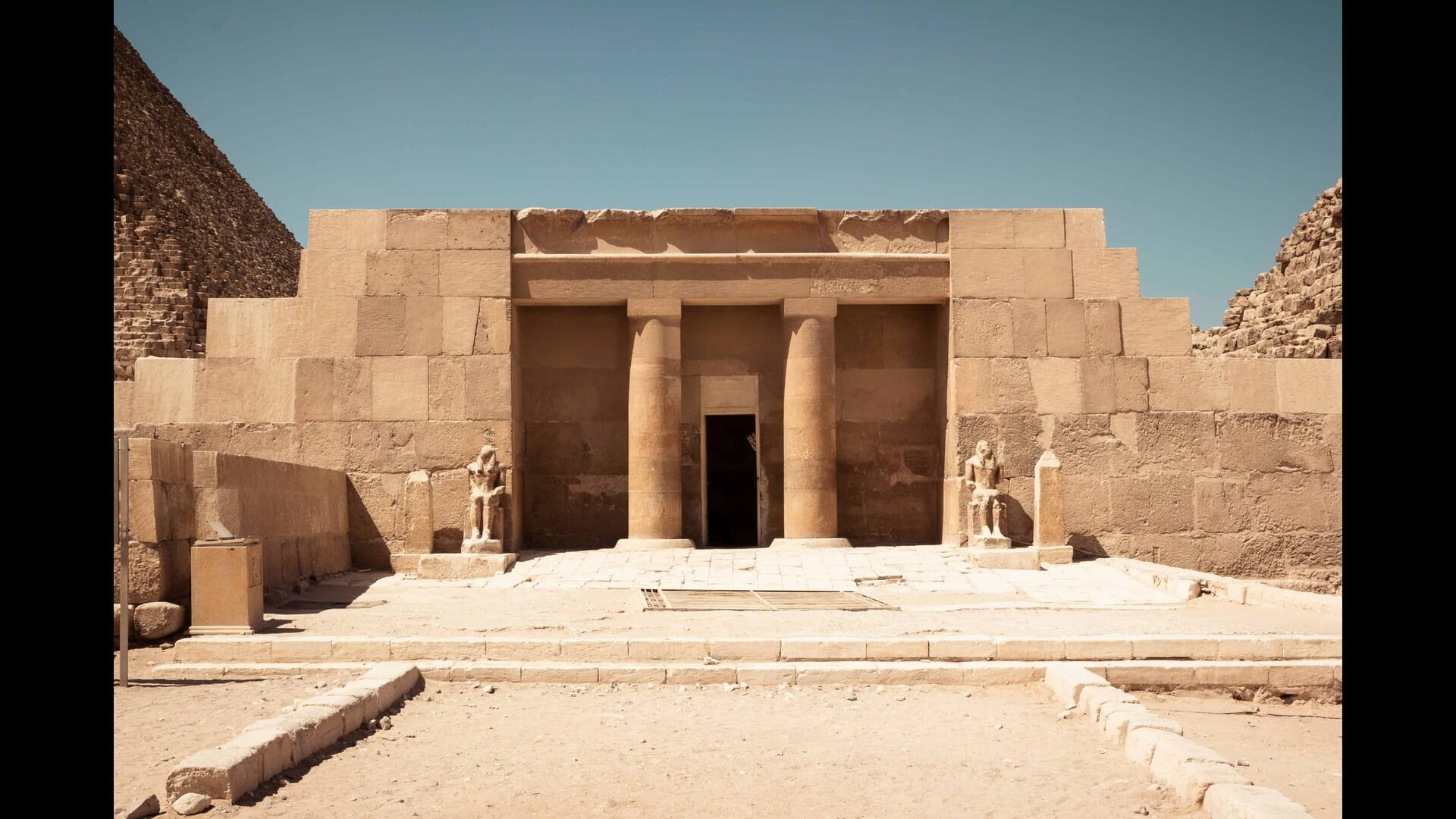
Exploring the Architectural Wonders of Islamic Cairo
Exploring the Architectural Wonders of Islamic Cairo
Islamic Cairo is a treasure trove of architectural marvels, steeped in history and culture. This vibrant area, known for its stunning mosques, ancient buildings, and bustling markets, offers visitors a glimpse into the rich Islamic heritage of Egypt. In this comprehensive travel guide, we will explore the architectural wonders of Islamic Cairo, delving into the history, significance, and beauty of each site.
From the majestic mosques to the intricate designs of ancient structures, Islamic Cairo is a must-visit destination for anyone interested in history, architecture, and culture.
The Historical Significance of Islamic Cairo
Islamic Cairo, also known as Historic Cairo, is a UNESCO World Heritage Site that dates back to the 7th century. It was established as the capital of Egypt during the Fatimid Caliphate and has since evolved into a vibrant center of Islamic culture and learning. The area is home to numerous historical sites, each telling a unique story about the evolution of Islamic architecture and the cultural influences that shaped it.
The Fatimid Era: A Golden Age of Architecture
The Fatimid Caliphate, which ruled from 909 to 1171, marked a golden age for Islamic architecture in Cairo. During this period, the city was adorned with magnificent mosques, palaces, and public buildings that showcased the artistic and architectural prowess of the time. The Al-Azhar Mosque, founded in 970, is one of the most significant examples of Fatimid architecture and remains a center of Islamic scholarship to this day.
The Mamluk Period: A Flourishing of Artistic Expression
Following the Fatimid era, the Mamluk Sultanate (1250-1517) brought a new wave of architectural innovation to Cairo. The Mamluks were known for their grandiose structures, intricate tile work, and elaborate calligraphy. This period saw the construction of some of the most iconic mosques and madrasas in Islamic Cairo, including the Sultan Hassan Mosque and the Al-Rifa'i Mosque. The Mamluks also emphasized the importance of public spaces, leading to the creation of bustling markets and caravanserais that still thrive today.
Must-Visit Mosques in Islamic Cairo
Islamic Cairo is renowned for its stunning mosques, each with its unique architectural style and historical significance. Here are some of the must-visit mosques that showcase the beauty of Islamic architecture.
Al-Azhar Mosque: The Heart of Islamic Learning
The Al-Azhar Mosque is one of the oldest mosques in Cairo and a symbol of Islamic scholarship. Founded in 970, it has served as a center for learning and education for centuries. The mosque's architecture features a blend of Fatimid and Mamluk styles, with its iconic minarets and intricate decorations. Visitors can explore the vast courtyard and admire the stunning calligraphy that adorns the walls.
Sultan Hassan Mosque: A Masterpiece of Mamluk Architecture
The Sultan Hassan Mosque, built in the 14th century, is considered one of the finest examples of Mamluk architecture. Its grand entrance, towering minarets, and vast prayer hall are a testament to the architectural ingenuity of the time. The mosque's intricate tile work and stunning dome create a breathtaking atmosphere that leaves visitors in awe. The mosque also houses a madrasa, where students studied various Islamic sciences.
Al-Rifa'i Mosque: A Blend of Styles
Located adjacent to the Sultan Hassan Mosque, the Al-Rifa'i Mosque is known for its unique blend of architectural styles. Completed in the early 20th century, it features elements of both Mamluk and Ottoman architecture. The mosque is home to the tomb of the last king of Egypt, King Farouk, and several members of the royal family. Visitors can admire the stunning stained glass windows and intricate marble work that adorn the interior.
Exploring the Historic Streets of Islamic Cairo
Beyond the mosques, Islamic Cairo is filled with narrow streets, bustling markets, and vibrant neighborhoods that offer a glimpse into the daily life of its residents. Exploring these streets is an adventure in itself, as each corner reveals hidden gems and historical landmarks.
Khan El Khalili: A Vibrant Bazaar
Khan El Khalili is one of the oldest and most famous bazaars in the Middle East. Established in the 14th century, this bustling market is a labyrinth of narrow alleyways filled with shops selling everything from spices and textiles to jewelry and souvenirs. The vibrant atmosphere, combined with the stunning architecture of the surrounding buildings, makes Khan El Khalili a must-visit destination for travelers.
Al-Muizz Street: A Journey Through History
Al-Muizz Street is one of the oldest streets in Cairo, lined with stunning examples of Islamic architecture. Walking along this historic street, visitors can admire the intricate facades of ancient buildings, including the Mosque of Al-Aqmar and the Bayt Al-Suhaymi. The street is also home to several cafes and restaurants, where visitors can relax and enjoy traditional Egyptian cuisine while soaking in the atmosphere.
The Role of Islamic Art in Architecture
Islamic architecture is not just about the structures themselves; it is also deeply intertwined with Islamic art. The intricate designs, calligraphy, and decorative elements found in mosques and buildings reflect the rich artistic heritage of the Islamic world.
Calligraphy: The Art of Words
Calligraphy holds a special place in Islamic art, as it is considered a way to express devotion to God. Many mosques in Islamic Cairo feature stunning calligraphic inscriptions from the Quran, beautifully rendered in Arabic script. The art of calligraphy is not only decorative but also serves to convey religious messages and teachings.
Geometric Patterns: A Reflection of Infinity
Geometric patterns are a hallmark of Islamic art, symbolizing the infinite nature of creation. These intricate designs can be found adorning the walls, ceilings, and floors of mosques and buildings throughout Islamic Cairo. The use of symmetry and repetition creates a sense of harmony and balance, inviting visitors to contemplate the beauty of the universe.
The Influence of Different Cultures on Islamic Architecture
Islamic Cairo's architecture is a reflection of the diverse cultures that have influenced the region over the centuries. From the Fatimids to the Mamluks and beyond, each ruling dynasty left its mark on the city's architectural landscape.
The Fatimid Influence: A Blend of Styles
The Fatimid Caliphate brought a unique architectural style to Cairo, characterized by its use of domes, arches, and intricate decorations. The blending of different cultural influences, including Byzantine and Persian elements, created a distinctive aesthetic that can still be seen in many of the city's mosques and buildings.
The Mamluk Legacy: Grand Structures and Public Spaces
The Mamluks were known for their grand architectural projects, which often included large public spaces, such as markets and caravanserais. Their emphasis on monumental structures, combined with intricate decorative elements, resulted in a flourishing of artistic expression that continues to captivate visitors today.
The Preservation of Islamic Cairo's Architectural Heritage
As a UNESCO World Heritage Site, Islamic Cairo is recognized for its historical and cultural significance. Efforts to preserve and restore the architectural wonders of the area are ongoing, ensuring that future generations can appreciate its beauty and history.
Restoration Projects: Reviving the Past
Numerous restoration projects have been undertaken in Islamic Cairo to preserve its architectural heritage. These initiatives aim to restore historic buildings, maintain their structural integrity, and enhance their aesthetic appeal. Through careful restoration, the beauty of Islamic Cairo can be appreciated by visitors and locals alike.
Community Involvement: A Shared Responsibility
The preservation of Islamic Cairo's architectural wonders is not solely the responsibility of government agencies; it also involves the local community. Residents, artisans, and cultural organizations play a vital role in maintaining the area's heritage, ensuring that traditional crafts and practices continue to thrive.
Tips for Exploring Islamic Cairo
Exploring Islamic Cairo can be an enriching experience, but it's essential to be prepared. Here are some tips to help you make the most of your visit.
Dress Appropriately
When visiting mosques and religious sites, it's important to dress modestly. Women should wear long skirts or dresses and cover their heads, while men should avoid shorts. This shows respect for the local culture and traditions.
Stay Hydrated
Cairo's climate can be hot and dry, especially during the summer months. Be sure to carry water with you while exploring the city, and take breaks in shaded areas to stay cool.
Engage with Local Guides
Hiring a local guide can enhance your experience in Islamic Cairo. They can provide valuable insights into the history and significance of the sites you visit, as well as share stories and anecdotes that bring the architecture to life.
Conclusion: A Journey Through Time in Islamic Cairo
Exploring the architectural wonders of Islamic Cairo is like stepping back in time. The stunning mosques, vibrant markets, and rich history create a tapestry of culture that captivates the senses. Whether you're an architecture enthusiast, a history buff, or simply a curious traveler, Islamic Cairo offers a unique experience that will leave a lasting impression. As you wander through the narrow streets and admire the intricate designs, you'll find yourself immersed in a world where history and beauty intertwine, making your journey through Islamic Cairo truly unforgettable.