
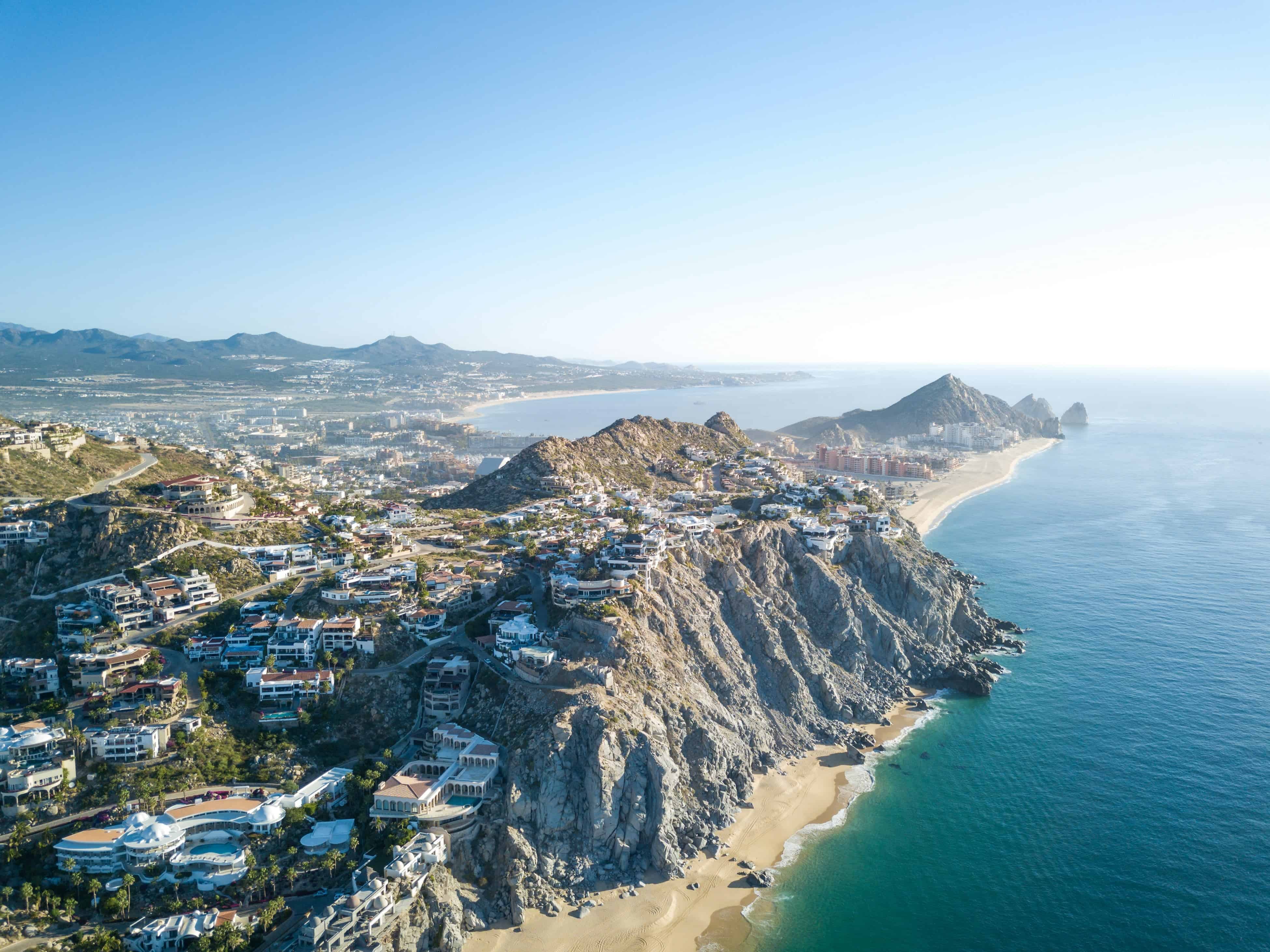
Exploring the Agave Fields of Tequila: A Journey Through Mexico's Liquid Gold
Exploring the Agave Fields of Tequila: A Journey Through Mexico's Liquid Gold
Tequila, a spirit that has captured the hearts and palates of people around the world, is not just a drink; it is a cultural phenomenon deeply rooted in the rich history of Mexico. The agave fields of Tequila, Jalisco, are where this beloved spirit begins its journey, and exploring these fields offers a unique glimpse into the heart of Mexican heritage.
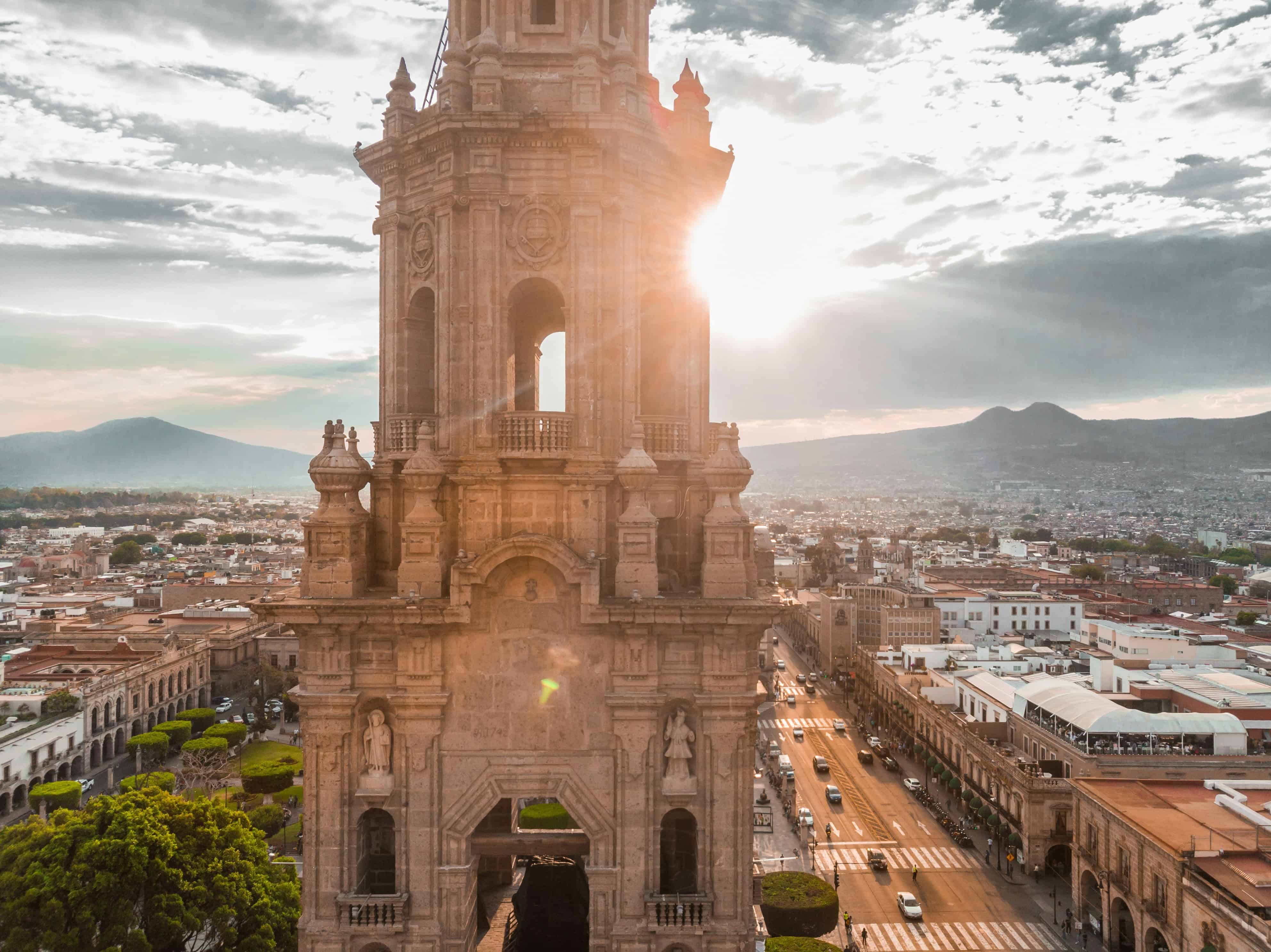
In this comprehensive travel guide, we will delve into the agave fields, the production process of tequila, the best distilleries to visit, and the cultural significance of this iconic beverage.
The Allure of Tequila: Understanding Its Cultural Significance
Tequila is more than just a drink; it is a symbol of Mexican culture and pride. Originating from the blue agave plant, specifically Agave tequilana, tequila has been produced in the region surrounding the town of Tequila for centuries. The drink is so integral to Mexican identity that it was granted Denomination of Origin status in 1974, meaning that only tequila produced in specific regions of Mexico can bear the name. This designation ensures that the quality and authenticity of tequila are preserved, making it a true representation of Mexican craftsmanship.
The Agave Plant: Nature’s Marvel
The blue agave plant is a succulent that can take up to 8 to 12 years to mature before it can be harvested for tequila production. Its long, spiky leaves and large, bulbous heart, known as the piña, are what make it so special. The piña is the part of the plant that is harvested, cooked, and fermented to create tequila.
As you wander through the agave fields, you will be struck by the sight of rows upon rows of these majestic plants, their blue-green hues shimmering under the Mexican sun. The fields are not only beautiful but also a testament to the hard work and dedication of the farmers who cultivate them.
Planning Your Trip: Best Time to Visit the Agave Fields of Tequila
When planning your visit to the agave fields of Tequila, it’s essential to consider the best time to go. The region enjoys a semi-arid climate, with warm temperatures year-round. However, the ideal time to visit is during the dry season, which runs from November to April. During these months, you can expect clear skies and pleasant temperatures, making it perfect for outdoor exploration.
Getting to Tequila: Transportation Options
Tequila is located approximately 65 kilometers (40 miles) northwest of Guadalajara, the capital of Jalisco. There are several transportation options available for reaching Tequila:
- By Car: Renting a car is one of the most convenient ways to explore the region. The drive from Guadalajara to Tequila takes about an hour and offers scenic views of the countryside.
- By Bus: Several bus companies operate routes from Guadalajara to Tequila, making it an affordable option for travelers. The journey takes about 1.5 hours.
- Tequila Train: For a unique experience, consider taking the Tequila Express, a train that departs from Guadalajara and takes you on a scenic journey to Tequila, complete with mariachi music and tequila tastings.
Exploring the Agave Fields: Guided Tours and Experiences
Once you arrive in Tequila, the best way to immerse yourself in the agave fields is by joining a guided tour. Many local companies offer tours that include visits to the fields, distilleries, and tastings. Here are some popular options:
1. Agave Field Tours
These tours take you directly into the heart of the agave fields, where you can learn about the cultivation process and the different varieties of agave. Knowledgeable guides will share insights into the history and significance of the agave plant in Mexican culture.
2. Tequila Distillery Tours
Visiting a distillery is a must when exploring Tequila. Many distilleries offer guided tours that take you through the entire production process, from harvesting the agave to bottling the final product. You’ll have the opportunity to see traditional methods as well as modern techniques used in tequila production.
3. Tequila Tasting Experiences
No trip to Tequila would be complete without sampling the various types of tequila. Many distilleries offer tasting experiences where you can try different varieties, including blanco, reposado, and añejo. Knowledgeable staff will guide you through the tasting process, explaining the unique characteristics of each type.
The Tequila Production Process: From Agave to Bottle
Understanding the tequila production process is essential for appreciating this iconic spirit. Here’s a step-by-step breakdown:
1. Harvesting the Agave
Once the blue agave plant has matured, skilled jimadores (agave harvesters) carefully cut the leaves away to reveal the piña. This process requires expertise and precision, as the piña must be harvested at the right time to ensure optimal flavor.
2. Cooking the Piñas
After harvesting, the piñas are cooked to convert the starches into fermentable sugars. This is typically done in large ovens or autoclaves, where the piñas are steamed for several hours.
3. Milling
Once cooked, the piñas are crushed to extract the sweet juice, known as aguamiel. This juice is the foundation of tequila.
4. Fermentation
The aguamiel is then placed in fermentation tanks, where yeast is added to convert the sugars into alcohol. This process can take several days and is crucial for developing the flavor profile of the tequila.
5. Distillation
The fermented liquid is distilled twice to increase the alcohol content and refine the flavor. The first distillation produces a low-alcohol liquid known as “ordinario,” while the second distillation results in the final tequila.
6. Aging
Tequila can be bottled immediately after distillation (blanco) or aged in wooden barrels for varying lengths of time (reposado and añejo). Aging imparts unique flavors and characteristics to the spirit.
7. Bottling
Finally, the tequila is filtered and bottled, ready to be enjoyed by enthusiasts around the world.
Distilleries to Visit in Tequila: A Guide to the Best
Tequila is home to numerous distilleries, each with its unique story and production methods. Here are some of the best distilleries to visit during your trip:
1. Jose Cuervo Distillery
As one of the oldest and most famous tequila brands, the Jose Cuervo distillery offers an extensive tour that includes a visit to the agave fields, the distillation process, and tastings of their renowned tequilas.
2. Don Julio Distillery
Don Julio is known for its premium tequila, and a visit to their distillery provides insight into their meticulous production process. The tour includes tastings of their various expressions, making it a must-visit for tequila aficionados.
3. Tequila Fortaleza
Tequila Fortaleza is a family-owned distillery that prides itself on traditional production methods. Their tours are intimate and informative, allowing visitors to learn about the artisanal approach to tequila making.
4. Casa Noble Distillery
Casa Noble is known for its organic tequila, and their distillery tour highlights their commitment to sustainability. The tour includes tastings of their award-winning tequilas and a chance to explore their beautiful grounds.
The Flavors of Tequila: Understanding Different Types
Tequila comes in several varieties, each with its distinct flavor profile. Understanding these differences can enhance your tasting experience:
1. Blanco (Silver)
Blanco tequila is unaged and bottled immediately after distillation. It has a bold, fresh flavor with strong agave notes, making it perfect for cocktails or sipping.
2. Reposado
Reposado tequila is aged in oak barrels for a minimum of two months but less than a year. This aging process imparts a smoother flavor with hints of vanilla and caramel, making it a popular choice for sipping.
3. Añejo
Añejo tequila is aged for at least one year but less than three years. The longer aging process results in a rich, complex flavor profile with deep notes of oak, chocolate, and spice, making it ideal for sipping neat.
4. Extra Añejo
Extra añejo tequila is aged for over three years, resulting in a luxurious and sophisticated spirit. Its rich flavors and smooth finish make it a favorite among connoisseurs.
Tequila Cocktails: Mixing It Up
While sipping tequila neat is a delightful experience, there are countless cocktails that showcase this versatile spirit. Here are a few classic tequila cocktails to try:
1. Margarita
The margarita is perhaps the most famous tequila cocktail. Made with tequila, lime juice, and orange liqueur, it’s a refreshing drink that can be served on the rocks or blended.
2. Tequila Sunrise
This vibrant cocktail combines tequila, orange juice, and grenadine for a visually stunning drink that’s perfect for brunch.
3. Paloma
The paloma is a simple yet delicious cocktail made with tequila, grapefruit soda, and lime juice. It’s a refreshing choice for warm days.
4. Tequila Old Fashioned
A twist on the classic old fashioned, this cocktail uses tequila instead of whiskey, combined with bitters, sugar, and a twist of citrus.
Cultural Experiences in Tequila: Beyond the Agave Fields
While tequila is undoubtedly the star of the show, the town of Tequila offers a wealth of cultural experiences to explore. Here are some highlights:
1. Tequila Museum
The Tequila Museum provides an in-depth look at the history and culture of tequila production. Exhibits include artifacts, historical documents, and interactive displays that showcase the evolution of this beloved spirit.
2. Local Cuisine
Don’t miss the opportunity to indulge in traditional Mexican cuisine while in Tequila. Local restaurants serve up delicious dishes such as birria, tamales, and mole, often paired with a refreshing tequila cocktail.
3. Cultural Festivals
Tequila hosts several festivals throughout the year, celebrating its rich heritage and love for tequila. The National Tequila Fair, held in March, features live music, traditional dances, and, of course, plenty of tequila tastings.
4. Artisan Shops
Explore the charming streets of Tequila, where you’ll find artisan shops selling handmade crafts, pottery, and, of course, tequila. Supporting local artisans is a great way to take home a piece of Tequila’s culture.
Tips for Visiting the Agave Fields of Tequila
To make the most of your visit to the agave fields of Tequila, consider these helpful tips:
- Stay Hydrated: The Mexican sun can be intense, so be sure to drink plenty of water while exploring the fields.
- Wear Comfortable Shoes: The terrain can be uneven, so wear sturdy shoes for walking through the agave fields and distilleries.
- Book Tours in Advance: Popular distilleries and tours can fill up quickly, especially during peak season. Booking in advance ensures you won’t miss out on your preferred experiences.
- Respect the Culture: Tequila is a significant part of Mexican culture. Be respectful of the traditions and practices you encounter during your visit.
Conclusion: A Journey Worth Taking
Exploring the agave fields of Tequila is a journey that transcends the mere act of tasting a spirit. It is an opportunity to immerse yourself in the rich culture, history, and craftsmanship that define this iconic beverage. From the stunning landscapes of the agave fields to the intricate production processes of local distilleries, every moment spent in Tequila is a celebration of Mexican heritage.
Whether you’re a tequila enthusiast or a curious traveler, the agave fields of Tequila promise an unforgettable experience that will leave you with a deeper appreciation for this liquid gold. So pack your bags, raise a glass, and get ready to embark on an adventure that will awaken your senses and enrich your understanding of one of Mexico’s most cherished traditions.