
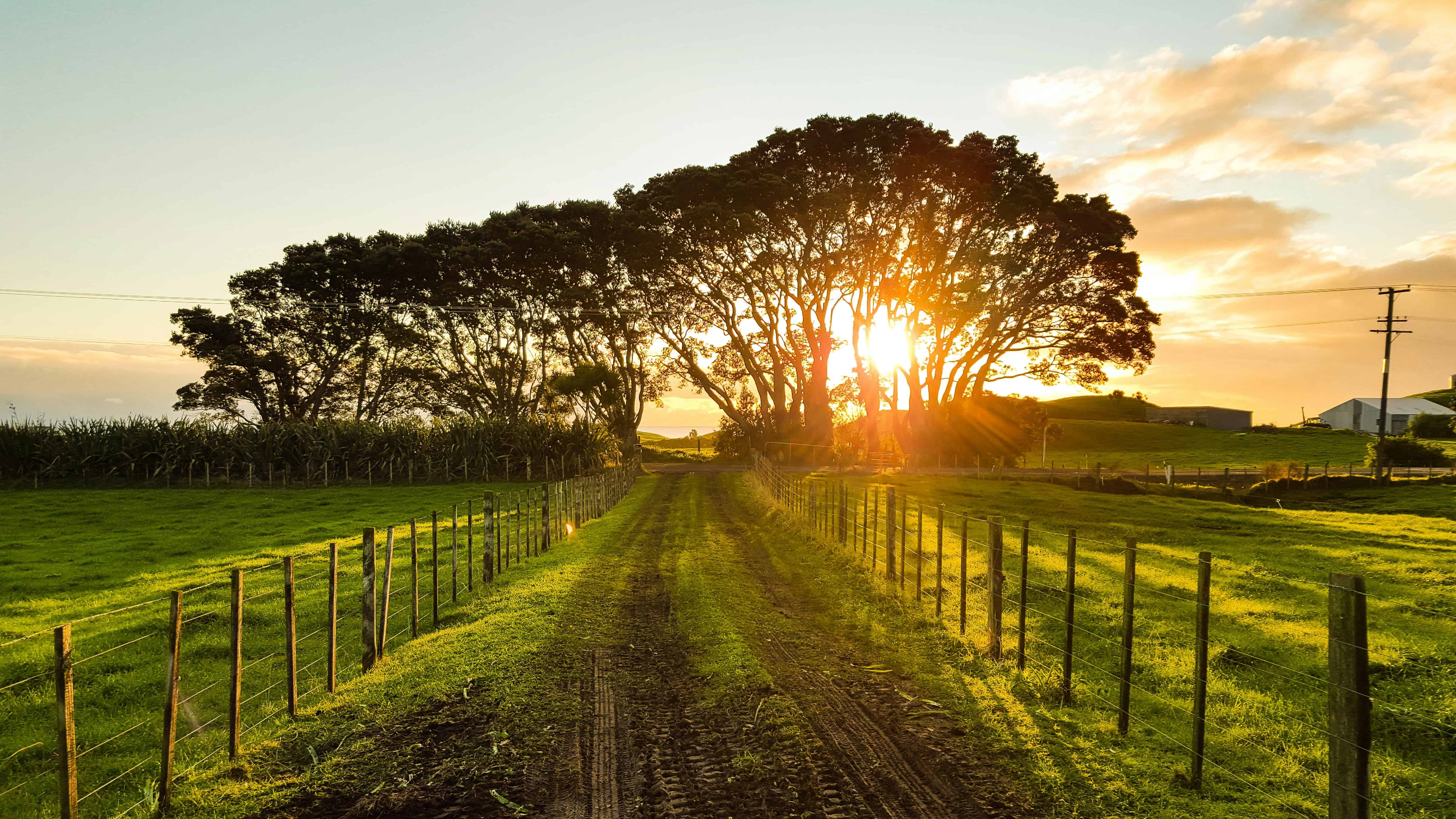
Experiencing Maori Culture: Traditions and Customs in New Zealand
Experiencing Maori Culture: Traditions and Customs in New Zealand
New Zealand, a land of breathtaking landscapes and rich history, is home to the indigenous Maori people whose culture is deeply interwoven into the fabric of the nation. To truly understand New Zealand is to embrace the traditions and customs of the Maori, a journey that offers an enriching experience unlike any other.
From their intricate art forms to their spiritual beliefs, the Maori culture is a vibrant tapestry that reflects their connection to the land, ancestors, and community. In this article, we will explore the various aspects of Maori culture, providing you with a comprehensive guide to experiencing this unique heritage during your travels in New Zealand.
Understanding the Origins of Maori Culture in New Zealand
The Maori people are believed to have arrived in New Zealand from Polynesia over a thousand years ago. Their journey across the vast Pacific Ocean was not only a physical migration but also a spiritual one, as they carried with them their beliefs, traditions, and stories. The Maori culture is rooted in a deep respect for the land and its natural resources, which they refer to as whenua. This connection to the land is evident in their customs, language, and art.
The Maori worldview is encapsulated in the concept of Te Ao Maori, which translates to the Maori world. This perspective emphasizes the interconnectedness of all living things, highlighting the importance of community, family, and the environment. Understanding this worldview is essential for anyone looking to immerse themselves in Maori culture.
The Significance of Language in Maori Culture
The Maori language, known as Te Reo Maori, is a vital component of their identity and culture. It is a language rich in history and meaning, with words that convey deep cultural significance. Learning some basic phrases in Te Reo can enhance your experience and show respect for the Maori people.
Common Maori Phrases to Know
- Kia ora: Hello
- Haere mai: Welcome
- Aroha: Love
- Whānau: Family
- Manaaki: To care for others
Using these phrases during your interactions can foster goodwill and open doors to deeper connections with the Maori community.
Traditional Maori Arts and Crafts: A Window into Their Soul
Maori art is a reflection of their identity, history, and beliefs. From intricate carvings to vibrant weaving, each piece tells a story and carries cultural significance. The art forms are not merely decorative; they are imbued with meaning and serve as a connection to the ancestors.
Wood Carving: The Heart of Maori Art
One of the most iconic forms of Maori art is wood carving, known as whakairo. Carved wooden structures, such as wharenui (meeting houses), are adorned with intricate designs that represent ancestors and tribal history. Each carving is unique and serves as a visual narrative of the tribe's lineage and values.
Weaving: The Art of Raranga
Weaving, or raranga, is another significant art form in Maori culture. Traditionally, Maori women would weave items such as baskets, mats, and cloaks from natural materials like flax. These woven creations are not only functional but also carry cultural stories and ancestral connections.
Traditional Maori Food: A Culinary Journey
Food is an integral part of Maori culture, often reflecting the community's connection to the land and sea. Traditional Maori cuisine is characterized by the use of fresh, local ingredients and cooking methods that have been passed down through generations.
The Hangi: A Unique Cooking Method
One of the most famous traditional Maori dishes is the hangi, a feast cooked in an underground oven. The preparation involves digging a pit, heating stones, and placing food such as meats, vegetables, and seafood wrapped in leaves into the pit to cook for several hours. The hangi is not just a meal; it is a communal experience that brings people together to celebrate and share stories.
Exploring Maori Flavors
When exploring Maori cuisine, be sure to try local dishes such as kānga wai (sweet potato), pāua (abalone), and rori (fish). Each dish is a testament to the Maori's deep connection to their environment and their sustainable practices in sourcing food.
Maori Spirituality: A Connection to the Divine
Spirituality is at the core of Maori culture, influencing their customs, rituals, and daily lives. The Maori believe in a spiritual connection to the land, ancestors, and the universe, which is reflected in their ceremonies and practices.
The Role of Ancestors in Maori Beliefs
In Maori culture, ancestors play a crucial role in guiding and protecting the living. The concept of tūpuna (ancestors) is deeply revered, and many customs are centered around honoring them. This connection is celebrated through various ceremonies, including tangi (funeral rites) and marae (communal gatherings).
Ceremonial Practices: A Sacred Experience
Participating in a Maori ceremony can be a profound experience. The powhiri, a traditional welcoming ceremony, involves speeches, songs, and the hongi (a greeting where two people press their noses together). This ceremony is a way to acknowledge and honor guests, creating a bond between the hosts and visitors.
The Importance of Marae in Maori Culture
The marae is a central hub of Maori community life, serving as a place for gatherings, celebrations, and ceremonies. It is a sacred space that embodies the history and identity of the tribe. Visiting a marae provides an opportunity to engage with the community and learn about their customs firsthand.
Etiquette When Visiting a Marae
When visiting a marae, it is essential to observe proper etiquette. This includes removing your shoes before entering, showing respect during ceremonies, and following the guidance of your hosts. Engaging in the customs of the marae will enhance your understanding of Maori culture and foster meaningful connections.
Engaging with Maori Culture: Tours and Experiences
To truly immerse yourself in Maori culture, consider participating in guided tours and experiences led by Maori hosts. These tours often include storytelling, traditional performances, and hands-on activities that provide insight into their way of life.
Cultural Experiences to Consider
- Maori Cultural Performances: Attend a performance showcasing traditional songs, dances, and haka (war dances).
- Workshops: Participate in workshops that teach traditional crafts such as weaving or carving.
- Farm Stays: Experience rural Maori life by staying on a farm and learning about sustainable practices.
The Future of Maori Culture: Preservation and Innovation
As New Zealand continues to evolve, so does Maori culture. The younger generation is increasingly engaged in preserving their heritage while also embracing modern influences. This blend of tradition and innovation is vital for the survival of Maori culture in a rapidly changing world.
Supporting Maori Initiatives
When traveling in New Zealand, consider supporting Maori-owned businesses and initiatives. This not only contributes to the local economy but also helps sustain cultural practices and traditions. Look for opportunities to purchase authentic Maori art, participate in cultural events, and learn from Maori educators.
Conclusion: Embracing the Richness of Maori Culture
Experiencing Maori culture in New Zealand is a journey that goes beyond mere observation; it is an invitation to engage, learn, and connect with the rich heritage of the Maori people. From their art and cuisine to their spirituality and community practices, every aspect of Maori culture offers a unique perspective on life and the world around us. As you travel through New Zealand, take the time to immerse yourself in these traditions and customs, and you will leave with a deeper appreciation for the land and its people. Embrace the spirit of manaakitanga (hospitality) and allow the stories of the Maori to enrich your travels in this beautiful country.