
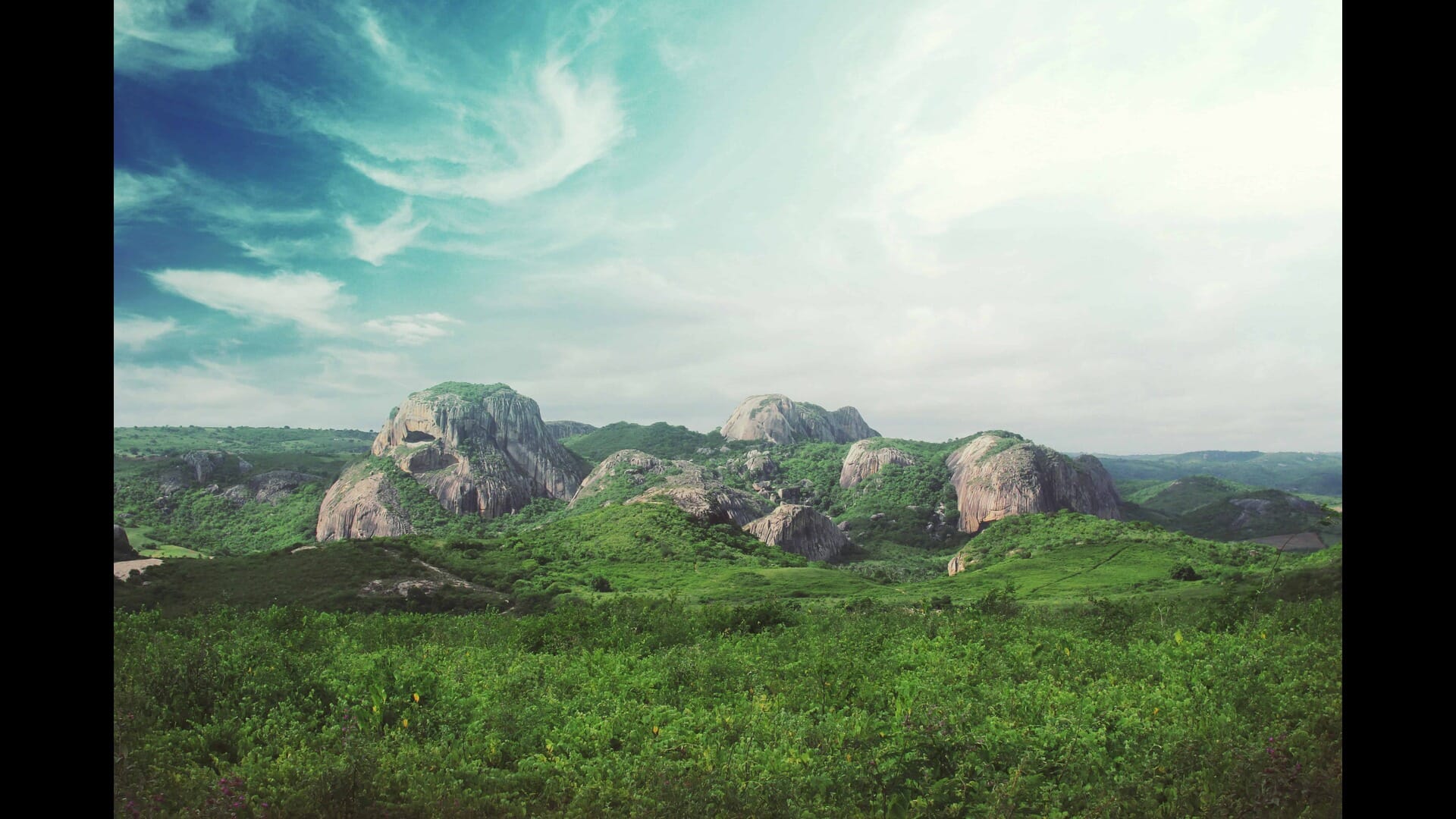
Discovering the Unique Flora and Fauna of the Atlantic Forest
Discovering the Unique Flora and Fauna of the Atlantic Forest
The Atlantic Forest, or Mata Atlântica, is a stunningly rich and biodiverse ecosystem that stretches along the eastern coast of Brazil, extending into parts of Paraguay and Argentina. This unique forest is home to an astonishing variety of flora and fauna, many of which are found nowhere else on Earth.
In this article, we will delve deep into the wonders of the Atlantic Forest, exploring its unique species, ecological importance, and the conservation efforts in place to protect this invaluable habitat.
The Ecological Importance of the Atlantic Forest
The Atlantic Forest is one of the most biodiverse regions in the world, recognized as a global biodiversity hotspot. Covering approximately 1.3 million square kilometers, this forest is home to over 20,000 plant species, 1,000 bird species, and countless mammals, reptiles, amphibians, and insects. The ecological importance of the Atlantic Forest cannot be overstated; it plays a crucial role in regulating climate, protecting watersheds, and supporting a myriad of ecosystems.
Biodiversity in the Atlantic Forest
The Atlantic Forest is renowned for its incredible biodiversity. It is estimated that around 60% of the species found in this forest are endemic, meaning they are not found anywhere else in the world. This includes a variety of plants, animals, and fungi that have adapted to the specific conditions of the forest. Some of the most notable species include:
- Golden Lion Tamarin (Leontopithecus rosalia): This small primate is one of the most iconic species of the Atlantic Forest, known for its striking golden fur and playful behavior.
- Jaguar (Panthera onca): As the largest cat in the Americas, the jaguar is a top predator in the Atlantic Forest, playing a vital role in maintaining the balance of the ecosystem.
- Brazilian Rosewood (Dalbergia nigra): This critically endangered tree species is prized for its beautiful wood and is a vital component of the forest's biodiversity.
Unique Species of the Atlantic Forest
The Atlantic Forest is home to a plethora of unique species that showcase the incredible diversity of life within this ecosystem. Here are some of the most fascinating:
- Atlantic Forest Antbird (Myrmeciza squamosa): This elusive bird is known for its striking plumage and unique vocalizations. It is often found in the understory of the forest, where it forages for insects.
- Spix's Macaw (Cyanopsitta spixii): Once thought to be extinct in the wild, this vibrant blue parrot is a symbol of conservation efforts in the Atlantic Forest.
- Brazilian Tapir (Tapirus terrestris): This large herbivore plays a crucial role in seed dispersal, helping to maintain the health of the forest.
The Threats Facing the Atlantic Forest
Despite its incredible biodiversity, the Atlantic Forest is under severe threat from human activities. Deforestation, urbanization, and agriculture have led to the loss of over 90% of the original forest cover. This has resulted in habitat fragmentation, making it increasingly difficult for species to survive and thrive.
Deforestation and Its Impact
Deforestation in the Atlantic Forest is primarily driven by agriculture, logging, and urban development. The consequences of this deforestation are dire:
- Loss of Habitat: As trees are cut down, the natural habitat for countless species is destroyed, leading to population declines and extinctions.
- Climate Change: The loss of trees contributes to increased carbon emissions, exacerbating climate change and further threatening the forest's delicate ecosystems.
- Soil Erosion: Without trees to anchor the soil, erosion becomes a significant issue, leading to degraded land and compromised water quality.
Conservation Efforts in the Atlantic Forest
Recognizing the urgent need to protect this vital ecosystem, numerous conservation efforts have been initiated to preserve the Atlantic Forest and its unique biodiversity. These efforts include:
- Protected Areas: Establishing national parks and reserves to safeguard critical habitats and promote biodiversity conservation.
- Reforestation Projects: Planting native trees to restore degraded areas and reconnect fragmented habitats.
- Community Engagement: Involving local communities in conservation efforts, promoting sustainable practices, and raising awareness about the importance of the Atlantic Forest.
Best Places to Visit in the Atlantic Forest
For those looking to explore the wonders of the Atlantic Forest, there are several must-visit destinations that showcase its unique flora and fauna. Here are some of the best places to experience the beauty of this incredible ecosystem:
Tijuca National Park, Brazil
Located in the heart of Rio de Janeiro, Tijuca National Park is one of the largest urban rainforests in the world. Visitors can hike through lush trails, encounter diverse wildlife, and enjoy stunning views of the city and surrounding mountains. Key highlights include:
- Cascatinha Taunay: A beautiful waterfall surrounded by vibrant vegetation, perfect for a refreshing dip.
- Vista Chinesa: An iconic viewpoint offering panoramic views of Rio de Janeiro and the surrounding forest.
- Hiking Trails: Numerous trails wind through the park, providing opportunities to spot unique bird species and other wildlife.
Serra do Mar State Park, Brazil
Stretching along the coastline of São Paulo, Serra do Mar State Park is a UNESCO Biosphere Reserve that boasts incredible biodiversity. This park is a haven for hikers, birdwatchers, and nature enthusiasts. Notable attractions include:
- Pico do Jaraguá: The highest peak in São Paulo, offering breathtaking views and a chance to see rare species like the Myrmeciza squamosa.
- Waterfalls: Numerous waterfalls dot the park, providing picturesque spots for relaxation and photography.
- Wildlife Watching: Keep an eye out for the elusive jaguar and various bird species, including the endangered Spix's Macaw.
Parque Nacional do Iguaçu, Brazil
Famous for the stunning Iguaçu Falls, this national park is also home to a significant portion of the Atlantic Forest. Visitors can explore the park's extensive trail system, which leads to breathtaking viewpoints and opportunities to see diverse wildlife. Highlights include:
- Iguaçu Falls: One of the largest and most spectacular waterfall systems in the world, surrounded by lush rainforest.
- Wildlife Tours: Guided tours offer the chance to spot unique species like the Brazilian tapir and various monkeys.
- Boat Rides: Experience the power of the falls up close with thrilling boat rides through the river.
Hiking in the Atlantic Forest: Trails and Tips
Hiking in the Atlantic Forest is a fantastic way to immerse yourself in its beauty and discover its unique flora and fauna. Here are some popular trails and tips for a successful hiking experience:
Popular Hiking Trails
- Trilha do Pai Zé: Located in Tijuca National Park, this trail leads to stunning viewpoints and offers opportunities to see diverse wildlife.
- Trilha da Pedra Bonita: A challenging hike that rewards adventurers with breathtaking views of the coastline and surrounding forest.
- Trilha do Ouro: A historical trail that takes hikers through lush vegetation and past remnants of the region's gold mining history.
Hiking Tips
- Wear Appropriate Gear: Sturdy hiking boots, breathable clothing, and a hat are essential for a comfortable hiking experience.
- Stay Hydrated: Bring plenty of water, as hiking in the humid environment of the Atlantic Forest can be strenuous.
- Respect Wildlife: Keep a safe distance from animals and avoid feeding them to ensure their safety and well-being.
Wildlife Watching in the Atlantic Forest
The Atlantic Forest is a paradise for wildlife enthusiasts, offering opportunities to observe a wide variety of species in their natural habitats. Here are some tips for successful wildlife watching:
Best Times for Wildlife Watching
- Early Morning and Late Afternoon: Many animals are most active during these times, making them ideal for spotting wildlife.
- Seasonal Variations: Different species may be more visible during certain seasons, so research the best times to visit for specific wildlife sightings.
Essential Wildlife Watching Tips
- Use Binoculars: A good pair of binoculars can enhance your wildlife watching experience, allowing you to observe animals from a distance.
- Be Patient and Quiet: Wildlife is often skittish, so moving quietly and patiently can increase your chances of spotting elusive species.
- Join Guided Tours: Local guides can provide valuable insights and help you locate specific species, enhancing your wildlife watching experience.
The Role of Local Communities in Conservation
Local communities play a vital role in the conservation of the Atlantic Forest. By engaging with these communities and supporting sustainable practices, travelers can contribute to the preservation of this unique ecosystem. Here are some ways to get involved:
Supporting Sustainable Tourism
- Choose Eco-Friendly Accommodations: Opt for lodges and hotels that prioritize sustainability and support local conservation efforts.
- Participate in Community-Based Tours: Engage with local guides who can share their knowledge of the forest and its inhabitants while promoting responsible tourism.
Educating and Raising Awareness
- Share Your Experiences: Use social media and other platforms to raise awareness about the importance of the Atlantic Forest and the need for conservation efforts.
- Volunteer Opportunities: Consider volunteering with local organizations focused on reforestation and wildlife protection.
Conclusion: The Future of the Atlantic Forest
The Atlantic Forest is a treasure trove of biodiversity, offering a glimpse into the incredible variety of life on our planet. However, its future hangs in the balance, threatened by human activities and environmental changes. By understanding the unique flora and fauna of this ecosystem, supporting conservation efforts, and engaging with local communities, we can all play a part in preserving the Atlantic Forest for generations to come.
As you embark on your journey to discover the wonders of the Atlantic Forest, remember to tread lightly, respect the wildlife, and cherish the beauty of this remarkable ecosystem. Whether you are hiking through its lush trails, marveling at its unique species, or simply soaking in the tranquility of the forest, the Atlantic Forest promises an unforgettable experience that will leave you with a deeper appreciation for the natural world.