
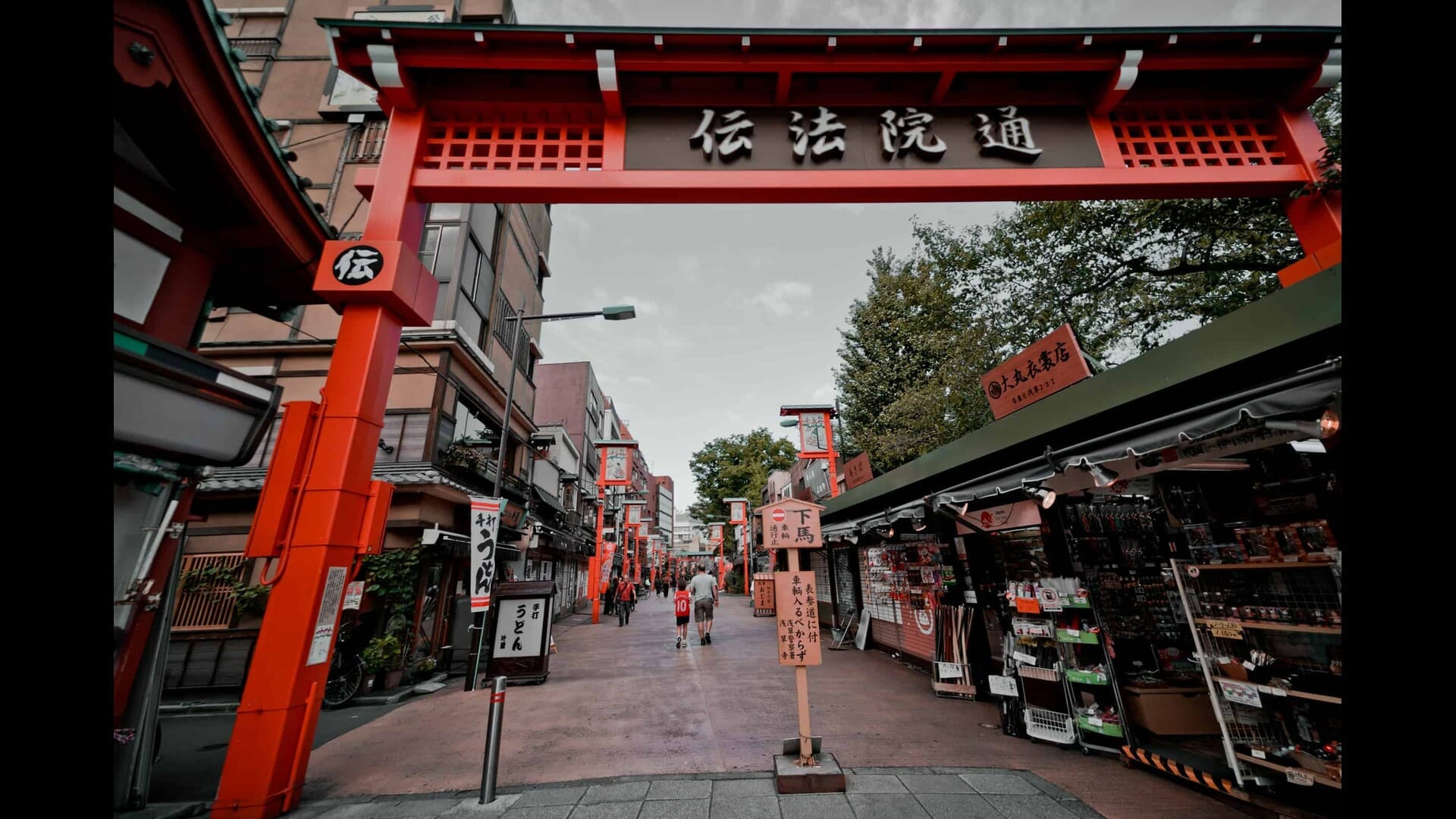
Discovering the Traditional Techniques of Sumi-e: Japanese Ink Painting
Discovering the Traditional Techniques of Sumi-e: Japanese Ink Painting
Sumi-e, the exquisite art of Japanese ink painting, is a practice that transcends mere aesthetics; it is a philosophy, a way of life, and a profound connection to nature and the universe. This ancient art form, which has been practiced for centuries, invites artists to express their inner emotions and thoughts through the delicate strokes of a brush dipped in black ink.
In this article, we will embark on a journey to explore the traditional techniques of Sumi-e, its rich history, the tools used, and how you can start creating your own Sumi-e masterpieces.
The Rich History of Sumi-e: Understanding Its Origins
Sumi-e, which translates to "ink painting" in Japanese, has its roots in China, where it was developed during the Tang Dynasty (618-907 AD). The technique was brought to Japan in the 14th century by Zen Buddhist monks who sought to express their spiritual beliefs through art. The simplicity and elegance of Sumi-e resonated with the Japanese aesthetic, leading to its adaptation and evolution within the culture.
The art form flourished during the Muromachi period (1336-1573), when it became a favored practice among samurai and scholars. Sumi-e was not merely a form of artistic expression; it was also a means of meditation, allowing practitioners to find tranquility and focus through the rhythmic movements of the brush. Over the centuries, Sumi-e has been influenced by various Japanese philosophies, including Zen Buddhism and the concept of wabi-sabi, which embraces imperfection and transience.
The Philosophy Behind Sumi-e: More Than Just Painting
At its core, Sumi-e is about capturing the essence of a subject rather than its physical appearance. This philosophy stems from the belief that everything in nature is interconnected and that an artist must understand the spirit of their subject to portray it authentically. In Sumi-e, the brushwork is intentional and deliberate, with each stroke representing a moment of mindfulness.
The practice encourages artists to embrace spontaneity and freedom, allowing the ink to flow naturally on the paper. This approach fosters a deep connection between the artist and their work, as well as a sense of harmony with the surrounding environment. The ultimate goal of Sumi-e is not to create a perfect image but to convey the emotions and energy of the subject, inviting viewers to experience the artwork on a deeper level.
Essential Tools for Sumi-e: What You Need to Get Started
To embark on your Sumi-e journey, you will need a few essential tools. Each tool plays a crucial role in the creation of your artwork, and understanding their significance will enhance your practice.
1. Sumi Ink
Sumi ink is a special type of black ink made from soot and animal glue. It comes in two forms: liquid ink and ink sticks. While liquid ink is convenient for beginners, traditionalists often prefer ink sticks, which require grinding on an ink stone to produce the desired consistency. The process of grinding ink is meditative and allows the artist to connect with the material.
2. Brushes
Sumi-e brushes are unique, with soft bristles that allow for a range of strokes, from delicate lines to bold washes. They come in various sizes and shapes, each serving a different purpose. A larger brush is ideal for broad strokes and backgrounds, while a smaller brush is perfect for fine details.
3. Rice Paper
The choice of paper is vital in Sumi-e. Traditional rice paper, known as "washi," is highly absorbent and allows the ink to spread beautifully. Its texture and weight can significantly impact the final appearance of your artwork. Experimenting with different types of paper will help you understand how each one interacts with the ink.
4. Ink Stone
An ink stone, or "suzuri," is used for grinding ink sticks and mixing ink. It typically has a smooth surface and a shallow well to hold the ink. The process of grinding ink on the stone is an essential part of the Sumi-e ritual, allowing the artist to focus and prepare mentally for their work.
5. Mounting Materials
Once your artwork is complete, you may want to mount it. Traditional mounting materials include silk or washi, which can enhance the presentation of your piece. Understanding how to properly mount your artwork is an important skill in Sumi-e.
Traditional Techniques of Sumi-e: Mastering the Art
Now that you are familiar with the tools, it’s time to delve into the traditional techniques that define Sumi-e. These techniques require practice and patience, but they will ultimately lead to a deeper understanding of the art form.
1. Basic Brush Strokes
Before creating a full composition, it’s essential to master basic brush strokes. Each stroke has a specific name and purpose:
- Hiragana: A soft, flowing stroke used for creating organic shapes.
- Tatebake: A vertical stroke that conveys strength and stability.
- Yokobake: A horizontal stroke that represents calmness and tranquility.
- Kake: A diagonal stroke that adds dynamism to the composition.
Practice these strokes on scrap paper until you feel comfortable with their execution. Remember, the goal is not perfection but rather the expression of your emotions through each stroke.
2. Creating Depth with Wash Techniques
Sumi-e often employs wash techniques to create depth and dimension in the artwork. This involves varying the concentration of ink and water to achieve different shades of gray. Start by practicing gradients on paper, transitioning from dark to light. This technique is particularly useful for landscapes and natural scenes, where depth is crucial.
3. The Importance of Negative Space
In Sumi-e, negative space is just as important as the painted elements. The empty spaces around your subject create balance and harmony within the composition. When planning your artwork, consider how the negative space interacts with the painted areas. This approach encourages viewers to engage with the artwork more deeply, as they are invited to fill in the gaps with their imagination.
4. Capturing Nature: The Essence of Sumi-e
Nature is a central theme in Sumi-e, and capturing its essence is a fundamental aspect of the art form. Whether painting a delicate cherry blossom or a majestic mountain, focus on the spirit of the subject rather than its physical details. Observe the way light interacts with the subject and how it changes throughout the day. This mindfulness will enhance your ability to convey the beauty of nature in your artwork.
5. Incorporating Calligraphy
Calligraphy is often integrated into Sumi-e paintings, adding an additional layer of meaning and beauty. Japanese characters can convey emotions, thoughts, or even poetry, enhancing the overall impact of the artwork. Learning basic calligraphy techniques will allow you to incorporate this element into your Sumi-e practice, creating a harmonious blend of visual and textual art.
The Role of Meditation in Sumi-e Practice
Sumi-e is not just about the final artwork; it is also a meditative practice that encourages mindfulness and self-reflection. Before starting a painting session, take a moment to center yourself. This can be achieved through deep breathing, stretching, or simply observing your surroundings. The goal is to clear your mind and focus on the present moment.
As you paint, maintain a sense of awareness. Pay attention to the movement of your brush, the flow of the ink, and the emotions that arise during the process. This meditative approach will not only enhance your artistic expression but also promote a sense of peace and fulfillment.
Learning Sumi-e: Workshops and Online Resources
If you're eager to learn Sumi-e, there are numerous workshops and online resources available. Many art studios and community centers offer classes for beginners, where you can receive hands-on instruction from experienced artists. These workshops often provide all the necessary materials, allowing you to focus on developing your skills.
Online Courses
For those unable to attend in-person classes, online courses are an excellent alternative. Websites like Skillshare and Udemy offer a variety of Sumi-e courses, ranging from beginner to advanced levels. These courses often include video tutorials, downloadable resources, and community forums where you can connect with fellow learners.
Books and Guides
There are also many books available that delve into the techniques and philosophy of Sumi-e. Titles such as “The Art of Sumi-e: The Japanese Ink Painting” by Shozo Sato and “Sumi-e: The Art of Japanese Ink Painting” by David A. Smith provide valuable insights and step-by-step instructions for creating your own artworks.
The Contemporary Influence of Sumi-e: Bridging Tradition and Modernity
While Sumi-e has deep historical roots, it continues to evolve in contemporary art. Many modern artists are incorporating traditional techniques into their work, blending Sumi-e with other styles and mediums. This fusion creates a dynamic dialogue between the past and present, allowing Sumi-e to remain relevant in today’s art world.
1. Sumi-e in Mixed Media
Artists are increasingly experimenting with mixed media, combining Sumi-e with collage, digital art, and photography. This innovative approach opens up new avenues for expression, allowing artists to explore themes of identity, culture, and the environment.
2. Sumi-e in Fashion and Design
The aesthetic of Sumi-e has also found its way into fashion and design. Designers are incorporating Sumi-e motifs into textiles, home decor, and even graphic design. This trend reflects a growing appreciation for the beauty and simplicity of traditional Japanese art.
Conclusion: Embracing the Journey of Sumi-e
As we conclude our exploration of Sumi-e, it’s important to remember that this art form is as much about the journey as it is about the destination. Each stroke of the brush is an opportunity for self-expression, mindfulness, and connection to the world around us. Whether you are a seasoned artist or a complete beginner, embracing the philosophy of Sumi-e can enrich your life in profound ways.
So gather your tools, find a quiet space, and allow the ink to flow. With each painting, you will not only create beautiful art but also cultivate a deeper understanding of yourself and the universe. Welcome to the world of Sumi-e, where every stroke tells a story, and every painting is a reflection of your inner self.