
Discovering the Secrets of Ancient Egyptian Hieroglyphs
Discovering the Secrets of Ancient Egyptian Hieroglyphs
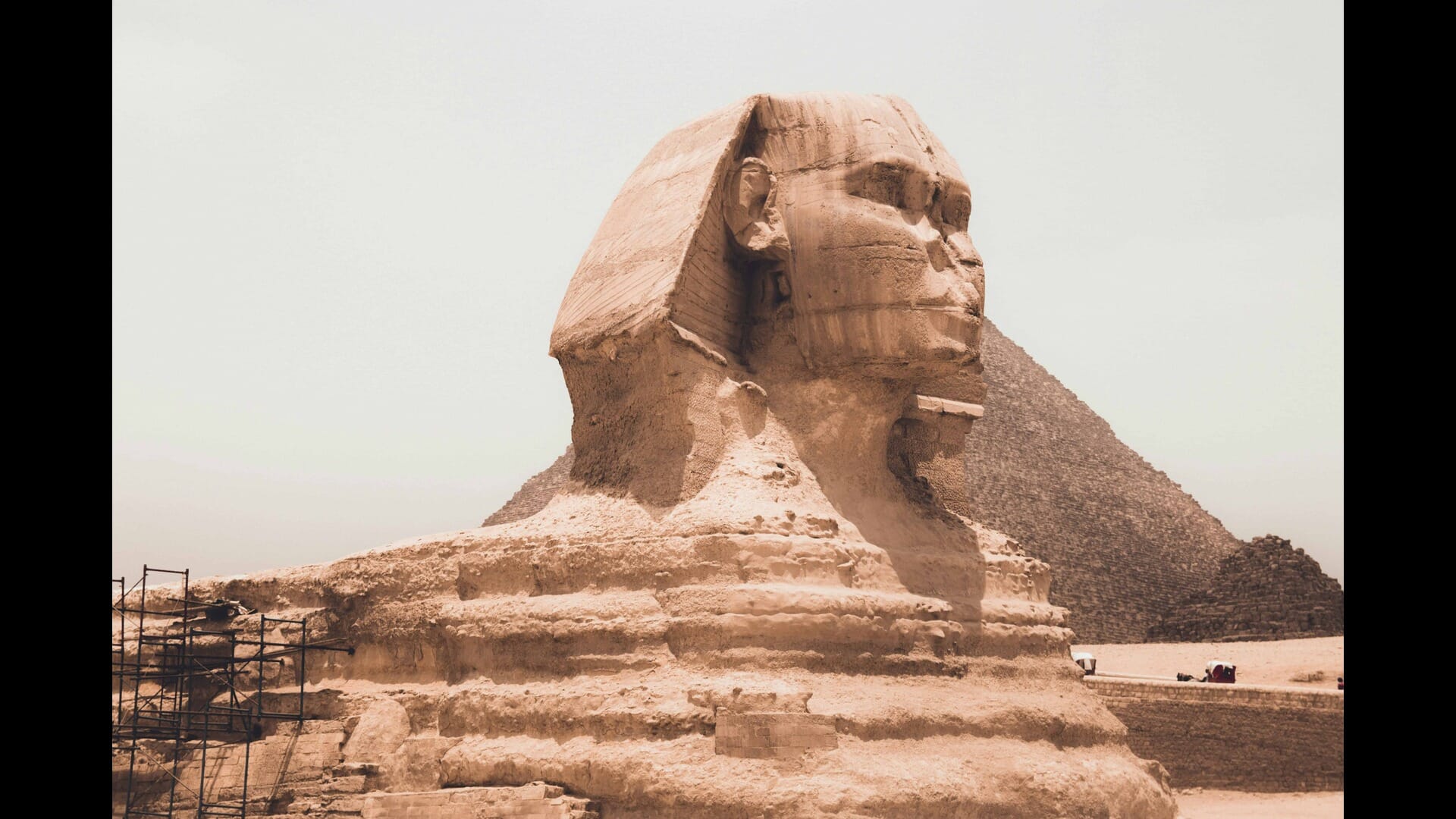
The allure of ancient Egypt has captivated the minds and hearts of many for centuries. From the majestic pyramids that pierce the sky to the enigmatic Sphinx that guards the secrets of the past, the wonders of this ancient civilization are boundless. Among these wonders lies a fascinating aspect of their culture: the intricate system of writing known as hieroglyphs.
This article takes you on a journey to discover the secrets of ancient Egyptian hieroglyphs, exploring their history, significance, and the art of deciphering this ancient script.
The Origins of Ancient Egyptian Hieroglyphs
Ancient Egyptian hieroglyphs date back to around 3200 BCE, making them one of the oldest writing systems in the world. The term 'hieroglyph' comes from the Greek words 'hieros' (sacred) and 'glyphe' (carving), reflecting their use in religious and ceremonial contexts. Hieroglyphs were primarily used for inscriptions on temple walls, tombs, and monuments, serving both decorative and communicative purposes.
The Development of Hieroglyphic Writing
Hieroglyphic writing evolved from earlier forms of pictorial representation. Initially, these symbols depicted tangible objects, such as animals, plants, and tools, which were significant to the Egyptian way of life. Over time, these pictographs transformed into a more complex system that included phonetic elements, allowing for the representation of sounds and ideas.
The Structure of Hieroglyphs
Hieroglyphs consist of over 700 distinct symbols, each with its own meaning. These symbols can be categorized into three main types:
- Logograms: Symbols that represent words or morphemes (the smallest units of meaning).
- Phonograms: Symbols that represent sounds, similar to letters in the alphabet.
- Determinatives: Symbols that provide context or clarify the meaning of a word but are not pronounced.
This combination of logograms and phonograms allowed the Egyptians to convey complex ideas and narratives through their writing.
The Significance of Hieroglyphs in Ancient Egyptian Culture
Hieroglyphs were more than just a means of communication; they were deeply intertwined with the spiritual and cultural life of ancient Egyptians. The act of writing was considered sacred, and scribes held a prestigious position in society.
Hieroglyphs and Religion
Many hieroglyphic inscriptions were religious in nature, often found in temples and tombs. They served to honor the gods, commemorate the deceased, and ensure a safe passage to the afterlife. The famous Book of the Dead, a collection of spells and incantations, was often inscribed on papyrus or tomb walls to guide the dead through the underworld.
Hieroglyphs as a Tool for Power
Pharaohs used hieroglyphs to assert their power and divine status. Inscriptions on monuments and statues proclaimed their achievements and reinforced their connection to the gods. The use of hieroglyphs in royal decrees and public monuments helped to legitimize their rule and communicate their authority to the people.
The Art of Deciphering Hieroglyphs
For centuries, the meaning of hieroglyphs remained a mystery, lost to time. However, the discovery of the Rosetta Stone in 1799 marked a turning point in the understanding of this ancient script.
The Rosetta Stone: A Key to Understanding Hieroglyphs
The Rosetta Stone is a granodiorite stele inscribed with a decree issued in 196 BCE. What makes this stone particularly significant is that it contains the same text written in three scripts: Greek, Demotic, and hieroglyphic. Scholars, including Jean-François Champollion, used the Greek text as a basis to decipher the hieroglyphs, unlocking the secrets of this ancient writing system.
The Process of Deciphering Hieroglyphs
Deciphering hieroglyphs involves understanding the phonetic and logographic elements of the script. Scholars analyze the symbols, their context, and their relationships to one another. This process requires a deep understanding of ancient Egyptian language, culture, and history.
Common Hieroglyphs and Their Meanings
To appreciate the beauty of hieroglyphs, it is essential to explore some of the most common symbols and their meanings. Here are a few notable examples:
The Ankh (☥)
The ankh is one of the most recognizable symbols of ancient Egypt, representing life and immortality. It is often depicted in the hands of gods and pharaohs, symbolizing their divine power to grant life.
The Eye of Horus (𓂀)
The Eye of Horus, also known as the Wedjat, symbolizes protection, health, and restoration. It was often used as an amulet to ward off evil and ensure the safety of the wearer.
The Scarab Beetle (𓆣)
The scarab beetle represents rebirth and transformation. In ancient Egyptian mythology, the scarab was associated with the sun god Ra, who was believed to roll the sun across the sky like a scarab rolling a ball of dung.
The Role of Scribes in Ancient Egypt
Scribes were the educated elite of ancient Egyptian society, responsible for reading and writing hieroglyphs. Their skills were highly valued, and they played a crucial role in administration, record-keeping, and religious rituals.
Training and Education of Scribes
Becoming a scribe required years of rigorous training. Young boys, often from wealthy families, attended schools where they learned to read and write hieroglyphs, as well as mathematics and religious texts. This education prepared them for a life of service in the temples or the royal court.
The Daily Life of a Scribe
Scribes were tasked with various duties, including documenting transactions, recording historical events, and composing literary works. Their work was essential for the functioning of the state, and they often enjoyed privileges such as higher social status and better living conditions.
The Decline of Hieroglyphic Writing
The use of hieroglyphs began to decline after the conquest of Egypt by the Romans in 30 BCE. The rise of Christianity and the subsequent spread of the Greek and Latin languages contributed to the gradual abandonment of hieroglyphic writing.
The Last Hieroglyphs
The last known hieroglyphic inscriptions date back to the 4th century CE. After this period, hieroglyphs fell into obscurity, and their meanings were forgotten until their rediscovery in the 19th century.
The Legacy of Hieroglyphs in Modern Culture
Despite their decline, the legacy of hieroglyphs continues to influence modern culture. Today, they are celebrated in art, literature, and popular media, captivating the imagination of people around the world.
Hieroglyphs in Art and Literature
Contemporary artists and writers often draw inspiration from ancient Egyptian hieroglyphs, incorporating them into their works to evoke a sense of mystery and wonder. From novels to graphic novels, the imagery of hieroglyphs serves as a powerful symbol of ancient wisdom and knowledge.
The Fascination with Ancient Egypt in Popular Media
Movies, documentaries, and television series frequently explore the themes of ancient Egypt, showcasing its rich history and culture. The allure of hieroglyphs, with their intricate designs and hidden meanings, adds an element of intrigue that continues to captivate audiences.
How to Learn More About Hieroglyphs
For those interested in delving deeper into the world of ancient Egyptian hieroglyphs, there are numerous resources available. Here are some recommendations:
Books and Online Courses
Several books and online courses provide comprehensive insights into hieroglyphs, their meanings, and their historical context. Titles such as "Egyptian Grammar" by Sir Alan Gardiner and "How to Read Egyptian Hieroglyphs" by Andrew Robinson are excellent starting points for beginners.
Museums and Archaeological Sites
Visiting museums and archaeological sites in Egypt can provide a firsthand experience of hieroglyphs in their original context. The Egyptian Museum in Cairo, the temples of Karnak and Luxor, and the Valley of the Kings are just a few places where you can see hieroglyphs up close.
Conclusion: The Enduring Mystery of Hieroglyphs
The secrets of ancient Egyptian hieroglyphs continue to intrigue scholars, historians, and enthusiasts alike. As we uncover the meanings behind these symbols, we gain a deeper understanding of the culture, beliefs, and achievements of one of the world's most remarkable civilizations. The journey of discovery is far from over, and as we continue to explore the mysteries of hieroglyphs, we are reminded of the timeless connection between language, culture, and the human experience.
In conclusion, the study of ancient Egyptian hieroglyphs is not merely an academic pursuit; it is a gateway to understanding the rich tapestry of human history. Whether you are an aspiring Egyptologist, a history buff, or simply a curious traveler, the world of hieroglyphs offers a fascinating glimpse into the past, inviting us to unlock the secrets of a civilization that continues to inspire and captivate.