
Discovering Norway's Unique Sámi Culture: A Journey Through Tradition and Modernity
Discovering Norway's Unique Sámi Culture: A Journey Through Tradition and Modernity
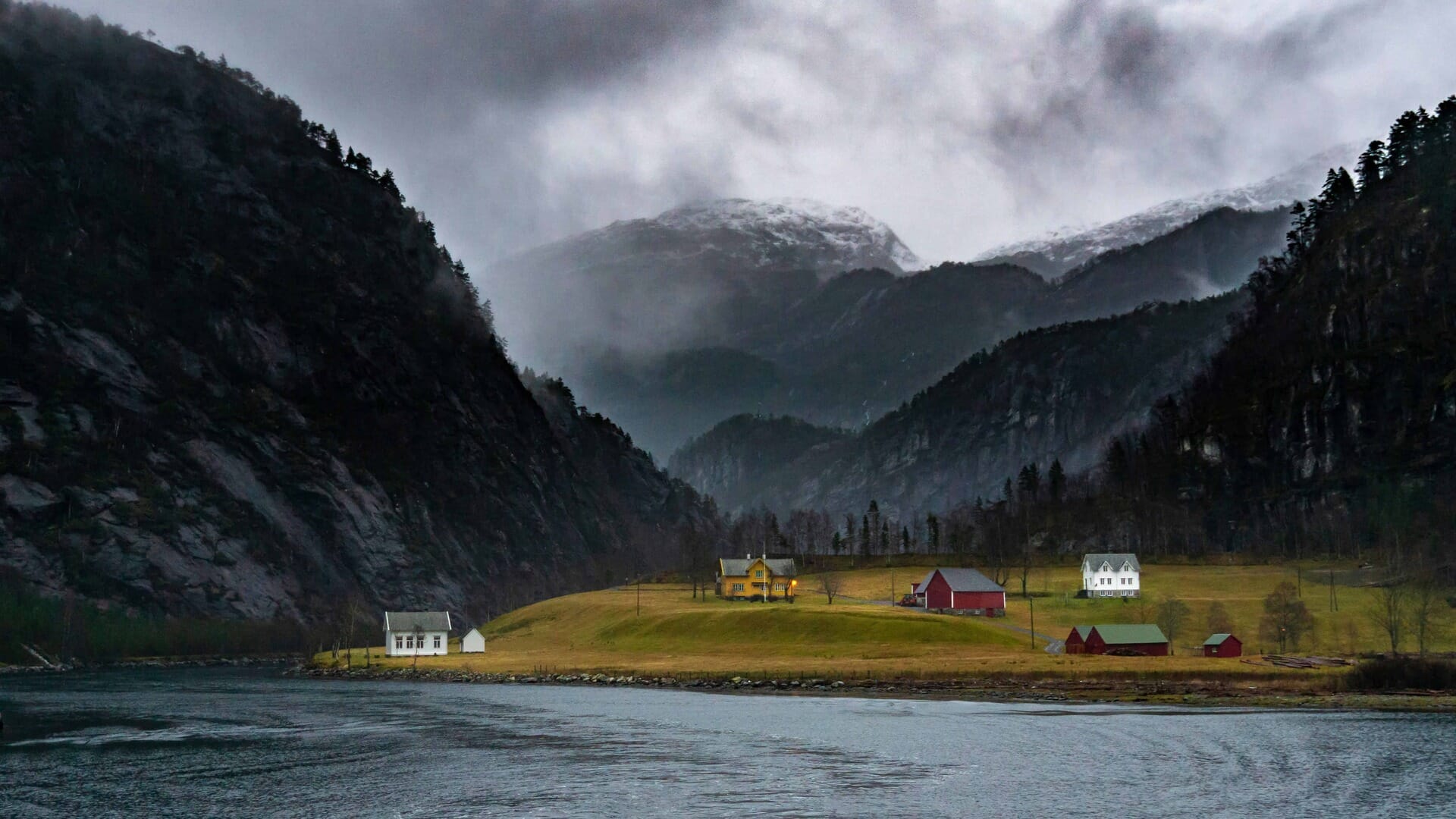
Norway, a land of breathtaking fjords, majestic mountains, and the enchanting Northern Lights, is also home to a rich tapestry of cultures. Among these, the Sámi culture stands out as a unique and vibrant heritage that has thrived for thousands of years.
The Sámi people, the indigenous inhabitants of the Arctic regions of Norway, Sweden, Finland, and Russia, have a profound connection to the land, its wildlife, and their traditional ways of life. In this article, we will embark on a journey to discover Norway's unique Sámi culture, exploring their traditions, lifestyle, and the vibrant heritage that continues to flourish in the modern world.
Understanding the Sámi People: An Overview of Their History and Heritage
The Sámi people, known as the Sámit in their own language, have a history that dates back thousands of years. They are traditionally semi-nomadic, relying on reindeer herding, fishing, and hunting for their sustenance. The Sámi inhabit the northernmost regions of Norway, Sweden, Finland, and Russia, with a significant population residing in Norway’s Finnmark region.
Historically, the Sámi faced numerous challenges, including colonization, forced assimilation, and cultural suppression. However, in recent decades, there has been a resurgence of Sámi identity and pride, leading to a revitalization of their language, traditions, and cultural practices. Today, the Sámi are recognized as an indigenous people with their own rights and governance structures, including the Sámi Parliament in Norway.
The Sámi Language: A Key Element of Cultural Identity
Language is a cornerstone of the Sámi culture, with several distinct Sámi languages spoken across the region. The most widely spoken are Northern Sámi, Lule Sámi, and Southern Sámi. Each language reflects the unique history and traditions of its speakers, serving as a vital link to their cultural identity.
Efforts to preserve and promote the Sámi languages have gained momentum in recent years, with educational programs, media, and literature being developed in these languages. Learning a few basic phrases in Sámi can enhance your experience when visiting Sámi communities, demonstrating respect and appreciation for their culture.
Traditional Sámi Clothing: The Gákti
One of the most striking aspects of Sámi culture is their traditional clothing, known as gákti. This colorful attire is not only beautiful but also serves practical purposes, reflecting the Sámi's close relationship with nature. The gákti is often made from wool or reindeer skin, providing warmth and protection in the harsh Arctic climate.
Each gákti is unique, with variations in color, design, and accessories that indicate the wearer’s region, marital status, and social standing. When visiting Sámi communities, you may have the opportunity to see these garments in action during festivals and cultural events, where traditional music and dance bring the gákti to life.
Reindeer Herding: The Heart of Sámi Livelihood
Reindeer herding is at the core of Sámi culture and livelihood. The Sámi have developed a deep understanding of reindeer behavior and ecology, allowing them to manage herds sustainably across vast landscapes. This practice is not merely an economic activity; it is intertwined with Sámi identity, spirituality, and community life.
During the summer months, reindeer graze on lush pastures, while in winter, they migrate to lower altitudes. The Sámi use traditional methods to herd and care for their reindeer, often employing dogs and utilizing techniques passed down through generations. Visitors to Sámi communities can engage in reindeer-related activities, such as herding, sledding, and even tasting traditional Sámi dishes made from reindeer meat.
Sámi Festivals and Events: Celebrating Culture and Community
Throughout the year, various festivals and events celebrate Sámi culture, offering visitors a chance to immerse themselves in the vibrant traditions of the Sámi people. One of the most significant events is the Sámi National Day, celebrated on February 6th. This day commemorates the first Sámi congress held in 1917 and is marked by festivities, parades, and cultural performances across Sámi communities.
Other notable events include the Riddu Riddu Festival, an annual celebration of Sámi and indigenous culture held in Kåfjord, and the Sámi Easter Festival, which features traditional music, dance, and crafts. These events provide a unique opportunity to experience the warmth and hospitality of the Sámi people while enjoying their rich cultural heritage.
Sámi Music and Dance: A Living Tradition
Music and dance are integral to Sámi culture, serving as a means of storytelling, celebration, and community bonding. Traditional Sámi music, known as joik, is a unique form of vocal expression that conveys emotions, stories, and connections to nature. Joik is often performed during gatherings, festivals, and ceremonies, creating a powerful atmosphere that resonates with both performers and listeners.
Dance also plays a vital role in Sámi culture, with traditional dances often accompanying joik performances. These dances are characterized by their rhythmic movements and vibrant energy, reflecting the joy and spirit of the Sámi people. Visitors to Sámi communities may have the chance to participate in dance workshops or enjoy live performances, offering a glimpse into this captivating aspect of their culture.
Sámi Crafts and Art: Preserving Tradition Through Creativity
Sámi crafts and art are a testament to the creativity and resourcefulness of the Sámi people. Traditional crafts, such as duodji (Sámi handicrafts), include items made from natural materials like reindeer skin, wood, and bone. These crafts are not only functional but also carry deep cultural significance, often featuring intricate designs and patterns that tell stories of Sámi heritage.
Contemporary Sámi artists are also making their mark, blending traditional techniques with modern expressions. From visual arts to textiles, Sámi artists are gaining recognition both in Norway and internationally, showcasing the richness of their culture through their work. Art exhibitions and craft markets in Sámi regions provide an excellent opportunity to appreciate and purchase authentic Sámi creations.
Experiencing Sámi Culture: Tips for Travelers
If you’re planning to explore Norway’s Sámi culture, here are some tips to enhance your experience:
- Visit Sámi Communities: Engage with local Sámi communities to learn about their traditions, lifestyle, and challenges. Many communities offer guided tours, workshops, and cultural experiences that provide insight into their way of life.
- Participate in Traditional Activities: Embrace the opportunity to participate in traditional Sámi activities, such as reindeer sledding, joik singing, or crafting. These hands-on experiences will deepen your understanding of Sámi culture.
- Respect Cultural Practices: Approach your interactions with the Sámi people with respect and openness. Be mindful of their customs, traditions, and beliefs, and seek permission before taking photographs.
- Learn Basic Sámi Phrases: Learning a few phrases in Sámi can go a long way in building rapport with the locals. Simple greetings and expressions of gratitude will be appreciated.
- Support Sámi Artisans: Purchase authentic Sámi crafts and art directly from local artisans. This not only supports their livelihoods but also ensures that you are acquiring genuine pieces of Sámi culture.
The Future of Sámi Culture: Challenges and Resilience
While the Sámi culture is experiencing a renaissance, it also faces challenges in the modern world. Issues such as climate change, land rights, and cultural preservation continue to impact the Sámi way of life. The encroachment of industrial activities, such as mining and logging, threatens traditional lands and reindeer grazing areas, raising concerns about the sustainability of their livelihoods.
Despite these challenges, the Sámi people remain resilient, advocating for their rights and working to preserve their cultural heritage. Initiatives aimed at revitalizing the Sámi languages, promoting traditional practices, and raising awareness about indigenous issues are gaining momentum. The Sámi Parliament and various organizations play a crucial role in these efforts, ensuring that the voices of the Sámi people are heard and respected.
Conclusion: A Journey Worth Taking
Discovering Norway's unique Sámi culture is a journey that offers profound insights into the lives of an indigenous people who have thrived in harmony with nature for centuries. From their rich traditions and vibrant festivals to their deep connection with reindeer herding and the land, the Sámi culture is a testament to resilience, creativity, and community.
As you explore the breathtaking landscapes of Norway, take the time to engage with the Sámi people, learn about their heritage, and appreciate the beauty of their culture. Whether you’re participating in a traditional joik performance, savoring Sámi cuisine, or purchasing handcrafted duodji, each experience will leave you with a deeper understanding and appreciation for this remarkable culture.
In a world that often overlooks indigenous voices, your journey into Sámi culture is not just a travel experience; it’s an opportunity to celebrate diversity, honor traditions, and connect with the spirit of the Arctic. So pack your bags, embark on this adventure, and let the Sámi culture inspire you in ways you never imagined.