

Discovering Mexican Jewelry Making: A Journey Through Tradition and Craftsmanship
Discovering Mexican Jewelry Making: A Journey Through Tradition and Craftsmanship
Mexico is a land rich in culture, history, and artistry. Among its many treasures, the art of jewelry making stands out as a vibrant expression of its heritage. From the intricate designs of silver jewelry to the colorful beaded pieces that tell stories of ancient traditions, Mexican jewelry making is a fascinating journey into the heart of this beautiful country.
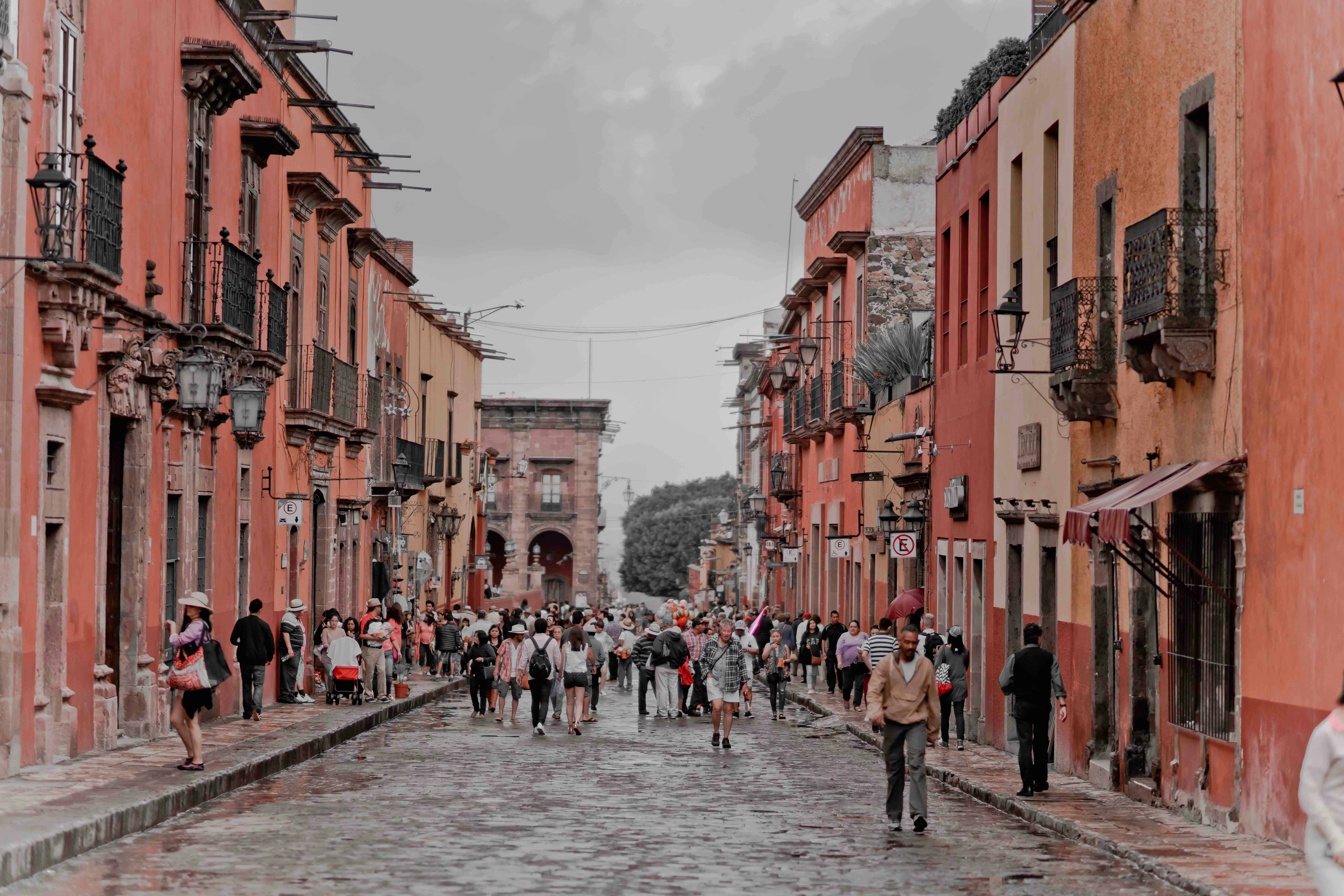
In this article, we will explore the various aspects of Mexican jewelry making, including its history, techniques, styles, and the artisans who keep this craft alive.
The Historical Roots of Mexican Jewelry Making
The Ancient Civilizations and Their Influence on Jewelry
Long before the arrival of the Spanish in the 16th century, the indigenous peoples of Mexico were creating stunning jewelry pieces. The Olmecs, Zapotecs, and Mayans were among the first civilizations to work with precious metals and stones. They crafted jewelry not only for adornment but also for spiritual and ceremonial purposes. Gold, jade, and turquoise were favored materials, each carrying significant cultural meaning.
The Olmecs, known as the “mother culture” of Mesoamerica, created intricate jade masks and pendants that were often buried with their elite. The Mayans, on the other hand, used gold and silver to create elaborate headdresses and necklaces that signified status and power. These ancient practices laid the groundwork for the rich tradition of jewelry making that continues in Mexico today.
The Spanish Influence on Mexican Jewelry Design
With the arrival of the Spanish conquistadors, a new chapter in the history of Mexican jewelry began. The Spanish brought with them European styles and techniques, which blended with indigenous practices to create a unique fusion of design. Silver became a prominent material, especially in the regions of Taxco and Oaxaca, where skilled artisans began to produce intricate silver jewelry that showcased both traditional and contemporary designs.
The introduction of new tools and techniques allowed artisans to experiment with different styles, leading to the creation of filigree and repoussé techniques that are now hallmarks of Mexican jewelry. This period also saw the rise of religious motifs and symbols, reflecting the deep Catholic influence in Mexican culture.
The Artisanal Techniques of Mexican Jewelry Making
Traditional Techniques Passed Down Through Generations
Mexican jewelry making is not just a craft; it is an art form that has been passed down through generations. Many artisans learn their skills from family members, often starting at a young age. This apprenticeship model ensures that traditional techniques are preserved while also allowing for personal creativity to flourish.
One of the most notable techniques is filigree, which involves twisting and soldering fine threads of silver to create delicate patterns. This intricate work requires immense patience and precision, resulting in stunning pieces that are both lightweight and visually captivating.
Another traditional method is repoussé, where artisans hammer metal from the reverse side to create raised designs on the front. This technique allows for a three-dimensional effect, adding depth and texture to the jewelry. Artisans often use repoussé to depict cultural symbols, animals, or floral designs that hold significance in Mexican heritage.
The Role of Tools in Jewelry Making
The tools used in Mexican jewelry making are as diverse as the techniques themselves. Artisans rely on a combination of traditional hand tools and modern equipment to create their pieces. Common tools include:
- Pliers: Used for bending and shaping metal.
- Hammers: Essential for both shaping metal and creating texture.
- Saws: Fine saws are used to cut intricate designs.
- Files: To smooth edges and refine shapes.
- Torches: For soldering and melting metal.
While modern tools have made some processes easier, many artisans still prefer to use traditional hand tools to maintain the authenticity of their work. This dedication to craftsmanship is evident in the quality and beauty of the final products.
The Diverse Styles of Mexican Jewelry
Silver Jewelry: A National Treasure
Silver jewelry is perhaps the most recognized form of Mexican jewelry. The country is known for its high-quality silver, particularly from the town of Taxco, which has become synonymous with silver craftsmanship. Taxco’s artisans are celebrated for their innovative designs and exceptional quality, often incorporating both traditional and contemporary elements.
Pieces such as silver earrings, necklaces, and bracelets often feature intricate designs, including floral motifs, geometric shapes, and even representations of animals. The use of oxidized silver, which gives a darkened finish, adds a unique touch to many pieces, enhancing their visual appeal.
Beaded Jewelry: A Colorful Tradition
Beaded jewelry is another significant aspect of Mexican craftsmanship. Artisans use a variety of materials, including glass, stone, and seed beads, to create vibrant pieces that reflect the colors of the Mexican landscape. Each region has its own distinct style, influenced by local traditions and resources.
For example, the Huichol people are known for their colorful beadwork, which often incorporates intricate patterns and symbols that hold spiritual significance. These pieces are not only beautiful but also tell stories of the culture and beliefs of the Huichol community.
Contemporary Mexican Jewelry: A Modern Twist
In recent years, contemporary Mexican jewelry has gained international recognition. Many artisans are blending traditional techniques with modern designs, creating unique pieces that appeal to a global audience. This fusion of styles has led to the emergence of innovative jewelry collections that challenge conventional aesthetics.
Artisans are experimenting with unconventional materials, such as resin and recycled metals, while still honoring their cultural heritage. This modern approach allows for greater creativity and expression, attracting a new generation of jewelry lovers who appreciate both tradition and innovation.
The Cultural Significance of Jewelry in Mexico
Jewelry as a Symbol of Identity
In Mexico, jewelry is more than just an accessory; it is a symbol of identity and cultural pride. Many pieces are worn during traditional celebrations, such as weddings, quinceañeras, and religious festivals, where they hold deep meaning and significance.
For instance, the Mexican wedding necklace, known as the “Lazo,” is a traditional piece that symbolizes the union of two individuals. It is often made of silver and adorned with intricate designs, representing the couple’s commitment to each other and their families.
The Role of Jewelry in Festivals and Celebrations
Jewelry plays a vital role in Mexican festivals and celebrations, where it is often used to showcase cultural heritage. During the Day of the Dead celebrations, for example, families adorn altars with jewelry that belonged to deceased loved ones, honoring their memory and keeping their spirit alive.
Similarly, during the Guelaguetza Festival in Oaxaca, participants wear traditional costumes adorned with beautiful jewelry that reflects their indigenous roots. These pieces are not only visually stunning but also serve as a reminder of the rich cultural tapestry that makes up Mexico.
The Journey of a Jewelry Artisan in Mexico
A Day in the Life of a Mexican Jewelry Maker
To truly understand the art of Mexican jewelry making, one must delve into the daily life of an artisan. Many artisans work in small workshops, often located in their homes or in communal spaces. The atmosphere is filled with the sounds of hammers striking metal and the soft chatter of artisans sharing techniques and stories.
A typical day begins early, with artisans gathering their tools and materials. They often start by sketching new designs, drawing inspiration from nature, culture, and their personal experiences. Once the designs are finalized, the meticulous process of crafting begins, which can take hours or even days, depending on the complexity of the piece.
Throughout the day, artisans may also engage with customers, sharing the stories behind their creations and the cultural significance of the materials used. This connection between the artisan and the buyer adds a personal touch to each piece, making it more than just a product but a cherished work of art.
Challenges Faced by Jewelry Artisans
Despite the beauty and richness of Mexican jewelry making, artisans face numerous challenges. One of the most significant issues is the competition from mass-produced jewelry, which often undermines the value of handmade pieces. Many artisans struggle to compete with lower-priced items that lack the authenticity and craftsmanship of traditional jewelry.
Additionally, access to resources can be a challenge. While silver is abundant in Mexico, the rising costs of materials and tools can make it difficult for artisans to sustain their craft. Many rely on local cooperatives or community support to help them navigate these challenges and continue their work.
Supporting Mexican Jewelry Artisans: How You Can Help
The Importance of Ethical Purchasing
As consumers, we have the power to support artisans by making informed purchasing decisions. When buying jewelry, consider choosing pieces that are handmade by local artisans rather than mass-produced items. This not only helps sustain traditional craftsmanship but also supports the livelihoods of those who dedicate their lives to this art.
Look for fair trade organizations or cooperatives that work directly with artisans, ensuring they receive fair compensation for their work. By purchasing from these sources, you contribute to the preservation of cultural heritage and the empowerment of communities.
Visiting Artisan Markets and Workshops
If you have the opportunity to visit Mexico, take the time to explore artisan markets and workshops. Many towns, such as Taxco, Oaxaca, and Guadalajara, have vibrant markets where you can find unique jewelry pieces directly from the artisans. Engaging with the artisans and learning about their craft adds a personal touch to your purchase and fosters a deeper appreciation for their work.
Consider participating in workshops where you can learn about jewelry making firsthand. Many artisans offer classes where you can try your hand at creating your own piece, gaining insight into the techniques and dedication required to produce beautiful jewelry.
Conclusion: The Timeless Beauty of Mexican Jewelry Making
Mexican jewelry making is a captivating journey through history, culture, and artistry. From the ancient civilizations that laid the foundation for this craft to the contemporary artisans who continue to innovate, the story of Mexican jewelry is one of resilience and creativity.
By exploring the techniques, styles, and cultural significance of this art form, we gain a deeper understanding of Mexico’s rich heritage. Whether you’re a jewelry enthusiast or simply curious about the craft, discovering Mexican jewelry making is an enriching experience that connects us to the heart and soul of this vibrant country. As we celebrate the artisans who keep this tradition alive, let us also embrace the beauty and significance of the jewelry they create, ensuring that this timeless art continues to shine for generations to come.