
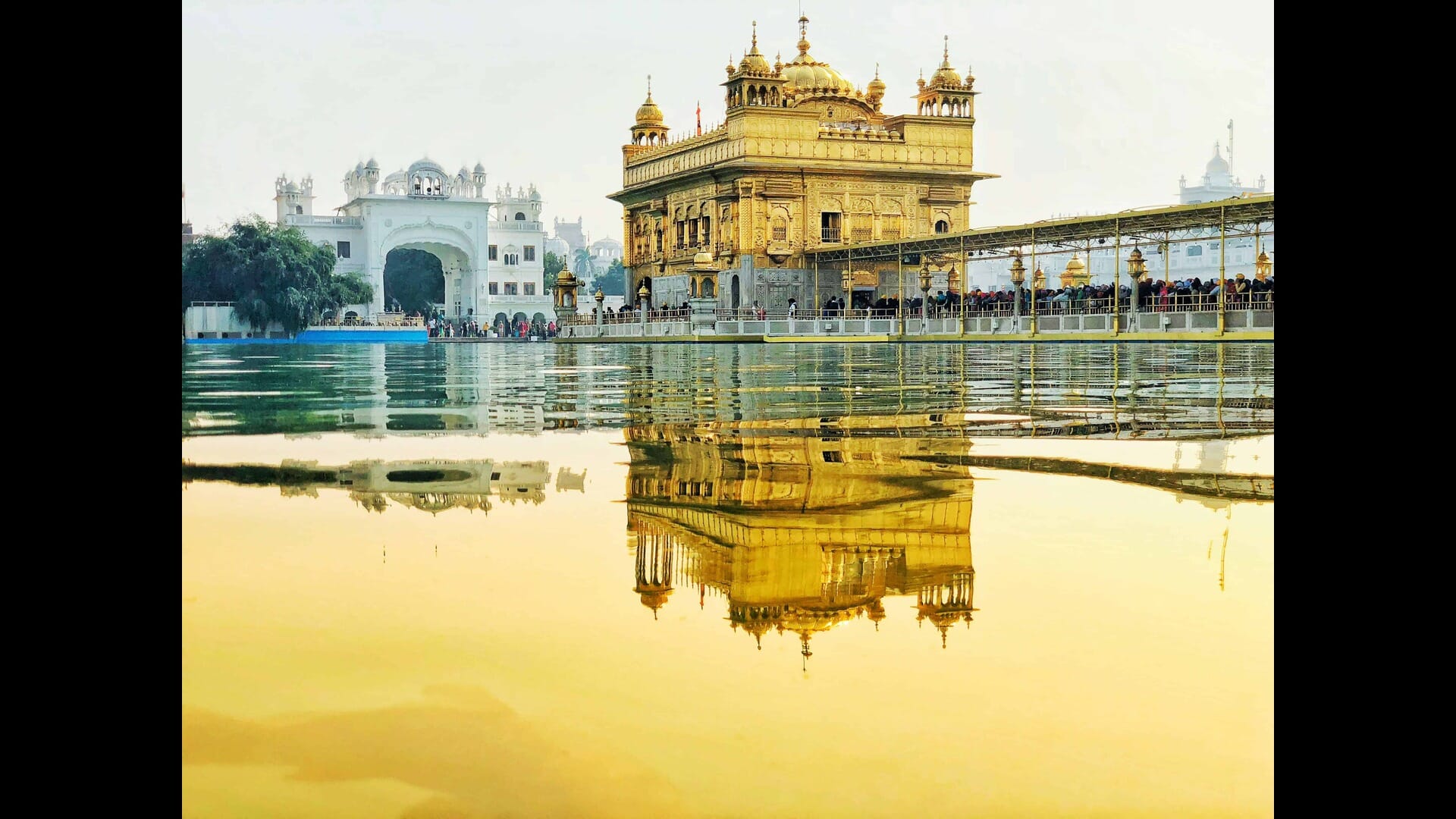
Discovering India’s Spiritual Practices: From Meditation to Rituals
Discovering India’s Spiritual Practices: From Meditation to Rituals
India, a land steeped in history and culture, is a treasure trove of spiritual practices that have evolved over thousands of years. From the serene banks of the Ganges to the bustling streets of Varanasi, the country offers a unique blend of meditation, rituals, and philosophies that have captivated seekers from around the globe.
In this comprehensive guide, we will embark on a journey through India’s spiritual landscape, exploring various practices that have shaped the spiritual lives of millions.
Understanding the Essence of Spirituality in India
Spirituality in India is not confined to a single religion or belief system; rather, it is an amalgamation of diverse traditions and philosophies. At its core, Indian spirituality emphasizes the pursuit of truth, self-realization, and the interconnectedness of all beings. This section delves into the foundational concepts that underpin India’s spiritual practices, including the significance of dharma (duty), karma (action), and moksha (liberation).
The Role of Meditation in Indian Spirituality
Meditation is a cornerstone of Indian spiritual practices, offering a pathway to inner peace and self-discovery. This section explores various meditation techniques that have originated in India, including:
1. Mindfulness Meditation
Mindfulness meditation, rooted in Buddhist traditions, encourages practitioners to focus on the present moment. This practice has gained immense popularity worldwide and is often used to reduce stress and enhance emotional well-being.
2. Transcendental Meditation
Transcendental Meditation (TM) is a simple and effective technique that involves the silent repetition of a mantra. Developed by Maharishi Mahesh Yogi, TM has attracted a global following and is known for its profound effects on mental clarity and emotional stability.
3. Vipassana Meditation
Vipassana, or insight meditation, is one of the oldest forms of meditation in India. It emphasizes self-observation and the cultivation of awareness, leading to a deeper understanding of the nature of reality.
4. Yoga Nidra
Yoga Nidra, or yogic sleep, is a state of conscious relaxation that promotes deep rest and rejuvenation. This practice is often used as a tool for healing and self-exploration.
Rituals: The Heartbeat of Indian Spirituality
Rituals play a vital role in the spiritual landscape of India, serving as a means to connect with the divine and express devotion. This section examines various rituals that are integral to Indian spirituality:
1. Puja: The Art of Worship
Puja is a ritualistic worship that involves offerings to deities, chanting of mantras, and the lighting of lamps. This practice varies widely across regions and communities, reflecting the rich tapestry of Indian spirituality.
2. Yajna: The Sacred Fire Ceremony
Yajna is a Vedic ritual that involves the offering of oblations into a sacred fire. This ancient practice is believed to purify the environment and invoke blessings from the divine.
3. Festivals: Celebrating Spirituality
India is known for its vibrant festivals, each steeped in spiritual significance. From Diwali to Holi, these celebrations bring communities together and foster a sense of belonging and gratitude.
The Influence of Yoga on Spiritual Practices
Yoga, a holistic practice that encompasses physical, mental, and spiritual dimensions, has its roots in ancient Indian philosophy. This section explores the various forms of yoga and their spiritual implications:
1. Hatha Yoga
Hatha Yoga focuses on physical postures (asanas) and breath control (pranayama) to prepare the body and mind for meditation. This practice promotes physical health and spiritual awareness.
2. Bhakti Yoga
Bhakti Yoga is the path of devotion, emphasizing love and surrender to the divine. This practice fosters a deep emotional connection with God and is often expressed through chanting and singing.
3. Karma Yoga
Karma Yoga, or the yoga of selfless action, teaches practitioners to perform their duties without attachment to the results. This practice cultivates a sense of purpose and fulfillment in everyday life.
Spiritual Retreats: Finding Solace in Nature
India is home to numerous spiritual retreats that offer seekers a chance to disconnect from the chaos of modern life and reconnect with their inner selves. This section highlights some of the most renowned spiritual retreats in India:
1. Auroville: The City of Dawn
Auroville, an experimental township in Tamil Nadu, embodies the spirit of unity and peace. This community welcomes individuals from all backgrounds to participate in workshops, meditation sessions, and sustainable living practices.
2. Rishikesh: The Yoga Capital of the World
Rishikesh, nestled in the foothills of the Himalayas, is a haven for yoga enthusiasts and spiritual seekers. The town offers numerous ashrams and retreats that focus on yoga, meditation, and holistic healing.
3. Dharamshala: The Home of Tibetan Buddhism
Dharamshala, the residence of the Dalai Lama, is a center for Tibetan Buddhism and offers a serene environment for meditation and spiritual growth. Visitors can participate in teachings, retreats, and cultural experiences.
Ayurveda: The Science of Life and Spirituality
Ayurveda, the ancient Indian system of medicine, is deeply intertwined with spirituality. This section explores how Ayurveda promotes holistic well-being and spiritual growth:
1. The Mind-Body Connection
Ayurveda emphasizes the balance of mind, body, and spirit, recognizing that physical health is essential for spiritual development. This holistic approach encourages individuals to cultivate self-awareness and mindfulness.
2. Ayurvedic Practices for Spiritual Growth
From herbal remedies to dietary practices, Ayurveda offers various tools for enhancing spiritual well-being. This section discusses how individuals can incorporate Ayurvedic principles into their spiritual journeys.
The Impact of Indian Spirituality on Global Practices
Indian spirituality has transcended borders, influencing spiritual practices worldwide. This section examines the global impact of Indian spiritual traditions:
1. The Rise of Yoga in the West
Yoga has become a global phenomenon, with millions of practitioners embracing its physical and spiritual benefits. This section explores how yoga has evolved in the West and its significance in contemporary spirituality.
2. Mindfulness and Meditation Trends
The mindfulness movement, rooted in Buddhist practices, has gained traction in the West, emphasizing the importance of present-moment awareness. This section discusses the integration of Indian meditation techniques into modern wellness practices.
Personal Stories: Transformative Spiritual Journeys in India
Personal narratives often illuminate the profound impact of spiritual practices on individuals’ lives. This section shares inspiring stories of seekers who have embarked on transformative journeys in India:
1. The Journey of a Western Yogi
A Western practitioner shares their experiences of immersing themselves in Indian spirituality, exploring the challenges and rewards of their journey.
2. A Pilgrimage to Varanasi
A spiritual seeker recounts their pilgrimage to Varanasi, the spiritual heart of India, and the transformative experiences they encountered along the way.
Conclusion: Embracing the Spiritual Path
As we conclude our exploration of India’s spiritual practices, it becomes evident that spirituality is a deeply personal journey. Whether through meditation, rituals, yoga, or the wisdom of Ayurveda, each individual can find their unique path to self-discovery and enlightenment. India’s rich spiritual heritage offers a guiding light for those seeking meaning and purpose in their lives.
In a world often filled with distractions and chaos, the timeless practices of Indian spirituality remind us of the importance of inner peace, connection, and the pursuit of truth. As you embark on your own spiritual journey, may you find inspiration in the teachings and traditions that have nourished the souls of countless seekers throughout history.