
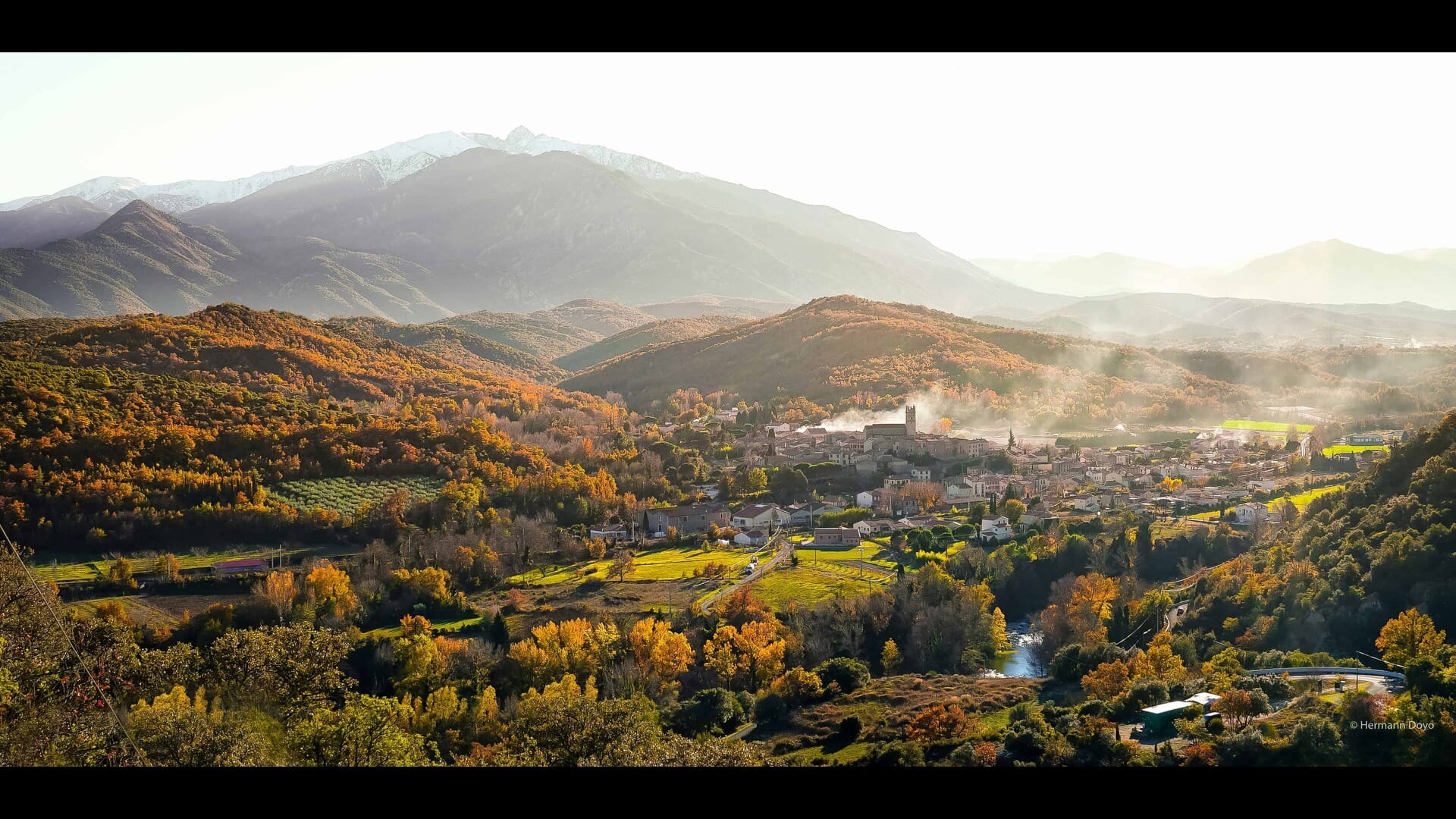
Discovering the Castles of the Dordogne Valley: A Journey Through Time
The Dordogne Valley, nestled in the heart of southwestern France, is a region steeped in history, culture, and breathtaking natural beauty. Known for its picturesque landscapes, charming villages, and, most notably, its stunning castles, the Dordogne Valley offers travelers a unique opportunity to step back in time and explore some of the most magnificent fortresses in France.
This article will take you on a comprehensive journey through the castles of the Dordogne Valley, highlighting their historical significance, architectural beauty, and the enchanting stories that surround them.
The Allure of the Dordogne Valley: An Overview
The Dordogne Valley stretches along the banks of the River Dordogne, weaving through lush green hills and valleys dotted with ancient stone villages. This region is not only famous for its castles but also for its prehistoric sites, gourmet cuisine, and vibrant culture. The valley is a treasure trove of historical landmarks, making it a perfect destination for history buffs, architecture enthusiasts, and nature lovers alike.
The Historical Significance of the Dordogne Valley
The Dordogne Valley has played a crucial role in French history, serving as a strategic location during various conflicts, including the Hundred Years' War. The castles that dot the landscape were built as fortifications to protect the region and its inhabitants from invaders. Many of these castles have been beautifully preserved, allowing visitors to glimpse the past and understand the rich tapestry of history that has shaped the area.
A Guide to the Most Iconic Castles in the Dordogne Valley
1. Château de Beynac: A Fortress Overlooking the River
Perched high on a cliff overlooking the River Dordogne, the Château de Beynac is one of the most iconic castles in the region. Dating back to the 12th century, this medieval fortress offers stunning views of the surrounding countryside and the quaint village of Beynac-et-Cazenac below. Visitors can explore its well-preserved ramparts, dungeons, and living quarters, all while learning about its fascinating history, including its role in the Hundred Years' War.
Exploring the Château de Beynac
As you wander through the castle, you’ll encounter numerous artifacts and exhibits that showcase the daily life of its former inhabitants. The castle’s chapel, adorned with beautiful stained glass windows, is a highlight, as is the panoramic view from the castle’s terrace, which provides a breathtaking backdrop for photographs.
2. Château de Castelnaud: A Medieval Masterpiece
Just a short distance from Beynac lies the Château de Castelnaud, a stunning example of medieval architecture. This castle, built in the 12th century, is renowned for its impressive collection of medieval weapons and armor. The castle’s strategic location on a hilltop allowed it to serve as a lookout point during battles, and today, it offers visitors a glimpse into the military history of the region.
The Exhibits at Château de Castelnaud
Inside the castle, you’ll find a fascinating museum dedicated to medieval warfare. The exhibits include life-sized replicas of knights in armor, various siege engines, and interactive displays that engage visitors of all ages. The castle’s gardens, filled with herbs and plants used in medieval cooking, provide a serene space to relax and enjoy the views.
3. Château de Montfort: A Hidden Gem
Tucked away in a secluded valley, the Château de Montfort is a lesser-known but equally enchanting castle. This 12th-century fortress is surrounded by lush greenery and offers a more intimate experience compared to its larger counterparts. The castle’s architecture is a blend of medieval and Renaissance styles, making it a unique site to explore.
Discovering the Secrets of Château de Montfort
Visitors can wander through the castle’s ruins, which include remnants of the original towers and walls. The castle’s location provides a peaceful atmosphere, perfect for those looking to escape the crowds. Guided tours are available, offering insights into the castle’s history and the families that once inhabited it.
4. Château de Fénelon: A Renaissance Delight
The Château de Fénelon is a stunning example of Renaissance architecture, with its elegant façade and beautifully landscaped gardens. Located near the village of Sainte-Mondane, this castle was built in the 17th century and has been meticulously restored to its former glory.
The Beauty of Château de Fénelon
Visitors can explore the castle’s opulent interiors, which are adorned with period furnishings and artwork. The gardens, designed in the classic French style, provide a picturesque setting for leisurely strolls. The castle also hosts various cultural events throughout the year, including concerts and art exhibitions, making it a vibrant part of the local community.
5. Château de Hautefort: A Fairytale Castle
With its striking turrets and manicured gardens, the Château de Hautefort resembles something straight out of a fairytale. This castle, which dates back to the 17th century, is perched on a hilltop and offers stunning views of the surrounding landscape. Its impressive architecture and beautiful grounds make it a must-visit destination in the Dordogne Valley.
Exploring the Grounds of Château de Hautefort
The castle’s interiors are just as enchanting as its exterior, featuring grand salons, a library, and a chapel. The gardens, designed in the French formal style, are meticulously maintained and provide a lovely backdrop for picnics and relaxation. Guided tours are available, offering insights into the castle’s history and the noble families that once called it home.
The Enchanting Villages Surrounding the Castles
6. Beynac-et-Cazenac: A Charming Village with a View
The village of Beynac-et-Cazenac is a picturesque destination that complements the nearby Château de Beynac. With its narrow cobblestone streets, medieval buildings, and stunning views of the river, this village is a perfect place to immerse yourself in the local culture.
What to Do in Beynac-et-Cazenac
Visitors can explore the village’s charming shops, cafes, and restaurants, where you can sample local delicacies such as duck confit and foie gras. Don’t miss the opportunity to take a leisurely stroll along the riverbank, where you can enjoy the serene beauty of the Dordogne Valley.
7. La Roque-Gageac: A Village Clinging to the Cliffs
La Roque-Gageac is another enchanting village located along the banks of the River Dordogne. This village is famous for its stunning cliffside location and beautifully preserved medieval architecture. The narrow streets are lined with charming houses, and the village is surrounded by lush gardens and vineyards.
Activities in La Roque-Gageac
Visitors can take a boat ride along the river to admire the village from the water, or explore the local market, which offers a variety of artisanal products and fresh produce. The village is also home to the exotic garden, which features a diverse collection of plants from around the world, providing a unique experience for nature lovers.
8. Domme: A Bastide with a View
The fortified village of Domme is perched on a cliff overlooking the Dordogne Valley, offering breathtaking panoramic views. This bastide town is known for its well-preserved medieval architecture and charming atmosphere.
Exploring Domme
Visitors can wander through the village’s narrow streets, visit the local shops, and enjoy a meal at one of the quaint cafes. The viewpoint at the edge of the cliff provides a stunning backdrop for photographs, especially at sunset when the valley is bathed in golden light.
Culinary Delights of the Dordogne Valley
9. Savoring the Flavors of the Region
The Dordogne Valley is not only known for its castles but also for its rich culinary heritage. The region is famous for its gourmet cuisine, featuring local ingredients such as truffles, walnuts, and duck. Visitors can indulge in traditional dishes at local restaurants and markets, experiencing the flavors that make this region a gastronomic delight.
Must-Try Dishes in the Dordogne Valley
- Foie Gras: A luxurious delicacy made from the liver of a duck or goose, often served as a pâté or terrine.
- Confit de Canard: Slow-cooked duck leg that is tender and flavorful, typically served with potatoes.
- Truffle Dishes: The region is known for its black truffles, which are used in various dishes, adding a unique earthy flavor.
- Walnut Cake: A delicious dessert made with local walnuts, often enjoyed with a cup of coffee or tea.
10. Wine Tasting in the Dordogne Valley
The Dordogne Valley is also home to several vineyards that produce exquisite wines. Wine enthusiasts can embark on a tasting tour, sampling local varieties and learning about the winemaking process.
Wine Regions to Explore
- Bergerac: Known for its rich red wines and sweet dessert wines, Bergerac is a must-visit for wine lovers.
- Monbazillac: Famous for its sweet white wines, this region offers picturesque vineyards and charming châteaux.
Planning Your Trip to the Dordogne Valley
Best Time to Visit the Dordogne Valley
The best time to visit the Dordogne Valley is during the spring (April to June) and fall (September to October) when the weather is mild, and the landscapes are at their most beautiful. During these seasons, you can enjoy outdoor activities, explore the castles, and savor the local cuisine without the summer crowds.
Getting to the Dordogne Valley
The Dordogne Valley is easily accessible by car, with major highways connecting it to cities like Bordeaux and Toulouse. The nearest airport is in Bergerac, which offers flights from various European destinations. Once in the region, renting a car is recommended to explore the castles and villages at your own pace.
Suggested Itinerary for Exploring the Castles of the Dordogne Valley
- Day 1: Arrive in the Dordogne Valley, visit Château de Beynac, and explore Beynac-et-Cazenac.
- Day 2: Discover Château de Castelnaud and enjoy a boat ride on the River Dordogne.
- Day 3: Visit Château de Montfort and explore the village of La Roque-Gageac.
- Day 4: Tour Château de Fénelon and enjoy wine tasting in Bergerac.
- Day 5: Explore Château de Hautefort and the village of Domme.
Conclusion: A Journey Worth Taking
The castles of the Dordogne Valley are not just architectural marvels; they are gateways to the past, offering a glimpse into the rich history and culture of France. From the majestic Château de Beynac to the charming village of Domme, each site tells a story that adds to the allure of this enchanting region. Whether you’re a history enthusiast, a foodie, or simply seeking breathtaking landscapes, the Dordogne Valley promises an unforgettable experience that will linger in your memory long after you leave.
So pack your bags, grab your camera, and embark on a journey to discover the castles of the Dordogne Valley—where history, beauty, and adventure await!