
Discovering the Art of Norwegian Knitting: Craft and Culture
Discovering the Art of Norwegian Knitting: Craft and Culture
Norwegian knitting is more than just a craft; it is a vibrant expression of culture, history, and community. This article takes you on a journey through the intricate world of Norwegian knitting, exploring its rich heritage, techniques, and the stories woven into every stitch.
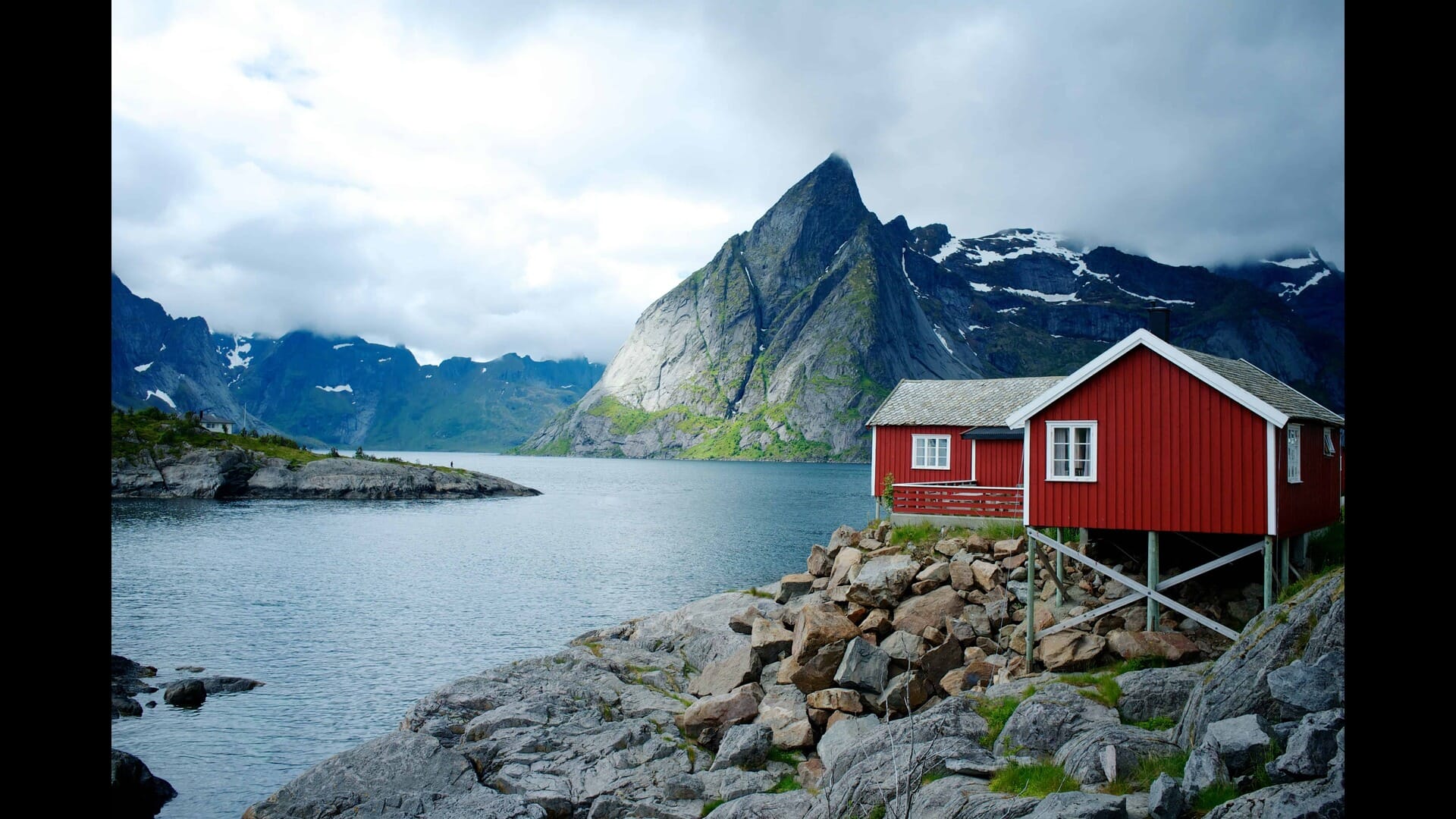
From the breathtaking landscapes of Norway to the cozy homes where knitting is cherished, we will uncover the art of Norwegian knitting in all its glory.
The Rich History of Norwegian Knitting
Understanding the Origins of Norwegian Knitting
Norwegian knitting has roots that stretch back centuries, deeply intertwined with the country's history and culture. The earliest evidence of knitting in Norway dates back to the 16th century, when wool was a primary material for clothing. As a practical necessity, knitting became a vital skill for both men and women, particularly in rural communities where self-sufficiency was essential.
The Evolution of Techniques and Patterns
Over the years, Norwegian knitting techniques evolved, influenced by various factors including geography, climate, and trade. The use of two-color knitting, known as strikking, became prominent, allowing knitters to create intricate patterns that reflected the natural beauty surrounding them. Traditional motifs often depict elements from nature, such as flowers, animals, and geometric shapes, showcasing the deep connection between the knitters and their environment.
The Cultural Significance of Knitting in Norway
Knitting as a Community Activity
In Norway, knitting is not just an individual pastime; it is a communal activity that fosters connections among people. Local knitting groups, often referred to as strikkeklubber, bring together enthusiasts of all ages to share techniques, patterns, and stories. These gatherings create a sense of belonging and preserve the art of knitting for future generations.
Celebrating Traditions Through Knitting
Norwegian knitting is often associated with various cultural celebrations and traditions. For instance, during the festive season, families come together to knit matching sweaters, known as genser, which are worn during holiday gatherings. These sweaters are not only functional but also serve as a symbol of unity and love among family members.
Traditional Norwegian Patterns and Their Meanings
The Iconic Selbu Star
One of the most recognizable patterns in Norwegian knitting is the Selbu star, originating from the Selbu region. This stunning motif features a star design, often knitted in black and white, and is commonly used in mittens and hats. The Selbu star is not just a beautiful pattern; it carries a rich history and is often associated with the Selbu knitting tradition.
The Importance of the Setesdal Pattern
Another significant pattern is the Setesdal pattern, characterized by its intricate geometric designs. This pattern is traditionally used in sweaters and is known for its warmth and durability. The Setesdal pattern reflects the cultural heritage of the Setesdal valley, where it originated, and is often passed down through generations.
Techniques and Materials Used in Norwegian Knitting
The Role of Norwegian Wool
Wool is the backbone of Norwegian knitting, prized for its warmth, durability, and moisture-wicking properties. Norwegian sheep, particularly the Spælsau breed, produce a unique wool that is perfect for knitting. The wool's natural oils provide water resistance, making it ideal for the country's cold and wet climate.
Mastering the Art of Two-Color Knitting
Two-color knitting is a hallmark of Norwegian knitting, allowing artisans to create stunning designs with contrasting colors. This technique involves holding two strands of yarn and alternating between them to form intricate patterns. While it may seem daunting at first, mastering this technique opens up a world of creative possibilities.
Exploring Modern Norwegian Knitting Trends
The Rise of Contemporary Designs
In recent years, there has been a resurgence of interest in traditional Norwegian knitting, leading to a fusion of classic techniques with modern designs. Contemporary knitters are experimenting with colors, patterns, and styles, breathing new life into this age-old craft. This evolution not only keeps the tradition alive but also attracts a new generation of knitters eager to explore their creativity.
Sustainable Knitting Practices
As the world becomes more conscious of sustainability, many Norwegian knitters are embracing eco-friendly practices. From using locally sourced wool to adopting zero-waste techniques, the knitting community is committed to preserving the environment while honoring their heritage. This shift towards sustainability reflects a broader trend in the crafting world, where artisans are increasingly mindful of their impact on the planet.
Norwegian Knitting Festivals and Events
Celebrating Knitting at the Norwegian Knitting Festival
Every year, Norway hosts various knitting festivals that celebrate the art of knitting and bring together enthusiasts from around the world. The Norwegian Knitting Festival, held in the picturesque town of Selbu, is one of the most anticipated events. Attendees can participate in workshops, attend lectures, and shop for unique yarns and patterns, all while immersing themselves in the vibrant knitting community.
Local Craft Fairs and Markets
In addition to large festivals, local craft fairs and markets across Norway showcase the talents of local knitters. These events provide a platform for artisans to sell their handmade goods, share their stories, and connect with fellow crafters. Visiting these markets is a fantastic way to experience the warmth and creativity of the Norwegian knitting community firsthand.
How to Get Started with Norwegian Knitting
Essential Tools and Materials for Beginners
If you're eager to dive into the world of Norwegian knitting, you'll need a few essential tools and materials. A good quality pair of knitting needles, preferably circular needles for two-color knitting, and a selection of Norwegian wool yarn are a must. Additionally, having a pattern book featuring traditional Norwegian designs can provide inspiration and guidance.
Learning the Basics of Norwegian Knitting Techniques
Starting with simple projects, such as mittens or hats, can help you familiarize yourself with the techniques used in Norwegian knitting. Online tutorials, local workshops, and knitting groups can provide valuable support as you embark on your knitting journey. Remember, practice makes perfect, and each stitch brings you closer to mastering this beautiful craft.
The Future of Norwegian Knitting
Preserving Tradition in a Modern World
As we look to the future, the challenge lies in preserving the rich traditions of Norwegian knitting while embracing modern influences. The knitting community is actively working to ensure that the skills and stories of past generations are not lost. By passing down knowledge and fostering a love for knitting among younger generations, the art of Norwegian knitting will continue to thrive.
The Global Impact of Norwegian Knitting
Norwegian knitting has transcended borders, inspiring knitters around the world. The unique patterns and techniques have found their way into global knitting culture, with enthusiasts incorporating Norwegian elements into their own projects. This cross-cultural exchange enriches the craft and highlights the universal appeal of knitting as a form of artistic expression.
Conclusion: Embracing the Art of Norwegian Knitting
In conclusion, discovering the art of Norwegian knitting is a journey filled with creativity, culture, and connection. Whether you are an experienced knitter or a curious beginner, exploring this beautiful craft opens up a world of possibilities. From the rich history and cultural significance to the modern trends and sustainable practices, Norwegian knitting invites us to celebrate the artistry of our hands and the stories they tell. So grab your needles, choose your yarn, and embark on your own knitting adventure, weaving together the threads of tradition and innovation in every stitch.