
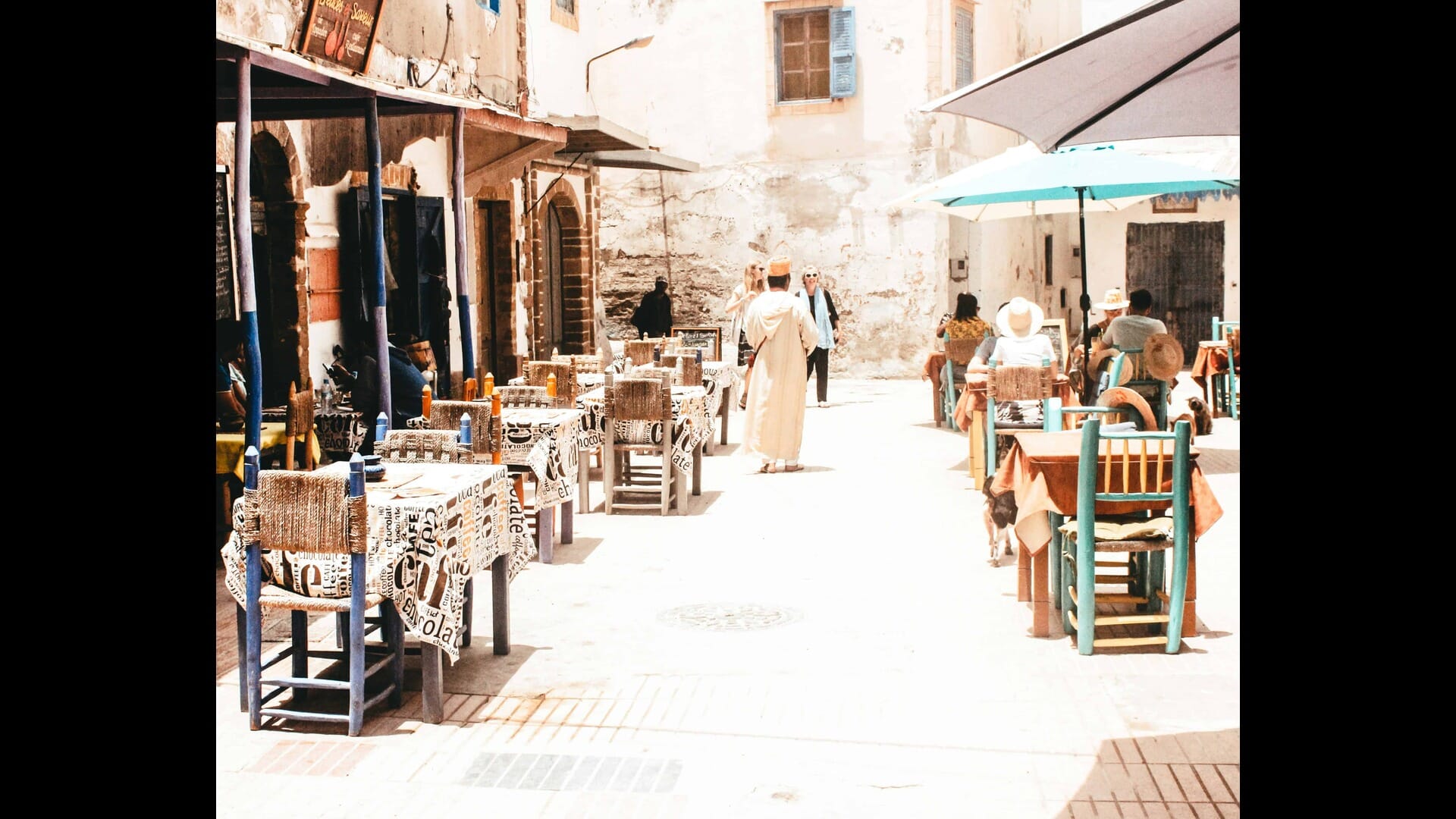
A Cultural Tour of Morocco: Traditions and Festivals
A Cultural Tour of Morocco: Traditions and Festivals
Morocco, a land where the sands of the Sahara meet the vibrant colors of the Mediterranean, is a country rich in history and culture. From bustling souks to serene desert landscapes, Morocco offers a unique blend of traditions and festivals that reflect its diverse heritage.
This cultural tour will take you on an unforgettable journey through the heart of Morocco, exploring its age-old customs, lively celebrations, and the warm hospitality of its people.
The Rich Tapestry of Moroccan Culture
Morocco’s culture is a mosaic of Berber, Arab, and French influences, creating a unique identity that is both ancient and modern. The country is known for its intricate handicrafts, delicious cuisine, and vibrant music and dance traditions. Each region boasts its own customs, dialects, and festivals, making Morocco a treasure trove for cultural enthusiasts.
The Berber Influence in Moroccan Traditions
The Berbers, the indigenous people of North Africa, have greatly influenced Moroccan culture. Their traditions are deeply rooted in the country’s history, and you can see their impact in various aspects of Moroccan life. From the colorful carpets woven by Berber women to the traditional music played at celebrations, the Berber heritage is a vital part of Morocco’s cultural landscape.
The Arab Heritage and Its Impact on Moroccan Culture
The Arab influence in Morocco began in the 7th century with the arrival of Islam. This led to the establishment of Arabic as the dominant language and the introduction of Islamic traditions. The architecture, literature, and art of Morocco reflect this rich Arab heritage, with stunning mosques and palaces showcasing intricate tile work and calligraphy.
French Colonial Legacy in Morocco
The French protectorate from 1912 to 1956 left a lasting impact on Moroccan culture. French influence can be seen in the country’s cuisine, fashion, and even in the language spoken by many Moroccans today. This blend of cultures creates a unique atmosphere that is both exotic and familiar.
Major Festivals Celebrating Moroccan Culture
Morocco is home to a plethora of festivals that celebrate its rich cultural heritage. These events are not only a feast for the senses but also an opportunity to experience the warmth and hospitality of the Moroccan people. Here are some of the most significant festivals you should consider including in your cultural tour.
1. The Marrakech Popular Arts Festival
Held annually in July, the Marrakech Popular Arts Festival is a vibrant celebration of Moroccan music, dance, and theater. The festival transforms the city into a lively stage, with performances taking place in the historic Djemaa el-Fna square. Artists from all over Morocco come to showcase their talents, from traditional musicians to contemporary performers. Visitors can enjoy a variety of performances, including folk dances, storytelling, and acrobatics, all while savoring delicious street food.
2. The Fes Festival of World Sacred Music
The Fes Festival of World Sacred Music, held every June in the ancient city of Fes, is a celebration of spirituality and cultural diversity. This festival brings together musicians, poets, and artists from around the globe to share their sacred traditions. The event features performances in stunning historical venues, including the Bou Inania Madrasa and the Fes El Bali medina. Attendees can experience a range of musical styles, from Sufi chants to gospel music, creating a truly transcendent atmosphere.
3. The Essaouira Gnaoua and World Music Festival
The Essaouira Gnaoua and World Music Festival, held in June, is a unique celebration of Gnaoua music, a traditional genre that blends African, Berber, and Arab influences. The festival attracts musicians from around the world, creating a fusion of sounds that captivates audiences. Essaouira’s picturesque coastal setting adds to the charm of the event, with concerts taking place against the backdrop of the Atlantic Ocean. Visitors can also explore the city’s vibrant art scene and sample delicious seafood during the festival.
4. The Almond Blossom Festival in Tafraoute
Every February, the small town of Tafraoute in the Anti-Atlas Mountains hosts the Almond Blossom Festival, a celebration of nature and local culture. As the almond trees bloom, the town comes alive with music, dance, and traditional crafts. Visitors can participate in workshops, taste local delicacies, and enjoy performances by local musicians. The festival is a wonderful opportunity to experience the beauty of the Moroccan countryside and the warmth of its people.
5. The Imilchil Marriage Festival
The Imilchil Marriage Festival, held in September, is a unique event that celebrates love and tradition. This festival is rooted in a local legend about two star-crossed lovers, and it attracts young men and women from surrounding Berber villages seeking a spouse. The festival features traditional music, dance, and a vibrant market where artisans sell their crafts. Visitors can witness the colorful celebrations and immerse themselves in the local culture.
Traditional Moroccan Customs and Practices
In addition to its lively festivals, Morocco is home to a wealth of traditional customs and practices that reflect the country’s rich cultural heritage. Understanding these customs can enhance your cultural tour experience and provide deeper insights into Moroccan life.
The Art of Moroccan Hospitality
Moroccan hospitality is legendary, and it is an integral part of the culture. When visiting a Moroccan home, it is customary to be greeted with mint tea, a symbol of welcome and friendship. The preparation and serving of tea is a ritual in itself, often accompanied by delicious pastries. Visitors are encouraged to engage in conversation and share stories, creating a warm and inviting atmosphere.
Traditional Moroccan Cuisine and Its Cultural Significance
Moroccan cuisine is a reflection of the country’s diverse cultural influences. Dishes such as tagine, couscous, and pastilla are staples of Moroccan dining. Meals are often communal, with family and friends gathering around a shared platter. The use of spices, such as saffron, cumin, and cinnamon, adds depth and flavor to the dishes, making Moroccan cuisine a true culinary adventure.
The Role of Music and Dance in Moroccan Culture
Music and dance are vital components of Moroccan culture, with each region boasting its own unique styles. Traditional instruments, such as the oud and guembri, are often used in performances. The rhythmic beats of the drums and the melodic sounds of the instruments create an infectious energy that invites everyone to join in the celebration. Dance forms, such as the chaabi and the ahidous, are often performed at weddings and festivals, showcasing the joy and vibrancy of Moroccan life.
Exploring Moroccan Arts and Crafts
Morocco is renowned for its exquisite arts and crafts, which reflect the country’s rich cultural heritage. From intricate tile work to beautifully woven textiles, Moroccan artisans create stunning pieces that tell the story of their traditions.
The Beauty of Moroccan Pottery
Moroccan pottery is characterized by its vibrant colors and intricate designs. Each region has its own unique style, with Fez pottery known for its blue and white patterns, while Safi pottery features bold colors and geometric shapes. Visitors can explore local workshops and markets to witness artisans at work and purchase one-of-a-kind pieces to take home.
The Art of Moroccan Carpets
Moroccan carpets, particularly those woven by Berber women, are highly sought after for their quality and craftsmanship. Each carpet tells a story, with patterns and colors representing the weaver’s tribe and experiences. The most famous carpets come from the Atlas Mountains, where traditional techniques have been passed down through generations. Visitors can learn about the weaving process and even try their hand at creating their own designs.
Intricate Moroccan Metalwork
Moroccan metalwork is another fascinating aspect of the country’s artistic heritage. Artisans create stunning pieces from brass, copper, and silver, including lanterns, trays, and jewelry. The intricate designs often feature geometric patterns and calligraphy, showcasing the skill and creativity of the craftsmen. Visitors can explore workshops in cities like Marrakech and Fes to see the metalworking process firsthand.
The Spiritual Side of Moroccan Culture
Morocco is a country steeped in spirituality, with Islam playing a central role in the lives of its people. The country is home to numerous mosques, shrines, and spiritual sites that reflect its rich religious heritage.
The Significance of the Mosque in Moroccan Life
Mosques are not only places of worship but also community centers where people gather for prayer, education, and social events. The architecture of Moroccan mosques is often breathtaking, with intricate tile work, soaring minarets, and serene courtyards. The Koutoubia Mosque in Marrakech and the Hassan II Mosque in Casablanca are two of the most iconic examples of Moroccan mosque architecture.
The Role of Sufism in Moroccan Spirituality
Sufism, a mystical branch of Islam, has a significant presence in Morocco. Sufi brotherhoods, known as tariqas, practice rituals that emphasize love, devotion, and the pursuit of spiritual enlightenment. The annual Moussem of Moulay Idriss, held in the town of Moulay Idriss Zerhoun, is a major pilgrimage that attracts thousands of devotees seeking blessings and spiritual connection.
Celebrating Islamic Holidays in Morocco
Islamic holidays, such as Eid al-Fitr and Eid al-Adha, are celebrated with great enthusiasm in Morocco. These occasions bring families together for feasting, prayer, and communal celebrations. Visitors to Morocco during these holidays can witness the vibrant festivities, including traditional music, dance, and the sharing of delicious meals.
Conclusion: Embrace the Cultural Richness of Morocco
A cultural tour of Morocco is an enriching experience that allows you to explore the country’s diverse traditions and vibrant festivals. From the bustling streets of Marrakech to the serene landscapes of the Atlas Mountains, Morocco offers a unique blend of history, art, and spirituality. Whether you are savoring traditional cuisine, participating in lively celebrations, or engaging with local artisans, you will find that the warmth and hospitality of the Moroccan people make every moment unforgettable.
As you embark on your journey through this enchanting country, take the time to immerse yourself in its rich cultural heritage. Each festival, tradition, and craft tells a story that connects you to the heart of Morocco, leaving you with memories that will last a lifetime.