
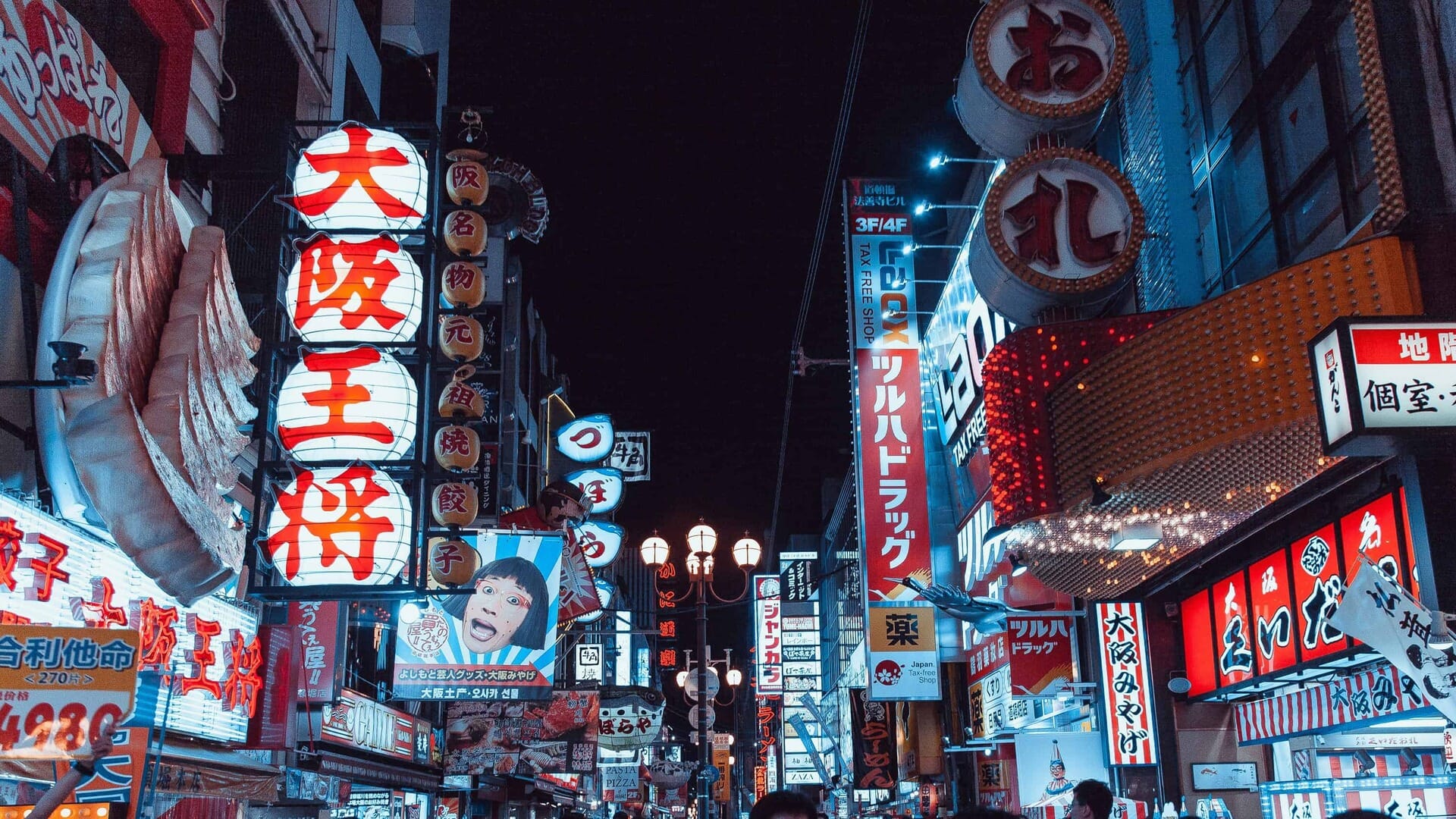
Exploring the Cultural Significance of the Shinto Shrines
Exploring the Cultural Significance of the Shinto Shrines
Japan is a land steeped in tradition, where ancient beliefs intertwine with modern life, creating a unique cultural tapestry. At the heart of this tapestry lies the Shinto religion, a belief system that has shaped the spiritual landscape of Japan for centuries.
Shinto shrines, or jinja, serve as the physical manifestations of this faith, embodying its values, rituals, and connections to nature. In this article, we will explore the cultural significance of Shinto shrines, delving into their history, architecture, rituals, and their enduring role in Japanese society.
The Origins of Shinto: A Brief Historical Overview
Shinto, which translates to 'the way of the gods,' is an indigenous religion of Japan that predates written history. Its origins can be traced back to ancient animistic beliefs, where natural elements such as mountains, rivers, and trees were revered as sacred. Over time, these beliefs evolved into a more organized system, incorporating various deities known as kami.
The first recorded mention of Shinto dates back to the 8th century, during the Nara period, when the Nihon Shoki (Chronicles of Japan) was compiled. This text documented the myths and legends surrounding the kami and established the framework for Shinto practices. As Japan transitioned through various historical periods, including the Heian, Kamakura, and Edo periods, Shinto continued to evolve, integrating elements from Buddhism and Confucianism while maintaining its core beliefs.
Understanding the Architecture of Shinto Shrines
The Distinctive Features of Shinto Shrine Architecture
One of the most striking aspects of Shinto shrines is their architecture, which reflects the harmony between human-made structures and the natural environment. Shinto shrine architecture is characterized by several distinctive features:
- Torii Gates: These iconic gates mark the entrance to a shrine and symbolize the transition from the mundane to the sacred. Typically made of wood or stone, torii gates are often painted in vibrant vermilion, which is believed to ward off evil spirits.
- Honden (Main Hall): The honden is the most sacred part of the shrine, where the kami is enshrined. It is usually elevated on stilts and constructed with natural materials, emphasizing the connection to nature.
- Purification Troughs: Before entering a shrine, visitors often cleanse themselves at a purification trough, known as temizuya, where they wash their hands and mouth to purify their spirit.
- Shimenawa: This sacred rope made of rice straw is often found at shrines, marking the boundary of sacred space and warding off evil spirits.
Regional Variations in Shrine Architecture
While the fundamental elements of Shinto shrine architecture remain consistent, regional variations can be observed across Japan. For instance, the shrines in the mountainous regions of Japan often incorporate local materials and designs that reflect the surrounding landscape. In contrast, coastal shrines may feature elements that pay homage to the sea and its deities. This diversity in architecture not only showcases the creativity of local artisans but also highlights the deep-rooted connection between the shrines and their geographical context.
The Role of Shinto Shrines in Japanese Society
Spiritual and Community Centers
Shinto shrines serve as spiritual hubs for local communities, providing a space for worship, celebration, and reflection. They are often the focal point of community life, hosting various events throughout the year, including festivals, weddings, and seasonal celebrations. These gatherings foster a sense of belonging and reinforce the cultural identity of the community.
Festivals and Rituals at Shinto Shrines
Shinto festivals, known as matsuri, are vibrant celebrations that honor the kami and express gratitude for blessings received. Each shrine has its unique set of festivals, often tied to the agricultural calendar or historical events. Some notable festivals include:
- Gion Matsuri: Held in Kyoto, this month-long festival features elaborate floats and processions, celebrating the kami of Yasaka Shrine.
- Kanda Matsuri: Taking place in Tokyo, this festival is dedicated to the Kanda Myojin Shrine and includes parades, traditional music, and dance performances.
- Aoi Matsuri: Celebrated in Kyoto, this ancient festival involves a grand procession to the Kamo Shrines, showcasing traditional Heian-period attire.
These festivals not only serve religious purposes but also promote cultural heritage and community spirit.
The Spiritual Practices Associated with Shinto Shrines
Ritual Offerings and Prayers
Visitors to Shinto shrines often engage in rituals that express their reverence for the kami. Common practices include:
- Ema: Wooden plaques on which visitors write their wishes or prayers. These are hung at the shrine, where they are believed to be conveyed to the kami.
- Omikuji: Fortunes written on strips of paper, which visitors can draw to gain insight into their future. If the fortune is unfavorable, it is customary to tie it to a tree or a designated area at the shrine.
- Sake Offerings: It is common to offer sake to the kami during rituals, symbolizing hospitality and gratitude.
The Significance of Purification Rituals
Purification is a fundamental aspect of Shinto practice, emphasizing the importance of cleanliness in both physical and spiritual realms. The act of washing hands and mouth at the temizuya serves as a reminder to approach the sacred with a pure heart and mind. Additionally, purification rituals are often performed during festivals and ceremonies, reinforcing the connection between the community and the kami.
The Influence of Shinto on Japanese Culture and Arts
Shintoism in Japanese Literature and Folklore
Shinto beliefs and practices have profoundly influenced Japanese literature and folklore. Many traditional stories, known as kami-shibai, recount the adventures of deities and their interactions with humans. These tales often convey moral lessons and reflect the values of Shinto, such as harmony with nature, respect for ancestors, and the importance of community.
The Impact of Shinto on Japanese Aesthetics
The principles of Shinto have also shaped Japanese aesthetics, particularly in art, architecture, and garden design. The concept of wabi-sabi, which embraces imperfection and transience, aligns closely with Shinto beliefs. This aesthetic can be observed in traditional Japanese gardens, where natural elements are carefully arranged to create a sense of tranquility and harmony.
Visiting Shinto Shrines: A Guide for Travelers
Tips for Respectful Visits to Shinto Shrines
When visiting Shinto shrines, it is essential to approach with respect and understanding. Here are some tips for a meaningful experience:
- Observe Shrine Etiquette: Follow the customs and rituals observed at the shrine, such as bowing before entering and participating in purification rituals.
- Dress Appropriately: While there are no strict dress codes, wearing modest clothing is recommended to show respect for the sacred space.
- Photography Considerations: Always check for signs indicating whether photography is allowed, especially in areas where rituals are taking place.
Must-Visit Shinto Shrines Across Japan
Japan is home to thousands of Shinto shrines, each with its unique charm and significance. Here are some must-visit shrines:
- Ise Jingu: Located in Mie Prefecture, this is the most sacred shrine in Shinto, dedicated to the sun goddess Amaterasu. The shrine complex is surrounded by lush forests, creating a serene atmosphere.
- Fushimi Inari Taisha: Famous for its thousands of vermilion torii gates, this shrine in Kyoto is dedicated to Inari, the kami of rice and agriculture. The trails leading up the mountain offer breathtaking views and a spiritual journey.
- Meiji Jingu: Nestled in a forested area in Tokyo, this shrine honors Emperor Meiji and Empress Shoken. The peaceful surroundings provide a tranquil escape from the bustling city.
The Future of Shinto Shrines in Modern Japan
Challenges Facing Shinto Shrines Today
As Japan continues to modernize, Shinto shrines face various challenges, including declining visitor numbers and the impact of urbanization. Many shrines are working to adapt to contemporary society by incorporating technology and promoting cultural events to attract younger generations.
The Resilience of Shinto Traditions
Despite these challenges, the resilience of Shinto traditions remains strong. Many shrines are actively engaging with their communities, offering educational programs and workshops to foster a deeper understanding of Shinto beliefs and practices. Additionally, the growing interest in spirituality and mindfulness has led to a renewed appreciation for the serene and contemplative spaces that Shinto shrines provide.
Conclusion: The Enduring Legacy of Shinto Shrines
Shinto shrines are more than just places of worship; they are cultural treasures that embody the spirit of Japan. Through their architecture, rituals, and community significance, they offer a glimpse into the heart of Japanese spirituality. As we explore these sacred spaces, we are reminded of the importance of nature, community, and the divine in our lives. Whether you are a traveler seeking to understand Japan's rich cultural heritage or a local resident looking to reconnect with your roots, the Shinto shrines invite you to embark on a journey of discovery and reflection.
In a world that often feels chaotic and disconnected, the tranquility and beauty of Shinto shrines serve as a reminder of the enduring power of faith, tradition, and the natural world. As we continue to explore the cultural significance of these sacred spaces, we find ourselves not only learning about the past but also connecting with the present and shaping the future of our shared human experience.