
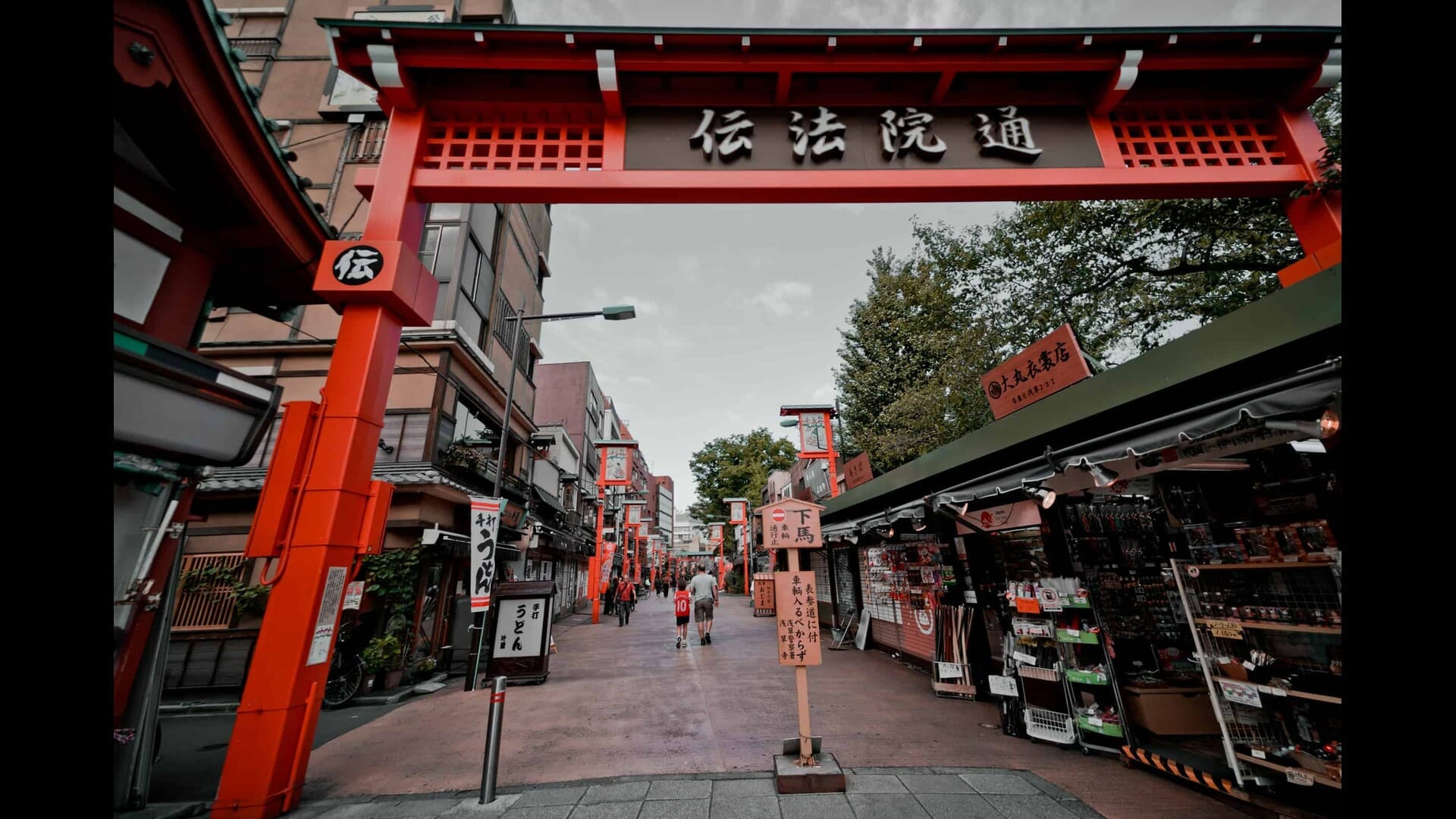
A Culinary Adventure: Tasting the Best Sake in Japan
A Culinary Adventure: Tasting the Best Sake in Japan
Japan, a land steeped in rich traditions and vibrant culture, is home to an exquisite beverage that has captured the hearts of many: sake. This fermented rice drink, often referred to as “nihonshu” in Japan, is more than just a drink; it is a cultural experience that embodies the spirit of the nation.
In this article, we will embark on a culinary adventure, exploring the best sake in Japan, uncovering the secrets of its brewing process, and discovering the perfect food pairings that elevate this beloved beverage.
Understanding Sake: What Makes It Special?
Sake is often misunderstood as a rice wine, but it is actually brewed more like beer. The process of fermentation transforms the starches in rice into sugars, which are then converted into alcohol. This intricate process, combined with the quality of ingredients and the expertise of the brewers, results in a diverse range of sake flavors and aromas.
The Ingredients of Sake
The primary ingredients of sake are rice, water, yeast, and koji mold. Each component plays a crucial role in determining the final product:
- Rice: The type of rice used can significantly affect the flavor profile. Premium sake is made from specially cultivated sake rice, which has a higher starch content and is milled to remove the outer layers.
- Water: Japan is blessed with soft water, which is ideal for sake brewing. The mineral content of the water can influence the taste, with different regions producing distinct flavor profiles.
- Yeast: Different strains of yeast contribute to the aroma and taste of sake. Some yeasts produce fruity notes, while others may yield a more earthy flavor.
- Koji Mold: This mold is essential for converting the starches in rice into sugars, making it a vital component in the brewing process.
The Sake Brewing Process
The brewing process of sake is a meticulous art that requires precision and skill. Here’s a brief overview of the steps involved:
- Rice Polishing: The outer layers of the rice grains are polished away to expose the starchy core. The degree of polishing affects the quality of the sake.
- Washing and Soaking: The polished rice is washed and soaked to achieve the desired moisture content before steaming.
- Steaming: The rice is steamed to prepare it for fermentation.
- Koji Cultivation: Steamed rice is inoculated with koji mold and allowed to ferment, creating koji rice.
- Fermentation: The koji rice is mixed with steamed rice, water, and yeast in a fermentation tank, where the magic of fermentation occurs.
- Pressing: After fermentation, the mixture is pressed to separate the liquid sake from the solid rice residue.
- Filtration and Pasteurization: The sake is filtered to remove impurities and often pasteurized to stabilize the flavor.
- Aging: Sake is aged to develop its flavors before bottling.
Exploring the Best Sake Regions in Japan
Japan boasts several sake-producing regions, each with its unique characteristics and flavors. Let’s explore some of the best sake regions that every sake enthusiast should visit.
Niigata: The Land of Snow and Sake
Niigata Prefecture is renowned for its high-quality sake, thanks to its pristine water sources and ideal climate for rice cultivation. The region is famous for its “tanrei” style of sake, which is light, crisp, and refreshing.
- Must-Visit Breweries:
- Koshino Kanbai: Known for its elegant and refined sake, Koshino Kanbai offers tasting experiences that highlight the delicate flavors of their brews.
- Hakkaisan: This brewery is famous for its smooth and well-balanced sake, often enjoyed with sushi and sashimi.
Hyogo: The Birthplace of Junmai
Hyogo Prefecture is home to the famous sake town of Nada, known for producing junmai sake, which is made without added alcohol. The region’s unique climate and high-quality rice make it a haven for sake lovers.
- Must-Visit Breweries:
- Hakutsuru: One of the largest sake producers in Japan, Hakutsuru offers guided tours and tastings that showcase their rich history and craftsmanship.
- Kiku-Masamune: This brewery is known for its traditional brewing methods and offers a variety of sake styles to sample.
Akita: A Hidden Gem for Sake Lovers
Akita Prefecture is often overlooked but is home to some of the finest sake in Japan. The region’s cold climate and pure water contribute to the production of rich and complex sake.
- Must-Visit Breweries:
- Shinriki: Known for its full-bodied sake, Shinriki offers tastings that highlight the unique flavors of Akita rice.
- Yuki no Bosha: This brewery produces sake with a distinct umami flavor, perfect for pairing with hearty dishes.
Hiroshima: The Home of Ginjo Sake
Hiroshima Prefecture is famous for its ginjo sake, which is known for its fruity and floral aromas. The region’s soft water and high-quality rice create a perfect environment for brewing.
- Must-Visit Breweries:
- Kamotsuru: This brewery offers a wide range of sake styles, including their award-winning ginjo, which is a must-try for any sake enthusiast.
- Kamoizumi: Known for its innovative brewing techniques, Kamoizumi offers tastings that showcase the unique flavors of their sake.
Sake Tasting Experiences: What to Expect
When embarking on a sake tasting adventure in Japan, you can expect a variety of experiences that cater to both novices and connoisseurs. Here’s what you can look forward to:
Guided Sake Tours
Many sake breweries offer guided tours that take you through the brewing process, allowing you to learn about the history and craftsmanship behind each bottle. These tours often conclude with a tasting session, where you can sample different sake varieties.
Sake Pairing Dinners
Some restaurants in Japan offer sake pairing dinners, where each course is expertly paired with a specific sake. This experience allows you to explore the harmonious relationship between food and sake, enhancing the flavors of both.
Sake Festivals
Throughout the year, various sake festivals are held across Japan, celebrating the country’s beloved beverage. These festivals often feature tastings from multiple breweries, allowing you to sample a wide range of sake in one location.
How to Taste Sake Like a Pro
Tasting sake is an art form that requires attention to detail and an appreciation for its nuances. Here’s a step-by-step guide on how to taste sake like a pro:
Step 1: Observe the Appearance
Pour the sake into a small glass and take a moment to observe its color and clarity. Premium sake is typically clear, while aged sake may have a slight amber hue.
Step 2: Swirl and Sniff
Gently swirl the glass to release the aromas, then take a deep sniff. Pay attention to the different scents, which can range from fruity and floral to earthy and nutty.
Step 3: Take a Sip
Take a small sip and let the sake coat your palate. Notice the flavors and textures, and consider how they evolve as you swallow.
Step 4: Pair with Food
Experiment with different food pairings to discover how the flavors of sake complement various dishes. Sake can enhance the taste of sushi, grilled meats, and even desserts.
The Perfect Food Pairings for Sake
Sake is incredibly versatile and can be paired with a wide range of dishes. Here are some classic food pairings that elevate the sake tasting experience:
Sushi and Sashimi
The delicate flavors of sushi and sashimi are perfectly complemented by the crispness of sake. Light and fruity sake varieties, such as ginjo, work exceptionally well with raw fish.
Grilled Meats
Rich and savory grilled meats pair beautifully with full-bodied sake. Junmai and honjozo sake varieties enhance the umami flavors of grilled dishes.
Cheese
Surprisingly, sake can also be paired with cheese. Creamy cheeses, such as brie or camembert, complement the smoothness of sake, while aged cheeses can enhance its complexity.
Desserts
Sake can even be enjoyed with desserts. Sweet sake varieties, such as nigori, pair well with fruit-based desserts and pastries.
Sake Culture in Japan: A Deep Dive
Sake is deeply ingrained in Japanese culture and traditions. From ceremonial uses to everyday enjoyment, sake plays a significant role in various aspects of life in Japan.
Sake in Ceremonies and Festivals
Sake is often used in traditional ceremonies, such as weddings and Shinto rituals. The act of sharing sake symbolizes good fortune and unity.
Sake and Hospitality
In Japan, serving sake is an important aspect of hospitality. It is customary to pour sake for others rather than oneself, reflecting the values of respect and consideration.
Sake in Popular Culture
Sake has also made its mark in popular culture, appearing in films, literature, and art. Its representation often highlights the beauty and complexity of Japanese traditions.
Conclusion: Your Sake Adventure Awaits
Embarking on a culinary adventure to taste the best sake in Japan is an experience like no other. From the rich history of sake brewing to the diverse flavors and aromas, every sip tells a story of craftsmanship and tradition. Whether you’re exploring the sake regions of Niigata, Hyogo, Akita, or Hiroshima, or indulging in a sake pairing dinner, the journey promises to be unforgettable.
As you plan your sake adventure, remember to embrace the culture, savor the flavors, and enjoy the camaraderie that comes with sharing this beloved beverage. Cheers to your culinary adventure in Japan, where the best sake awaits!