
A Culinary Adventure: Traditional Egyptian Breakfast Dishes
A Culinary Adventure: Traditional Egyptian Breakfast Dishes
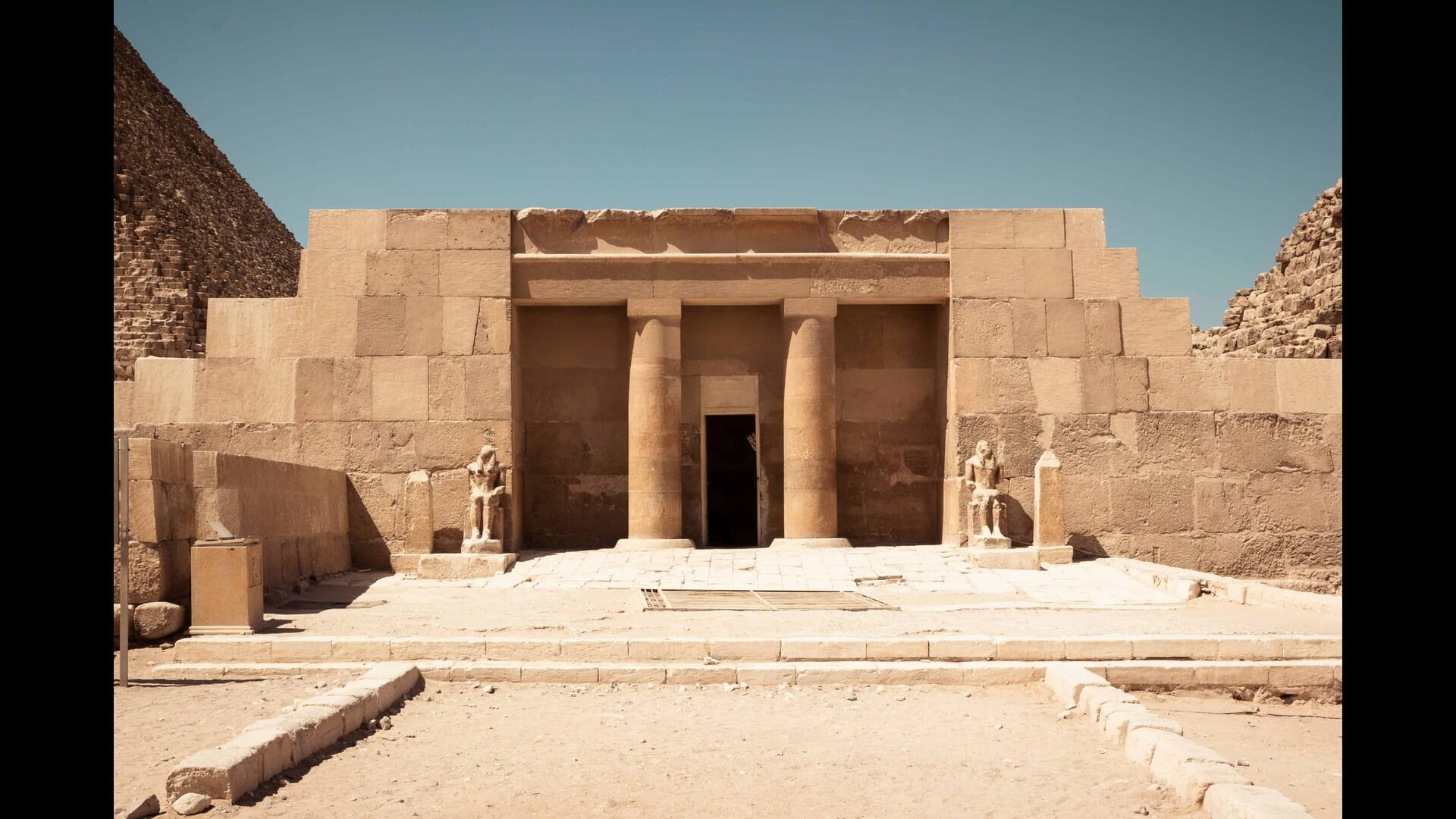
Egypt, a land steeped in history and culture, offers a culinary landscape that is as rich and diverse as its ancient heritage. Among the many meals that define Egyptian cuisine, breakfast holds a special place, serving as a hearty start to the day that reflects the country's agricultural bounty and culinary traditions.
In this article, we will embark on a culinary adventure exploring traditional Egyptian breakfast dishes, their ingredients, preparation methods, and the cultural significance behind each dish. Prepare your taste buds for a journey through flavors, textures, and aromas that are quintessentially Egyptian.
Understanding the Importance of Breakfast in Egyptian Culture
Breakfast in Egypt is not merely a meal; it is a ritual that brings families together and sets the tone for the day. Traditionally, breakfast is a time for socializing, sharing stories, and enjoying the company of loved ones. In a country where hospitality is paramount, the breakfast table is often laden with an array of dishes that cater to various tastes and preferences. From the bustling streets of Cairo to the serene banks of the Nile, breakfast is celebrated in homes, cafes, and street stalls alike.
The Role of Bread in Traditional Egyptian Breakfast Dishes
One cannot discuss Egyptian breakfast without mentioning bread, which is a staple in every meal. The most common type of bread is baladi bread, a round, flat, and slightly chewy bread made from whole wheat flour. It is often used to scoop up dips and spreads or served alongside main dishes. Bread is not just a side; it is an integral part of the meal, symbolizing sustenance and community.
Exploring Popular Egyptian Breakfast Foods
1. Ful Medames: The National Dish of Egypt
Ful medames is arguably the most iconic Egyptian breakfast dish. This hearty stew of fava beans is often flavored with garlic, lemon juice, and olive oil, creating a rich and satisfying meal. Served with a drizzle of tahini and a sprinkle of cumin, ful medames is typically accompanied by warm baladi bread, making it a filling and nutritious start to the day.
The History of Ful Medames
The origins of ful medames can be traced back to ancient Egypt, where fava beans were cultivated and consumed by the Pharaohs. Over the centuries, this humble dish has evolved into a beloved staple, enjoyed by people from all walks of life. Today, you can find ful medames in homes, street vendors, and upscale restaurants, each offering their unique twist on this classic dish.
How to Prepare Ful Medames
To prepare ful medames, you will need:
- 2 cups of dried fava beans
- 4 cloves of garlic, minced
- 1/4 cup of olive oil
- Juice of 1 lemon
- Salt and pepper to taste
- Tahini for serving
- Soak the fava beans overnight in water.
- Drain and rinse the beans, then place them in a pot with fresh water. Bring to a boil, then simmer until tender (about 1-2 hours).
- In a separate pan, heat olive oil and sauté the minced garlic until fragrant.
- Add the cooked fava beans to the pan, along with lemon juice, salt, and pepper. Mash the beans slightly to create a creamy consistency.
- Serve warm with a drizzle of tahini and fresh baladi bread.
2. Ta'ameya: The Egyptian Falafel
Ta'ameya is Egypt's version of falafel, made primarily from fava beans instead of chickpeas. These green patties are seasoned with fresh herbs like parsley and dill, then deep-fried to golden perfection. Ta'ameya is often served in a sandwich with fresh vegetables and tahini sauce, making it a popular breakfast choice.
The Cultural Significance of Ta'ameya
Ta'ameya is more than just a breakfast dish; it is a symbol of Egyptian street food culture. Found in every corner of the country, from bustling markets to quiet neighborhoods, ta'ameya stands are a testament to the vibrant culinary scene in Egypt. The dish is often enjoyed by locals and tourists alike, providing a taste of authentic Egyptian flavors.
How to Make Ta'ameya
To make ta'ameya, you will need:
- 2 cups of dried fava beans, soaked overnight
- 1 onion, chopped
- 1 cup of fresh parsley
- 1/2 cup of fresh dill
- 2 cloves of garlic
- 1 teaspoon of baking powder
- Salt and pepper to taste
- Oil for frying
- Drain and rinse the soaked fava beans, then blend them with onion, parsley, dill, garlic, baking powder, salt, and pepper until you achieve a smooth paste.
- Form the mixture into small patties.
- Heat oil in a frying pan and fry the patties until golden brown on both sides.
- Serve hot in a sandwich with fresh vegetables and tahini sauce.
3. Egyptian Omelette: A Flavorful Twist on a Classic
The Egyptian omelette, known as beyaz, is a delightful breakfast option that showcases the country's love for bold flavors. Made with eggs, tomatoes, onions, and spices, this dish is often served with a side of bread for a complete meal.
Ingredients and Preparation
To prepare an Egyptian omelette, you will need:
- 4 eggs
- 1 large tomato, diced
- 1 onion, chopped
- 1 teaspoon of cumin
- Salt and pepper to taste
- Fresh herbs for garnish (optional)
- In a bowl, beat the eggs and season with salt, pepper, and cumin.
- In a pan, sauté the onions until translucent, then add the diced tomatoes and cook until soft.
- Pour the egg mixture over the vegetables and cook until set.
- Serve warm, garnished with fresh herbs and accompanied by baladi bread.
4. Egyptian Cheese: A Breakfast Delight
Egyptian cheese, particularly domiati cheese, is a popular breakfast item that adds a creamy and salty element to the meal. This cheese is often served with olives, tomatoes, and fresh bread, creating a simple yet satisfying breakfast.
The Varieties of Egyptian Cheese
In addition to domiati cheese, Egypt is home to various other cheeses, including feta and kishk. Each type of cheese brings its unique flavor and texture, making them versatile ingredients in breakfast dishes. Whether crumbled over an omelette or enjoyed with bread, cheese is a beloved component of the Egyptian breakfast table.
5. Feteer Meshaltet: The Egyptian Pancake
Feteer meshaltet is a flaky pastry that resembles a pancake but is much more indulgent. This layered pastry is made with simple ingredients like flour, water, and ghee, and can be filled with sweet or savory fillings. Feteer is often enjoyed with honey, jam, or cheese, making it a versatile breakfast option.
The Art of Making Feteer Meshaltet
To make feteer meshaltet, you will need:
- 2 cups of all-purpose flour
- 1/2 cup of ghee or butter
- Water as needed
- Salt to taste
- In a bowl, mix flour and salt, then gradually add water to form a dough.
- Knead the dough until smooth, then let it rest for 30 minutes.
- Roll out the dough into thin layers, brushing each layer with ghee.
- Fold the layers to create a flaky pastry, then cook on a hot griddle until golden brown.
- Serve warm with your choice of sweet or savory toppings.
6. Egyptian Yogurt: A Creamy Breakfast Staple
Yogurt is a common breakfast item in Egypt, often enjoyed plain or with honey and nuts. It serves as a refreshing and nutritious addition to the breakfast table, providing a creamy contrast to the savory dishes.
The Health Benefits of Yogurt
Egyptian yogurt is rich in probiotics, making it a great choice for gut health. It is also a good source of protein and calcium, making it a wholesome addition to any meal. Whether enjoyed on its own or as a side dish, yogurt is a beloved component of the Egyptian breakfast experience.
7. Egyptian Street Food Breakfast: A Culinary Exploration
Street food is an integral part of Egyptian culture, and breakfast is no exception. From bustling markets to street corners, vendors offer a variety of breakfast options that showcase the country's culinary diversity. Exploring street food breakfast is a fantastic way to experience authentic Egyptian flavors.
Popular Street Food Breakfast Items
Some popular street food breakfast items include:
- Koshari: A hearty mix of rice, lentils, and pasta topped with tomato sauce and fried onions.
- Sambousak: Savory pastries filled with cheese or meat, perfect for a quick breakfast on the go.
- Basta: A traditional dish made of boiled wheat, often served with honey or sugar.
8. The Influence of Regional Variations on Egyptian Breakfast Dishes
Egypt's diverse geography and cultural influences have led to regional variations in breakfast dishes. From the coastal cities to the desert oases, each region boasts its unique flavors and ingredients.
Regional Breakfast Highlights
- Alexandria: Known for its seafood, breakfast in Alexandria may include grilled fish or shrimp served with bread.
- Upper Egypt: In this region, breakfast often features dishes made with local grains and legumes, reflecting the agricultural practices of the area.
- Cairo: The capital city is a melting pot of flavors, with breakfast options ranging from traditional dishes to modern interpretations.
9. Healthy Egyptian Breakfast Options: Nourishing the Body
As health consciousness rises, many Egyptians are turning to healthier breakfast options that still celebrate traditional flavors. Incorporating fresh fruits, whole grains, and lean proteins, these dishes provide a nutritious start to the day.
Examples of Healthy Breakfast Choices
- Fruit Salad: A refreshing mix of seasonal fruits, often drizzled with honey.
- Whole Wheat Bread with Avocado: A modern twist on traditional bread, topped with creamy avocado and spices.
- Smoothies: Blended drinks made with yogurt, fruits, and nuts, providing a quick and nutritious breakfast.
10. Conclusion: Embracing the Flavors of Egyptian Breakfast
Embarking on a culinary adventure through traditional Egyptian breakfast dishes is an experience that transcends mere sustenance. Each dish tells a story, reflecting the rich history, culture, and agricultural heritage of Egypt. From the hearty ful medames to the flaky feteer meshaltet, these breakfast staples offer a glimpse into the heart of Egyptian cuisine.
As you explore the vibrant breakfast scene in Egypt, whether in a bustling market or a quiet café, take the time to savor each bite and appreciate the flavors that have been passed down through generations. The culinary adventure of traditional Egyptian breakfast dishes is not just about food; it is about connection, culture, and the joy of sharing a meal with loved ones.