
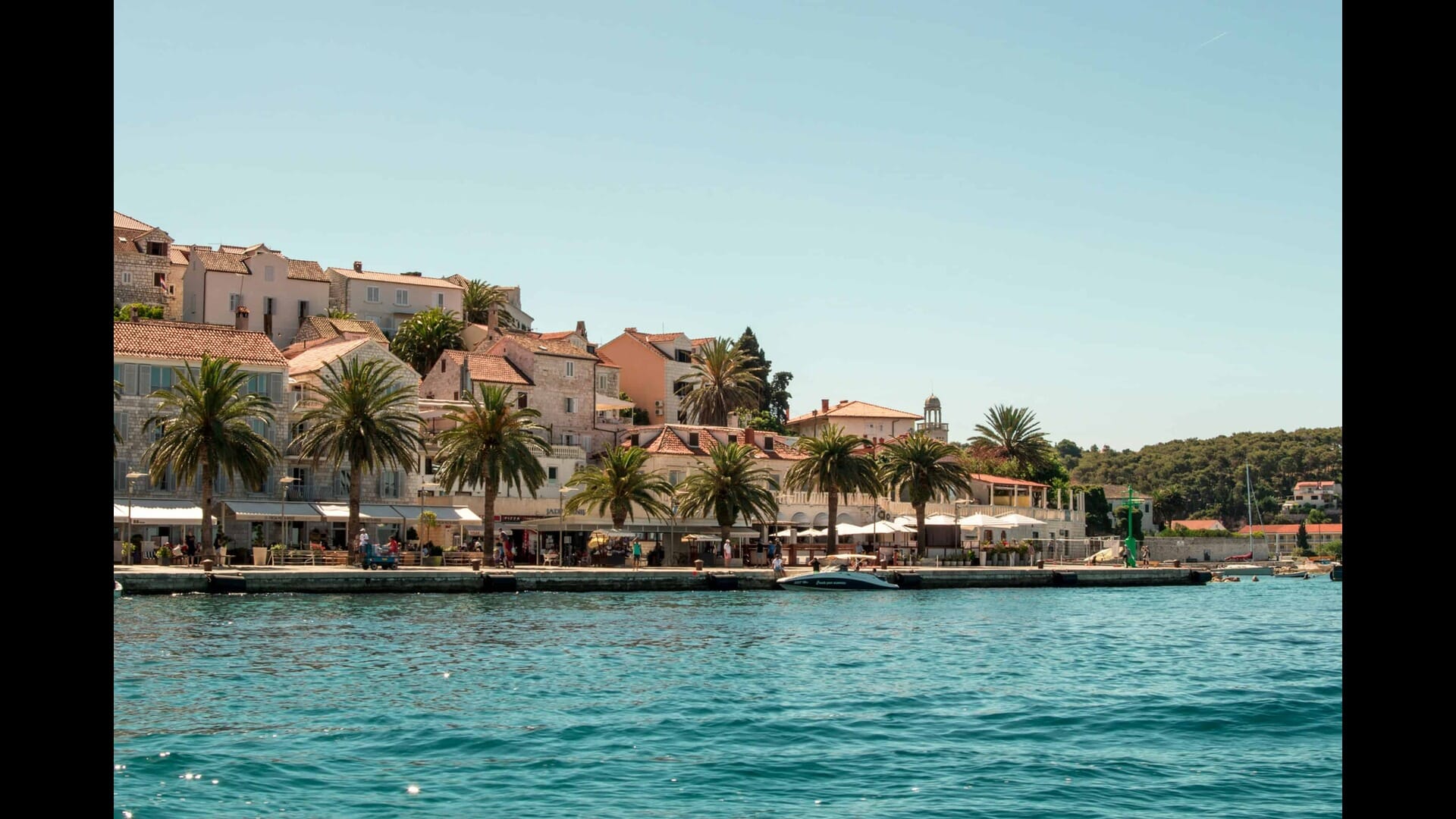
Croatian Folk Dancing: A Cultural Experience
Croatian Folk Dancing: A Cultural Experience
Croatian folk dancing is more than just a series of steps and rhythms; it is a vibrant tapestry woven with the threads of history, tradition, and community. As you delve into the world of Croatian folk dance, you will discover a cultural experience that transcends mere performance.
This article will take you on a journey through the history, styles, and significance of folk dancing in Croatia, while also providing insights into how you can immerse yourself in this captivating tradition.
The Rich History of Croatian Folk Dance
The roots of Croatian folk dancing can be traced back to ancient times, influenced by various cultures that have inhabited the region. From the Illyrians to the Romans, and later the Austro-Hungarians, each group has left its mark on the dance forms that we see today. The dances were originally performed during celebrations, rituals, and communal gatherings, serving as a means of storytelling and social bonding.
The historical significance of these dances cannot be overstated. They reflect the struggles and triumphs of the Croatian people, often depicting tales of love, war, and daily life. The preservation of these dances has become a vital part of Croatian cultural identity, especially in the face of globalization and modernization.
Regional Variations in Croatian Folk Dance Styles
Croatia is a land of diverse cultures and traditions, and this is beautifully reflected in its folk dances. Each region boasts its own unique styles, costumes, and music, making the exploration of Croatian folk dance a fascinating journey. Here are some of the most notable regional variations:
Slavonian Dances
In the eastern part of Croatia, Slavonia is known for its lively and energetic dances. The most famous dance from this region is the Slavonski Brod, characterized by fast-paced footwork and vibrant music played on traditional instruments like the tamburica. The dances often involve group formations and are accompanied by singing, creating a festive atmosphere.
Dalmatian Dances
Moving towards the coast, Dalmatia offers a different flavor of folk dance. The Kolo is a popular dance here, where dancers form a circle and hold hands while moving in a synchronized manner. The music is typically upbeat, featuring instruments such as the accordion and guitar. Dalmatian dances often reflect the maritime culture of the region, with themes of love and the sea.
Istrian Dances
Istria, located in the northwest, is known for its rich cultural influences from Italy and Slovenia. The Istrian Kolo is a distinctive dance that involves intricate footwork and lively rhythms. Dancers often wear traditional costumes that showcase the region's heritage. The dances are typically performed during festivals and celebrations, highlighting the importance of community in Istrian culture.
Lika and Gorski Kotar Dances
In the mountainous regions of Lika and Gorski Kotar, folk dances are often more subdued and reflective of the natural surroundings. The dances here tend to be slower, with a focus on storytelling through movement. Traditional instruments like the gusle (a single-stringed instrument) accompany these dances, adding a haunting quality to the performances.
The Costumes of Croatian Folk Dance
One of the most visually striking aspects of Croatian folk dancing is the traditional costumes worn by the dancers. Each region has its own distinctive attire, often made from vibrant fabrics and adorned with intricate embroidery. The costumes not only enhance the visual appeal of the dances but also serve as a representation of regional identity.
Slavonian Costumes
In Slavonia, women typically wear long skirts with colorful aprons, while men don embroidered shirts and vests. The use of bold colors and patterns is a hallmark of Slavonian attire, reflecting the region's lively spirit.
Dalmatian Costumes
Dalmatian costumes are characterized by lighter fabrics, suitable for the coastal climate. Women often wear white blouses with colorful skirts, while men wear traditional trousers and vests. The use of accessories, such as jewelry and headscarves, adds an extra layer of beauty to the costumes.
Istrian Costumes
Istrian folk attire is known for its elegance and detail. Women wear long dresses with intricate embroidery, while men sport traditional trousers and jackets. The costumes often incorporate elements from both Croatian and Italian cultures, showcasing the region's diverse heritage.
The Music Behind Croatian Folk Dance
Music is an integral part of Croatian folk dancing, providing the rhythm and emotion that drive the performances. Traditional instruments such as the tamburica, accordion, and flute are commonly used, each contributing to the unique soundscapes of the dances.
Tamburica Music
The tamburica is a string instrument that has become synonymous with Croatian folk music. Its melodic tones create a lively atmosphere, encouraging dancers to move with energy and enthusiasm. The tamburica is often played in ensembles, with multiple musicians contributing to the overall sound.
Accordion in Folk Dance
The accordion is another staple of Croatian folk music, particularly in the coastal regions. Its ability to produce both melody and harmony makes it a versatile instrument for dance performances. The lively tunes played on the accordion often evoke feelings of joy and celebration, perfectly complementing the spirited nature of folk dancing.
The Role of Folk Dance in Croatian Culture
Folk dance plays a vital role in preserving Croatian cultural heritage. It serves as a means of passing down traditions from one generation to the next, fostering a sense of community and belonging. Festivals and events dedicated to folk dance are held throughout the country, providing opportunities for both locals and tourists to engage with this rich cultural tradition.
Festivals Celebrating Croatian Folk Dance
Throughout the year, various festivals celebrate Croatian folk dance, showcasing the diversity and vibrancy of this art form. Some notable festivals include:
Vinkovci Autumn Festival: This festival celebrates Slavonian culture with traditional dances, music, and food. It attracts participants from all over Croatia, creating a lively atmosphere filled with dance and celebration.
Dubrovnik Summer Festival: Held in the historic city of Dubrovnik, this festival features performances of traditional dances alongside classical music and theater, highlighting the cultural richness of the region.
Istrian Folk Festival: This festival showcases the folk traditions of Istria, with performances of local dances, music, and culinary delights that reflect the region's heritage.
Learning Croatian Folk Dance: A Hands-On Experience
For those interested in immersing themselves in Croatian culture, learning folk dance is an excellent way to connect with the local community. Many dance schools and cultural organizations offer workshops and classes for beginners, providing a hands-on experience that is both fun and educational.
Finding a Dance Class
When searching for a dance class, consider looking for local cultural centers or community organizations that focus on preserving Croatian traditions. Many cities and towns in Croatia have folk dance groups that welcome newcomers, regardless of skill level. Participating in these classes not only teaches you the steps but also allows you to meet locals and make new friends.
What to Expect in a Dance Class
In a typical folk dance class, you can expect to learn the basic steps and formations of various dances. Instructors often emphasize the importance of rhythm and timing, guiding you through the movements while encouraging you to express yourself through dance. Classes are usually lively and filled with laughter, making it a joyful experience for all participants.
The Global Influence of Croatian Folk Dance
While rooted in tradition, Croatian folk dance has also gained international recognition. Dance troupes and cultural ambassadors have taken these vibrant performances beyond Croatia's borders, showcasing the beauty of Croatian culture to audiences worldwide.
International Dance Festivals
Croatian folk dance is often featured in international dance festivals, where performers from different countries come together to celebrate cultural diversity. These events provide an opportunity for Croatian dancers to share their heritage while learning from other cultures, fostering a sense of global community.
Cultural Exchange Programs
Various cultural exchange programs allow dancers and musicians from Croatia to collaborate with artists from other countries. These initiatives promote understanding and appreciation of different cultural traditions, enriching the artistic landscape for all involved.
The Future of Croatian Folk Dance
As the world continues to evolve, so too does the landscape of Croatian folk dance. While the preservation of traditional forms remains crucial, contemporary interpretations and fusions with other dance styles are emerging. This evolution reflects the dynamic nature of culture, allowing folk dance to remain relevant in today's society.
Embracing Innovation
Many young dancers are experimenting with new choreography and incorporating modern music into traditional dances. This innovative approach not only attracts a younger audience but also keeps the art form alive and evolving. The blending of styles creates a unique fusion that honors the past while embracing the future.
Preserving Tradition
Despite the changes, the core values of Croatian folk dance—community, storytelling, and cultural identity—remain steadfast. Efforts to document and archive traditional dances are ongoing, ensuring that future generations can continue to learn and appreciate this rich heritage.
Conclusion: The Heartbeat of Croatia
Croatian folk dancing is a vibrant expression of the country's rich cultural heritage. Through its diverse styles, captivating music, and stunning costumes, folk dance serves as a powerful reminder of the stories and traditions that define the Croatian identity. Whether you are a dancer, a music lover, or simply a curious traveler, immersing yourself in the world of Croatian folk dance offers a unique and unforgettable cultural experience.
As you explore the enchanting rhythms and movements of these traditional dances, you will not only gain a deeper understanding of Croatia's history but also connect with the heart and soul of its people. So, lace up your dancing shoes and join in the celebration of Croatian folk dance—where every step tells a story and every performance is a testament to the enduring spirit of a nation.