
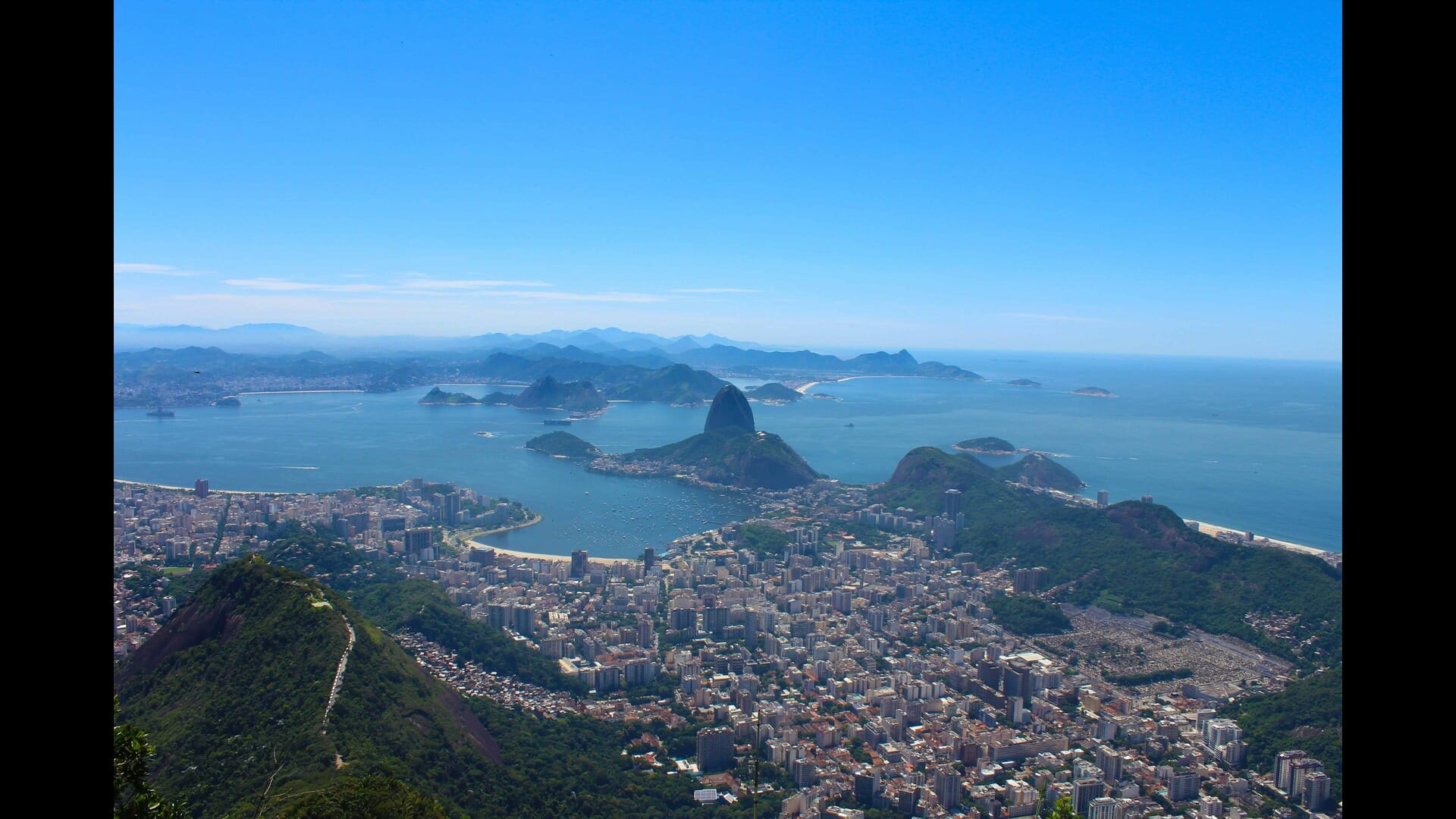
The Best Spots for Wildlife Photography in Brazil
The Best Spots for Wildlife Photography in Brazil
Brazil, a land of vibrant cultures and breathtaking landscapes, is also home to some of the most diverse wildlife on the planet. From the lush Amazon Rainforest to the sprawling Pantanal wetlands, the country offers a plethora of opportunities for wildlife photography enthusiasts.
In this article, we will explore the best spots for wildlife photography in Brazil, providing you with insights, tips, and vivid descriptions that will inspire your next photographic adventure.
1. Amazon Rainforest: A Photographer's Paradise
The Amazon Rainforest, often referred to as the lungs of the Earth, is a treasure trove for wildlife photographers. Spanning across several countries, the Brazilian portion of the Amazon is particularly rich in biodiversity. Here, you can find everything from vibrant macaws to elusive jaguars.
1.1 Unique Flora and Fauna
The Amazon is home to over 40,000 plant species, 2.5 million insect species, and countless birds and mammals. The sheer variety of wildlife makes it an ideal location for capturing stunning photographs. The dense foliage provides a dramatic backdrop, while the interplay of light and shadow creates a magical atmosphere.
1.2 Best Locations for Photography
- Manaus: The gateway to the Amazon, Manaus offers access to several eco-lodges and guided tours. The Meeting of the Waters, where the dark Rio Negro meets the sandy-colored Amazon River, is a must-visit.
- Anavilhanas National Park: This park features a vast archipelago of islands and is home to diverse wildlife, including pink river dolphins and capybaras.
- Jaú National Park: Known for its remote beauty, Jaú is one of the largest national parks in Brazil and offers incredible opportunities to photograph jaguars, giant river otters, and various bird species.
1.3 Tips for Capturing the Amazon's Wildlife
- Use a Telephoto Lens: A telephoto lens will allow you to capture distant animals without disturbing them.
- Golden Hours: Early morning and late afternoon provide the best lighting for photography.
- Patience is Key: Wildlife photography requires patience. Spend time in one location and wait for the perfect moment.
2. Pantanal: The World's Largest Tropical Wetland
The Pantanal is a UNESCO World Heritage site and is renowned for its incredible wildlife viewing opportunities. Covering approximately 150,000 square kilometers, it is the largest tropical wetland in the world and boasts one of the highest concentrations of wildlife in South America.
2.1 Wildlife Diversity
The Pantanal is home to over 1,000 species of birds, 400 species of mammals, and countless reptiles and amphibians. This rich biodiversity makes it a hotspot for wildlife photographers.
2.2 Best Locations for Photography
- Transpantaneira Highway: This dirt road runs through the heart of the Pantanal and offers numerous opportunities to spot wildlife, including capybaras, caimans, and various bird species.
- Pousada Piuval: A popular lodge that offers guided wildlife tours and boat trips, providing excellent opportunities for photography.
- Cuiabá River: This river is a prime location for spotting jaguars, especially during the dry season when they come to the riverbanks to hunt.
2.3 Tips for Capturing the Pantanal's Wildlife
- Early Bird Gets the Shot: The best time for wildlife photography in the Pantanal is early in the morning or late in the afternoon.
- Stay Quiet: Noise can scare away wildlife, so be as quiet as possible while photographing.
- Use a Fast Shutter Speed: To capture fast-moving animals, use a fast shutter speed to avoid motion blur.
3. Iguazu Falls: Nature's Majestic Wonder
While Iguazu Falls is primarily known for its breathtaking views, it also offers unique wildlife photography opportunities. The surrounding national park is home to diverse flora and fauna, making it a great spot for nature photographers.
3.1 Unique Wildlife
The Iguazu National Park is home to over 400 species of birds, including toucans and the endangered harpy eagle. You can also spot coatis, capuchin monkeys, and various reptiles.
3.2 Best Locations for Photography
- Devil's Throat: This is the most impressive viewpoint of the falls and offers a dramatic backdrop for wildlife photography.
- Sendero Macuco Trail: This trail leads you through the rainforest, where you can encounter various wildlife species.
3.3 Tips for Capturing Wildlife at Iguazu Falls
- Bring Waterproof Gear: The mist from the falls can be intense, so protect your camera gear with waterproof covers.
- Focus on Composition: Use the falls as a backdrop for wildlife shots to create stunning compositions.
- Be Patient: Wildlife may not always be visible, so take your time and enjoy the surroundings.
4. Chapada Diamantina: A Hidden Gem for Wildlife Photography
Chapada Diamantina is a national park located in the heart of Bahia. Known for its dramatic landscapes, waterfalls, and unique wildlife, it is a lesser-known destination for wildlife photographers.
4.1 Unique Flora and Fauna
The park is home to various species, including the endangered maned wolf and the Brazilian three-banded armadillo. The diverse ecosystems provide a range of photographic opportunities.
4.2 Best Locations for Photography
- Vale do Pati: This valley is known for its stunning landscapes and wildlife, including various bird species.
- Fumaça Waterfall: One of the tallest waterfalls in Brazil, it offers a breathtaking backdrop for wildlife photography.
4.3 Tips for Capturing Wildlife in Chapada Diamantina
- Explore Different Trails: Each trail offers unique wildlife viewing opportunities, so don’t hesitate to explore.
- Use Natural Light: The park's landscapes are best captured in natural light, so plan your shoots accordingly.
5. Atlantic Forest: A Biodiversity Hotspot
The Atlantic Forest is one of the most biodiverse regions in the world. Stretching along the southeastern coast of Brazil, it is home to countless species, many of which are endemic.
5.1 Unique Wildlife
The forest is home to various species, including the golden lion tamarin, several species of monkeys, and a plethora of bird species. The dense foliage provides a unique challenge for wildlife photographers, but the rewards are worth it.
5.2 Best Locations for Photography
- Tijuca National Park: Located in Rio de Janeiro, this park offers stunning landscapes and diverse wildlife.
- Ilha Grande: This island is known for its pristine beaches and rich wildlife, making it a great spot for photography.
5.3 Tips for Capturing Wildlife in the Atlantic Forest
- Be Prepared for Rain: The Atlantic Forest is known for its rain, so waterproof gear is essential.
- Use a Wide-Angle Lens: A wide-angle lens can help capture the dense forest and its wildlife in one shot.
6. Fernando de Noronha: An Island Paradise for Wildlife Photography
Fernando de Noronha is an archipelago known for its stunning beaches and rich marine life. It is a UNESCO World Heritage site and offers incredible opportunities for wildlife photography, especially underwater.
6.1 Unique Wildlife
The waters around Fernando de Noronha are home to dolphins, sea turtles, and a variety of fish species. On land, you can spot various birds, including the endemic Noronha vulture.
6.2 Best Locations for Photography
- Baía do Sancho: This beach is often ranked among the best in the world and offers stunning views and wildlife photography opportunities.
- Atalaia Beach: Known for its crystal-clear waters, it is perfect for underwater photography.
6.3 Tips for Capturing Wildlife in Fernando de Noronha
- Underwater Photography Gear: Invest in good underwater photography gear to capture the vibrant marine life.
- Respect Wildlife: Maintain a safe distance from wildlife to avoid disturbing them.
7. Lençóis Maranhenses: A Unique Landscape for Wildlife Photography
Lençóis Maranhenses National Park is famous for its stunning sand dunes and seasonal lagoons. While it may not be the first place that comes to mind for wildlife photography, it offers unique opportunities.
7.1 Unique Wildlife
The park is home to various species of birds and reptiles, including the endangered giant anteater. The contrast between the dunes and the lagoons creates a stunning backdrop for photography.
7.2 Best Locations for Photography
- Lagoa Bonita: This lagoon is known for its stunning turquoise waters and offers excellent photography opportunities.
- Dunes of Lençóis: The vast sand dunes provide a unique landscape for wildlife photography.
7.3 Tips for Capturing Wildlife in Lençóis Maranhenses
- Plan for the Right Season: The best time to visit is during the rainy season when the lagoons are full.
- Use a Polarizing Filter: This can help reduce glare and enhance colors in your photographs.
8. Serra da Canastra: A Hidden Gem for Wildlife Photography
Serra da Canastra National Park is known for its stunning landscapes and diverse wildlife. It is a lesser-known destination, making it a great spot for photographers looking for unique opportunities.
8.1 Unique Wildlife
The park is home to the Brazilian national animal, the maned wolf, as well as various bird species and reptiles. The dramatic landscapes provide a stunning backdrop for wildlife photography.
8.2 Best Locations for Photography
- Cascata do Casca: This waterfall is a stunning location for photography, especially during the golden hours.
- Chapadão da Canastra: This plateau offers breathtaking views and opportunities to spot wildlife.
8.3 Tips for Capturing Wildlife in Serra da Canastra
- Explore Different Times of Day: Wildlife is often more active during dawn and dusk, so plan your shoots accordingly.
- Use Natural Framing: Use the landscape to frame your wildlife shots for more impactful images.
9. Bonito: A Natural Wonderland for Wildlife Photography
Bonito is known for its crystal-clear rivers and stunning natural beauty. It is a paradise for wildlife photographers, offering unique opportunities both underwater and on land.
9.1 Unique Wildlife
The region is home to various species, including fish, birds, and mammals. The clear waters provide excellent opportunities for underwater photography.
9.2 Best Locations for Photography
- Rio da Prata: This river is famous for its clear waters and diverse fish species, making it perfect for underwater photography.
- Gruta do Lago Azul: This cave features stunning blue waters and unique rock formations, offering a different type of photography opportunity.
9.3 Tips for Capturing Wildlife in Bonito
- Underwater Photography Skills: Brush up on your underwater photography skills to make the most of the clear waters.
- Respect the Environment: Follow guidelines to protect the delicate ecosystems in the area.
10. Tips for Successful Wildlife Photography in Brazil
Wildlife photography can be challenging, but with the right tips and techniques, you can capture stunning images. Here are some essential tips for successful wildlife photography in Brazil:
10.1 Research Your Locations
Before heading out, research the best locations for wildlife photography in Brazil. Understanding the habitats and behaviors of the animals you want to photograph will increase your chances of success.
10.2 Invest in Quality Gear
Investing in quality camera gear, including telephoto lenses and sturdy tripods, will help you capture stunning images. Consider bringing extra batteries and memory cards, as wildlife photography often requires long hours in the field.
10.3 Be Patient and Respectful
Wildlife photography requires patience. Spend time observing animals and wait for the perfect moment to capture their behavior. Always respect wildlife and maintain a safe distance to avoid disturbing them.
10.4 Join a Photography Tour
Consider joining a wildlife photography tour led by experienced guides. They can help you find the best spots and provide valuable tips for capturing stunning images.
10.5 Post-Processing Techniques
After your photography adventure, use post-processing techniques to enhance your images. Adjusting exposure, contrast, and colors can elevate your wildlife photographs to the next level.
Conclusion
Brazil is a paradise for wildlife photography, offering diverse ecosystems and unique species. From the Amazon Rainforest to the Pantanal wetlands, each location provides incredible opportunities for capturing stunning images. By following the tips and insights shared in this article, you can embark on a rewarding wildlife photography adventure in Brazil. So grab your camera, pack your gear, and get ready to explore the breathtaking wildlife that this beautiful country has to offer!