
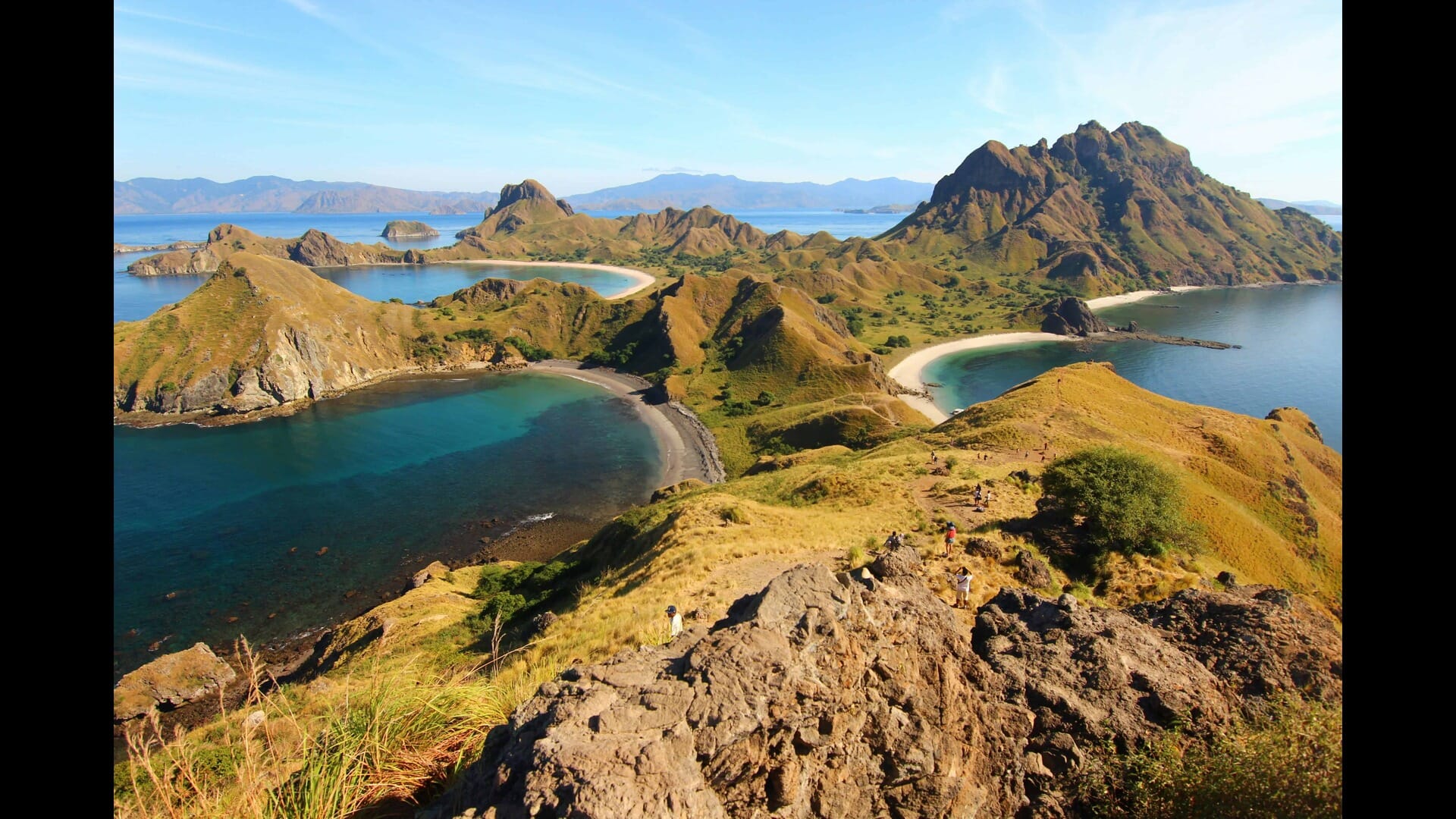
The Best Spots for Exploring Indonesia’s Rice Fields
The Best Spots for Exploring Indonesia’s Rice Fields
Indonesia, an archipelago of over 17,000 islands, is renowned for its stunning landscapes, vibrant culture, and rich agricultural heritage. Among its most captivating features are the lush, terraced rice fields that blanket the hillsides, showcasing the country’s deep-rooted connection to rice farming.
This article delves into the best spots for exploring Indonesia’s rice fields, offering insights into their cultural significance, eco-tourism opportunities, and tips for travelers seeking to immerse themselves in this breathtaking scenery.
The Cultural Significance of Rice in Indonesia
Rice is more than just a staple food in Indonesia; it is a symbol of life, prosperity, and community. The cultivation of rice has been an integral part of Indonesian culture for centuries, shaping traditions, rituals, and social structures. In many villages, rice farming is a communal activity, where families and neighbors come together to plant, tend, and harvest the crops.
The reverence for rice is evident in various ceremonies, such as the Nyiur Melambai, a ritual performed to honor the rice goddess, Dewi Sri. Understanding this cultural backdrop enhances the experience of exploring Indonesia’s rice fields, allowing travelers to appreciate the landscapes not just for their beauty, but also for their historical and social significance.
Best Rice Fields in Bali: A Paradise for Nature Lovers
Exploring the Rice Terraces of Tegalalang
One of the most iconic spots for rice field exploration in Bali is the Tegalalang Rice Terraces, located just north of Ubud. This UNESCO World Heritage site is famous for its stunning, layered terraces that cascade down the hillsides, creating a picturesque landscape that attracts photographers and nature lovers alike.
Visitors can stroll along the narrow paths that wind through the terraces, taking in the breathtaking views and the intricate irrigation systems known as subak, which have been used for centuries. The best time to visit Tegalalang is during the early morning or late afternoon when the sunlight casts a golden hue over the fields, creating a magical atmosphere.
Ubud’s Rice Fields: A Cultural and Spiritual Journey
Ubud, often considered the cultural heart of Bali, offers a unique opportunity to explore rice fields while immersing oneself in the local arts and traditions. The rice paddies surrounding Ubud are not only visually stunning but also rich in cultural experiences.
Travelers can participate in rice planting activities, guided by local farmers who share their knowledge of sustainable farming practices. This hands-on experience allows visitors to connect with the land and understand the importance of rice cultivation in Balinese culture. Additionally, Ubud is home to numerous art galleries, workshops, and traditional performances, making it an ideal destination for those seeking a holistic cultural experience.
Java’s Rice Fields: A Journey Through History and Nature
The Majestic Rice Terraces of Jatiluwih
Located in the Tabanan Regency, Jatiluwih is another UNESCO World Heritage site that boasts some of the most breathtaking rice terraces in Indonesia. Spanning over 600 hectares, these terraces are renowned for their stunning views of Mount Batukaru in the background.
Jatiluwih offers a more tranquil experience compared to Tegalalang, making it an excellent spot for those looking to escape the crowds. Visitors can hike through the terraces, enjoying the fresh air and the sounds of nature. The area is also home to various local eateries where travelers can savor traditional Balinese dishes made from fresh, locally sourced ingredients.
Discovering the Rice Fields of Canggu
Canggu, a coastal town known for its surf culture and vibrant nightlife, also features beautiful rice fields that provide a serene escape from the bustling beach scene. The rice paddies in Canggu are often less crowded, making them perfect for leisurely walks or bike rides.
As you explore the fields, you’ll encounter friendly local farmers tending to their crops, offering a glimpse into the daily life of the community. Canggu’s rice fields also serve as a backdrop for stunning sunset views, making it a popular spot for photographers and romantics alike.
Eco-Tourism and Sustainable Agriculture in Indonesia
The Importance of Sustainable Practices in Rice Farming
As tourism continues to grow in Indonesia, the importance of sustainable agriculture practices becomes increasingly vital. Many rice farmers are adopting eco-friendly methods to preserve the environment and maintain the health of their crops. This includes using organic fertilizers, implementing crop rotation, and conserving water through traditional irrigation techniques.
Travelers can support these sustainable practices by choosing eco-friendly tours and accommodations that prioritize environmental conservation. Engaging with local farmers and learning about their methods not only enriches the travel experience but also contributes to the preservation of Indonesia’s agricultural heritage.
Participating in Rice Field Trekking Tours
For those looking to explore Indonesia’s rice fields more actively, trekking tours offer an excellent opportunity to immerse oneself in the landscape. Many local tour operators provide guided treks through the rice paddies, allowing travelers to experience the beauty of the fields up close while learning about the farming techniques and cultural significance of rice cultivation.
These tours often include visits to local villages, where travelers can interact with the community and gain insights into their way of life. Trekking through the rice fields also provides a unique perspective on the stunning landscapes, with opportunities for photography and reflection.
Photography in Indonesia’s Rice Fields: Capturing the Beauty
Tips for Capturing Stunning Rice Field Photography
The vibrant green hues of Indonesia’s rice fields, combined with the dramatic landscapes, create a photographer’s paradise. To capture the beauty of these fields, consider the following tips:
- Golden Hour Magic: The best time for photography is during the golden hour, just after sunrise or before sunset, when the light is soft and warm.
- Use Leading Lines: The terraces create natural leading lines that draw the viewer’s eye into the composition. Experiment with different angles to highlight these lines.
- Incorporate Local Culture: Including local farmers or traditional ceremonies in your shots adds depth and context to your photographs.
- Play with Perspectives: Get low to the ground or find elevated viewpoints to capture unique perspectives of the rice fields.
- Embrace the Weather: Don’t shy away from cloudy or rainy days; the moody skies can add drama to your images.
Best Locations for Photography in Indonesia’s Rice Fields
Some of the best locations for photography include:
- Tegalalang Rice Terraces: Iconic views and vibrant colors.
- Jatiluwih Rice Terraces: Expansive landscapes with stunning mountain backdrops.
- Canggu Rice Fields: Serene settings with beautiful sunsets.
- Ubud Rice Paddies: Cultural richness and picturesque paths.
Culinary Delights: Savoring Rice-Based Dishes in Indonesia
Traditional Indonesian Rice Dishes to Try
No exploration of Indonesia’s rice fields would be complete without indulging in the country’s delicious rice-based cuisine. Here are some traditional dishes to savor:
- Nasi Goreng: Indonesia’s famous fried rice, often served with vegetables, chicken, and a fried egg on top.
- Nasi Campur: A mixed rice dish accompanied by various side dishes, including meats, vegetables, and sambal.
- Lontong: Compressed rice cakes served with a variety of curries and vegetables.
- Rendang: A slow-cooked beef dish rich in spices, often served with rice.
Where to Find Authentic Rice-Based Meals
Travelers can find authentic rice-based meals in local warungs (small eateries) and restaurants throughout Indonesia. Ubud, in particular, is known for its culinary scene, offering a range of dining options that highlight traditional Balinese flavors. Additionally, many rice field tours include meals prepared by local families, providing a unique opportunity to taste home-cooked dishes while enjoying the stunning surroundings.
Conclusion: Embracing the Beauty of Indonesia’s Rice Fields
Exploring Indonesia’s rice fields is a journey that goes beyond mere sightseeing; it is an opportunity to connect with the land, the people, and the culture that has shaped this beautiful archipelago. From the iconic terraces of Bali to the serene landscapes of Java, each rice field tells a story of tradition, sustainability, and community.
As travelers venture into these lush landscapes, they not only witness the breathtaking beauty of Indonesia’s rice fields but also contribute to the preservation of its agricultural heritage. Whether through eco-tourism, photography, or culinary experiences, the rice fields of Indonesia offer a rich tapestry of experiences that leave a lasting impression on all who visit.
By embracing the beauty and significance of these landscapes, travelers can create meaningful memories while supporting the local communities that call these rice fields home.