
The Best Places for Nature Photography in Norway
The Best Places for Nature Photography in Norway
Norway, a land of stunning landscapes and breathtaking natural beauty, is a paradise for nature photographers. With its dramatic fjords, majestic mountains, and vibrant wildlife, the country offers countless opportunities to capture the essence of the great outdoors. In this article, we will explore the best places for nature photography in Norway, providing you with detailed insights, tips, and inspiration for your next photographic adventure.
1. The Majestic Fjords of Norway: A Photographer's Dream
Understanding Norway's Fjords
Norway is famous for its fjords, deep inlets of the sea surrounded by towering cliffs and lush greenery. These natural wonders are not only a UNESCO World Heritage site but also a photographer's dream. The most renowned fjords include Geirangerfjord, Nærøyfjord, and Sognefjord, each offering unique perspectives and stunning vistas.
Best Time for Photography
The best time to photograph the fjords is during the summer months (June to August) when the weather is mild, and the days are long. However, autumn (September to October) also presents a fantastic opportunity to capture the vibrant fall colors reflecting off the water.
Tips for Capturing Fjord Landscapes
- Use a Wide-Angle Lens: This will help you capture the vastness of the fjords and the dramatic landscapes.
- Golden Hour: Shoot during the golden hour (early morning or late afternoon) for softer light and more dynamic colors.
- Include Foreground Elements: Adding rocks, trees, or boats in the foreground can create depth in your images.
2. Lofoten Islands: A Photographic Paradise
Overview of Lofoten Islands
The Lofoten Islands are an archipelago known for their dramatic peaks, picturesque fishing villages, and stunning beaches. The combination of rugged mountains and serene waters makes it one of the best places for nature photography in Norway.
Best Photography Spots in Lofoten
- Reine: This charming fishing village is famous for its red and yellow rorbuer (fishermen's cabins) set against the backdrop of towering mountains.
- Haukland Beach: A stunning white sandy beach surrounded by mountains, perfect for capturing the contrast of colors.
- Kvalvika Beach: A secluded beach that requires a hike to reach, offering breathtaking views and a sense of solitude.
Best Time for Photography
The Lofoten Islands are beautiful year-round, but the best time for photography is during the winter months (December to March) when you can capture the northern lights. The summer months (June to August) offer the midnight sun, providing unique lighting conditions for photography.
Tips for Lofoten Photography
- Plan for the Weather: The weather can change rapidly, so be prepared for all conditions.
- Use ND Filters: Neutral density filters can help you achieve long exposure shots, especially for capturing the movement of water.
- Explore Off the Beaten Path: Venture beyond the popular spots to find hidden gems and unique compositions.
3. Northern Lights Photography: Chasing Auroras in Norway
Understanding the Northern Lights
The northern lights, or aurora borealis, are a natural light display caused by the interaction of solar winds with the Earth’s magnetic field. Norway is one of the best places in the world to witness this phenomenon, particularly in the northern regions.
Best Locations for Northern Lights Photography
- Tromsø: Known as the gateway to the Arctic, Tromsø offers numerous tours and locations for capturing the northern lights.
- Senja Island: A less crowded alternative to Tromsø, Senja boasts stunning landscapes and dark skies perfect for aurora photography.
- Svalbard: For the adventurous, Svalbard provides a unique opportunity to photograph the northern lights in a remote Arctic setting.
Best Time for Northern Lights Photography
The northern lights are typically visible from late September to early April, with the peak season being from December to February.
Tips for Capturing the Northern Lights
- Use a Tripod: A sturdy tripod is essential for long exposure shots.
- Wide Aperture: Use a lens with a wide aperture (f/2.8 or lower) to capture as much light as possible.
- Experiment with Exposure Settings: Start with an exposure time of 10-20 seconds and adjust based on the brightness of the auroras.
4. The Scenic Coastline of Norway: Capturing Coastal Beauty
Overview of Norway's Coastline
Norway's coastline stretches over 25,000 kilometers, featuring thousands of islands, rugged cliffs, and picturesque villages. The coastal areas provide endless opportunities for capturing stunning seascapes and unique coastal features.
Best Coastal Photography Locations
- Ålesund: This coastal town is known for its Art Nouveau architecture and stunning views of the surrounding islands.
- Geirangerfjord: While primarily known for its fjords, the coastal views from the cliffs offer breathtaking photography opportunities.
- Vesterålen: A less touristy region with beautiful beaches, wildlife, and dramatic landscapes.
Best Time for Coastal Photography
The summer months are ideal for coastal photography, with long days and vibrant colors. However, winter can also provide dramatic skies and unique lighting conditions.
Tips for Coastal Photography
- Use a Polarizing Filter: This can help reduce glare from the water and enhance colors.
- Capture Movement: Use slower shutter speeds to capture the movement of waves and create a sense of motion in your images.
- Explore Different Perspectives: Get low to the ground or find elevated viewpoints to capture unique angles of the coastline.
5. National Parks of Norway: Nature's Untamed Beauty
Overview of Norway's National Parks
Norway is home to several national parks, each offering unique landscapes and ecosystems. These parks are perfect for nature photography, providing opportunities to capture wildlife, mountains, and pristine wilderness.
Top National Parks for Photography
- Jotunheimen National Park: Known for its towering peaks and glacial lakes, Jotunheimen is a hiker's paradise and offers stunning photography opportunities.
- Hardangervidda National Park: The largest national park in Norway, Hardangervidda features vast plateaus, waterfalls, and diverse wildlife.
- Rondane National Park: Famous for its rugged mountains and wild reindeer, Rondane offers breathtaking landscapes and solitude.
Best Time for National Park Photography
The best time to visit national parks for photography is during the summer months when the weather is mild, and the landscapes are lush. Autumn also provides beautiful fall colors.
Tips for National Park Photography
- Plan Your Hikes: Research trails and plan your hikes to capture the best views.
- Be Patient: Wildlife photography requires patience; spend time in one spot to increase your chances of capturing animals.
- Respect Nature: Follow Leave No Trace principles to preserve the beauty of the parks.
6. Wildlife Photography in Norway: Capturing Nature's Creatures
Overview of Norway's Wildlife
Norway is home to a diverse range of wildlife, from majestic moose and reindeer to playful otters and seabirds. Wildlife photography can be incredibly rewarding, offering a glimpse into the lives of these creatures in their natural habitats.
Best Locations for Wildlife Photography
- Dovrefjell National Park: Known for its musk oxen, Dovrefjell is a prime location for wildlife photography.
- Varanger Peninsula: A hotspot for birdwatching, Varanger is home to a variety of seabirds and migratory species.
- Svalbard: For those seeking Arctic wildlife, Svalbard offers opportunities to photograph polar bears, walruses, and arctic foxes.
Best Time for Wildlife Photography
The best time for wildlife photography varies by species. Spring and summer are ideal for birdwatching, while autumn is great for capturing moose and reindeer during mating season.
Tips for Wildlife Photography
- Use a Telephoto Lens: A telephoto lens allows you to capture wildlife from a distance without disturbing them.
- Be Quiet and Patient: Wildlife can be skittish; approach quietly and be patient to get the best shots.
- Learn Animal Behavior: Understanding the behavior of animals can help you anticipate their movements and capture better images.
7. Hiking Trails with Stunning Views: Nature Photography on Foot
Overview of Norway's Hiking Trails
Norway boasts some of the most breathtaking hiking trails in the world, offering stunning views and unique landscapes. Hiking is not only a great way to experience nature but also an excellent opportunity for photography.
Top Hiking Trails for Photography
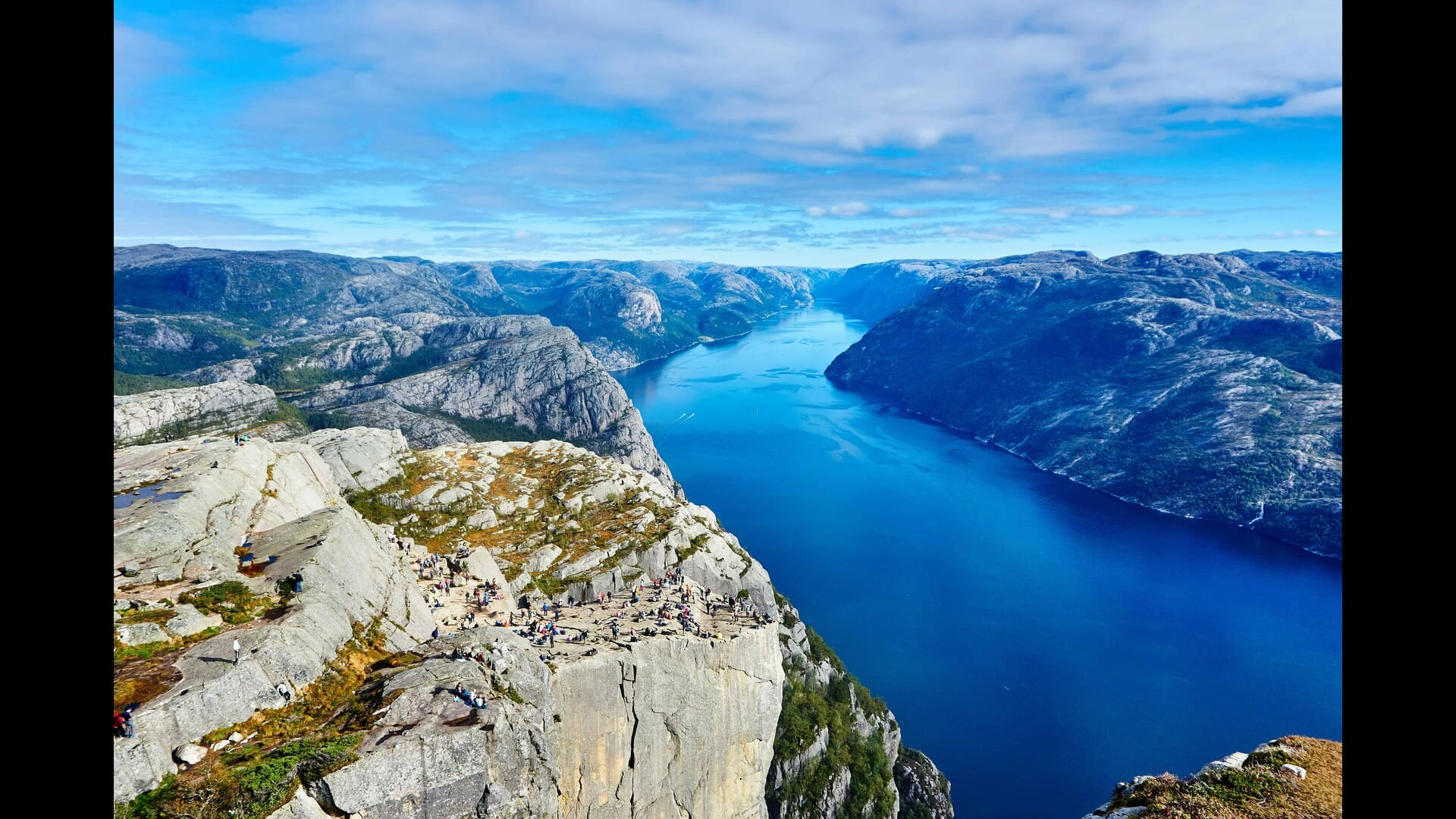
- Preikestolen (Pulpit Rock): This iconic cliff offers panoramic views of the Lysefjord and is one of Norway's most photographed locations.
- Trolltunga (Troll's Tongue): A dramatic rock formation that juts out over the fjord, providing a stunning backdrop for photography.
- Romsdalseggen Ridge: Known for its breathtaking views of the Romsdal valley and surrounding peaks, this hike is a must for photographers.
Best Time for Hiking Photography
The best time for hiking in Norway is during the summer months when trails are accessible and weather conditions are favorable. Autumn also provides beautiful colors and fewer crowds.
Tips for Hiking Photography
- Pack Light: Carry only essential gear to make your hike more enjoyable.
- Take Breaks: Stop frequently to capture the scenery and take in the views.
- Experiment with Angles: Change your perspective to find unique compositions along the trail.
8. Capturing the Midnight Sun: Unique Lighting Conditions in Norway
Understanding the Midnight Sun
The midnight sun occurs in the summer months in northern Norway, where the sun remains visible at midnight. This phenomenon creates unique lighting conditions that are perfect for photography.
Best Locations for Midnight Sun Photography
- Nordkapp (North Cape): The northernmost point of Europe offers stunning views of the midnight sun over the Arctic Ocean.
- Lofoten Islands: The dramatic landscapes of Lofoten are even more breathtaking under the midnight sun.
- Tromsø: Known for its vibrant summer nights, Tromsø is a great location to capture the midnight sun.
Best Time for Midnight Sun Photography
The midnight sun is visible from late May to mid-July, with the peak occurring in June.
Tips for Capturing the Midnight Sun
- Plan Your Shots: Research the best viewpoints and plan your shots ahead of time.
- Use a Tripod: A tripod is essential for long exposures, especially during twilight hours.
- Experiment with Long Exposures: Capture the movement of clouds and water for dynamic images.
9. The Beauty of Autumn in Norway: Capturing Fall Colors
Overview of Autumn in Norway
Autumn in Norway is a magical time when the landscapes transform into a tapestry of vibrant colors. The changing leaves create stunning backdrops for photography, making it one of the best seasons to explore the country.
Best Locations for Autumn Photography
- Hardangerfjord: Known for its apple orchards and stunning fall colors, Hardangerfjord is a must-visit in autumn.
- Rondane National Park: The park's diverse landscapes come alive with autumn hues, providing endless photography opportunities.
- Lofoten Islands: The dramatic scenery of Lofoten is enhanced by the warm colors of fall.
Best Time for Autumn Photography
The best time to capture autumn colors in Norway is from late September to mid-October.
Tips for Autumn Photography
- Look for Reflections: Capture the vibrant colors reflected in lakes and fjords for stunning compositions.
- Use a Polarizing Filter: This can enhance colors and reduce glare from wet leaves.
- Focus on Details: Capture close-up shots of leaves, berries, and other autumn elements for unique images.
10. Conclusion: Embrace the Beauty of Norway Through Your Lens
Final Thoughts
Norway is a treasure trove of natural beauty, offering countless opportunities for nature photography. From the majestic fjords to the vibrant northern lights, each location provides a unique perspective on the country's stunning landscapes. Whether you're a seasoned photographer or just starting, Norway's diverse environments will inspire you to capture the beauty of nature.
Preparing for Your Photography Adventure
Before embarking on your photographic journey in Norway, ensure you have the right gear, plan your itinerary, and be prepared for the changing weather conditions. Embrace the adventure, and let your creativity flow as you explore the best places for nature photography in this breathtaking country. Happy shooting!