
The Best National Parks in Canada: Nature’s Playground
The Best National Parks in Canada: Nature’s Playground
Canada is a land of stunning natural beauty, with vast landscapes that range from rugged mountains to serene coastlines, dense forests to expansive prairies. It is home to some of the most breathtaking national parks in the world, each offering unique experiences for nature lovers, adventure seekers, and those simply looking to escape the hustle and bustle of everyday life.
In this article, we will explore the best national parks in Canada, showcasing their diverse ecosystems, recreational opportunities, and the incredible wildlife that calls these parks home.
1. Banff National Park: A Jewel in the Rockies
Overview of Banff National Park
Established in 1885, Banff National Park is Canada’s first national park and one of the most famous in the world. Nestled in the heart of the Canadian Rockies in Alberta, Banff is renowned for its stunning mountain scenery, crystal-clear lakes, and diverse wildlife. The park covers over 6,600 square kilometers and offers a plethora of outdoor activities year-round.
Scenic Highlights
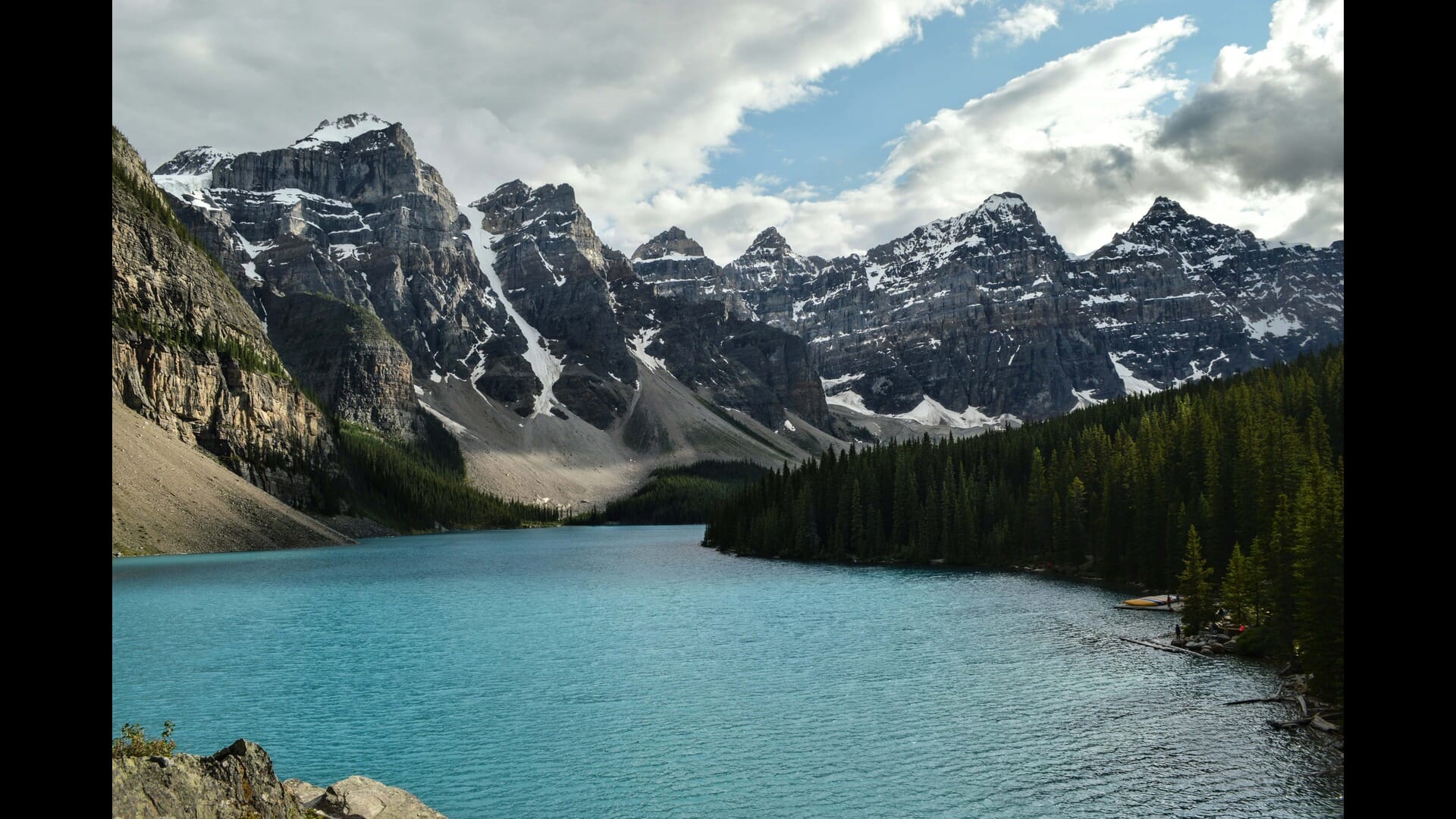
One of the most iconic sights in Banff is Lake Louise, known for its turquoise waters and the stunning backdrop of the Victoria Glacier. Visitors can enjoy canoeing in the summer or ice skating in the winter. Another must-see is Moraine Lake, famous for its vibrant blue color and the breathtaking Valley of the Ten Peaks.
Outdoor Activities
Banff National Park is a paradise for outdoor enthusiasts. Hiking trails range from easy walks to challenging backcountry routes. The Plain of Six Glaciers hike offers stunning views and the chance to see wildlife such as elk and bears. In winter, the park transforms into a snow-covered wonderland, perfect for skiing, snowboarding, and snowshoeing.
Wildlife Viewing
Banff is home to a diverse range of wildlife, including grizzly bears, black bears, moose, and mountain goats. The best time for wildlife viewing is during the early morning or late evening when animals are most active. Remember to keep a safe distance and respect their natural habitat.
2. Jasper National Park: A Dark Sky Preserve
Overview of Jasper National Park
Jasper National Park, located in Alberta, is the largest national park in the Canadian Rockies, covering over 10,000 square kilometers. It is recognized as a UNESCO World Heritage Site and is famous for its stunning landscapes, abundant wildlife, and exceptional stargazing opportunities.
Scenic Highlights
The Icefields Parkway, a scenic highway that connects Banff and Jasper, is one of the most beautiful drives in the world. Along the way, visitors can stop at the Columbia Icefield, where they can take a guided tour onto the Athabasca Glacier. Other highlights include Maligne Lake, known for its stunning turquoise waters, and Athabasca Falls, a powerful waterfall that showcases the raw beauty of nature.
Outdoor Activities
Jasper offers a wide range of outdoor activities, from hiking and mountain biking to canoeing and fishing. The Valley of the Five Lakes is a popular hiking trail that takes you past five stunning lakes, each with its unique color and charm. In winter, Jasper becomes a playground for skiing and snowboarding at Marmot Basin.
Stargazing in Jasper
Jasper National Park is designated as a Dark Sky Preserve, making it one of the best places in the world for stargazing. The park hosts an annual Dark Sky Festival, attracting astronomy enthusiasts from around the globe. On clear nights, visitors can witness the Milky Way and countless constellations, a truly magical experience.
3. Yoho National Park: A Hidden Gem in the Rockies
Overview of Yoho National Park
Located in British Columbia, Yoho National Park is often overshadowed by its more famous neighbors, Banff and Jasper. However, this hidden gem offers equally stunning landscapes, including towering waterfalls, pristine lakes, and rugged mountains. Established in 1886, Yoho is a UNESCO World Heritage Site and a must-visit for nature lovers.
Scenic Highlights
Emerald Lake is perhaps the park's most famous attraction, known for its vibrant green color and stunning mountain backdrop. Visitors can hike around the lake or rent a canoe to explore its serene waters. Takakkaw Falls, one of Canada’s tallest waterfalls, plunges 254 meters and is a breathtaking sight to behold.
Outdoor Activities
Yoho National Park offers a variety of outdoor activities, including hiking, camping, and wildlife viewing. The Iceline Trail is a popular hiking route that provides stunning views of glaciers and waterfalls. In winter, visitors can enjoy snowshoeing and cross-country skiing.
Wildlife Viewing
The park is home to diverse wildlife, including elk, deer, and bears. Wildlife enthusiasts should be on the lookout for these magnificent creatures while exploring the park’s trails. Early morning and late evening are the best times for spotting wildlife.
4. Pacific Rim National Park Reserve: Coastal Beauty
Overview of Pacific Rim National Park Reserve
Located on Vancouver Island in British Columbia, Pacific Rim National Park Reserve is a stunning coastal park that showcases the beauty of the Pacific Ocean and the lush rainforest. Established in 1970, the park is divided into three main areas: Long Beach, the Broken Group Islands, and the West Coast Trail.
Scenic Highlights
Long Beach is famous for its sandy shores and crashing waves, making it a popular spot for surfing and beachcombing. The Broken Group Islands offer a unique opportunity for kayaking and exploring the rugged coastline. The West Coast Trail is a challenging multi-day hike that takes you through old-growth forests and along breathtaking cliffs.
Outdoor Activities
Pacific Rim National Park Reserve is a haven for outdoor enthusiasts. Visitors can enjoy hiking, surfing, kayaking, and wildlife viewing. The park is home to diverse marine life, including sea otters, seals, and a variety of seabirds. Whale watching is also popular, with opportunities to see gray whales, orcas, and humpback whales.
Indigenous Culture
The park is rich in Indigenous history and culture. Visitors can learn about the traditions and practices of the Nuu-chah-nulth people through interpretive programs and guided tours. Engaging with the local Indigenous communities provides a deeper understanding of the land and its significance.
5. Gros Morne National Park: A UNESCO World Heritage Site
Overview of Gros Morne National Park
Located in Newfoundland and Labrador, Gros Morne National Park is a UNESCO World Heritage Site known for its dramatic landscapes and geological significance. The park covers over 1,800 square kilometers and features fjords, mountains, and coastal cliffs.
Scenic Highlights
The Gros Morne Mountain hike is a challenging but rewarding trek that offers panoramic views of the surrounding landscape. The park’s Tablelands, a unique geological formation, showcase the Earth’s mantle and provide a glimpse into the planet’s geological history.
Outdoor Activities
Gros Morne National Park offers a variety of outdoor activities, including hiking, kayaking, and wildlife viewing. The Green Gardens trail leads hikers to stunning coastal views and unique geological formations. In winter, visitors can enjoy snowshoeing and cross-country skiing.
Wildlife Viewing
The park is home to diverse wildlife, including moose, caribou, and a variety of bird species. Birdwatchers will delight in spotting puffins, eagles, and other seabirds along the coast. The best time for wildlife viewing is during the early morning or late evening.
6. Kootenay National Park: A Diverse Ecosystem
Overview of Kootenay National Park
Kootenay National Park, located in British Columbia, is known for its diverse ecosystems, ranging from hot springs to alpine meadows. Established in 1920, the park covers over 1,400 square kilometers and offers a variety of recreational opportunities.
Scenic Highlights
Radium Hot Springs is one of the park’s most popular attractions, offering visitors a chance to relax in natural hot springs surrounded by stunning mountain scenery. The Paint Pots, a unique geological feature, showcase vibrant mineral deposits and are a must-see for geology enthusiasts.
Outdoor Activities
Kootenay National Park offers a range of outdoor activities, including hiking, camping, and wildlife viewing. The Stanley Glacier hike is a popular trail that leads to stunning views of glaciers and alpine meadows. In winter, visitors can enjoy skiing and snowshoeing.
Wildlife Viewing
The park is home to diverse wildlife, including deer, elk, and bears. Wildlife enthusiasts should be on the lookout for these magnificent creatures while exploring the park’s trails. Early morning and late evening are the best times for spotting wildlife.
7. Waterton Lakes National Park: Where the Prairies Meet the Rockies
Overview of Waterton Lakes National Park
Waterton Lakes National Park, located in Alberta, is a stunning park that showcases the unique landscape where the prairies meet the Rocky Mountains. Established in 1895, Waterton is part of the Waterton-Glacier International Peace Park, a UNESCO World Heritage Site.
Scenic Highlights
The park is known for its stunning lakes, including Waterton Lake and Cameron Lake, both of which offer breathtaking views and recreational opportunities. The Red Rock Canyon is a must-see, with its vibrant red rock formations and stunning scenery.
Outdoor Activities
Waterton Lakes National Park offers a variety of outdoor activities, including hiking, boating, and wildlife viewing. The Crypt Lake hike is a challenging but rewarding trek that leads to stunning views and unique geological features. In winter, visitors can enjoy snowshoeing and cross-country skiing.
Wildlife Viewing
The park is home to diverse wildlife, including bighorn sheep, deer, and a variety of bird species. Wildlife enthusiasts should be on the lookout for these magnificent creatures while exploring the park’s trails. Early morning and late evening are the best times for spotting wildlife.
8. Fundy National Park: The Bay of Fundy
Overview of Fundy National Park
Fundy National Park, located in New Brunswick, is known for its stunning coastal landscapes and the highest tides in the world. Established in 1948, the park covers over 200 square kilometers and offers a variety of recreational opportunities.
Scenic Highlights
The park’s coastline is characterized by dramatic cliffs, sandy beaches, and lush forests. The Hopewell Rocks, located nearby, are famous for their unique rock formations and tidal changes. Visitors can explore the coastline during low tide and witness the dramatic changes in the landscape.
Outdoor Activities
Fundy National Park offers a range of outdoor activities, including hiking, camping, and wildlife viewing. The Fundy Footpath is a popular hiking trail that follows the coastline and offers stunning views of the Bay of Fundy. In winter, visitors can enjoy snowshoeing and cross-country skiing.
Wildlife Viewing
The park is home to diverse wildlife, including moose, deer, and a variety of bird species. Birdwatchers will delight in spotting seabirds and migratory birds along the coast. The best time for wildlife viewing is during the early morning or late evening.
9. Cape Breton Highlands National Park: Coastal Beauty and Culture
Overview of Cape Breton Highlands National Park
Cape Breton Highlands National Park, located in Nova Scotia, is known for its stunning coastal landscapes and rich cultural heritage. Established in 1936, the park covers over 950 square kilometers and offers a variety of recreational opportunities.
Scenic Highlights
The Cabot Trail, a scenic highway that winds through the park, offers breathtaking views of the coastline and the Cape Breton Highlands. The Skyline Trail is a popular hiking route that provides stunning views of the Gulf of St. Lawrence and the surrounding landscape.
Outdoor Activities
Cape Breton Highlands National Park offers a range of outdoor activities, including hiking, camping, and wildlife viewing. The park is home to diverse wildlife, including moose, deer, and a variety of bird species. Visitors can also enjoy whale watching along the coast.
Cultural Experiences
The park is rich in Acadian and Scottish culture, with opportunities to experience traditional music, dance, and cuisine. Visitors can explore local communities and learn about the history and traditions of the region.
10. Auyuittuq National Park: Arctic Wilderness
Overview of Auyuittuq National Park
Auyuittuq National Park, located in Nunavut, is known for its stunning Arctic landscapes and unique geological features. Established in 1976, the park covers over 19,000 square kilometers and offers a variety of recreational opportunities.
Scenic Highlights
The park is home to dramatic mountains, glaciers, and fjords, making it a paradise for photographers and outdoor enthusiasts. The Akshayuk Pass is a popular hiking route that offers stunning views of the surrounding landscape.
Outdoor Activities
Auyuittuq National Park offers a range of outdoor activities, including hiking, camping, and wildlife viewing. The park is home to diverse wildlife, including polar bears, caribou, and a variety of bird species. Visitors can also enjoy winter activities such as snowshoeing and skiing.
Indigenous Culture
The park is rich in Inuit culture and history. Visitors can learn about the traditions and practices of the Inuit people through interpretive programs and guided tours. Engaging with the local Indigenous communities provides a deeper understanding of the land and its significance.
Conclusion: Embrace Nature’s Playground
Canada’s national parks are a testament to the country’s commitment to preserving its natural beauty and biodiversity. Each park offers unique experiences, from the majestic Rocky Mountains to the serene coastlines, inviting visitors to explore, discover, and connect with nature. Whether you’re seeking adventure, tranquility, or a deeper understanding of the environment, Canada’s national parks are truly nature’s playground. So pack your bags, lace up your hiking boots, and embark on an unforgettable journey through the breathtaking landscapes of Canada.