
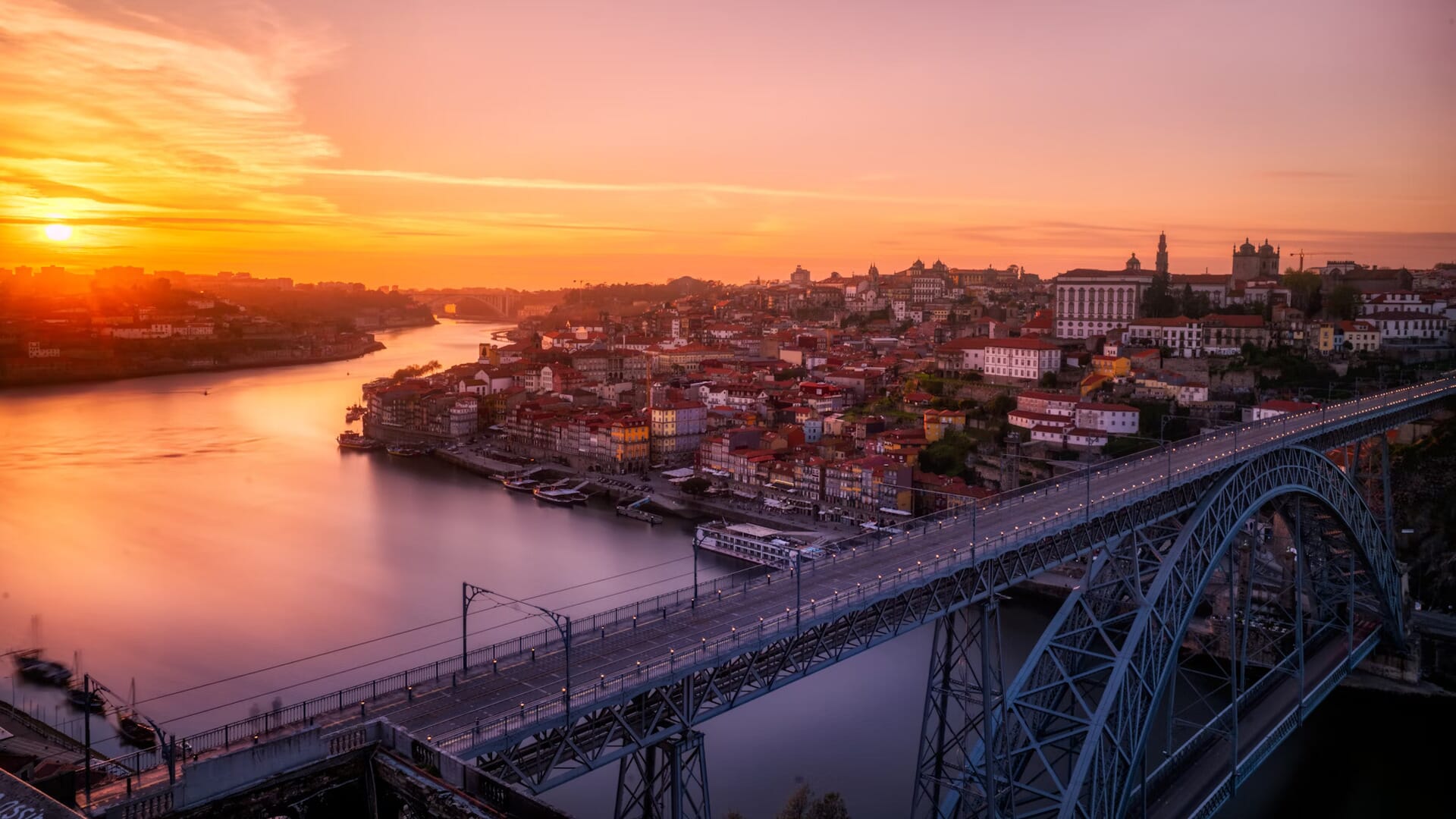
A Guide to the Best Cultural Experiences in Lisbon
A Guide to the Best Cultural Experiences in Lisbon
Lisbon, the sun-kissed capital of Portugal, is a city that dances to the rhythm of its rich history, vibrant culture, and stunning landscapes. Nestled on the banks of the Tagus River, Lisbon is a mosaic of ancient architecture, colorful neighborhoods, and a culinary scene that tantalizes the taste buds.
This guide will take you on an immersive journey through the best cultural experiences in Lisbon, ensuring you capture the essence of this enchanting city.
Discovering the Heart of Lisbon: Alfama District
One of the oldest neighborhoods in Lisbon, Alfama is a labyrinth of narrow streets, steep hills, and picturesque views. As you wander through its cobblestone alleys, you’ll encounter traditional Fado houses, local artisans, and stunning viewpoints that overlook the river. The charm of Alfama lies in its authenticity; it’s a place where time seems to stand still.
Exploring the Fado Music Scene in Alfama
Fado, the soulful music genre that originated in Lisbon, is an integral part of the city’s cultural identity. In Alfama, you can experience Fado in its most genuine form. Visit a local tavern, such as Clube de Fado or Casa de Linhares, where talented musicians perform live. The haunting melodies and heartfelt lyrics tell stories of longing, love, and the sea, encapsulating the spirit of the Portuguese people.
Visiting the São Jorge Castle
Perched atop a hill, the São Jorge Castle offers breathtaking panoramic views of Lisbon. This historic fortress dates back to the 11th century and is a testament to the city’s Moorish heritage. As you explore the castle grounds, you’ll discover ancient walls, lush gardens, and informative exhibits that narrate Lisbon’s history. Don’t forget to capture the stunning sunset views from the castle’s ramparts.
The Vibrant Art Scene in Lisbon
Lisbon is a canvas of creativity, with a thriving art scene that spans contemporary galleries, street art, and traditional crafts. The city’s artistic expression is a reflection of its diverse culture and history.
Visiting the MAAT (Museum of Art, Architecture, and Technology)
The MAAT is a must-visit for art and architecture enthusiasts. Housed in a stunning building along the river, the museum showcases innovative exhibitions that explore the intersection of art, architecture, and technology. The museum’s exterior, designed by the renowned architect Amanda Levete, is a work of art in itself, with its undulating form and reflective tiles.
Discovering Street Art in Bairro Alto
Bairro Alto is known for its vibrant nightlife, but it’s also a hotspot for street art. As you stroll through the neighborhood, keep your eyes peeled for colorful murals and graffiti that adorn the walls. Artists like Vhils and Bordalo II have transformed the streets into an open-air gallery, reflecting social issues and the city’s identity. Consider joining a street art tour to gain insights into the artists and their work.
Culinary Adventures: Tasting Lisbon’s Flavors
Lisbon’s culinary scene is a delightful fusion of traditional Portuguese flavors and modern gastronomy. From fresh seafood to delectable pastries, the city offers a culinary journey that will leave you craving more.
Indulging in Pastéis de Nata
No visit to Lisbon is complete without tasting the iconic pastéis de nata. These creamy custard tarts, with their flaky crust and caramelized top, are a beloved treat. Head to Pastéis de Belém, where the recipe has been a closely guarded secret since 1837. Enjoy your pastéis with a sprinkle of cinnamon and powdered sugar, paired with a bica (espresso) for the ultimate experience.
Exploring the Mercado da Ribeira
For a taste of local flavors, visit the Mercado da Ribeira, also known as Time Out Market. This bustling food market features a variety of stalls offering everything from fresh seafood to gourmet burgers. Sample traditional dishes like bacalhau à brás (codfish) and enjoy a glass of vinho verde while soaking in the lively atmosphere. The market is a perfect place to mingle with locals and fellow travelers.
Historical Sites That Tell Lisbon’s Story
Lisbon is steeped in history, and its historical sites are a testament to its rich past. From ancient cathedrals to grand palaces, each site offers a glimpse into the city’s evolution.
Visiting the Jerónimos Monastery
A UNESCO World Heritage site, the Jerónimos Monastery is a masterpiece of Manueline architecture. Built in the 16th century, this stunning monastery is adorned with intricate carvings and boasts a magnificent cloister. The monastery’s history is intertwined with the Age of Discoveries, as it served as a place of prayer for sailors embarking on voyages. Don’t miss the opportunity to explore the adjacent Maritime Museum, which showcases Portugal’s seafaring history.
Exploring the Belém Tower
Another iconic landmark in the Belém district is the Belém Tower, a UNESCO World Heritage site that once guarded the entrance to the Tagus River. This fortress, built in the early 16th century, is a stunning example of Manueline architecture. Climb to the top for panoramic views of the river and the surrounding area. The tower’s rich history and stunning design make it a must-visit.
Embracing Local Traditions and Festivals
Lisbon is a city that celebrates its traditions with fervor. Throughout the year, various festivals and events showcase the city’s cultural heritage.
Celebrating Santo António Festival
In June, Lisbon comes alive with the Santo António Festival, a celebration in honor of the city’s patron saint. The streets of Alfama and Bairro Alto are adorned with colorful decorations, and locals celebrate with music, dancing, and delicious food. Enjoy grilled sardines, a traditional dish during the festival, and join the lively street parties that fill the air with joy and laughter.
Experience the Lisbon Book Fair
For literature lovers, the Lisbon Book Fair is a highlight of the cultural calendar. Held annually in Eduardo VII Park, the fair features local and international authors, book signings, and literary discussions. Stroll through the stalls, discover new titles, and immerse yourself in the literary culture of Lisbon.
The Influence of Religion on Lisbon’s Culture
Religion plays a significant role in Lisbon’s cultural landscape, with numerous churches and religious sites that reflect the city’s spiritual heritage.
Visiting the Lisbon Cathedral (Sé de Lisboa)
The Lisbon Cathedral, known as Sé de Lisboa, is the city’s oldest church, dating back to the 12th century. Its Romanesque architecture and stunning rose window make it a remarkable site to explore. Step inside to admire the beautiful altars and religious artifacts. The cathedral’s location in Alfama also offers a glimpse into the neighborhood’s history.
Exploring the Sanctuary of Christ the King
Inspired by the Christ the Redeemer statue in Rio de Janeiro, the Sanctuary of Christ the King stands majestically across the river from Lisbon. This monumental statue offers breathtaking views of the city and the Tagus River. The sanctuary is a place of reflection and spirituality, attracting visitors from around the world.
The Enchantment of Lisbon’s Neighborhoods
Each neighborhood in Lisbon has its own distinct character, contributing to the city’s cultural richness. Exploring these neighborhoods is essential to understanding the essence of Lisbon.
The Bohemian Vibe of Bairro Alto
Bairro Alto is known for its bohemian atmosphere, with a mix of trendy bars, art galleries, and vintage shops. As the sun sets, the neighborhood transforms into a lively hub of nightlife. Experience the local culture by visiting a bar that serves ginjinha, a cherry liqueur that is a Lisbon specialty. The vibrant street life and artistic spirit make Bairro Alto a must-visit.
The Charm of Chiado
Chiado is a sophisticated neighborhood that blends tradition with modernity. It’s home to historic cafés, elegant shops, and cultural landmarks. Visit the famous A Brasileira café, where the poet Fernando Pessoa once sat, and enjoy a coffee while soaking in the literary ambiance. Chiado is also home to the National Theatre of São Carlos, where you can catch a performance and experience Lisbon’s performing arts scene.
Conclusion: Embracing the Cultural Tapestry of Lisbon
Lisbon is a city that invites exploration and discovery. Its cultural experiences, from Fado music to culinary delights, historical sites to vibrant neighborhoods, create a rich tapestry that captivates the senses. As you immerse yourself in the local traditions and embrace the warmth of the people, you’ll find that Lisbon is not just a destination; it’s a journey into the heart of Portuguese culture. Whether you’re wandering through the streets of Alfama, savoring pastéis de nata, or dancing to the rhythms of Fado, Lisbon promises an unforgettable cultural experience that will linger in your heart long after you leave. Plan your trip today and uncover the magic of Lisbon’s cultural heritage.