
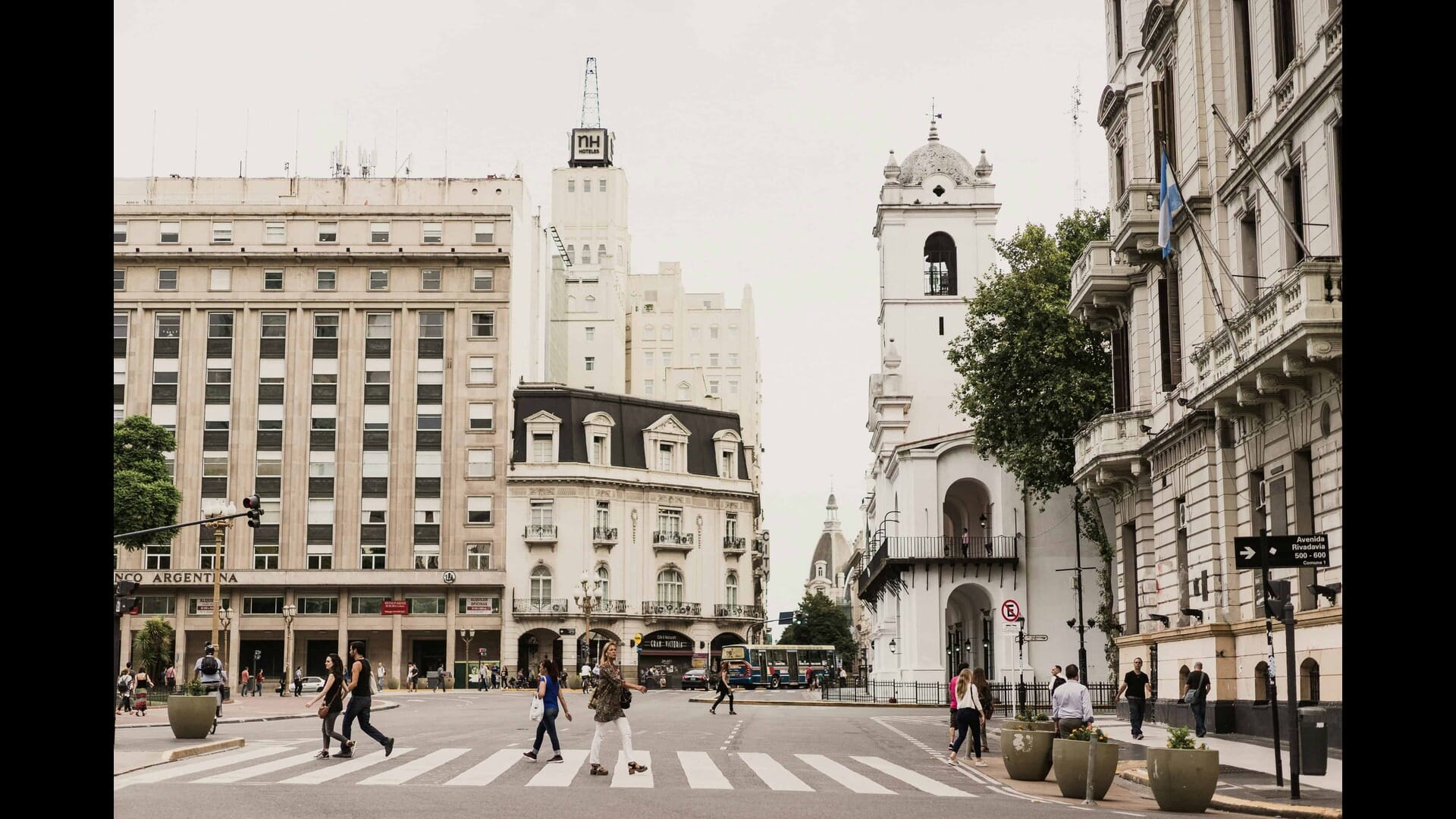
A Guide to the Best Argentine Desserts: Sweet Delights of Argentina
A Guide to the Best Argentine Desserts: Sweet Delights of Argentina
Argentina is a land of vibrant culture, rich history, and, perhaps most importantly, delectable desserts. From the bustling streets of Buenos Aires to the serene landscapes of Patagonia, the country offers a wide array of sweet treats that reflect its diverse heritage and culinary traditions.
This guide will take you on a journey through the best Argentine desserts, exploring their origins, flavors, and the stories behind them.
The Cultural Significance of Argentine Desserts
Argentine desserts are more than just sweet treats; they are a reflection of the country's cultural identity. Influenced by Italian, Spanish, and indigenous traditions, these desserts tell the story of a nation that has embraced various culinary influences while maintaining its unique flavors.
The Role of Desserts in Argentine Celebrations
In Argentina, desserts play a central role in celebrations and gatherings. Whether it's a birthday, wedding, or national holiday, no festive occasion is complete without a selection of sweet delights. Desserts are often shared among family and friends, symbolizing togetherness and joy.
1. Alfajores: The Iconic Argentine Cookie
One of the most beloved Argentine desserts is the alfajor. This delightful treat consists of two crumbly cookies sandwiched together with a generous layer of dulce de leche, and often coated in chocolate or powdered sugar.
The History of Alfajores in Argentina
Alfajores have a rich history that dates back to the Moorish influence in Spain. They were brought to South America by Spanish colonizers and have since evolved into a distinctly Argentine delicacy. Each region of Argentina has its own variation, making alfajores a versatile treat enjoyed by all.
How to Make Traditional Alfajores
Making alfajores at home is a rewarding experience. Here’s a simple recipe:
Ingredients:
- 2 cups all-purpose flour
- 1 cup cornstarch
- 1 cup unsalted butter
- 1 cup powdered sugar
- 1 egg yolk
- 1 teaspoon vanilla extract
- 1 cup dulce de leche
- Chocolate or powdered sugar for coating
Instructions:
- Preheat your oven to 350°F (175°C).
- In a bowl, cream together the butter and powdered sugar until light and fluffy.
- Add the egg yolk and vanilla extract, mixing well.
- Gradually add the flour and cornstarch, mixing until a soft dough forms.
- Roll out the dough and cut into circles.
- Bake for 10-12 minutes until lightly golden.
- Once cooled, spread dulce de leche between two cookies and coat as desired.
2. Dulce de Leche: The Sweet Cream of Argentina
Dulce de leche is a staple in Argentine desserts and can be found in countless recipes. This sweet caramel-like sauce is made by slowly heating sweetened milk until it thickens and turns a rich golden brown.
The Origins of Dulce de Leche
The origins of dulce de leche are disputed, with both Argentina and Mexico claiming to have invented it. Regardless of its birthplace, it has become an integral part of Argentine cuisine, used in everything from pastries to ice cream.
How to Make Homemade Dulce de Leche
Making dulce de leche at home is surprisingly easy:
Ingredients:
- 1 can of sweetened condensed milk
Instructions:
- Pour the condensed milk into a saucepan over low heat.
- Stir continuously for about 1-2 hours until it thickens and turns a caramel color.
- Let it cool before using it in your favorite desserts.
3. Chocotorta: The No-Bake Chocolate Cake
Chocotorta is a popular Argentine dessert that requires no baking, making it a favorite among home cooks. This layered cake consists of chocolate cookies soaked in coffee or milk, alternating with layers of a creamy filling made from dulce de leche and cream cheese.
The Story Behind Chocotorta
Chocotorta was created in the 1980s and quickly became a household favorite. Its simplicity and delicious flavor have made it a staple at birthday parties and family gatherings.
Chocotorta Recipe
Ingredients:
- 2 packages of chocolate cookies (like Chocolinas)
- 2 cups dulce de leche
- 2 cups cream cheese
- Coffee or milk for soaking
Instructions:
- In a bowl, mix the dulce de leche and cream cheese until smooth.
- Dip each cookie in coffee or milk and layer them in a dish.
- Spread a layer of the dulce de leche mixture over the cookies.
- Repeat the layers until all ingredients are used.
- Refrigerate for at least 4 hours before serving.
4. Facturas: The Irresistible Argentine Pastries
Facturas are a variety of pastries that are typically enjoyed for breakfast or as an afternoon snack. These flaky treats come in various shapes and sizes, often filled with dulce de leche, custard, or fruit preserves.
The Different Types of Facturas
Some popular types of facturas include:
- Medialunas: Croissant-like pastries that can be sweet or savory.
- Vigilantes: Twisted pastries filled with dulce de leche.
- Panchos: Pastries filled with cream or custard.
Where to Find the Best Facturas in Argentina
In Argentina, bakeries (panaderías) are the best places to find fresh facturas. Some of the most famous bakeries include:
- Confitería Las Violetas in Buenos Aires
- Panadería La Buenos Aires in Mendoza
5. Helado: Argentine Ice Cream
Argentine ice cream, or helado, is renowned for its creamy texture and rich flavors. It is often compared to Italian gelato, but with its own unique twist.
The Evolution of Argentine Helado
Helado became popular in Argentina in the late 19th century, thanks to Italian immigrants. Today, it is a beloved treat enjoyed year-round, with flavors ranging from traditional dulce de leche to exotic fruit combinations.
Top Heladerías to Visit in Argentina
When in Argentina, be sure to visit:
- Heladería Freddo for their famous dulce de leche helado.
- Heladería Rapa Nui in Bariloche for unique flavor combinations.
6. Pastelitos: Sweet Pastries for Special Occasions
Pastelitos are sweet pastries that are often filled with sweet potato or pumpkin and dusted with sugar. They are traditionally served during national holidays and celebrations.
The Cultural Importance of Pastelitos
Pastelitos are a symbol of Argentine culture, often enjoyed during the May Revolution celebrations and other national festivities. Their sweet flavor and flaky texture make them a favorite among locals.
How to Make Pastelitos at Home
Ingredients:
- 2 cups all-purpose flour
- 1 cup butter
- 1 cup sweet potato or pumpkin filling
- Sugar for dusting
Instructions:
- Mix flour and butter until crumbly.
- Roll out the dough and cut into squares.
- Place a spoonful of filling in the center and fold over to seal.
- Fry until golden and dust with sugar.
7. Tarta de Ricota: The Creamy Ricotta Tart
Tarta de ricota is a delightful tart made with ricotta cheese, sugar, and eggs, often flavored with lemon or orange zest. This dessert is a staple in Argentine households and is perfect for any occasion.
The History of Tarta de Ricota
This tart has Italian roots, brought to Argentina by immigrants. It has since become a beloved dessert, often served at family gatherings and celebrations.
Tarta de Ricota Recipe
Ingredients:
- 1 pre-made pie crust
- 2 cups ricotta cheese
- 1 cup sugar
- 3 eggs
- Zest of 1 lemon
Instructions:
- Preheat the oven to 350°F (175°C).
- In a bowl, mix ricotta, sugar, eggs, and lemon zest until smooth.
- Pour the mixture into the pie crust and bake for 30-40 minutes.
- Let it cool before serving.
8. Budín de Pan: The Argentine Bread Pudding
Budín de pan is a traditional Argentine bread pudding made from stale bread, milk, sugar, and eggs. This dessert is a great way to use leftover bread and is often flavored with cinnamon and vanilla.
The Origins of Budín de Pan
Budín de pan has its roots in European cuisine, but it has been adapted to fit Argentine tastes. It is a comforting dessert that evokes nostalgia for many Argentines.
How to Make Budín de Pan
Ingredients:
- 4 cups stale bread, torn into pieces
- 2 cups milk
- 1 cup sugar
- 3 eggs
- 1 teaspoon cinnamon
Instructions:
- Preheat the oven to 350°F (175°C).
- Soak the bread in milk for 30 minutes.
- In a bowl, mix the soaked bread, sugar, eggs, and cinnamon until combined.
- Pour into a greased baking dish and bake for 45 minutes.
- Serve warm or cold.
9. Pionono: The Argentine Roll Cake
Pionono is a light sponge cake rolled with various fillings, such as dulce de leche, cream, or fruit. This dessert is often served at parties and celebrations.
The History of Pionono
Pionono has Spanish origins and has been embraced by Argentine culture. Its versatility makes it a popular choice for both sweet and savory fillings.
Pionono Recipe
Ingredients:
- 4 eggs
- 1 cup sugar
- 1 cup flour
- Filling of your choice (dulce de leche, cream, etc.)
Instructions:
- Preheat the oven to 350°F (175°C).
- Beat eggs and sugar until fluffy.
- Gradually add flour and mix until smooth.
- Spread the batter on a baking sheet and bake for 10-15 minutes.
- Once cooled, spread your filling and roll tightly.
10. Arroz con Leche: The Comforting Rice Pudding
Arroz con leche is a comforting rice pudding made with rice, milk, sugar, and cinnamon. This dessert is a favorite among children and adults alike.
The Cultural Significance of Arroz con Leche
Arroz con leche is often associated with childhood memories and family gatherings. It is a simple yet satisfying dessert that brings comfort to many.
Arroz con Leche Recipe
Ingredients:
- 1 cup rice
- 4 cups milk
- 1 cup sugar
- 1 teaspoon cinnamon
Instructions:
- Cook the rice in water until tender.
- In a separate pot, combine milk, sugar, and cinnamon.
- Add the cooked rice and simmer until thickened.
- Serve warm or chilled.
Conclusion: Savoring the Sweet Side of Argentina
Argentina's desserts are a testament to the country's rich culinary heritage. Each sweet treat tells a story, reflecting the diverse influences that have shaped Argentine cuisine. Whether you're indulging in alfajores, savoring a slice of tarta de ricota, or enjoying a bowl of arroz con leche, you're experiencing a piece of Argentina's heart and soul. So, the next time you find yourself in this beautiful country, be sure to explore its sweet side and treat yourself to the best Argentine desserts.
As you embark on your culinary journey through Argentina, remember that each dessert is not just a dish but a celebration of culture, tradition, and the joy of sharing sweet moments with loved ones.