
A Comprehensive Guide to Argentina’s Wildlife Conservation Efforts
A Comprehensive Guide to Argentina’s Wildlife Conservation Efforts
Argentina, a land of breathtaking landscapes and rich biodiversity, is home to some of the most unique wildlife on the planet. From the majestic Andes mountains to the lush rainforests of Misiones, the vast plains of the Pampas, and the rugged terrain of Patagonia, Argentina's diverse ecosystems support an array of flora and fauna.
However, this natural heritage faces numerous threats, prompting the country to implement various wildlife conservation efforts. In this comprehensive guide, we will explore Argentina's wildlife conservation initiatives, the challenges faced, and how you can contribute to these vital efforts.
Understanding Argentina’s Biodiversity and Its Importance
Argentina is one of the most biodiverse countries in the world, boasting a wide variety of ecosystems that provide habitats for countless species. With over 1,000 species of birds, 400 species of mammals, and numerous reptiles, amphibians, and plants, the country’s biodiversity is not only vital for ecological balance but also for cultural and economic reasons.
The significance of biodiversity in Argentina cannot be overstated. Healthy ecosystems contribute to clean air and water, pollination of crops, and climate regulation. Moreover, they are essential for the livelihoods of many communities, particularly those that rely on agriculture, fishing, and tourism.
The Role of Conservation in Protecting Biodiversity
Conservation efforts in Argentina aim to protect these vital ecosystems and the species that inhabit them. These initiatives are crucial for maintaining biodiversity, ensuring sustainable development, and preserving the cultural heritage of indigenous communities. The government, NGOs, and local communities are working together to implement strategies that balance human needs with environmental protection.
Key Wildlife Conservation Initiatives in Argentina
National Parks and Protected Areas
Argentina has established a network of national parks and protected areas to safeguard its unique wildlife and habitats. These areas serve as sanctuaries for endangered species and provide opportunities for research, education, and eco-tourism.
1. Iguazú National Park
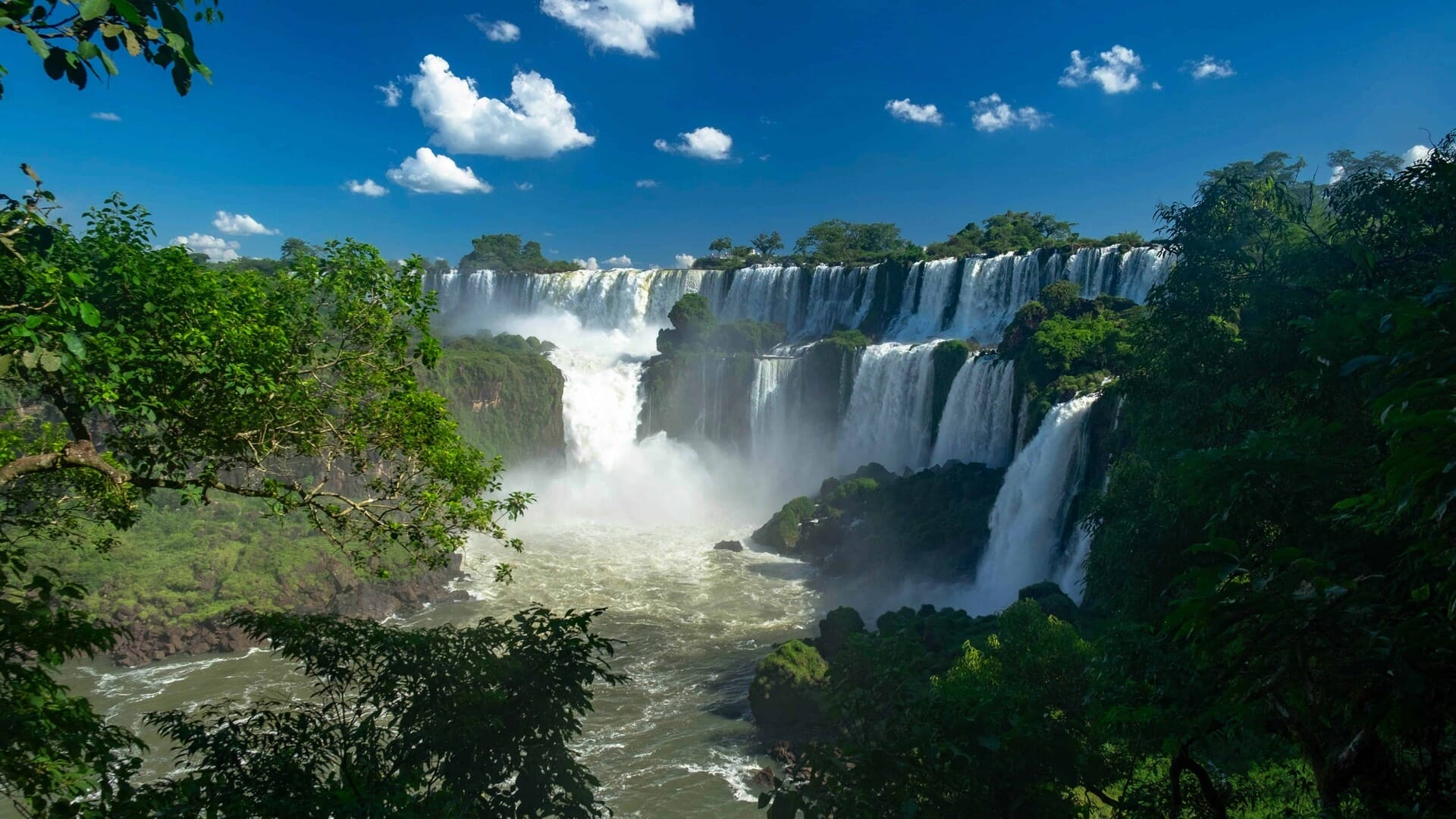
Located in the northeastern province of Misiones, Iguazú National Park is famous for its stunning waterfalls and lush subtropical rainforest. The park is home to a diverse range of species, including the endangered jaguar, tapir, and various bird species. Conservation efforts in the park focus on habitat restoration, anti-poaching measures, and community engagement to promote sustainable tourism.
2. Los Glaciares National Park
This UNESCO World Heritage site in Patagonia is renowned for its breathtaking glaciers and mountainous landscapes. It is also home to unique wildlife such as the Andean condor and the guanaco. Conservation initiatives here include monitoring wildlife populations, protecting habitats from climate change, and promoting eco-friendly tourism practices.
3. Quebrada del Condorito National Park
This park is dedicated to the conservation of the Andean condor, one of the world’s largest flying birds. The park’s rugged terrain provides an ideal habitat for these majestic creatures. Conservation efforts focus on habitat preservation, research on condor populations, and educational programs to raise awareness about the importance of protecting these birds.
Wildlife Rehabilitation Centers
Wildlife rehabilitation centers play a crucial role in Argentina’s conservation efforts. These facilities provide care for injured or orphaned animals, with the goal of releasing them back into the wild.
4. Fundación Temaikèn
Located near Buenos Aires, Fundación Temaikèn is a leading wildlife rehabilitation center and zoo. The foundation focuses on education, research, and conservation programs for various species, including those that are endangered. They offer visitors a chance to learn about wildlife conservation and the importance of protecting natural habitats.
5. Proyecto Yaguareté
This project is dedicated to the conservation of the jaguar in the Atlantic Forest of Misiones. The initiative involves habitat restoration, research on jaguar populations, and community engagement to promote coexistence between humans and wildlife.
Challenges Facing Wildlife Conservation in Argentina
Despite the significant efforts to protect wildlife, Argentina faces numerous challenges that threaten its biodiversity.
Habitat Loss and Fragmentation
One of the most pressing issues is habitat loss due to agriculture, urban development, and deforestation. As natural habitats are converted for human use, wildlife populations become fragmented, making it difficult for species to find mates, food, and shelter.
Climate Change
Climate change poses a significant threat to Argentina’s ecosystems. Rising temperatures, changing precipitation patterns, and extreme weather events can disrupt habitats and affect species survival. Conservation efforts must adapt to these changes to ensure the long-term viability of wildlife populations.
Poaching and Illegal Wildlife Trade
Poaching and illegal wildlife trade remain significant threats to many species in Argentina. The demand for exotic pets, traditional medicine, and luxury goods drives illegal hunting and trafficking, putting immense pressure on vulnerable populations.
The Role of Local Communities in Conservation
Local communities play a vital role in wildlife conservation in Argentina. Engaging indigenous peoples and local residents in conservation efforts ensures that initiatives are culturally appropriate and sustainable.
Community-Based Conservation Initiatives
Many conservation projects in Argentina involve local communities in decision-making processes, providing them with the tools and resources needed to protect their natural heritage. These initiatives often focus on sustainable practices, such as eco-tourism, that benefit both the environment and local economies.
Education and Awareness Programs
Education is key to fostering a culture of conservation. Various organizations in Argentina conduct outreach programs to raise awareness about the importance of protecting wildlife and habitats. These programs often target schools, local communities, and tourists, emphasizing the need for sustainable practices and responsible tourism.
Eco-Tourism and Its Impact on Conservation
Eco-tourism has emerged as a powerful tool for wildlife conservation in Argentina. By promoting responsible travel practices, eco-tourism helps generate revenue for conservation initiatives while providing visitors with unique experiences in nature.
Benefits of Eco-Tourism
- Economic Support for Conservation: Eco-tourism provides funding for conservation projects, helping to sustain protected areas and wildlife rehabilitation centers.
- Awareness and Education: Tourists who participate in eco-tourism activities often leave with a greater understanding of the importance of conservation, leading to increased support for these initiatives.
- Community Empowerment: Eco-tourism can empower local communities by creating job opportunities and promoting sustainable practices that benefit both people and wildlife.
Popular Eco-Tourism Destinations in Argentina
- Iguazú Falls: Visitors can explore the national park while learning about its unique ecosystems and the importance of conservation efforts.
- Valdés Peninsula: This UNESCO World Heritage site is famous for its marine wildlife, including whales, seals, and penguins. Eco-tourism activities here focus on responsible wildlife viewing and education.
- Patagonia: The stunning landscapes of Patagonia attract eco-tourists from around the world, providing opportunities for hiking, wildlife watching, and learning about conservation efforts in the region.
How You Can Contribute to Wildlife Conservation in Argentina
As a traveler, there are several ways you can contribute to wildlife conservation efforts in Argentina:
1. Choose Eco-Friendly Tours
Opt for eco-tourism operators that prioritize sustainability and conservation. Look for companies that support local communities and have a positive impact on the environment.
2. Support Local Conservation Organizations
Consider donating to or volunteering with local conservation organizations that work to protect wildlife and habitats in Argentina. Your support can make a significant difference in their efforts.
3. Educate Yourself and Others
Learn about the wildlife and ecosystems of Argentina, and share your knowledge with others. Raising awareness about conservation issues can inspire more people to get involved.
4. Practice Responsible Tourism
Be mindful of your impact on the environment while traveling. Follow guidelines for wildlife viewing, minimize waste, and respect local cultures and traditions.
Conclusion: The Future of Wildlife Conservation in Argentina
Argentina’s wildlife conservation efforts are crucial for protecting the country’s rich biodiversity and ensuring a sustainable future for both wildlife and local communities. While challenges remain, the dedication of conservationists, local communities, and travelers can make a significant impact. By supporting these initiatives and promoting responsible tourism, we can all play a role in preserving Argentina’s natural heritage for generations to come.
In conclusion, Argentina stands at a crossroads where the beauty of its wildlife and the urgency of conservation intersect. As we explore this magnificent country, let us remember our responsibility to protect its unique ecosystems and the incredible species that call it home.