
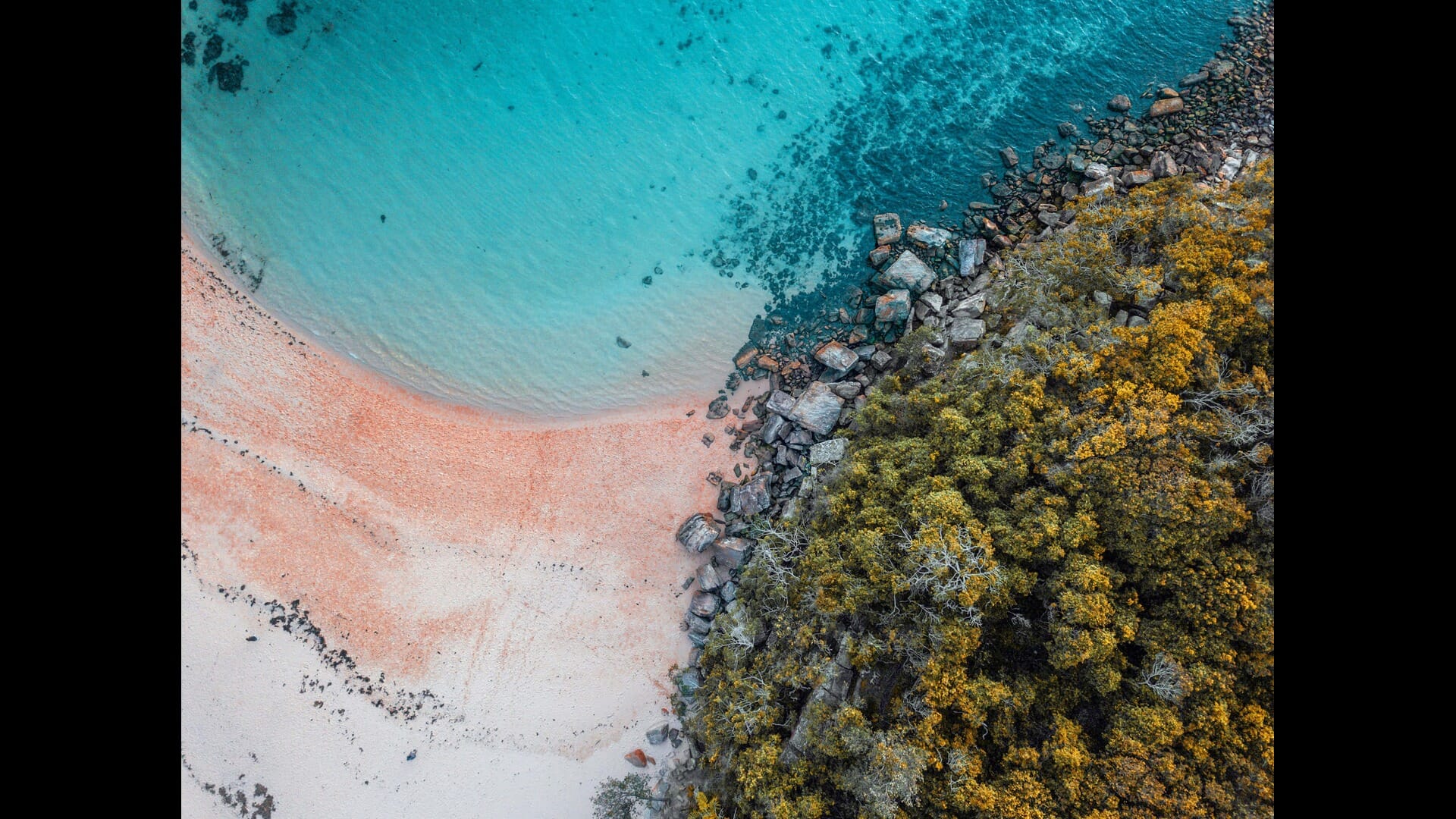
A Guide to Australia’s Famous Landmarks
A Guide to Australia’s Famous Landmarks
Australia is a land of breathtaking landscapes, vibrant cities, and rich cultural heritage. From the stunning coastlines to the rugged outback, the country is home to some of the most iconic landmarks in the world. This guide will take you on a journey through Australia’s famous landmarks, providing you with insights, tips, and fascinating stories behind each site.
Whether you’re a first-time visitor or a seasoned traveler, this guide will help you uncover the beauty and history of Australia.
1. Sydney Opera House: An Architectural Marvel
The Sydney Opera House is not just a landmark; it’s an icon of Australia. Designed by Danish architect Jørn Utzon, this UNESCO World Heritage site is renowned for its unique sail-like design and stunning waterfront location.
History and Design
Construction of the Sydney Opera House began in 1957 and was completed in 1973. The building's innovative design faced numerous challenges, including engineering difficulties and budget overruns. However, the final result is a masterpiece that has become synonymous with Sydney. The Opera House hosts over 1,500 performances each year, ranging from opera and ballet to contemporary music and theater.
Visiting the Opera House
When visiting the Sydney Opera House, consider taking a guided tour to learn about its history and architecture. You can also catch a performance or simply enjoy a meal at one of the restaurants overlooking the harbor. The views of the Sydney Harbour Bridge and the surrounding waters are simply breathtaking.
2. Great Barrier Reef: A Natural Wonder
The Great Barrier Reef is the largest coral reef system in the world, stretching over 2,300 kilometers along the Queensland coast. This UNESCO World Heritage site is home to an incredible diversity of marine life, making it a paradise for snorkelers and divers.
Marine Life and Ecosystem
The reef is home to thousands of species of fish, coral, and other marine creatures. From vibrant clownfish to majestic sea turtles, the underwater world is teeming with life. The Great Barrier Reef is also an important ecosystem that supports various marine species and protects coastal areas from erosion.
Exploring the Reef
To experience the Great Barrier Reef, consider taking a boat tour or a scenic flight over the reef. Snorkeling and diving are popular activities, allowing you to get up close and personal with the marine life. For those who prefer to stay dry, glass-bottom boat tours offer a unique perspective of the underwater world.
3. Uluru: The Heart of Australia
Uluru, also known as Ayers Rock, is one of Australia’s most iconic landmarks. This massive sandstone monolith is located in the heart of the Northern Territory and holds great cultural significance for the Indigenous Anangu people.
Cultural Significance
Uluru is not just a geological wonder; it is a sacred site for the Anangu people. The rock is steeped in mythology and spirituality, with many stories and traditions associated with it. Visitors are encouraged to respect the cultural significance of Uluru by not climbing the rock and learning about its history through guided tours.
Visiting Uluru
The best time to visit Uluru is during sunrise or sunset when the rock changes colors, creating a stunning visual spectacle. The Uluru-Kata Tjuta National Park offers various walking trails, including the base walk around Uluru, which provides insight into its cultural and natural history.
4. The Twelve Apostles: Coastal Wonders
The Twelve Apostles are a series of limestone stacks located along the Great Ocean Road in Victoria. These towering formations rise dramatically from the Southern Ocean, creating a breathtaking coastal landscape.
Formation and Erosion
The Twelve Apostles were formed through a process of erosion, where the softer limestone was worn away by the relentless waves of the ocean. Over time, this natural phenomenon created these stunning rock formations that attract visitors from around the world.
Visiting the Twelve Apostles
The best way to experience the Twelve Apostles is by taking a scenic drive along the Great Ocean Road. There are several viewing platforms that offer stunning views of the stacks, especially during sunrise and sunset. Don’t forget to explore the nearby coastal towns and enjoy the local cuisine.
5. Melbourne’s Federation Square: A Cultural Hub
Federation Square is a vibrant public space in the heart of Melbourne, known for its unique architecture and cultural significance. It serves as a meeting point for locals and tourists alike, offering a range of activities and events.
Architectural Features
The square is characterized by its modern design, featuring angular buildings and open spaces. The Australian Centre for the Moving Image (ACMI) and the Ian Potter Centre are located within the square, showcasing Australia’s artistic and cultural heritage.
Events and Activities
Federation Square hosts various events throughout the year, including festivals, art exhibitions, and live performances. It’s also a great place to relax, enjoy a coffee, and soak in the atmosphere of Melbourne.
6. Bondi Beach: Iconic Australian Beach
Bondi Beach is one of Australia’s most famous beaches, known for its golden sands, surf culture, and vibrant atmosphere. Located just a short drive from Sydney’s city center, Bondi Beach is a must-visit destination for beach lovers.
Surf Culture
Bondi Beach is a haven for surfers, with consistent waves and a lively surf scene. Whether you’re a seasoned surfer or a beginner, there are plenty of surf schools offering lessons. The beach is also home to the Bondi Surf Bathers’ Life Saving Club, one of the oldest surf lifesaving clubs in the world.
Activities and Attractions
In addition to surfing, Bondi Beach offers a range of activities, including beach volleyball, swimming, and sunbathing. The Bondi to Coogee coastal walk is a popular trail that offers stunning views of the coastline and access to other beautiful beaches.
7. Kakadu National Park: A UNESCO World Heritage Site
Kakadu National Park is Australia’s largest national park, covering over 20,000 square kilometers in the Northern Territory. This UNESCO World Heritage site is known for its diverse ecosystems, rich Indigenous culture, and stunning landscapes.
Biodiversity
Kakadu is home to an incredible variety of wildlife, including saltwater crocodiles, kangaroos, and over 280 species of birds. The park’s diverse habitats range from wetlands and rivers to sandstone escarpments and tropical forests.
Cultural Heritage
The park is also significant for its Indigenous heritage, with thousands of years of history reflected in the rock art found throughout the area. Guided tours led by Indigenous rangers provide insight into the cultural significance of the land and its stories.
8. The Blue Mountains: Natural Beauty and Adventure
The Blue Mountains, located just outside of Sydney, are known for their stunning landscapes, deep valleys, and lush forests. This region is a popular destination for outdoor enthusiasts and nature lovers.
Scenic Views
The Blue Mountains offer breathtaking views from various lookout points, including the famous Three Sisters rock formation. Hiking trails wind through the mountains, leading to waterfalls, lookouts, and ancient rainforests.
Adventure Activities
For those seeking adventure, the Blue Mountains offer activities such as rock climbing, abseiling, and canyoning. The region is also home to charming villages, boutique shops, and local eateries, making it a perfect getaway from the city.
9. Tasmania’s Port Arthur: A Historic Site
Port Arthur is a historic site located on the Tasman Peninsula in Tasmania. Once a penal colony, it is now a UNESCO World Heritage site that offers a glimpse into Australia’s colonial past.
History of Port Arthur
Established in 1830, Port Arthur was a place of punishment for convicts. The site features well-preserved buildings and ruins, providing insight into the harsh realities of life in the 19th century. Guided tours and interactive exhibits bring the history of Port Arthur to life.
Visiting Port Arthur
Visitors can explore the grounds, take a guided tour, or join a ghost tour to learn about the site’s haunted history. The stunning coastal scenery surrounding Port Arthur adds to the experience, making it a captivating destination.
10. The Whitsundays: Tropical Paradise
The Whitsunday Islands are a group of 74 islands located in the heart of the Great Barrier Reef. Known for their pristine beaches and crystal-clear waters, the Whitsundays are a tropical paradise for travelers.
Island Hopping
Island hopping is a popular activity in the Whitsundays, with many tours offering visits to some of the most beautiful islands, including Hamilton Island and Whitehaven Beach. Whitehaven Beach is famous for its pure silica sand and stunning turquoise waters.
Water Activities
The Whitsundays are a haven for water sports enthusiasts, offering activities such as snorkeling, diving, sailing, and paddleboarding. The vibrant marine life and stunning coral reefs make it a perfect destination for underwater exploration.
Conclusion: Embrace the Wonders of Australia
Australia is a land of diverse landscapes and rich cultural heritage, with each landmark telling its own unique story. From the architectural brilliance of the Sydney Opera House to the natural wonders of the Great Barrier Reef and Uluru, these landmarks are a testament to the beauty and history of this incredible country. Whether you’re seeking adventure, relaxation, or cultural experiences, Australia’s famous landmarks offer something for everyone. Plan your journey today and embrace the wonders of Australia!